Can Dogs Eat Strawberry Puree
By Dr. Zubair Khalid, DVM, MS, PhD ·
Key Takeaways
- Plain strawberry puree, made from washed fresh or frozen strawberries without added sugars, artificial sweeteners (especially xylitol), or preservatives, is generally safe for most dogs as an occasional treat.
- Commercial strawberry purees pose a significant risk due to the common inclusion of xylitol, a highly toxic artificial sweetener that can induce rapid hypoglycemia and liver failure in dogs.
- Appropriate portion control is critical; for instance, a small dog (under 10 kg) should receive only 1-2 teaspoons, and this treat should not exceed 10% of the dog's daily caloric intake.
- Potential adverse reactions include mild gastrointestinal upset such as vomiting or diarrhea, which typically resolve within 12-24 hours after discontinuation; severe symptoms warrant veterinary consultation.
- Allergic reactions, though rare, can manifest as dermatological signs (hives, itching, facial swelling) or more severe gastrointestinal distress, necessitating immediate cessation of the treat and veterinary assessment.
- Veterinary intervention for adverse reactions may involve physical examination, blood work to assess metabolic status and organ function (especially if xylitol toxicity is suspected), and supportive care including fluid therapy and dietary management.
Strawberries are a popular, vitamin-rich fruit that many pet owners consider sharing with their dogs. When pureed, strawberries become an even more versatile treat that can be used in frozen treats, added to meals, or given as a lickable snack. But is strawberry puree safe for dogs? The short answer is yes, with important caveats. Plain, fresh strawberry puree without added sugars, artificial sweeteners, or preservatives can be a healthy occasional treat. However, commercial strawberry purees often contain ingredients that are harmful to dogs, such as xylitol or high fructose corn syrup. This article provides clinical guidance on safely offering strawberry puree to your canine companion, covering preparation, portion control, potential risks, and when to seek veterinary care.
Quick Q&A: Common Questions
Question: Can dogs eat strawberry puree safely?
Answer: Yes, plain strawberry puree made from fresh or frozen strawberries (without added sugar, xylitol, or other additives) is safe for most dogs in small amounts. It provides beneficial vitamins and antioxidants but should only be given as an occasional treat, comprising no more than 10% of daily calorie intake. Always introduce new foods gradually and monitor for signs of gastrointestinal upset.
Understanding Strawberry Puree and Canine Health
Nutritional Profile and Benefits
Strawberries are low in calories and rich in vitamin C, fiber, and antioxidants such as ellagic acid and flavonoids. These compounds can support a healthy immune system and may reduce inflammation. Pureeing the fruit makes it easier to mix into food or freeze into dog-safe treats. However, the benefits are only realized when the puree is free from harmful additions.
Clinical Consensus on Fruits for Dogs
International veterinary bodies, including the American Veterinary Medical Association (AVMA), the American Animal Hospital Association (AAHA), and the Canadian Veterinary Medical Association (CVMA), generally recommend whole fruits as occasional treats, provided they are safe and prepared appropriately. The European Medicines Agency (EMA) and the Australian Veterinary Association (AVA) similarly advise that fresh produce should not contain added sugars or artificial sweeteners, as dogs metabolize these differently than humans. Strawberry puree aligns with these guidelines only when it is homemade and unadulterated.
Home Care: How to Safely Prepare and Serve Strawberry Puree
Choosing the Right Strawberries
Use only fresh or frozen strawberries that are thoroughly washed to remove pesticide residues. Organic berries are a good option but still need washing. Remove the green tops (leaves and stem) as they are not toxic but can be difficult to digest and offer no nutritional value.
Simple Preparation Method
- Wash and hull the strawberries.
- Puree in a blender or food processor until smooth. No water or other ingredients are necessary.
- Serve immediately or freeze in small portions (e.g., in silicone molds or ice cube trays) for later use.
Appropriate Portion Sizes
Portion control is crucial. For a small dog (under 10 kg), one to two teaspoons of puree is sufficient. For a medium dog (10-25 kg), one to two tablespoons. For a large dog (over 25 kg), up to three tablespoons. These amounts ensure the treat remains a small part of the diet without contributing excess sugar or fiber that could cause diarrhoea/diarrhea.
Frequency of Feeding
Strawberry puree should not be a daily treat. Offer it no more than two to three times per week, rotating with other canine-safe fruits like blueberries or apple puree (without seeds). This variety supports balanced nutrition and reduces the risk of gastrointestinal upset.
Signs of Adverse Reactions and When to Visit the Vet
Common Side Effects
Even safe foods can cause issues in some dogs. The most common reactions to strawberry puree include:
- Mild vomiting or regurgitation
- Diarrhoea/diarrhea or loose stools
- Increased gas or bloating
- Decreased appetite if fed too close to meal times
These signs usually resolve within 12 to 24 hours if the puree is discontinued. If symptoms persist or worsen, contact your veterinarian.
Allergic Reactions
Although rare, some dogs may be allergic to strawberries. Symptoms of an allergic reaction include:
- Itchy skin, hives, or facial swelling
- Sneezing or watery eyes
- Repeated scratching or ear infections
- Vomiting or diarrhoea/diarrhea that is more severe
If you notice any of these signs, stop feeding strawberry puree and consult your vet. Anaphylaxis is extremely rare but requires emergency veterinary care.
Xylitol and Commercial Purees
Be extremely cautious with store-bought strawberry purees or fruit blends. Many contain xylitol, an artificial sweetener that is highly toxic to dogs. Xylitol can cause a rapid drop in blood sugar (hypoglycemia) and liver failure. Even small amounts are dangerous. Always read ingredient labels thoroughly. If your dog accidentally ingests xylitol-containing puree, contact a veterinarian or pet poison hotline immediately. The ASPCA Animal Poison Control Center and Pet Poison Helpline are resources in the United States; the Veterinary Poisons Information Service (VPIS) covers the UK and parts of Europe.
What to Expect at the Veterinary Clinic
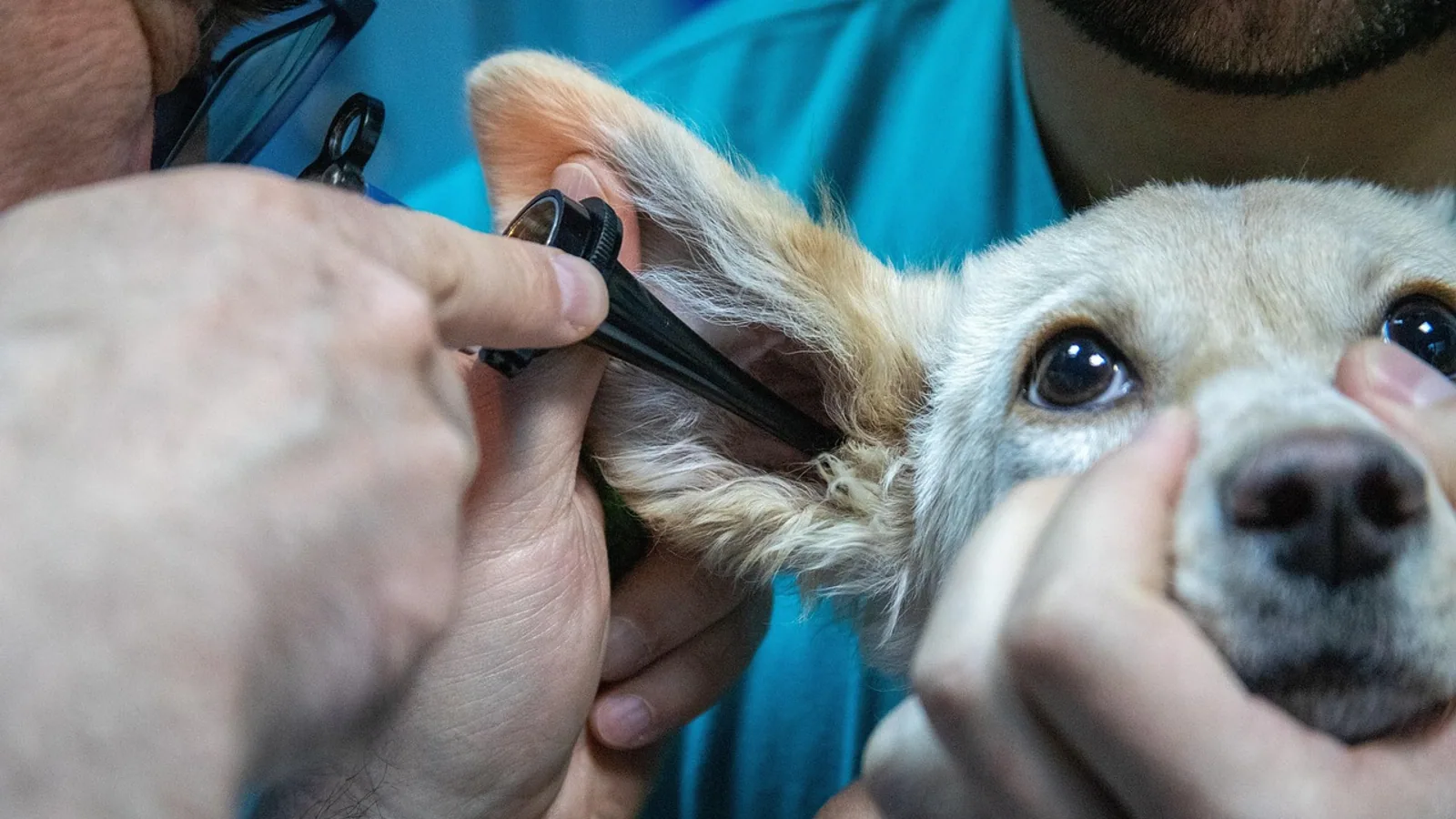
If your dog experiences a negative reaction to strawberry puree, your veterinarian will perform a thorough examination. They may ask about the amount consumed, the ingredients (especially if store-bought), and the timing of symptoms.
Diagnostic Approach
- Physical exam to assess hydration, abdominal pain, and overall condition.
- Possible blood work to check for electrolyte imbalances, liver enzymes (if xylitol exposure is suspected), or signs of infection.
- In cases of severe vomiting or diarrhoea/diarrhea, supportive care including fluids and anti-emetic medication may be provided.
Treatment
Most cases of simple dietary indiscretion are managed with a brief fast (12-24 hours for adults, less for puppies) followed by a bland diet (boiled chicken and rice or a veterinary prescription diet). Probiotics can help restore gut flora. If xylitol toxicity is confirmed, the dog will require hospitalization for intravenous dextrose and liver support. Prognosis is good with prompt treatment.
Prevention: Best Practices for Treating with Fruits
- Stick to homemade purees from single ingredients.
- Avoid canned or jarred fruit products that may contain syrups, preservatives, or artificial flavors.
- Introduce any new fruit puree gradually, starting with a tiny amount (e.g., a lick on a spoon).
- Monitor your dog’s stool and behaviour/behavior for 48 hours after the first feeding.
- Never replace a balanced commercial diet with fruit puree. Treats should not exceed 10% of daily caloric intake according to AAHA nutrition guidelines.
- Consult your veterinarian if your dog has underlying health conditions such as diabetes, pancreatitis, or obesity before offering any sugary fruit.
Conclusion
Strawberry puree can be a safe and enjoyable treat for dogs when prepared correctly and fed in moderation. Homemade plain puree offers nutritional benefits without the risks of commercial additives. By following portion guidelines, watching for adverse reactions, and adhering to international veterinary consensus on treat safety, you can share this fruity delight with your canine companion responsibly. When in doubt, always check with your veterinarian to ensure any new food fits your dog’s specific health needs.