Can Dogs Eat Strawberry Jello
By Dr. Zubair Khalid, DVM, MS, PhD ·
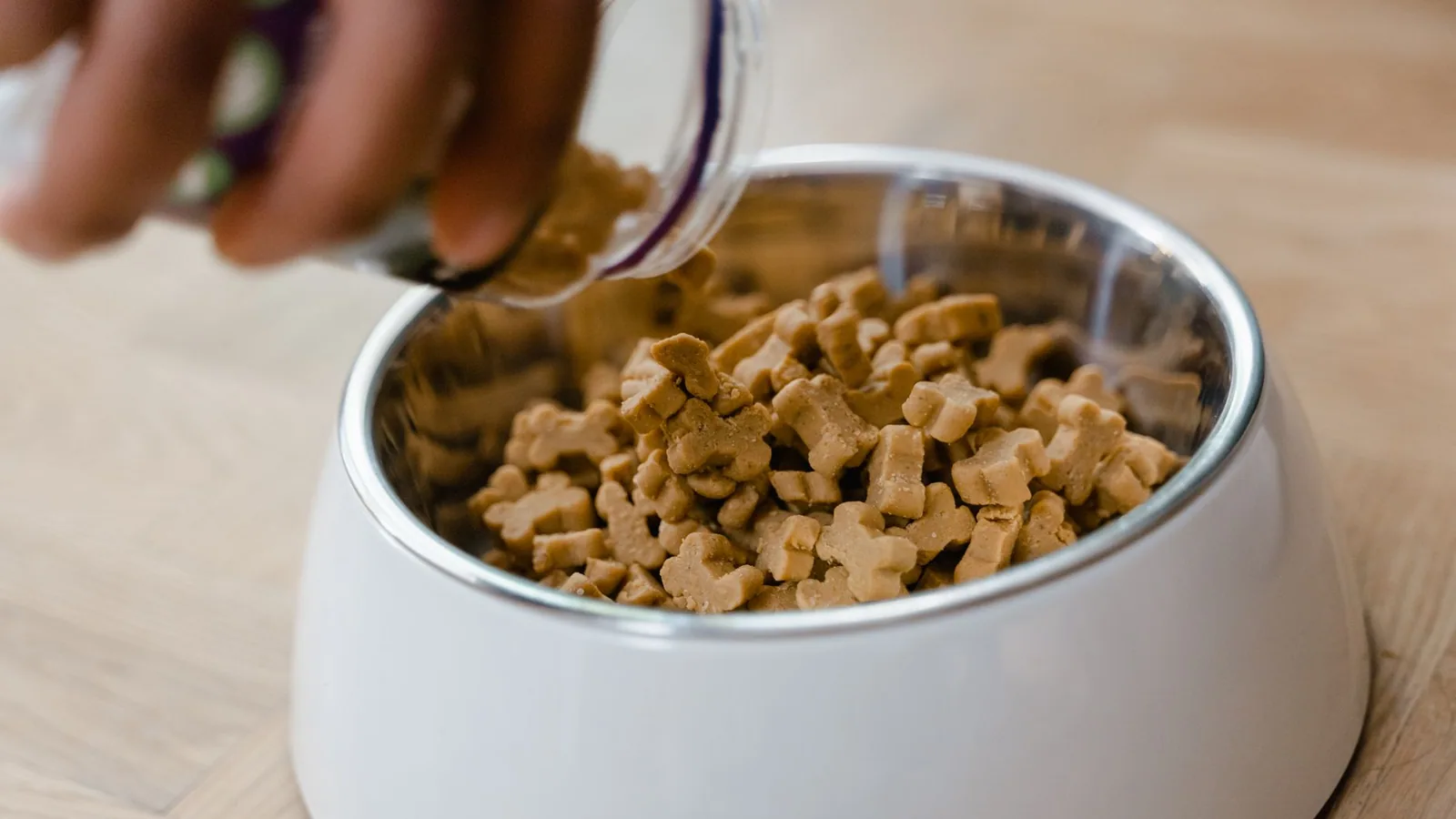
Strawberry jello is a common dessert found in many households. While a small amount of plain, sugar-free jello might not cause immediate harm, it is generally not recommended for dogs. The primary concerns involve high sugar content, artificial sweeteners (especially xylitol), and artificial colours that can lead to gastrointestinal upset or more serious health issues. This article provides a clinical yet accessible overview for pet owners.
Key Takeaways
- Standard strawberry gelatin dessert contains high concentrations of refined sugar, artificial colorants (Red 40), and synthetic flavorings that offer zero nutritional benefit to dogs.
- CRITICAL DEADLY HAZARD: Always check packaging for Xylitol (Birch Sugar / E967); sugar-free gelatin products containing xylitol trigger catastrophic insulin release and fatal acute liver failure in dogs.
- Plain, unflavored, unsweetened beef or pork gelatin is safe and provides collagen peptides beneficial for joint cartilage, but commercial strawberry Jell-O is unsuitable.
- Ingesting large amounts of sugary strawberry gelatin causes acute osmotic diarrhea, vomiting, gastrointestinal upset, and increases long-term risks of pancreatitis and obesity.
- If your dog consumes strawberry gelatin containing xylitol, treat it as an extreme medical emergency and transport the dog immediately to an emergency veterinary clinic.
Quick Q&A: Common Questions
Question: Is strawberry jello safe for dogs to eat? Answer: No, strawberry jello is not considered safe for dogs. It often contains high levels of sugar, artificial sweeteners like xylitol (which is toxic to dogs), and artificial dyes that can cause digestive upset or allergic reactions. Even a small amount can lead to vomiting, diarrhoea, or more severe metabolic problems.
Understanding the Risks of Strawberry Jello for Dogs
Sugar and Caloric Load
Most commercial strawberry jello products are sweetened with sugar or high-fructose corn syrup. A single serving can contain 15-20 grams of sugar, which is excessive for a dog. High sugar intake can lead to:
- Obesity: Chronic overconsumption contributes to weight gain and associated health problems like diabetes and joint stress.
- Dental decay: Sugars promote plaque formation and periodontal disease.
- Gastrointestinal upset: Sudden sugar loads can cause osmotic diarrhoea or vomiting.
Xylitol Toxicity: A Life-Threatening Risk
Many sugar-free or reduced-sugar strawberry jello products contain xylitol, a sugar alcohol used as a sweetener. Xylitol is highly toxic to dogs, even in small amounts. It triggers a rapid insulin release, leading to severe hypoglycaemia (low blood sugar) within 30-60 minutes of ingestion. Signs include:
- Weakness, lethargy, or collapse
- Vomiting or incoordination
- Seizures or coma in severe cases
The American Veterinary Medical Association (AVMA) and the European Medicines Agency (EMA) both warn against feeding xylitol-containing products to pets. If your dog has ingested strawberry jello with xylitol, seek emergency veterinary care immediately.
Artificial Colours and Preservatives
Strawberry jello often contains artificial colours like Red 40, Yellow 5, and Blue 1, along with preservatives such as potassium sorbate. While generally considered safe for humans, some dogs may develop:
- Allergic reactions: Itching, hives, or facial swelling.
- Gastrointestinal sensitivity: Chronic consumption may contribute to inflammatory bowel disease in predisposed dogs.
The Canadian Veterinary Medical Association (CVMA) advises pet owners to avoid feeding artificial colours and preservatives to dogs, as their long-term effects are not well studied in canines.
What to Do If Your Dog Eats Strawberry Jello
Home Care for Small Amounts
If your dog has eaten a small amount of plain strawberry jello (without xylitol or artificial sweeteners), monitor them closely for 12-24 hours. Common signs include mild vomiting or diarrhoea. Provide fresh water and withhold food for 6-12 hours to allow the gastrointestinal tract to settle. If symptoms persist or worsen, contact your veterinarian.
When to Seek Veterinary Attention
Contact your vet or an emergency animal hospital immediately if:
- The jello contains xylitol (check the ingredient list).
- Your dog shows signs of hypoglycaemia (weakness, tremors, collapse).
- Vomiting or diarrhoea is severe, frequent, or contains blood.
- Your dog has a pre-existing condition like diabetes, pancreatitis, or kidney disease.
What to Expect at the Vet
Your veterinarian may perform a physical exam and recommend:
- Induced vomiting if ingestion occurred within 2 hours and the product contains xylitol or other toxins.
- Blood glucose monitoring to check for hypoglycaemia.
- Supportive care including intravenous fluids, anti-nausea medication, or activated charcoal to bind toxins.
The Australian Veterinary Association (AVA) recommends that any dog ingesting xylitol should be hospitalised for at least 12-24 hours for observation and glucose monitoring.
Prevention: Safe Alternatives to Strawberry Jello
Healthy Treat Options
Instead of strawberry jello, offer your dog safe, low-calorie treats:
- Fresh strawberries: Rich in antioxidants and fibre, but limit to 1-2 small berries per day for a medium-sized dog.
- Frozen banana slices: A natural sweet treat without artificial additives.
- Plain, unsweetened yogurt (if your dog is not lactose intolerant): Provides probiotics and protein.
Reading Labels Carefully
Always check ingredient lists for hidden dangers. Avoid any product containing:
- Xylitol, sorbitol, or other sugar alcohols
- Artificial sweeteners (e.g., aspartame, saccharin)
- High fructose corn syrup or added sugars
- Artificial colours (e.g., Red 40, Yellow 5)
International Consensus on Feeding Human Foods to Dogs
Veterinary organisations worldwide, including the AVMA (USA), CVMA (Canada), AVA (Australia), and FVE (Europe), agree that dogs should not be fed human desserts or processed foods. These products are formulated for human metabolism and often contain ingredients that are toxic or nutritionally inappropriate for dogs. Instead, focus on a balanced, species-appropriate diet recommended by your veterinarian.
Final Verdict
Strawberry jello is not a safe treat for dogs. The risks of sugar overload, xylitol toxicity, and artificial additives outweigh any potential benefit. If you suspect your dog has ingested strawberry jello, especially a sugar-free variety, contact your veterinarian immediately. For healthy alternatives, stick to fresh fruits or vet-approved commercial treats. Always prioritise your dog's health by reading labels and consulting your vet before introducing new foods.