Can Dogs Eat Strawberry Granola Bars
By Dr. Zubair Khalid, DVM, MS, PhD ·
Key Takeaways
- Strawberry granola bars pose significant health risks to dogs due to common toxic ingredients such as chocolate (theobromine, caffeine), raisins/grapes (acute kidney injury), xylitol (hypoglycaemia, liver failure), and macadamia nuts (neurological signs).
- The high sugar and fat content in granola bars can precipitate acute pancreatitis, gastrointestinal upset (vomiting, diarrhoea), and contribute to obesity and metabolic strain in dogs.
- Ingestion necessitates immediate assessment of the ingredient list for toxins; if present, immediate veterinary consultation is critical, as symptoms can manifest rapidly, particularly with xylitol.
- Veterinary intervention may involve induced emesis, activated charcoal administration, intravenous fluid therapy, and symptomatic medications to manage potential hypoglycaemia, pancreatitis, or organ damage.
- Prompt veterinary evaluation and treatment are crucial for mitigating severe outcomes, as delayed intervention for certain toxins can lead to irreversible kidney or liver damage.
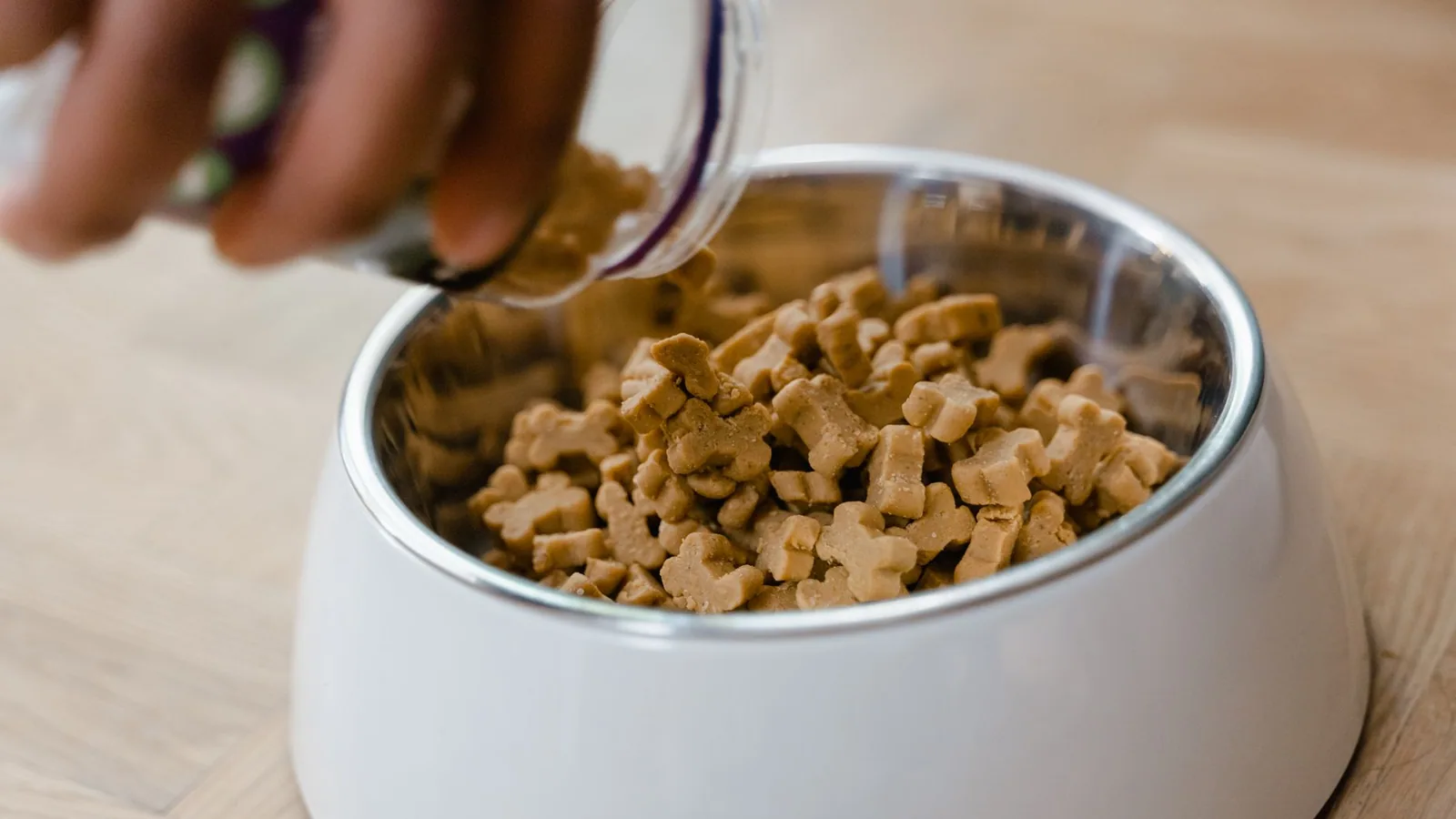
- Safe alternatives to human granola bars include plain air-popped popcorn, small pieces of apple (without seeds), and commercially produced dog treats formulated with whole ingredients, adhering to the guideline that treats should not exceed 10% of a dog's daily caloric intake.
Strawberry granola bars are a convenient snack for people, but they pose several health risks to dogs. While a small bite of a plain strawberry might be safe, the processed bar often contains ingredients that are toxic, irritating, or nutritionally inappropriate for canine companions. This article provides evidence-based guidance for pet owners on why these treats should be avoided and what steps to take if ingestion occurs.
Quick Q&A: Common Questions
Question: What should I do if my dog eats a strawberry granola bar? Answer: First, examine the ingredient list for toxic substances such as chocolate, raisins, xylitol, or macadamia nuts. If any of these are present, contact your veterinarian immediately. Even without obvious toxins, the high sugar and fat content can trigger pancreatitis or gastrointestinal upset (vomiting, diarrhoea/diarrhea). Monitor your dog closely for 12-24 hours and seek professional advice if any abnormal behavior or signs appear.
Why Strawberry Granola Bars Are Dangerous for Dogs
Toxic Ingredients Commonly Found in Granola Bars
Many strawberry granola bars contain ingredients that are well-documented as toxic to dogs. According to the American Veterinary Medical Association (AVMA) and the American Animal Hospital Association (AAHA), the following are of greatest concern:
- Chocolate (especially dark or milk chocolate): Contains theobromine and caffeine, which can cause hyperactivity, tremors, seizures, and cardiac arrhythmias.
- Raisins or grapes: Even small amounts can lead to acute kidney injury in some dogs. The exact toxin remains unknown, but the risk is significant.
- Xylitol (a sugar substitute): Extremely toxic, causing rapid insulin release, hypoglycaemia (low blood sugar), and potentially liver failure. Symptoms can appear within 30 minutes.
- Macadamia nuts: Associated with weakness, ataxia (loss of coordination), and hyperthermia. Multiple nuts can be dangerous.
Even if the bar lists “natural strawberry flavor” or dried strawberries, the presence of any of the above makes it unsafe. Always read the full ingredient label.
High Sugar, Fat, and Calorie Load
Strawberry granola bars are often high in added sugars and fats. Dogs lack the digestive adaptation to handle such concentrated energy sources. Consuming these bars can lead to:
- Acute pancreatitis (inflammation of the pancreas), especially in predisposed breeds like Miniature Schnauzers or overweight dogs.
- Obesity and metabolic strain, a single bar can exceed a small dog’s daily caloric needs.
- Gastrointestinal upset, vomiting, diarrhoea (diarrhea), and abdominal discomfort.
Artificial Additives and Preservatives
Many commercially produced granola bars contain artificial sweeteners (other than xylitol), flavours, and preservatives that may cause allergic reactions or digestive intolerance. While not always toxic, these additives can trigger dermatitis, vomiting, or diarrhoea in sensitive individuals.
What to Do If Your Dog Eats a Strawberry Granola Bar
Home Observation and First Steps
If you catch your dog eating a strawberry granola bar, remain calm. Remove any remaining bar and wrapper to prevent further ingestion. Follow these steps:
- Identify the brand and read the ingredient list, look for chocolate, raisins, xylitol, or macadamia nuts. If any are present, call your veterinarian or a pet poison hotline (e.g., ASPCA Animal Poison Control Center in the US) immediately.
- Assess your dog’s size and the amount eaten, a larger dog may tolerate a small amount better, but toxicity is dose-dependent.
- Monitor for signs including lethargy, vomiting, diarrhoea (or diarrhoea), excessive drooling, abdominal pain (praying position), tremors, or unusual behavior.
- Do not induce vomiting unless specifically instructed by a veterinarian. Some toxins (e.g., xylitol) can cause rapid hypoglycaemia, and vomiting may worsen the situation.
When to Contact a Veterinarian
Seek veterinary care if your dog shows any of the following:
- Ingestion of chocolate, raisins, xylitol, or macadamia nuts (even without symptoms)
- Vomiting or diarrhoea that persists more than 2-3 episodes
- Lethargy, weakness, or collapse
- Tremors, seizures, or difficulty walking
- Increased thirst or urination (possible kidney injury from grapes/raisins)
- Pale gums or jaundice (yellowish skin/eyes)
The CVMA (Canadian Veterinary Medical Association) and AVA (Australian Veterinary Association) both recommend that any ingestion of potentially toxic foods be evaluated by a veterinarian as soon as possible.
Veterinary Treatment for Granola Bar Ingestion
Diagnostic Approach
At the clinic, the veterinarian will perform a thorough physical exam and may recommend baseline blood work, including:
- Blood glucose (to check for xylitol-induced hypoglycaemia)
- Kidney and liver function tests (if raisins or chocolate are involved)
- Electrolyte panel and pancreatic lipase (to assess for pancreatitis)
Treatment Options
Treatment is symptomatic and supportive, depending on the ingredients ingested:
- Induced vomiting (if within 1-2 hours and no contraindications)
- Activated charcoal, may be given to bind toxins in the gastrointestinal tract
- Intravenous fluids, to maintain hydration and support kidney function
- Medications, antiemetics for vomiting, gastrointestinal protectants, or glucose supplementation for hypoglycaemia
- Monitoring, hospitalisation for 12-24 hours may be necessary for severe cases
Prognosis
With prompt veterinary care, most dogs recover fully. Delayed treatment for certain toxins (especially raisins or xylitol) can lead to irreversible kidney or liver damage. The FVE (Federation of Veterinarians of Europe) and EMA (European Medicines Agency) stress the importance of early intervention for best outcomes.
Prevention and Safe Alternatives
How to Keep Your Dog Safe
Prevention is the most effective strategy. Store all human snacks, including granola bars, in sealed containers out of your dog’s reach. Educate family members and guests not to share these treats with pets. For households with children, ensure that snack wrappers are disposed of securely.
Healthier Treat Options
Instead of strawberry granola bars, offer your dog safe, low-calorie alternatives:
- Fresh or frozen strawberries (without added sugar), rich in vitamin C and fibre
- Plain, air-popped popcorn (no butter or salt)
- Small pieces of apple (without seeds)
- Commercial dog treats made with whole ingredients
Always introduce new treats gradually and in moderation. The AAHA recommends that treats constitute no more than 10% of a dog’s daily caloric intake.
Remember, what is convenient for humans can be dangerous for dogs. When in doubt, consult your veterinarian before offering any human food. Your vigilance can prevent a costly emergency and keep your canine companion healthy and happy.