Can Dogs Eat Strawberry Chobani Greek Yogurt
By Dr. Zubair Khalid, DVM, MS, PhD ·
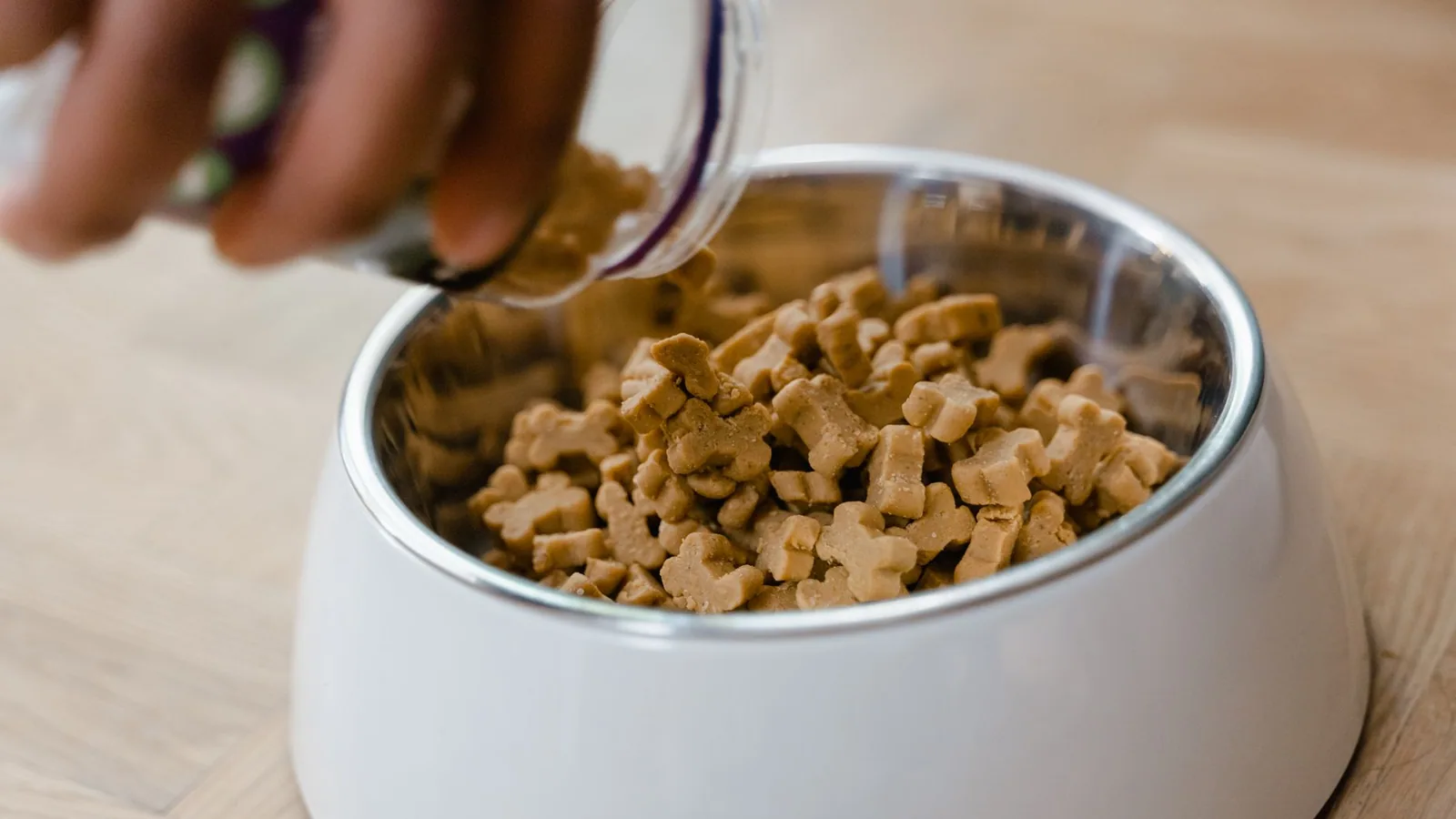
Strawberry Chobani Greek yogurt is a popular human snack, but when your dog looks at you with those hopeful eyes, you might wonder if sharing a spoonful is safe. While plain, unsweetened Greek yogurt can offer probiotics and protein for dogs, the strawberry-flavoured version introduces additional ingredients that require caution. This article provides a clinical yet accessible breakdown of the risks and benefits, so you can make an informed decision for your canine companion.
Key Takeaways
- Flavored fruit yogurts like Strawberry Chobani Greek Yogurt contain added refined sugars, fruit syrups, and flavorings that are unnecessary and potentially problematic for canines.
- CRITICAL DEADLY HAZARD: Always verify the ingredient panel for Xylitol (Birch Sugar / E967) in sugar-free or 'Zero Sugar' yogurts; xylitol causes massive insulin spikes, severe hypoglycemia, and acute hepatic necrosis in dogs.
- Adult dogs are naturally lactose intolerant due to post-weaning declines in intestinal lactase enzyme; while Greek yogurt has lower lactose than milk, flavored yogurts can still trigger gas, cramping, and osmotic diarrhea.
- If offering yogurt as a treat or probiotic source, choose strictly 100% Plain, Unsweetened Non-Fat Greek Yogurt with live active cultures in small quantities (1–2 teaspoons).
- If a dog consumes flavored yogurt containing xylitol, transport the dog immediately to an emergency veterinary clinic without waiting for symptoms to appear.
Quick Q&A: Common Questions
Question: Can dogs eat strawberry Chobani Greek yogurt safely?
Answer: Occasional small amounts of strawberry Chobani Greek yogurt are generally not toxic to dogs, but regular feeding is not recommended due to added sugar and potential artificial ingredients. Plain, unsweetened Greek yogurt is a safer alternative for digestive health benefits. Always check labels for xylitol, which is highly toxic to dogs, though Chobani does not use it in their strawberry flavour.
Understanding the Ingredients in Strawberry Chobani Greek Yogurt
To assess safety, we need to examine what is actually in the product. A typical 150 g serving of Chobani strawberry Greek yogurt contains: cultured pasteurised nonfat milk, strawberries, cane sugar, fruit pectin, natural flavours, locust bean gum, and live active cultures (e.g., Lactobacillus bulgaricus, Streptococcus thermophilus, Lactobacillus acidophilus, Bifidobacterium lactis). It does not contain xylitol, an artificial sweetener that can cause life-threatening hypoglycaemia and liver failure in dogs.
However, the product does contain added sugar (about 12-15 g per serving). Dogs have no nutritional requirement for sugar, and excessive consumption can contribute to obesity, dental disease, and insulin dysregulation over time.
Potential Risks of Strawberry Chobani Greek Yogurt for Dogs
1. Added Sugar and Caloric Load
The high sugar content is the primary concern. The American Veterinary Medical Association (AVMA) and the World Small Animal Veterinary Association (WSAVA) both emphasize that added sugars in pet treats should be minimised. A small dog consuming even half a container of strawberry yogurt could receive a significant amount of empty calories, potentially leading to weight gain or gastrointestinal upset (vomiting, diarrhoea/diarrhea).
2. Dairy Sensitivity and Lactose Intolerance
Many dogs are lactose intolerant because they produce decreasing amounts of lactase after weaning. Greek yogurt has less lactose than regular yogurt (due to fermentation and straining), but flavoured varieties may still cause loose stools, gas, or abdominal discomfort in sensitive individuals. Signs often appear within 12-24 hours of ingestion.
3. Artificial Additives and Natural Flavours
While Chobani uses natural flavours, the term “natural flavours” is not strictly regulated for veterinary safety. Some natural flavouring compounds (e.g., certain fruit extracts or citric acid) can cause mild gastric irritation in dogs with sensitive stomachs. The fruit pectin and locust bean gum are generally safe in small amounts but could contribute to diarrhoea if overfed.
4. Choking Hazard or Pancreatitis Risk (Rare)
Large, cold spoonfuls of yogurt are rarely a choking hazard, but dogs that gulp food may inhale a small amount. Additionally, the high fat content in full-fat Greek yogurt (though Chobani strawberry is nonfat) can trigger pancreatitis in predisposed breeds (e.g., Miniature Schnauzers, Shetland Sheepdogs). Stick to nonfat or low-fat versions if you choose to share.
Benefits of Plain Greek Yogurt (Without Strawberry)
Before completely ruling out yogurt, it is worth noting that plain, unsweetened Greek yogurt offers several evidence-backed advantages when fed appropriately:
- Probiotics: Live active cultures can support gut health, especially during antibiotic therapy or after a bout of diarrhoea. The European Food Safety Authority (EFSA) and Australian Veterinary Association (AVA) acknowledge that certain probiotic strains (e.g., Bifidobacterium animalis) may benefit canine digestion.
- Protein and Calcium: Greek yogurt is a good source of highly digestible protein and calcium for bone health.
- Palatability: Many dogs love the taste, making it a useful vehicle for medications or as a low-calorie treat.
However, these benefits are largely negated when sugar and fruit are added. Therefore, if you want to give your dog a yogurt treat, choose plain, nonfat Greek yogurt with no sweeteners or flavours.
Home Care and What to Do If Your Dog Eats Strawberry Chobani
If your dog has already licked a spoonful or eaten a small amount (e.g., a tablespoon or two), the risk is low. Observe for signs of gastrointestinal upset:
- Mild vomiting or regurgitation
- Soft stool or diarrhoea
- Increased gas or bloating
- Licking lips or drooling (nausea)
Home care: Withhold food for 12 hours (water is fine) to let the stomach settle. Then offer a bland diet of boiled chicken (no skin) and white rice in small portions for 24-48 hours. Most cases resolve without intervention.
When to consult a veterinarian: If your dog has eaten an entire container (150-200 g) or more, especially if your dog is small, has a history of pancreatitis, or shows signs of severe vomiting, lethargy, or bloody diarrhoea (diarrhea in US spelling). Also seek help if you suspect the yogurt contained xylitol (double-check the label: Chobani does not use xylitol, but other brands may).
What to Expect at the Veterinary Clinic
If you bring your dog in for evaluation, the veterinarian will:
- Perform a physical exam, checking for dehydration, abdominal pain, or fever.
- Ask about the amount consumed and any pre-existing conditions.
- Recommend supportive care: subcutaneous fluids if dehydrated, antiemetics (e.g., maropitant) for vomiting, and possibly a gastrointestinal protectant like sucralfate.
- Run bloodwork only if pancreatitis or metabolic derangement is suspected (e.g., if your dog already has diabetes or kidney disease).
Most dogs recover fully within 24-48 hours with minimal treatment.
Prevention and Safer Alternatives
To prevent any risk, follow these clinical guidelines consistent with AVMA/AAHA recommendations:
- Avoid flavoured yogurts altogether. Even “natural” fruit varieties contain unnecessary sugar.
- Offer plain, nonfat Greek yogurt as an occasional treat: no more than 1-2 tablespoons for a medium-sized dog (20-30 lb), adjusted for size.
- Check for xylitol in any yogurt or food product. This sweetener is found in many sugar-free and low-calorie foods and is extremely toxic to dogs.
- Consider other probiotic sources such as plain kefir, fermented vegetables (no garlic/onion), or veterinary-specific probiotic supplements. The Canadian Veterinary Medical Association (CVMA) recommends probiotic products with guaranteed viable counts and known strains.
A safer treat idea: Freeze a small amount of plain Greek yogurt in a Kong toy or ice cube tray for a cooling, low-sugar enrichment activity.
Summary
Strawberry Chobani Greek yogurt is not toxic to dogs in small amounts, but it is not a recommended treat due to its added sugar and potential for causing digestive upset. The live cultures in yogurt are beneficial, but these are better delivered through plain, unsweetened varieties. For the safest option, stick to plain nonfat Greek yogurt and always read ingredient labels. When in doubt, consult your veterinarian, especially for dogs with sensitive stomachs, diabetes, or a history of pancreatitis. Responsible treat choices support long-term health and help your dog live a happier, healthier life.
Related Articles
- Can Dogs Eat Strawberry Flavored Greek Yogurt
- Can Dogs Have Strawberry Vanilla Yogurt
- Can Dogs Eat Strawberry Yogurt Melts