Can Dogs Eat Strawberry Cheerios
By Dr. Zubair Khalid, DVM, MS, PhD ·
Key Takeaways
- Strawberry Cheerios are not acutely toxic to dogs but are not recommended due to high added sugar content and artificial additives (e.g., Red 40, Blue 1), which offer no nutritional benefit and can cause gastrointestinal upset, including diarrhea and vomiting.
- Excessive sugar intake from treats like strawberry Cheerios contributes to caloric surplus, increasing the risk of obesity, which is a critical risk factor for developing diabetes, joint problems, and reducing lifespan in canines.
- Artificial colours and flavours present in strawberry Cheerios can trigger allergic reactions or sensitivities in some dogs, manifesting as skin irritation, itching, or gastrointestinal distress, necessitating careful monitoring for adverse responses.
- The Australian Veterinary Association (AVA) and other international bodies like the AVMA and AAHA advise against feeding sugary human cereals due to their high glycemic index and lack of dental-friendly properties, recommending species-appropriate nutrition instead.
- In cases of accidental ingestion of small quantities, home monitoring for gastrointestinal signs is generally sufficient; however, persistent vomiting or diarrhea beyond 24 hours, lethargy, or blood in stool warrants immediate veterinary consultation.
- Safe, low-calorie alternatives to sugary cereals include small pieces of fresh strawberries, plain air-popped popcorn, or commercially prepared dog treats formulated with natural ingredients, aligning with preventive healthcare principles advocated by the Federation of Veterinarians of Europe (FVE).
Strawberry Cheerios are a popular breakfast cereal with a sweet, fruity taste. Many pet owners wonder if sharing a handful with their dog is safe. While plain Cheerios are often considered a low-risk treat in small amounts, the strawberry flavoured version introduces added sugar, artificial colours, and other ingredients that can pose health risks for dogs. This article provides a clinical yet accessible overview of the potential hazards and offers evidence-based guidance for responsible pet ownership.
Quick Q&A: Common Questions
Question: Are strawberry Cheerios toxic to dogs?
Answer: Strawberry Cheerios are not toxic in the traditional sense, but they are not recommended for dogs. The high sugar content and artificial additives can cause gastrointestinal upset, contribute to obesity, and may trigger allergic reactions in sensitive animals. The AVMA and AAHA advise against feeding sugary human cereals to pets because they lack nutritional value and can disrupt a balanced diet.
Understanding the Ingredients
To evaluate whether strawberry Cheerios are safe for dogs, we must examine their ingredient profile. The primary components include whole grain oats, sugar, corn starch, and natural or artificial strawberry flavour, along with colour additives such as Red 40 and Blue 1. While oats themselves are safe for dogs, the additional processing and flavouring introduce potential problems.
Sugar and Artificial Sweeteners
Strawberry Cheerios contain added sugar, which is the main concern. Dogs do not require dietary sugar, and excessive consumption can lead to hyperglycemia, weight gain, and dental decay. This cereal does not contain xylitol (a common toxic sweetener in some human foods), but the sugar level is still unnecessarily high for a canine treat. The CVMA (Canadian Veterinary Medical Association) emphasises that treats should comprise no more than 10% of a dog’s daily caloric intake, and sugary cereals exceed that threshold even in small portions.
Artificial Colours and Flavours
The vibrant pink colour of strawberry Cheerios comes from artificial dyes like Red 40. While these are approved for human consumption, some dogs may exhibit sensitivity or allergic reactions, including skin irritation, itching, or gastrointestinal distress. Natural strawberry flavour is less concerning, but the combination of synthetic additives offers no health benefit to dogs and may trigger adverse responses in predisposed individuals.
Potential Health Risks
Feeding strawberry Cheerios to your dog, even occasionally, carries several health risks that pet owners should understand.
Digestive Upset
The sudden introduction of high-sugar, processed carbohydrates can disrupt a dog’s gastrointestinal flora. Signs of diarrhoea (or diarrhea) include loose stools, increased frequency, and vomiting. In some cases, the artificial colours may be poorly absorbed and lead to colourful but non-threatening faeces. However, persistent diarrhoea can cause dehydration and electrolyte imbalances, particularly in small breeds or puppies.
Obesity and Dental Issues
Regular consumption of sugary treats contributes to caloric surplus and weight gain. Obesity in dogs is linked to joint problems, diabetes, and reduced lifespan. Additionally, sugar promotes plaque formation and tartar, increasing the risk of periodontal disease. The AVA (Australian Veterinary Association) recommends avoiding any human breakfast cereals as treats due to their high glycemic index and lack of dental-friendly properties.
Allergic Reactions
Some dogs may develop an allergy or intolerance to artificial colours, preservatives, or even the grain base. Symptoms can range from mild itching and hives to more severe reactions such as facial swelling or difficulty breathing. If your dog has a known history of food sensitivities, it is best to avoid strawberry Cheerios entirely.
What Should You Do If Your Dog Eats Strawberry Cheerios?
If your dog accidentally consumes a few strawberry Cheerios, remain calm. A small amount (e.g., 5-10 pieces) is unlikely to cause serious harm. Monitor your pet for any signs of gastrointestinal upset over the next 12-24 hours. Provide plenty of fresh water and consider skipping the next meal if vomiting occurs. If symptoms like persistent diarrhoea (diarrhoea), lethargy, or loss of appetite develop, contact your veterinarian. In the rare event of a suspected allergic reaction (facial swelling, difficulty breathing), seek emergency veterinary care immediately.
Home Care and When to Visit the Vet
For most healthy adult dogs, home monitoring is sufficient. Avoid giving any additional treats or human food until normal digestion resumes. Consult your vet if:
- Vomiting or diarrhoea persists more than 24 hours.
- Your dog shows signs of abdominal pain (whining, hunched posture).
- There is blood in the stool or vomit.
- Your dog is very young, elderly, or has pre-existing health conditions (e.g., diabetes, pancreatitis).
Prevention and Healthy Alternatives
The best approach is to prevent access to strawberry Cheerios altogether. Store cereals in sealed containers out of reach. Instead, offer your dog safe, low-calorie treats that provide nutritional benefits. Excellent alternatives include:
- Small pieces of fresh strawberries (rich in vitamin C and fibre, without added sugar)
- Plain, air-popped popcorn (unbuttered and unsalted)
- Baby carrots or green beans
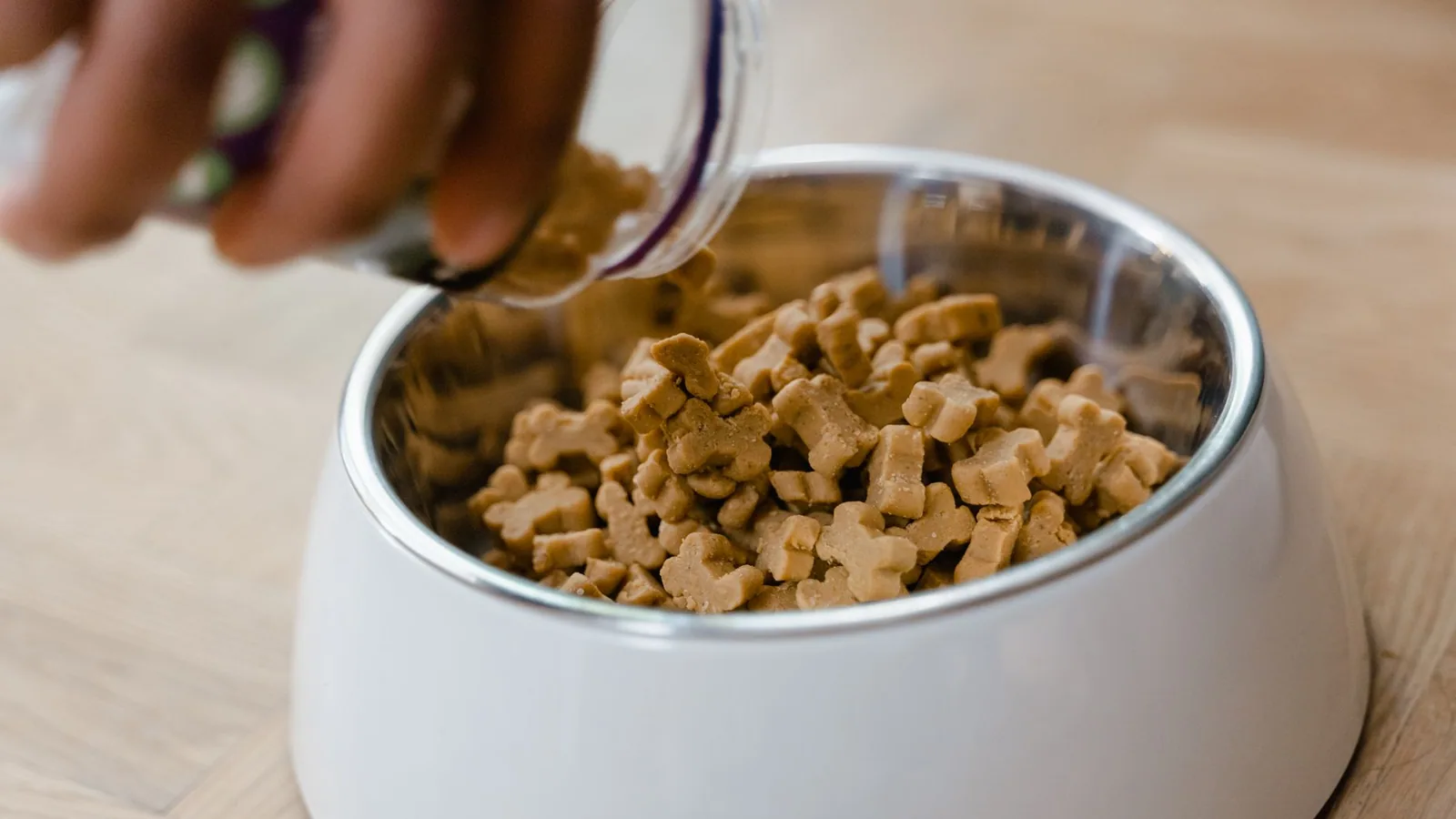
- Commercial dog treats made with natural ingredients
Always introduce new foods gradually and in moderation, and consult your veterinary team for personalised dietary advice. The FVE (Federation of Veterinarians of Europe) and other international bodies advocate for species-appropriate nutrition as the cornerstone of preventive healthcare.
Expert Consensus
International veterinary consensus, as reflected by the AVMA, AAHA, CVMA, AVA, and FVE, all support the same principle: human sugary cereals should not be fed to dogs. While strawberry Cheerios are not acutely toxic, they offer no nutritional value and carry unnecessary risks. Prioritising a complete and balanced canine diet, along with approved treats, is the safest way to support your dog’s long-term health and wellbeing.
The answer to “can dogs eat strawberry Cheerios” is a cautious no. For an occasional, safe treat, stick to dog-friendly fruits or vegetables. Your pet’s digestive system and waistline will thank you.