Korean Jindo Dog: Breed Traits and Health
By Dr. Zubair Khalid, DVM, MS, PhD ·
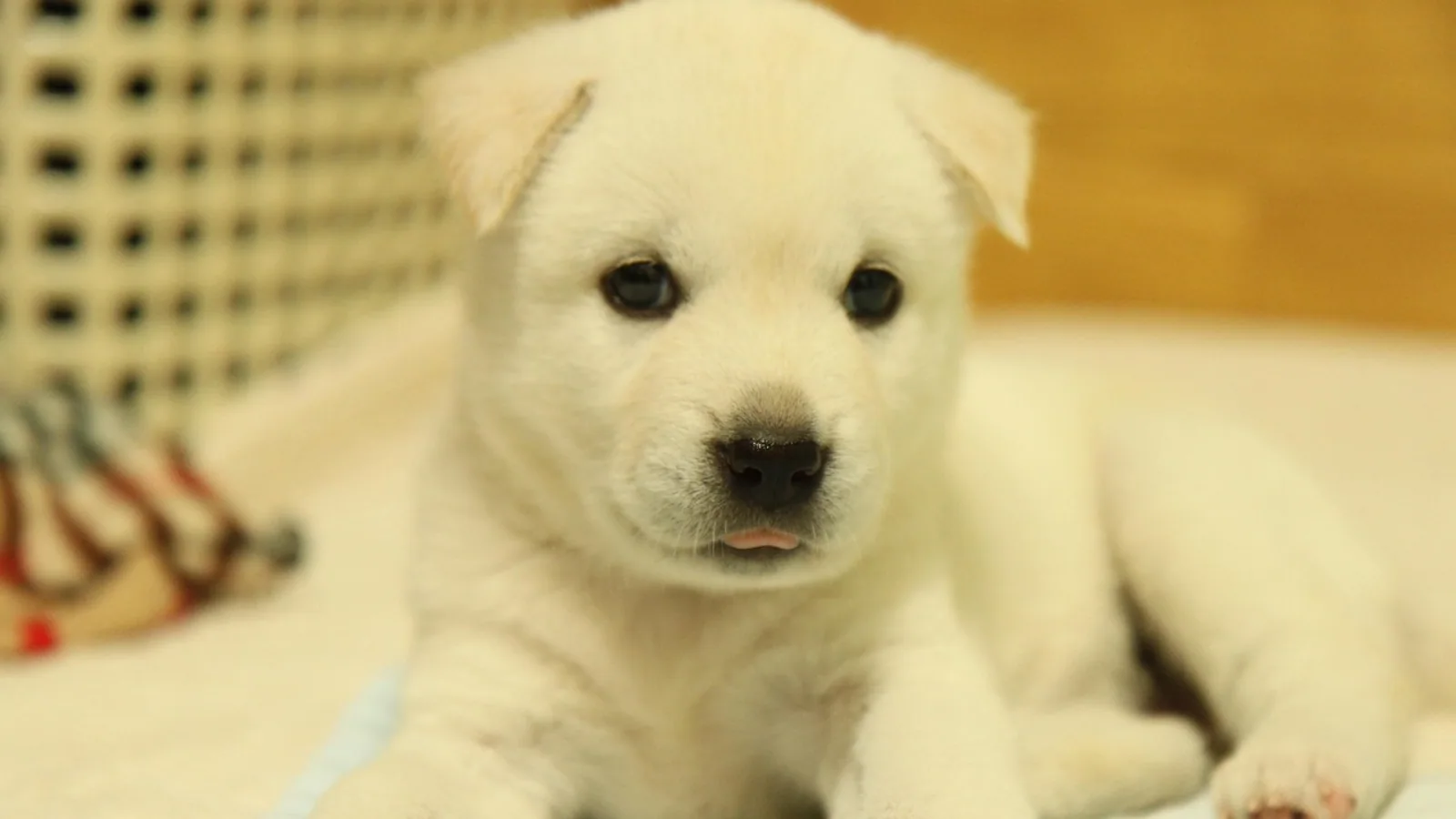
The Korean Jindo Dog is a medium to large spitz-type breed that developed on Jindo Island off the southwest coast of the Korean peninsula. It is a Korean Natural Monument breed, which means the official Jindo is a defined population with documented ancestry, not simply any dog of Korean origin. The breed is known for a double coat, erect ears, a curled or sickle tail, intense territorial loyalty, and a strong prey drive. Jindos are clean, quiet, and deeply bonded to their families, but they are not a casual first dog for every household. They need secure fencing, early socialization, structured exercise, and owners who understand that a hunting spitz thinks independently.
This breed profile covers the Jindo's history and purpose, appearance and coat color variants, temperament, exercise and training needs, grooming, feeding, inherited and common health problems with screening recommendations, and how to find a responsible breeder or rescue. It also explains the difference between the official Jindo and the broader Korean native dog population, because that distinction matters when you are evaluating a puppy, a pedigree, or a health screening plan.
This article is educational and is not a substitute for veterinary diagnosis or treatment.
At a Glance
| Attribute | Detail |
|---|---|
| Origin | Jindo Island, South Korea |
| Breed status | Korean Natural Monument, official breed registry population |
| Type | Spitz, hunting and companion dog |
| Size | Medium to large |
| Height and weight | Varies with bloodline. Genetic studies treat height and body weight as polygenic traits in this breed [1] |
| Coat | Double coat, seasonal shedding, heavy coat blow |
| Common colors | White, brindle, black and tan, and other recognized patterns [2] |
| Temperament | Loyal, territorial, alert, independent, strong prey drive |
| Energy level | Moderate to high, needs daily structured exercise |
| Grooming | Regular brushing, intensive during seasonal shedding |
| Trainability | Capable but independent. Requires consistency and early socialization |
| Good with children | Possible with supervision and training. Not a breed to leave alone with unfamiliar children |
| Good with other pets | Often difficult with small animals because of prey drive |
| Genetic diversity | High relative to many pure breeds [3][4] |
| Health screening priorities | Hip evaluation, patellar evaluation, thyroid testing, skin and coat examination |
History and Purpose
The Jindo developed as an island hunting and guard dog. The breed's traditional role shaped its temperament. Jindos worked alongside hunters, guarded property, and survived in a relatively isolated gene pool. That isolation helped produce a recognizable breed type, and it also created a population that geneticists have studied as a distinct Korean native breed.
Genetic work on Korean dogs places the Jindo among the Korean native breeds with a close relationship to other East Asian dogs. A microsatellite study of East Asian native dogs found the highest genetic diversity among Korean native dogs and grouped the Sapsaree and the Jindo together before linking them with the Eskimo dog [3]. A separate microsatellite analysis of five breeds in South Korea reported high overall genetic diversity and the highest mean polymorphism information content in Jindos, which supports the breed's usefulness for parentage testing and pedigree verification [4].
The Jindo's island origin is also visible in its mitochondrial DNA. An early study of 21 Jindo dogs on Jindo Island identified four mitochondrial DNA types that clustered together, and the authors concluded the breed was considerably pure at that time [5]. More recent whole-genome sequencing of the Jindo produced a high-coverage assembly and identified millions of variants relative to the boxer reference genome, including variants in the TCOF1 locus that may influence cranial facial morphology and a set of olfactory receptor genes that likely affect smelling capability [6]. Another genomic study identified Jindo-specific single nucleotide polymorphisms in genes expressed in liver and brain tissue [7].
Coat color has its own evolutionary story in this breed. Deep sequencing of 113 Korean Indigenous Jindo dogs across five color patterns identified mutations in CBD103, ASIP, and MC1R [2]. The same study found that black-and-tan dogs descend from the first major founding population on Jindo Island and that black-and-tan dogs showed a closer genetic affinity to ancient wolves from western Eurasia than to those from eastern Eurasia [2]. The authors also reported that alleles unique to black-and-tan dogs had a pleiotropic effect that significantly decreased body size phenotypes compared with non-carriers [2]. That finding is a useful reminder that coat color and body size can be genetically linked in this breed, and it explains why black-and-tan Jindos may be smaller on average than dogs of other color patterns.
The Official Jindo and the Korean Native Dog Population
The Korean Jindo Dog is a specific breed with a defined origin, a breed standard, and protected status as a Korean Natural Monument. The broader category of Korean native dogs includes other populations such as the Donggyeong dog, the Sapsaree, and the Poongsan. Genetic studies show these Korean native breeds are related but distinct. A microsatellite study of the Donggyeong dog found the closest genetic distance between the Donggyeong and the Jindo, while the longest distance was between the Donggyeong and the Bulgae [8]. The same study found two distinct clusters separating Korean native dogs from foreign breeds [8].
This distinction has practical consequences. A dog described as a Korean native dog may not be a Jindo. A dog described as a Jindo may or may not be registered with a recognized breed organization. If you want the breed traits described in this article, including the specific health screening recommendations, ask for registration documentation and pedigree records. If you are adopting a Korean rescue dog of unknown background, treat the dog as an individual and use veterinary screening rather than assuming breed-specific risks.
Appearance and Coat
The Jindo is a spitz. It has a wedge-shaped head, erect triangular ears, a strong muzzle, and a tail that curls over the back or forms a sickle shape. The body is balanced and athletic, built for endurance rather than speed. The breed's size is genetically complex. A genome-wide association study of 757 dogs identified candidate genes for height, length, length-to-height ratio, and body weight in the Jindo, including HHIP, LCORL, and NCAPG for height, IGFI and FGFR3 for length, and PTPN2, IGFI, and RASAL2 for weight [1]. Genomic heritability estimates were 0.33 for height and 0.28 for weight, which means both traits are moderately heritable and influenced by many genes [1]. In practical terms, Jindo size varies with bloodline, sex, and color pattern, so evaluate the parents and the pedigree rather than relying on a single number.
The double coat is a defining feature. Jindos carry a dense undercoat and a longer, harsher outer coat. The coat protects against cold and water, and it sheds heavily once or twice a year in a seasonal coat blow. During a coat blow, undercoat comes out in large tufts and the dog can look patchy for a few weeks. This is normal, not a skin disease, but it requires daily brushing and more frequent cleaning of the home.
Coat colors in the breed include white, brindle, black and tan, and other recognized patterns. The white Jindo is iconic, but it is not the only authentic color. The genomic study of coat color variation confirmed that multiple color patterns exist within the same breed and that they arose through mutations and selective breeding [2]. If a breeder tells you that only white Jindos are real Jindos, that claim is not supported by the breed's genetics.
Temperament and Behavior
The Jindo is loyal, alert, and territorial. It forms a strong bond with its family and can be reserved or suspicious with strangers. That reserve is part of the breed's history as a guard dog. It is not aggression by default, but it does mean the breed needs deliberate socialization from puppyhood so that suspicion does not harden into fear or reactivity.
Prey drive is strong. Jindos were bred to hunt, and many will chase cats, rabbits, squirrels, birds, and other small animals. Some Jindos can live safely with cats if they are raised with them from a young age, but this is not guaranteed. A Jindo with high prey drive may never be safe with small pets, and owners should plan accordingly.
The breed is intelligent and independent. Jindos learn quickly, but they do not always comply quickly. They are not a breed that responds well to harsh training. They respond best to clear rules, consistent rewards, and short sessions that keep the dog engaged. Because they are territorial, they may guard the home, the yard, and the family car. This makes them excellent watchdogs and poor candidates for off-leash life in unfenced areas.
Jindos are often described as clean and easy to house-train. They tend to avoid soiling their living space and groom themselves like cats. This trait makes them pleasant indoor companions, but it does not replace the need for daily outdoor exercise and mental work.
Jindos and Children
A well-socialized Jindo can live with children, but the match requires supervision and training. The breed's territorial nature and strong bond with its primary family mean it may protect resources or space around its people. Children should be taught to respect the dog's resting areas and food bowl. A Jindo that has not been socialized with children may be uncomfortable with unpredictable movement and noise. Families with young children should prioritize a breeder or rescue that evaluates temperament and provides honest placement counseling.
Jindos and Other Pets
Small pets are a risk because of prey drive. Same-sex Jindos can also clash, particularly if both are territorial. Early socialization, careful introductions, and separate feeding areas help, but some Jindos are simply better as the only dog in the home. Discuss the individual dog's history with the breeder or foster caregiver before bringing it home.
Exercise and Training Needs
The Jindo needs daily exercise that satisfies both its body and its mind. A bored Jindo will dig, escape, patrol, or bark. A well-exercised Jindo is calmer indoors and easier to train. Exercise should include structured walks, sniffing time, and controlled running in a securely fenced area. Because the breed has strong prey drive and a history of roaming, off-leash exercise in open areas is unsafe for most Jindos.
Training should begin early. Puppy socialization classes, positive reinforcement, and gradual exposure to new people, places, sounds, and surfaces build a confident adult dog. Jindos are capable learners, but they are not eager to please in the way a retriever is. They need a reason to cooperate. Food rewards, toy rewards, and clear timing work better than pressure or repetition.
Mental work matters as much as physical exercise. Puzzle feeders, scent games, obedience skills, and controlled tug or fetch sessions give the dog a job. Jindos that are given no job will invent one, and the invented job is usually digging, escaping, or guarding.
Secure containment is non-negotiable. Jindos are known for climbing, digging under fences, and slipping through gates. A fence should be tall enough and deep enough to prevent escape, and gates should be self-latching. Owners should also check local laws and homeowner association rules about fencing and containment before choosing this breed.
Grooming and Coat Care
Grooming a Jindo is straightforward most of the year and demanding during shedding season. The double coat should be brushed two to three times per week to remove loose hair and distribute skin oils. During a coat blow, daily brushing with an undercoat rake removes the loosened undercoat and reduces the amount of hair in the home. Bathing should be infrequent unless the dog is dirty or has a skin condition, because frequent bathing can strip the coat and dry the skin.
Nails should be trimmed every few weeks. Ears should be checked weekly and cleaned when needed, particularly in dogs that swim or have heavy ear canals. Teeth should be brushed regularly, and a veterinarian can advise on professional dental cleaning intervals based on the individual dog's mouth.
The white coat variant deserves specific attention. White coats can show dirt, tear staining, and skin redness more readily than darker coats. White-coated dogs can also be more prone to sun exposure on the nose and ear tips. Owners should monitor these areas and discuss sun protection with a veterinarian.
Feeding Considerations
Jindos are efficient, athletic dogs. They do not need high-volume feeding, and obesity is a risk if the dog's exercise does not match its intake. Feed a complete and balanced diet appropriate for the dog's life stage, and adjust portions based on body condition rather than bowl size. You should be able to feel the ribs without pressing hard and see a waist from above.
The gut microbiome of the Jindo changes with age. A study of fecal microbiota in 4-month-old and 16-month-old Jindo dogs found that the younger group had a relatively high distribution of Lactobacillus, while the older group had a relatively high distribution of Bacteroides [9]. Microbial function prediction showed relatively abundant lipid metabolism in the 4-month-old dogs and glucose metabolism in the 16-month-old dogs [9]. This is a normal developmental shift, not a disease. It does support the general principle that puppy diets and adult diets serve different metabolic needs, and it is one reason to transition from puppy food to adult food on a schedule your veterinarian recommends.
Diet changes should be gradual. Sudden changes can cause gastrointestinal upset. If your Jindo has persistent diarrhea, vomiting, weight loss, or a dull coat, contact a veterinarian. Do not add supplements or homemade ingredients without veterinary guidance, because unbalanced additions can cause more harm than good.
Inherited and Common Health Problems
The Jindo is a genetically diverse breed relative to many purebred dogs, which is good news for overall health [3][4]. Genetic diversity does not eliminate disease risk. It means that some breed-wide problems are less common than in tightly bred populations, while other conditions still appear and should be screened.
A genome-wide analysis of native Korean dog breeds evaluated disease-associated mutations in DongGyeongi, Sapsaree, and Jindo dogs using whole-genome sequencing data from 32 individuals [10]. The study identified variants in the T gene associated with the bobtail phenotype, in SLC2A9 associated with urolithiasis, in BTBD17 associated with abortion, and in MLPH associated with coat color dilution [10]. The BTBD17 mutant allele was present in all breeds studied at a frequency of 0.33, while the MLPH mutant allele was found only in DongGyeongi and Sapsaree [10]. This work shows that DNA-based screening for hereditary variants is feasible in Korean native breeds and that carrier status can be identified before breeding decisions are made. If you are buying a puppy from a breeder, ask whether the parents have been screened for known breed-relevant variants and whether the results are documented.
Hip Dysplasia
Hip dysplasia is a developmental disorder in which the hip joint does not form properly, leading to looseness, pain, and osteoarthritis. It is a concern in medium and large breeds, including the Jindo. The Jindo's body size is genetically influenced by multiple loci [1], and larger, heavier dogs place more load on the hip joints. Signs include reluctance to rise, difficulty on stairs, a bunny-hopping gait, stiffness after rest, and decreased willingness to exercise.
Screening is done with hip radiographs evaluated by a veterinary orthopedic registry or by a veterinarian experienced in hip scoring. The Orthopedic Foundation for Animals and similar organizations provide standardized evaluation. Breeding dogs should have hip radiographs before breeding. Owners of pet Jindos should discuss hip screening with their veterinarian if the dog shows lameness, stiffness, or exercise intolerance. Management typically includes weight control, controlled exercise, physical rehabilitation, and pain management. Severe cases may be referred to a veterinary surgeon for evaluation of procedures such as total hip replacement.
Patellar Luxation
Patellar luxation is a condition in which the kneecap slips out of its normal groove. It can be medial or lateral, and it can be congenital or acquired. Small breeds are most commonly affected, but medium and large breeds can also develop it. Signs include intermittent skipping or hopping on a hind leg, a sudden yelp, reluctance to bear weight, and a leg that locks briefly and then returns to normal.
Diagnosis is made by physical examination. A veterinarian will palpate the knee and grade the luxation. Radiographs may be used to assess bone alignment and secondary arthritis. Mild cases may be managed with weight control, joint support, and activity modification. More severe or painful cases may require surgical correction. Breeding dogs should have patellar evaluation as part of a pre-breeding screening program.
Hypothyroidism
Hypothyroidism is a common endocrine disorder in dogs. It occurs when the thyroid gland does not produce enough thyroid hormone. The classic signs are weight gain without increased food intake, lethargy, cold intolerance, a dull or thinning coat, and skin changes. Some dogs develop recurrent skin infections or ear infections because thyroid hormone supports normal skin and immune function.
Diagnosis requires blood testing. A veterinarian will typically measure thyroid hormone levels and may run additional tests to rule out non-thyroidal illness and medication effects. Treatment is lifelong thyroid hormone replacement, with dose adjustments based on follow-up blood testing. Dogs on thyroid medication generally improve in energy, coat quality, and weight regulation. Hypothyroidism is manageable, but it must be diagnosed and monitored by a veterinarian.
Dermatological Issues
Skin problems are a common reason Jindos visit a veterinarian. The double coat traps moisture and heat, and it can hide early lesions. Allergic skin disease, including environmental allergies and food allergies, can cause itching, redness, hair loss, and recurrent ear infections. Bacterial and yeast infections can develop secondary to allergies or to thyroid disease. Parasites such as fleas, mites, and ticks can also cause skin disease, and they are preventable with year-round parasite control.
The seasonal coat blow can be mistaken for abnormal shedding. Normal coat blow is symmetrical, seasonal, and not accompanied by itching, redness, crusting, or odor. Abnormal shedding is patchy, persistent, or accompanied by skin changes. If your Jindo has itching, hair loss, a bad odor, or recurring skin infections, schedule a veterinary examination. Diagnosis may include skin scrapings, cytology, fungal culture, allergy testing, or a diet trial. Treatment depends on the cause and may include parasite control, medicated shampoos, antibiotics, antifungals, antihistamines, steroids, or immunotherapy.
Other Health Concerns
Jindos can develop cancer, as all dogs can. A case report described a 10-year-old spayed female Korean Jindo with unresectable metastatic urethral transitional cell carcinoma that was treated with the multi-tyrosine kinase inhibitor sorafenib [11]. The tumor carried the B-RAF V595E mutation, and circulating cell-free tumor DNA was used to monitor treatment response [11]. This is a single case, not a statement about cancer risk in the breed. It does show that molecular testing and targeted therapy are part of modern veterinary oncology and that Jindos can receive advanced care when cancer is diagnosed.
Dental disease, ear disease, and anal gland problems occur in the breed as they do in other dogs. Routine veterinary examinations, dental care, and parasite prevention reduce the risk of these common problems.
Screening Recommendations
Screening is the process of checking a dog for a health problem before signs appear or before breeding. For Jindos, the core screening priorities are hip evaluation, patellar evaluation, thyroid testing, and skin and coat examination. Breeding dogs should also be screened for known hereditary variants where tests are available, including the variants identified in native Korean breeds [10].
| Screening Test | Purpose | When to Discuss |
|---|---|---|
| Hip radiographs | Evaluate hip joint conformation and dysplasia | Before breeding, or if lameness or stiffness appears |
| Patellar palpation | Detect kneecap luxation | Before breeding, and at routine wellness exams |
| Thyroid panel | Detect hypothyroidism | If weight gain, lethargy, or coat changes appear |
| Skin and coat examination | Identify allergies, infections, parasites | At every wellness exam and whenever itching or hair loss appears |
| Genetic carrier testing | Identify disease-associated variants | Before breeding, using tests relevant to the breed |
| Fecal examination | Detect intestinal parasites | At routine wellness exams and after diarrhea |
| Heartworm and tick-borne disease testing | Detect preventable and vector-borne infections | According to your veterinarian's parasite prevention plan |
The AAHA wellness guidelines emphasize life-stage-based preventive care, including physical examination, vaccination, parasite control, and screening tests appropriate to the individual dog. Your veterinarian can tailor the schedule to your Jindo's age, lifestyle, and travel history.
Lifespan and Aging
The sources used for this article do not provide a verified breed-specific lifespan figure for the Jindo, so no number is given here. Lifespan depends on genetics, body size, diet, dental care, parasite prevention, and access to veterinary care. Larger dogs generally age faster than smaller dogs, and the Jindo is a medium to large breed.
Senior Jindos benefit from more frequent veterinary examinations. Aging changes to watch for include reduced activity, stiffness, weight change, dental disease, vision or hearing changes, and changes in appetite or thirst. Early detection of arthritis, thyroid disease, kidney disease, and cancer improves the options for management. Ask your veterinarian when to transition your Jindo to a senior wellness plan.
Finding a Responsible Breeder or Rescue
A responsible Jindo breeder prioritizes health, temperament, and breed preservation. Ask for registration documentation, pedigree records, and health screening results for the parents. Ask what health tests were performed, when they were performed, and whether the results are available for review. Ask about the temperament of the parents and how the puppies are socialized. A breeder who cannot or will not share health documentation is a risk.
Visit the puppies and the mother if possible. A clean environment, healthy-looking dogs, and honest answers are good signs. A breeder who lets you take a puppy home before it is old enough to be separated from its mother is not following good practice. Puppies need time with their littermates and mother to develop normal social behavior.
Rescue is a strong option for this breed. Jindo rescues in the United States and Korea place dogs of all ages, including adults with known temperaments. An adult rescue can be a better fit for a household that wants to know the dog's personality before committing. Ask the rescue about the dog's history with children, cats, other dogs, and strangers. Ask whether the dog has been screened for heartworm and other parasites. Ask about the dog's exercise needs and escape behavior.
If you are importing a dog from Korea, work with a veterinarian and follow United States import requirements, including rabies vaccination and health certification. The CDC and USDA set the rules for dog importation, and these rules change. Confirm current requirements before travel.
Who Should Not Get This Breed
The Jindo is not the right breed for every household. You should reconsider this breed if any of the following applies to you.
- You cannot provide a securely fenced yard or a reliable containment system. Jindos are escape artists.
- You want a dog that can be trusted off leash in open areas. Prey drive makes this unsafe for most Jindos.
- You have small pets and cannot manage prey drive. Some Jindos will never be safe with cats or small animals.
- You have very young children and cannot supervise closely. The breed's territorial nature requires careful management.
- You want a dog that obeys immediately and eagerly. Jindos are independent thinkers.
- You cannot commit to daily exercise and mental enrichment. A bored Jindo is destructive.
- You are not prepared for seasonal coat blow. The shedding is heavy and predictable.
- You cannot afford routine and emergency veterinary care. Large breeds cost more to treat, and chronic conditions such as hypothyroidism require lifelong monitoring.
Limitations and When to Contact a Veterinarian
This article provides general breed information. Individual dogs vary in temperament, size, and health. Your veterinarian can assess your specific dog and recommend a plan.
Contact a veterinarian promptly if your Jindo has any of the following.
- Lameness, stiffness, difficulty rising, or reluctance to climb stairs
- Intermittent skipping or hopping on a hind leg
- Weight gain without increased food intake, lethargy, or cold intolerance
- Coat thinning, dull coat, or symmetrical hair loss
- Itching, redness, crusting, odor, or recurrent skin or ear infections
- Vomiting, diarrhea, or loss of appetite lasting more than 24 hours
- Difficulty urinating, straining to urinate, or blood in the urine
- Coughing, exercise intolerance, or difficulty breathing
- Seizures, disorientation, or sudden behavior change
- Any new lump, wound, or swelling that does not resolve
Seek emergency veterinary care for collapse, severe bleeding, suspected poisoning, bloat, or difficulty breathing. Do not wait for a routine appointment when a dog is in distress.
Frequently Asked Questions
Is the Korean Jindo a good family dog?
A well-socialized Jindo can be a devoted family dog. The breed bonds strongly with its family and is territorial, so it needs early socialization and supervision with children. It is not a casual dog for every household.
Do Jindos shed a lot?
Yes. Jindos have a double coat and shed heavily during seasonal coat blows. Expect daily brushing and extra cleaning during those periods. Outside shedding season, routine brushing two to three times per week is usually enough.
Are Jindos good with cats?
It depends on the individual dog. Jindos have a strong prey drive, and many will chase or harm small animals. Some Jindos raised with cats from puppyhood can coexist, but this is not guaranteed.
What health problems are common in Jindos?
Hip dysplasia, patellar luxation, hypothyroidism, and dermatological issues are the main concerns discussed in this article. Jindos are also at risk for the same cancers, dental disease, and parasite problems as other breeds.
Do Jindos need a lot of exercise?
Yes. Jindos need daily structured exercise and mental enrichment. A bored Jindo may dig, escape, or bark. Secure containment is essential because the breed is known for escaping.
Are white Jindos the only true Jindos?
No. White is one recognized color, but the breed also includes brindle, black and tan, and other patterns. Genetic research confirms multiple color patterns within the same breed.
Is the Jindo the same as a Korean native dog?
No. The Jindo is a specific breed with a defined origin and protected status. Korean native dogs include other breeds and populations, such as the Donggyeong dog and the Sapsaree, which are genetically related but distinct.
Should I get a Jindo from a breeder or a rescue?
Both are valid options. A responsible breeder provides health screening and pedigree documentation. A rescue can place an adult dog with a known temperament. In both cases, ask about health history, temperament, and screening results before committing.
Related Articles
- Goat Genetics and Breeding: Selection for Production and Health Traits
- trait biology definition
- Trait Biology
- trait in biology
- traits biology definition
- Hairless Cat: Care, Health, and Breed Guide
Sources
- Insight into the Candidate Genes and Enriched Pathways Associated with Height, Length, Length to Height Ratio and Body-Weight of Korean Indigenous Breed, Jindo Dog Using Gene Set Enrichment-Based GWAS Analysis.
- Deep sequencing of Korean Jindo dog reveals evolutionary trajectory of coat color variations.
- Genetic variability in East Asian dogs using microsatellite loci analysis.
- Microsatellite loci analysis for the genetic variability and the parentage test of five dog breeds in South Korea.
- Mitochondrial DNA polymorphism in Jindo dogs.
- Genome analysis of the domestic dog (Korean Jindo) by massively parallel sequencing.
- Functional analysis of expressed sequence tags from the liver and brain of Korean Jindo dogs.
- Molecular genetic diversity of the Gyeongju Donggyeong dog in Korea.
- Insight into the Fecal Microbiota Signature Associated with Growth Specificity in Korean Jindo Dogs Using 16S rRNA Sequencing.
- PCR-based detection of hereditary mutations in SLC2A9, BTBD17, and NECAP1 among native Korean dog breeds.
- Longitudinal assessment of B-RAF V595E levels in the peripheral cell-free tumor DNA of a 10-year-old spayed female Korean Jindo dog with unresectable metastatic urethral transitional cell carcinoma for monitoring the treatment response to a RAF inhibitor (sorafenib).