Icelandic Sheepdog Breed Health and Care
By Dr. Zubair Khalid, DVM, MS, PhD ·
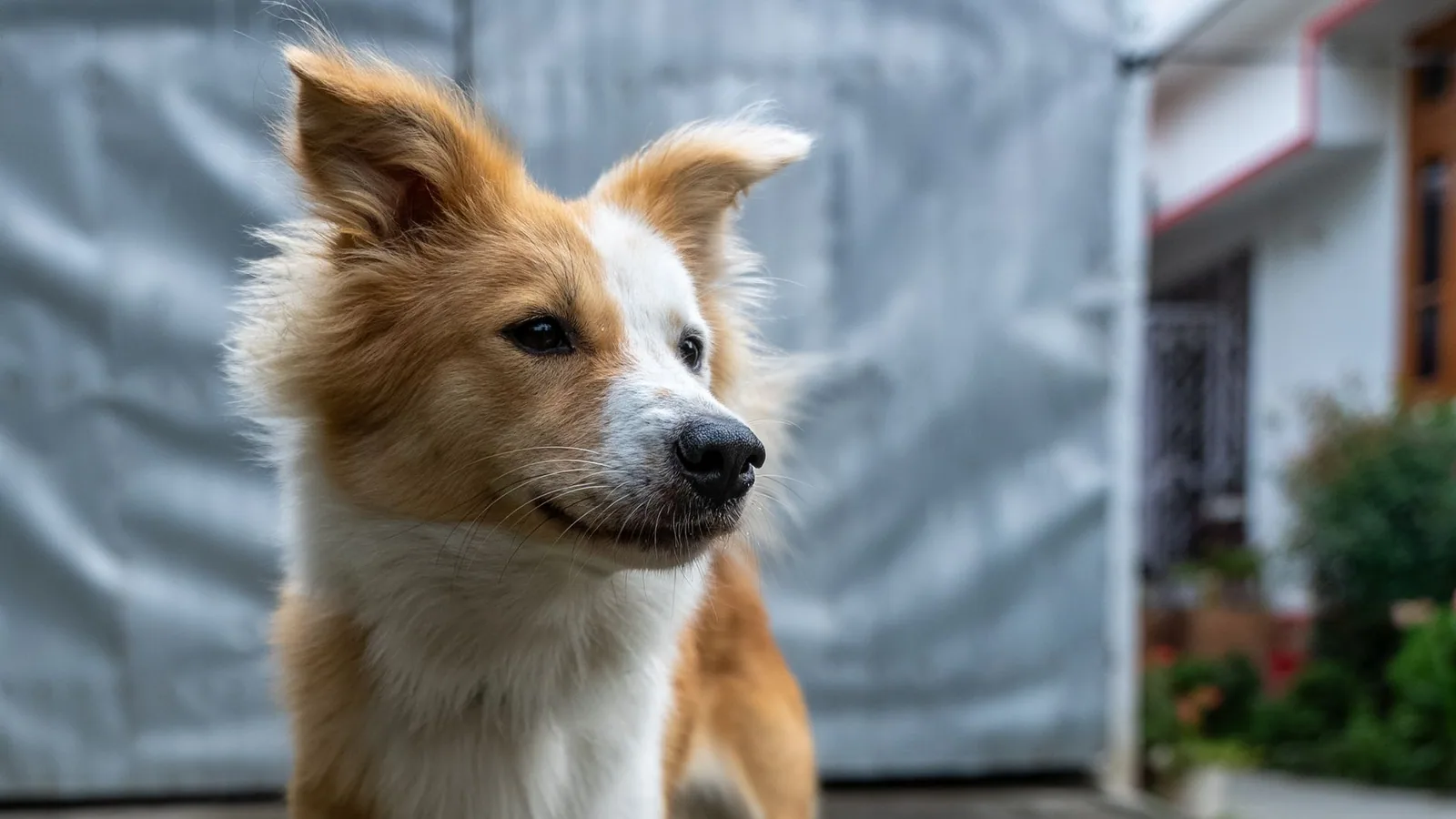
The Icelandic Sheepdog is a friendly, intelligent, and hardworking spitz-type herding dog from Iceland. It is the only dog breed native to that country, and it has worked alongside Icelandic farmers for centuries. For a US pet owner, this breed offers a loyal companion with a striking double coat, a curled tail, and an upbeat personality.
Health planning for an Icelandic Sheepdog starts with understanding its genetic background. The breed passed through a severe population bottleneck in the 20th century, and researchers have studied the effects of inbreeding on the breed's health [1]. That history does not mean every Icelandic Sheepdog will develop a genetic condition. It does mean owners should be proactive about preventive care, screening, and responsible breeding choices.
This guide covers the health conditions commonly discussed for the breed, the preventive care schedule recommended by veterinary organizations, and the day to day care tasks that keep an Icelandic Sheepdog thriving. Use it as a starting point, and build a relationship with a veterinarian who knows your dog.
At a Glance: Icelandic Sheepdog Health and Care Checklist
| Area | What owners should know |
|---|---|
| Breed type | Spitz-type herding dog, the only native dog breed of Iceland |
| Genetic history | Recently bottlenecked population with elevated inbreeding [1] |
| Lifespan | Often reported as 12 to 15 years; your veterinarian can give a personalized estimate |
| Exercise | Daily physical activity plus mental enrichment |
| Grooming | Double coat needs regular brushing, more often during seasonal sheds |
| Preventive care | Annual exams, core vaccines, parasite prevention, dental care |
| Screening | Hip, eye, and patella screening; ask your veterinarian about timing |
| Training | Positive reinforcement with early socialization |
A good starting plan for a new Icelandic Sheepdog owner:
- Schedule a wellness exam within the first week of bringing your dog home.
- Confirm the vaccine and parasite prevention schedule with your veterinarian.
- Set up a grooming routine with the right tools.
- Ask your veterinarian which breed-specific screenings are recommended.
- Plan daily exercise and mental enrichment from day one.
Breed Overview: A Hardy Herding Dog With a Narrow Gene Pool
The Icelandic Sheepdog, called Íslenskur fjárhundur in Icelandic, is a medium-sized spitz-type dog. It has a thick double coat, a curled tail carried over the back, and an alert, friendly expression. The breed was developed to work livestock, and it is known for its stamina, agility, and willingness to please.
The breed's history in Iceland goes back centuries, but its modern population is small. Researchers describe the Icelandic sheepdog as a recently bottlenecked population of domestic dogs [1]. A population bottleneck happens when a large population is reduced to a small number of breeding animals. The surviving animals become the founders of the next generation, and their genetic material is all that remains. This process lowers genetic diversity and can concentrate harmful recessive traits.
For the Icelandic Sheepdog, the bottleneck is not just a historical footnote. It shapes the breed's genetic health today. Breeders who understand this history can make decisions that protect the breed's future, and owners who understand it can make informed choices about screening and care.
Genetic Health and Inbreeding in the Icelandic Sheepdog
The genetic health of the Icelandic Sheepdog has been the subject of direct scientific study. A 2008 study published in Conservation Genetics examined correlated pedigree and molecular estimates of inbreeding and their ability to detect inbreeding depression in the breed [1]. The study treated the Icelandic sheepdog as a recently bottlenecked population and compared two ways of measuring inbreeding [1].
Pedigree-Based Inbreeding Estimates
Pedigree-based inbreeding coefficients are calculated from recorded family trees. When a dog's parents share ancestors, the coefficient reflects how much of that dog's genetic material is identical by descent. Pedigree records are useful, but they depend on the accuracy and completeness of the recorded family history. Gaps in a pedigree can lead to underestimates of inbreeding.
Molecular (DNA-Based) Inbreeding Estimates

Molecular estimates use DNA markers to measure genetic diversity directly. Instead of relying on written records, these methods compare genetic material across many locations in the genome. Molecular estimates can capture relatedness that pedigree records miss, especially in a breed with a small founder population.
The Icelandic Sheepdog study compared these two approaches and looked at whether they could detect inbreeding depression, the reduced health and fitness that can occur when closely related animals are bred [1]. For owners, the practical takeaway is that the breed's genetic diversity is limited and that responsible breeding decisions matter.
What Inbreeding Means for Your Dog
Inbreeding depression can affect traits such as fertility, litter size, immune function, and overall vigor. It can also increase the likelihood of inherited diseases. Not every Icelandic Sheepdog will be affected, and many live long, healthy lives. But the breed's small gene pool means that genetic health should be part of every conversation about breeding and purchasing a puppy.
If you are buying a puppy, ask the breeder how they manage genetic diversity. A responsible breeder should be able to discuss pedigree information, health clearances, and the steps they take to avoid mating closely related dogs [1]. If you are adopting, ask the rescue for any available health history.
Common Health Conditions to Discuss With Your Veterinarian
No breed is free of health problems, and the Icelandic Sheepdog is no exception. The conditions below are commonly discussed for this breed by veterinarians and breed organizations. Your veterinarian is the best source of information about which screenings your dog needs and when.
Orthopedic Conditions
Hip dysplasia is a developmental condition in which the hip joint does not fit together properly. Over time, the joint wears unevenly, leading to pain, lameness, and arthritis. Signs include difficulty rising, reluctance to jump or climb stairs, and a bunny hopping gait. Screening for hip dysplasia typically involves radiographs, and your veterinarian can explain the options, including OFA and PennHIP evaluations.
Patellar luxation is a condition in which the kneecap slips out of its normal groove. It is seen in many small and medium breeds. Signs include intermittent skipping or holding up a hind leg. Mild cases may not need treatment, while more severe cases may require surgery. Your veterinarian can assess your dog's knees during a physical exam.
Eye Conditions
Several eye conditions are seen in spitz-type breeds. Cataracts cause the lens of the eye to become cloudy and can lead to vision loss. Luxating lens is a serious condition in which the lens moves out of its normal position and requires urgent veterinary care. Progressive retinal atrophy is a group of diseases that cause the retina to deteriorate over time, leading to blindness. Distichiasis is a condition in which extra eyelashes grow along the eyelid margin and irritate the eye.
Annual eye examinations by a veterinary ophthalmologist can catch these problems early. Contact your veterinarian promptly if your dog squints, has red or cloudy eyes, excessive tearing, or seems to have trouble seeing.
Endocrine Conditions
Hypothyroidism is an underactive thyroid gland. It can cause weight gain, lethargy, hair loss, and skin infections. Diagnosis is made with a blood test, and treatment usually involves daily medication. With proper treatment, most dogs do very well.
Urinary Conditions
Cystinuria is a condition that can cause bladder stones made of cystine. It is seen in some Nordic and herding breeds. Signs include straining to urinate, blood in the urine, and urinating in small amounts and more often than usual. Bladder stones can block the urethra, which is a medical emergency. If you notice any of these signs, contact your veterinarian right away.
Dental Disease
Periodontal disease is the most common health problem in dogs. It starts with plaque and tartar buildup and progresses to inflammation of the gums and loss of the supporting structures of the teeth. Dental disease does not just affect the mouth. It can contribute to heart, kidney, and liver problems. Daily tooth brushing and regular professional dental cleanings are the foundation of dental care.
Allergies and Skin Conditions
Some Icelandic Sheepdogs develop allergies, which can cause itchy skin, recurrent ear infections, and hot spots. Allergies can be environmental, food related, or caused by flea bites. Your veterinarian can help identify the cause and recommend a management plan.
Icelandic Sheepdog Preventive Care Schedule
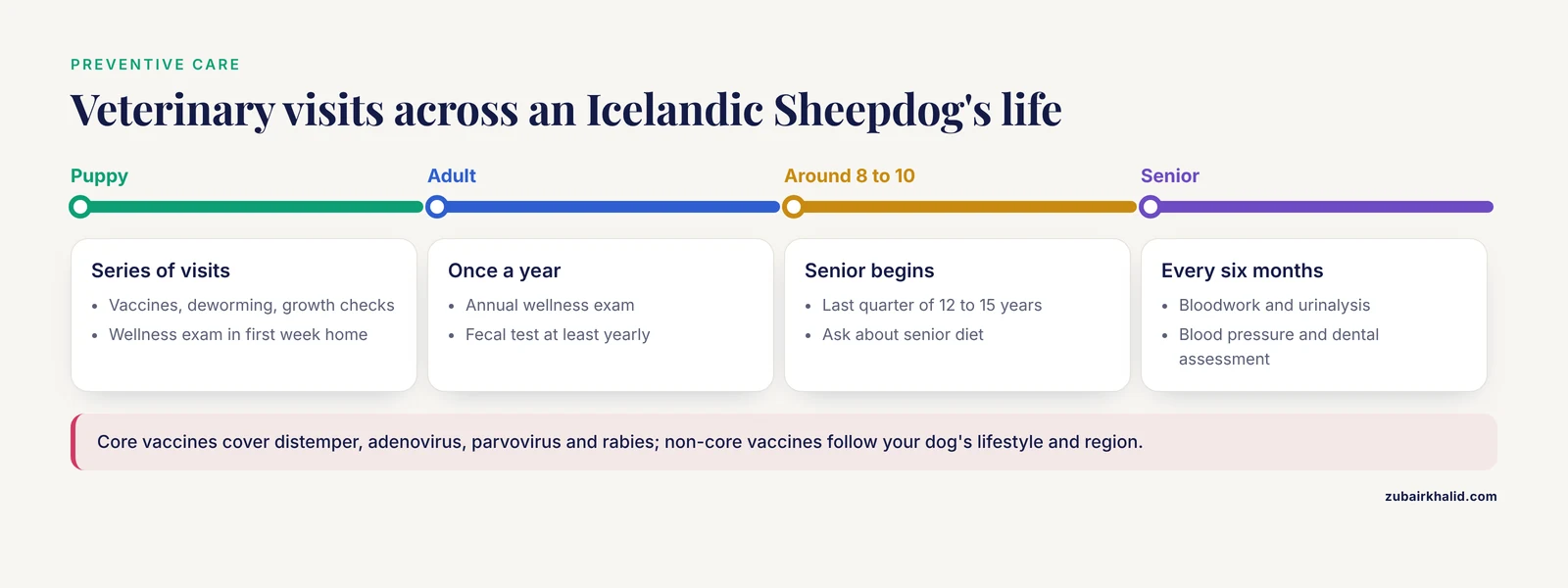
Preventive care is the most effective way to keep an Icelandic Sheepdog healthy. According to the AAHA Canine Life Stage Guidelines, adult dogs should have a veterinary examination at least once a year, and senior dogs may need checkups every six months. Puppies need a series of visits for vaccines, deworming, and growth checks.
Wellness Examinations
A wellness exam is more than a quick look. Your veterinarian will check your dog from nose to tail, including the heart, lungs, ears, eyes, skin, teeth, and joints. It is also a chance to discuss nutrition, behavior, and any concerns you have. Regular exams help catch problems early, when they are easier and less expensive to treat.
Vaccinations
Core vaccines protect against distemper, adenovirus, parvovirus, and rabies. These are recommended for all dogs. Non-core vaccines, such as leptospirosis, bordetella, and Lyme disease, may be recommended based on your dog's lifestyle and where you live. Your veterinarian will tailor the vaccine schedule to your dog's risk.
Parasite Prevention
The Companion Animal Parasite Council (CAPC) recommends year-round prevention for heartworms and intestinal parasites, plus tick and flea control tailored to your region. Heartworm disease is spread by mosquitoes and can be fatal. Intestinal parasites are common in puppies and can also affect people. A fecal test at least once a year helps catch intestinal parasites early.
Dental Care
Professional dental cleanings under anesthesia are recommended when your veterinarian identifies tartar, gingivitis, or periodontal disease. Between cleanings, brush your dog's teeth daily with a pet-safe toothpaste. Dental chews and toys can help, but they do not replace brushing or professional cleanings.
Identification
Microchipping is a simple, safe way to ensure your dog can be returned to you if lost. The microchip is about the size of a grain of rice and is implanted under the skin. Make sure the chip is registered and your contact information is current.
Nutrition and Feeding
Good nutrition supports every part of your dog's health, from the coat to the immune system. According to the WSAVA Global Nutrition Guidelines, choose a complete and balanced diet from a manufacturer with a veterinary nutritionist on staff and rigorous quality control. Feed a diet appropriate for your dog's life stage: puppy, adult, or senior.
Choosing a Food
Look for a statement from the Association of American Feed Control Officials (AAFCO) that the food is complete and balanced for your dog's life stage. This statement means the food meets established nutritional standards. Your veterinarian can help you choose between dry, canned, and other forms of food based on your dog's needs.
Portion Control
Obesity is one of the most common health problems in dogs. It increases the risk of arthritis, diabetes, and heart disease. Feed measured portions at set times rather than leaving food out all day. Your veterinarian can help you determine the right daily amount and adjust it as your dog ages or changes activity level.
A common mistake is giving too many treats. Treats should make up no more than a small fraction of your dog's daily calories. Choose healthy options like small pieces of carrot or commercial dog treats designed for training.
Foods to Avoid
Some human foods are toxic to dogs. Chocolate, grapes, raisins, onions, garlic, xylitol, and alcohol can cause serious illness. Keep these foods out of reach and tell everyone in your household about the rules. Always provide fresh, clean water.
If you want to change your dog's food, do it gradually over about a week. Mix increasing amounts of the new food with decreasing amounts of the old food. A sudden switch can cause digestive upset.
Exercise and Enrichment
The Icelandic Sheepdog is a herding breed with energy to burn. A daily walk or hike combined with playtime is a good baseline, but the exact amount depends on your dog's age, health, and temperament. Your veterinarian can help you design an exercise plan that is safe for your dog.
Physical Exercise
Icelandic Sheepdogs enjoy walking, hiking, running, and playing fetch. They are agile and do well in dog sports such as agility, obedience, and herding trials. Regular exercise keeps their muscles strong, their weight healthy, and their minds calm.
For adult dogs, a common mistake is providing only a short walk and no off leash or interactive play. These dogs need variety. For senior dogs, adjust the intensity and duration to match their mobility. Your veterinarian can help you adapt the routine as your dog ages.
Mental Enrichment
Mental enrichment is just as important as physical exercise. Herding breeds are intelligent and can develop problem behaviors when bored. Puzzle toys, nose work, trick training, and interactive games give your dog a job to do. A tired dog is a well-behaved dog.
Puppy Exercise
For puppies, avoid excessive high-impact exercise while bones are still growing. Let your puppy set the pace and check with your veterinarian about when it is safe to start running or jumping activities. Short, frequent play sessions are better than one long, exhausting outing.
Weather Considerations
Icelandic Sheepdogs have a double coat that protects against cold, but they still need protection from extreme weather. In hot weather, exercise during the cooler parts of the day and watch for signs of overheating, such as excessive panting, drooling, or weakness. In cold weather, keep an eye on your dog's paws and limit time outside in extreme conditions.
Grooming and Coat Care
The Icelandic Sheepdog has a double coat: a soft, dense undercoat and a harsher outer coat. The undercoat provides insulation, and the outer coat repels water and dirt. The coat sheds heavily, usually twice a year, and regular grooming keeps it healthy.
Brushing
Brush your dog's coat two to three times a week to remove loose hair and prevent mats. During heavy shedding seasons, daily brushing helps keep the loose undercoat under control. Use a slicker brush or a pin brush and work in the direction of the hair growth. Pay extra attention to areas where mats form, such as behind the ears, under the collar, and in the ruff.
A common mistake is brushing only the top layer of the coat. The undercoat is where most of the loose hair hides. Use a brush that reaches the undercoat, and be gentle to avoid irritating the skin.
Bathing
Bathe your dog only when needed, using a shampoo made for dogs. Overbathing can strip the natural oils from the coat and skin. After bathing, dry the coat thoroughly, especially the undercoat, to prevent skin irritation.
Nail Trimming
Trim your dog's nails every few weeks, or when you hear them clicking on the floor. Long nails can cause discomfort and affect your dog's gait. If you are not comfortable trimming nails, your veterinarian or a professional groomer can help.
Ear and Dental Care
Check your dog's ears regularly for dirt, redness, or odor. Clean them only with a product recommended by your veterinarian. Brush your dog's teeth daily with a pet-safe toothpaste to prevent dental disease.
Training and Behavior
Icelandic Sheepdogs are intelligent, eager to please, and responsive to positive reinforcement training. They do best with rewards like treats, praise, and play. Harsh training methods can damage trust and cause anxiety.
Socialization
Early socialization is important. Expose your puppy to a variety of people, places, sounds, and well-mannered dogs in a controlled way. This helps prevent fearfulness and reactivity. Puppy classes are a good way to start.
Herding Instincts
This breed has strong herding instincts. Your dog may try to round up children, other pets, or even cars. Manage this with training and supervision, and provide appropriate outlets like herding trials or agility. Never let your dog chase cars or bicycles.
Barking
Icelandic Sheepdogs are vocal. They bark to alert and to communicate. Teaching a quiet cue and providing enough exercise and mental stimulation can help keep barking under control. If barking becomes a problem, a certified trainer or veterinary behaviorist can help.
Separation Anxiety
Some individuals are sensitive to being left alone and may develop separation anxiety. Signs include destructive behavior, excessive barking, and house soiling when left alone. Crate training, gradual departures, and a predictable routine can help your dog feel secure. Talk to your veterinarian if the problem persists.
Breeding, Genetics, and Responsible Ownership
Because the Icelandic Sheepdog has a small gene pool, breeding decisions have a direct impact on the breed's future health [1]. Responsible breeders screen their dogs for inherited conditions, avoid mating closely related animals, and share health records openly.
Questions to Ask a Breeder
If you are looking for a puppy, ask the breeder for:
- Health clearances for the parents, including hip, eye, and patella evaluations.
- Results of any genetic tests relevant to the breed.
- Pedigree information and an explanation of how the breeder manages genetic diversity.
- References from previous puppy buyers.
- Information about the puppy's parents, including temperament and health history.
A responsible breeder will welcome these questions. A breeder who cannot or will not provide health clearances is a red flag.
Adoption
If you prefer to adopt, contact an Icelandic Sheepdog rescue. Rescues can often provide behavioral and health history for their dogs. Adopting an adult dog can be a great way to give a home to a dog in need.
Limitations and When to Contact a Veterinarian
This article is educational and is not a substitute for veterinary diagnosis or treatment. Individual cases vary, and your veterinarian is the only person who can diagnose your dog and recommend treatment.
Contact your veterinarian if you notice any of the following:
- Lameness, limping, or reluctance to stand, jump, or climb stairs.
- Eye redness, cloudiness, discharge, squinting, or sudden vision changes.
- Straining to urinate, blood in the urine, or accidents in the house.
- Vomiting, diarrhea, or loss of appetite lasting more than 24 hours.
- Lethargy, weakness, or collapse.
- Seizures or tremors.
- Difficulty breathing, coughing, or gagging.
- A swollen or painful abdomen.
- Weight loss or increased thirst and urination.
- Skin problems that do not improve, such as persistent itching, redness, or hair loss.
For puppies, contact a veterinarian quickly if your puppy vomits, has diarrhea, refuses to eat, or seems unusually tired. Puppies can dehydrate fast.
If your dog shows signs of a medical emergency, such as collapse, difficulty breathing, or a bloated abdomen, go to the nearest emergency veterinary hospital immediately. Do not wait for a regular appointment.
Caring for the Senior Icelandic Sheepdog
Most dogs are considered senior in the last quarter of their expected lifespan. For an Icelandic Sheepdog, with a lifespan often reported as 12 to 15 years, this usually means around 8 to 10 years. Your veterinarian's assessment matters more than a calendar age.
Common Age-Related Changes
Arthritis causes stiffness, lameness, and trouble rising or climbing stairs. Cognitive decline can cause disorientation, sleep changes, house soiling, and reduced responsiveness. Dental disease becomes more likely and can affect the heart, kidneys, and liver if untreated.
Adapting Veterinary Exams
Veterinary visits become more frequent in the senior years. Expect a thorough physical exam plus bloodwork, urinalysis, blood pressure measurement, and a dental assessment. These tests catch kidney, liver, thyroid, and heart problems early.
Nutrition and Weight
Keep your senior dog lean. Excess weight worsens arthritis and strains the heart. Ask your veterinarian whether a senior diet is appropriate. Some older dogs need fewer calories; others need more digestible protein to maintain muscle. Do not add supplements without veterinary advice.
Exercise and Mobility
Continue daily exercise, but adjust it. Shorter, more frequent walks are easier on stiff joints than one long outing. Swimming and gentle play maintain muscle without impact. Mental enrichment, such as puzzle toys and nose work, supports cognitive health.
Home Environment
Use non-slip rugs on hard floors. Provide ramps for stairs or vehicles. Place bedding in warm, draft-free areas. Raised food and water bowls can help dogs with neck or back pain.
When to Contact Your Veterinarian
Contact your veterinarian if your senior dog shows signs of pain: limping, stiffness, panting, vocalizing, or reluctance to move. Also seek advice for behavior changes like disorientation, increased anxiety, aggression, or house soiling. These problems can often be managed, but they need professional assessment rather than acceptance as normal aging.
Traveling and Boarding With Your Icelandic Sheepdog
Traveling with an Icelandic Sheepdog requires planning for safety, comfort, and legal requirements. Start with a veterinary visit to discuss your travel plans.
Car Travel
Secure your dog in a crash-tested crate or a crash-tested harness. Never let a dog ride loose in the cabin or front seat where an airbag could cause injury. Stop every two to three hours for water, bathroom breaks, and a walk. Never leave your dog alone in a parked car. If your dog drools, whines, or vomits during car rides, ask your veterinarian about motion sickness medication.
Crate Selection
Choose a crate that lets your dog stand, turn around, and lie down comfortably. For airline travel, use a hard-sided plastic or metal crate meeting the airline's specifications. Wire crates are often not accepted. Label the crate with your contact information and a photo of your dog. Introduce the crate at home so your dog associates it with positive experiences.
Airline and Ferry Rules
Airlines have different rules for in-cabin and cargo travel, including size limits, health certificates, and seasonal restrictions. Contact the airline before booking to confirm all requirements. Ferry policies vary by route. Some allow pets in designated areas; others require them to stay in your vehicle or a kennel. Check with the ferry operator in advance.
Boarding and Pet Sitters
Before boarding, confirm your dog's vaccinations, including bordetella, and parasite prevention are current. Confirm the microchip registration has current contact information. Give the boarding facility or pet sitter written instructions for feeding, medications, and your veterinarian's emergency number. Ask about the facility's vaccination requirements and daily routine. For a pet sitter, arrange a meet and greet so your dog feels comfortable.
For travel-related health questions, contact your veterinarian before departure.
Managing the Icelandic Sheepdog's Seasonal Coat Cycle
The Icelandic Sheepdog's double coat follows a seasonal cycle, with a heavy shed, often called a blowout, usually in spring and fall. The soft undercoat loosens in tufts and comes away in patches while the harsher outer coat remains. Some females shed around heat cycles or after whelping, and indoor climate control can blur the timing. Normal shedding does not leave bare skin or inflamed skin.
Recognizing abnormal hair loss
Normal shed hair is loose and diffuse. Abnormal loss shows as bare patches, symmetrical thinning on the flanks or neck, crusts, redness, odor, or intense itching. Hair that fails to regrow after the seasonal shed, or thinning outside the usual shed, deserves a veterinary look.
Safe grooming during a heavy shed
Work in small sections with an undercoat rake or comb, following the coat direction and using light pressure. Do not shave or clip the double coat; it insulates against heat and cold, and regrowth may be uneven. Do not pull mats. Stop if the skin is red, tender, or broken, and keep sessions short.
When shedding signals disease
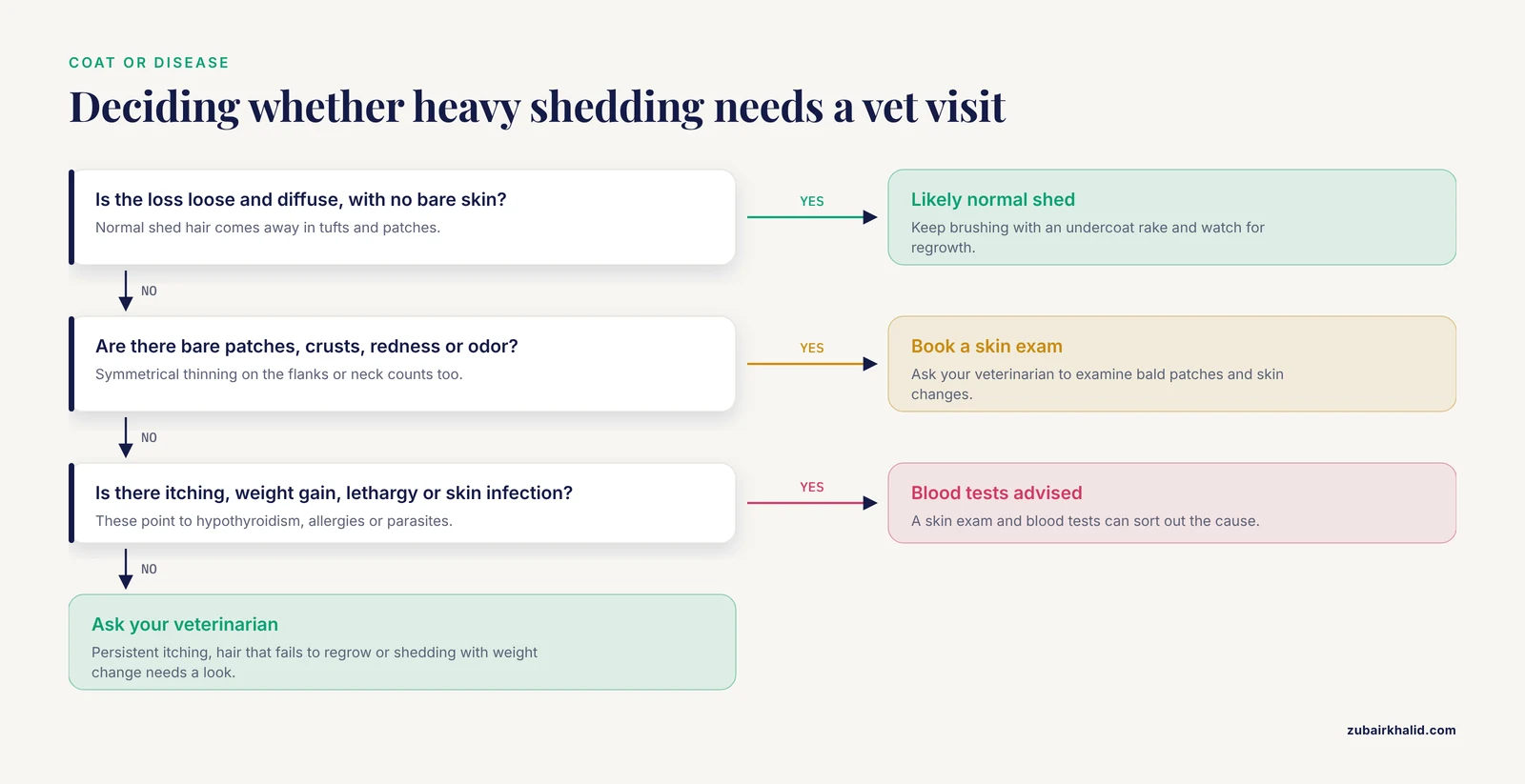
Hypothyroidism can cause symmetrical hair loss, weight gain, lethargy, and skin infections. Allergies often produce itching, ear problems, hot spots, and licking. Parasites such as fleas and mites cause itching, scabs, and visible debris. Ask your veterinarian to examine bald patches, persistent itching, skin changes, or shedding with weight or energy changes. A skin exam and blood tests can sort out the cause.
Related Guides
- Old English Sheepdog Dog Breed Guide: Temperament, Size, Lifespan, Health Problems and Care: Compare care needs with another double-coated sheepdog breed guide
- Shetland Sheepdog Dog Breed Guide: Temperament, Size, Lifespan, Health Problems and Care: Useful comparison for a small herding sheepdog breed
- Australian Shepherd Dog Breed Guide: Temperament, Size, Lifespan, Health Problems and Care: Active herding breed guide for comparison on enrichment and training
- Shiba Inu Dog Breed Guide: Temperament, Size, Lifespan, Health Problems and Care: Another spitz-type breed guide for coat and health comparison
Frequently Asked Questions
Are Icelandic Sheepdogs healthy dogs?
Icelandic Sheepdogs are generally sturdy and long-lived, but the breed has a small gene pool and a history of inbreeding that owners should manage with careful breeding choices and regular veterinary care [1].
What health problems are Icelandic Sheepdogs prone to?
Veterinarians commonly discuss hip dysplasia, patellar luxation, eye conditions, hypothyroidism, cystinuria, and dental disease in this breed, so ask your veterinarian about screening for these conditions.
How much exercise does an Icelandic Sheepdog need?
This herding breed needs daily physical activity and mental enrichment, but the exact amount depends on your dog's age and health, so ask your veterinarian for a plan.
Do Icelandic Sheepdogs shed a lot?
Yes, the double coat sheds heavily, usually twice a year, and regular brushing helps manage the loose hair.
Are Icelandic Sheepdogs good family dogs?
Yes, they are friendly, alert, and good with children when socialized early, though their herding instincts and barking need training and supervision.
What should I feed an Icelandic Sheepdog?
Feed a complete and balanced diet appropriate for your dog's life stage, following the WSAVA nutrition guidelines and your veterinarian's advice on portion size.
How often should an Icelandic Sheepdog see the veterinarian?
Adult dogs should have an annual wellness exam, senior dogs may need checkups every six months, and puppies need a series of visits for vaccines and growth checks.
Are Icelandic Sheepdogs easy to train?
Yes, they are intelligent and eager to please, and they respond best to positive reinforcement training with early socialization.
Further Reading
- [[Science and health care system - the importance of The Icelandic Medical Journal].](https://pubmed.ncbi.nlm.nih.gov/33350392/)
- [[Science and the future of the Icelandic health care system - high expectations for the new Minister of Health].](https://pubmed.ncbi.nlm.nih.gov/34927598/)
- [[Weaknesses of the icelandic health care system].](https://pubmed.ncbi.nlm.nih.gov/30511644/)
- [[Is there room for improvement in the Icelandic health care system?[Editorial]].](https://pubmed.ncbi.nlm.nih.gov/28262627/)
- [[Icelandic primary health care in crisis [Editorial]].](https://pubmed.ncbi.nlm.nih.gov/26734717/)