Bringing Home a New Cat: First Week Guide
By Dr. Zubair Khalid, DVM, MS, PhD ·
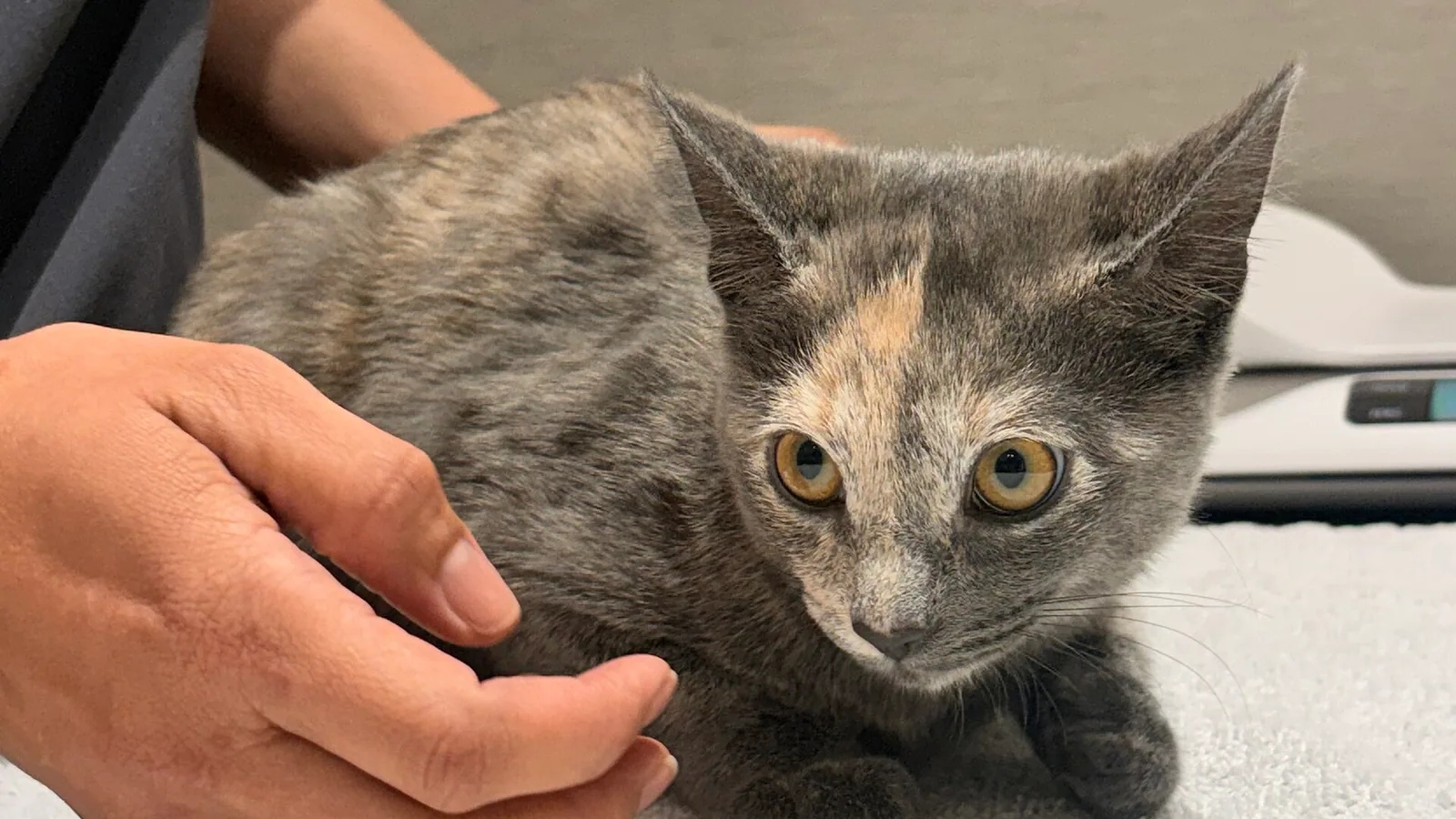
The first week with a new cat should be quiet, confined, and slow. Set the cat up in one small room with food, water, a litter box, a hiding place, and something to climb on. Keep the door closed. Let the cat decide when to be seen. Book a veterinary visit within the first few days rather than waiting for a problem.
That plan feels underwhelming to many new owners. It is the opposite of neglect. Bringing home a cat into a fully open house, with visitors, children, and resident pets, is the single most common reason the first week goes badly. This guide walks through the setup, the daily sequence, the first vet visit for a cat, the equipment that matters, and the warning signs that mean a call to your veterinarian rather than another day of waiting.
This article is educational and is not a substitute for veterinary diagnosis or treatment.
Why the First Week Matters More Than It Looks
Cats carry a reputation as low-maintenance animals that adapt to anything. That reputation is inaccurate and it causes measurable welfare problems. A review of common cat myths found that the idea of cats as self-sufficient animals underlies complacency about fully meeting their needs, and that better owner education about environmental management improves both cat welfare and the human-cat bond [1]. A survey of cat care organizations across the British Isles found that while most sites met basic physiological needs such as access to veterinary care and food, psychological needs like appropriate housing and husbandry were addressed far less consistently [2]. The first week at home is where those psychological needs either get met or get missed.
A newly adopted cat is dealing with unfamiliar smells, unfamiliar sounds, the loss of familiar people and routines, and a territory that does not yet have any safe routes or exits. Housing cats in close proximity to unfamiliar animals is a genuine challenge even for professional facilities designed for it [3]. Hiding is a normal coping behavior and a legitimate welfare need, not evidence of a defective cat [3]. A cat that spends the first two days under a bed is doing exactly what a sensible cat should do.
The practical goal of week one is not affection. It is predictability. Every meal arrives at the same time. The litter box is always in the same place. Nothing grabs the cat. The number of new things per day is small. Trust is built from that repetition, and it is built faster when the owner stops trying to accelerate it.
At a Glance: Your New Cat First Week Plan
| When | What to do |
|---|---|
| Before arrival | Prepare one small room. Set up litter, food, water, hiding box, perch, scratching post. Confirm the food the cat is currently eating. Get any shelter or breeder records. |
| Day 0, arrival | Place the closed carrier on the floor of the safe room. Open the door. Leave the room. No handling, no visitors, no resident pets. |
| Day 1 | Quiet checks only. Confirm the cat has eaten, drunk, and used the litter box. Sit in the room briefly without approaching. |
| Days 2 to 3 | Short passive sessions. Read aloud or sit on the floor. Toss treats toward the cat. Offer brief play if the cat initiates. |
| Days 3 to 5 | Veterinary visit. Begin short structured play sessions. Allow supervised exploration of the safe room. |
| Days 5 to 7 | Expand to one additional room if the cat is eating, using the litter box, and exploring while you are present. Start scent introductions to resident pets if applicable. |
New Cat Checklist: What to Have Ready Before the Cat Arrives
| Item | What to look for | Why it matters |
|---|---|---|
| Carrier | Hard-sided, secure door, large enough to stand and turn | Transport, vet visits, and emergency evacuation |
| Safe room | Spare bedroom, bathroom, or laundry room with a closing door | Gives the cat control over exposure |
| Litter box | At least one per cat, open top, unscented litter matching what the cat used before | Changing litter substrate causes avoidable accidents |
| Food | The exact diet the cat was eating | Abrupt diet changes cause gastrointestinal upset |
| Bowls | Separate food and water bowls, several water stations | Shared bowls are a common resource problem in multi-cat homes [4] |
| Hiding place | A covered bed or box the cat can retreat into fully | Hiding is a core welfare need, not a behavior problem [3] |
| Vertical space | Cat tree, shelf, or sturdy perch | Perching and elevated resting are natural cat behaviors [3] |
| Scratching post | Stable, tall enough to stretch fully, sisal or cardboard | Protects furniture and satisfies a normal behavior |
| Toys | Several types, including wand toys and a food-dispensing item | Cats vary in what they prefer, so offer choices [5] |
| Records | Vaccination history, FeLV/FIV status, parasite treatments | Prevents duplicate or missed care at the first visit |
Step 1: Prepare the Safe Room
Choose a room with a door that closes, decent light, and no traffic. A spare bedroom is ideal. A bathroom works for a short period. Avoid garages, damp basements, and rooms with exposed wires or stored chemicals.
Place the litter box in one corner, away from the food and water. Put food and water in separate locations rather than side by side. A survey of 565 cat-owning households found that 69.4% of multi-cat homes shared water bowls and 83.1% provided fewer litter trays than cats, both deviations from published guidance [4]. Even with one cat, separating resources costs nothing and removes a source of friction when a second cat is added later.
Add a hiding box with a soft blanket inside, a perch, and a scratching post. Keep the room calm rather than entertaining. The goal is a space where the cat can be unseen and still have access to every resource without crossing open floor.
Step 2: Arrival Day
Set the carrier on the floor of the safe room. Open the door. Step back. Leave the room and close the door behind you.
Do not tip the cat out. Do not reach in. Do not carry the cat around the house to show family members. Most cats will stay in the carrier for a while and emerge at night when the house is quiet. Both are normal.
Put out food and water, show nothing else, and check in quietly a few hours later. Keep voices low. Keep children and visitors out for at least the first two days. If the cat was transported from a shelter, keep the carrier in the room with a blanket inside so it remains a familiar refuge.
Step 3: Days 2 and 3, Let the Cat Set the Pace
Sit in the room for 10 to 15 minutes at a time. Read aloud or talk quietly to yourself. Do not stare directly at the cat for long periods and do not reach toward the face. Let the cat approach first.
Food is the most reliable social tool in early introductions, but cats differ in what counts as a reward. A structured preference study in home environments found that cats vary in whether they prefer food, toys, or social interaction, and that the most preferred item in each category maintained behavior more strongly than the least preferred item for three of four cats tested [5]. In practice, that means offering a few options and watching which one the cat actually moves toward.
Watch four things closely: how much the cat eats, whether it drinks, whether it urinates and defecates in the box, and where it spends its time. All four are health signals as much as behavior signals. A cat that hides but eats well overnight is settling. A cat that hides and leaves the food untouched needs closer attention.
Step 4: Days 3 to 7, Expand Slowly
Once the cat is eating, using the litter box, and exploring the room while you are present, open the door to one additional room. Supervise the first sessions. Keep the safe room available at all times so the cat always has a retreat.
If you have resident pets, stop here. The new cat stays in the safe room with the door closed while introductions proceed through scent and sound rather than direct contact. More on that below.
If there are no resident pets, continue expanding one room at a time over the following weeks. Close off rooms you have not yet prepared. Check each new space for hazards before letting the cat in.
The First Vet Visit for a Cat
Book the first vet visit for a cat within three to seven days of arrival. Move it earlier if the cat is sneezing, has eye or nasal discharge, is not eating, has diarrhea, or is straining in the litter box.
Bring the adoption paperwork, any vaccination records, and a note of the exact diet and feeding schedule the cat is currently on. A stool sample from the litter box is useful if you can collect one within a few hours of the appointment.
The visit itself typically covers a full physical examination with weight and body condition scoring, eyes, ears, mouth and teeth, heart and lungs, abdominal palpation, skin and coat, and joint assessment. Your veterinarian will discuss parasite prevention, review or start vaccinations, and plan neutering if the cat is not already sterilized. Microchipping, vaccination, and neutering are recognized components of responsible cat ownership, and rates of all three vary widely between households [6].
Testing matters for cats entering a home with an existing cat. Feline immunodeficiency virus guidelines for Australia and New Zealand recommend keeping pet cats exclusively indoors or in secure outdoor enclosures, testing any in-contact cats, and housing adult cats individually in group facilities to limit spread [7]. The same reasoning applies at home. Test the new cat before mixing it with a resident cat, and test the resident cat if its status is unknown.
Upper respiratory disease deserves specific attention in the first week. Feline calicivirus is a highly infectious cause of upper respiratory tract disease, and prevalence is higher in group-housed cats than in cats raised individually [8]. A cat that came from a shelter or a multi-cat household may arrive incubating an infection. That is one reason to keep the new cat separate from resident cats for the first week or two and to watch for sneezing, ocular discharge, and reduced appetite.
Ask at this visit what the follow-up schedule should be. A second visit for booster vaccinations and a weight check is standard for kittens, and adult cats often need a recheck if any abnormality was found.
Feeding, Water, and Body Condition in Week One
Feed the diet the cat was already eating. If you plan to change foods, do it gradually over a week or more after the cat has settled. A review of common feeding misconceptions found that many owners and practitioners lack accurate information about feline feeding behavior, and that replacing those misconceptions improves both health and mental stimulation [1].
Feed measured meals at set times rather than free-feeding, at least during the first week, so you can see how much the cat is actually eating. In multi-cat homes, feed cats in separate locations rather than from shared bowls, since shared food and water bowls are a documented deviation from guidance [4].
Water intake is easy to overlook. Offer multiple water stations in different rooms and refresh them daily. A cat that stops drinking needs veterinary attention, particularly if it also stops eating.
Litter Box Setup and Cleaning
Provide at least one litter box per cat, and more if the home is large or multi-level. Place boxes in quiet, low-traffic spots with more than one exit route available. Scoop at least once daily and wash the box regularly with a mild, unscented soap.
The 565-household survey found that problem behaviors were reported by 66.4% of respondents, with scratching furniture the most common complaint, and that inappropriate urination was significantly more frequent in multi-cat homes [4]. Litter box numbers and placement are one of the few variables an owner can control directly, so get them right from day one rather than after a problem appears.
Enrichment, Play, and Early Training
Well-designed housing for cats provides opportunities to hide, perch, and choose whether to interact [3]. Apply the same principles at home. Vertical space, a dark retreat, and control over social contact are not luxuries.
Play is the fastest route to a relaxed cat. Two or three short sessions a day with a wand toy, ending with a small food reward, mimic the hunt-eat-groom-sleep cycle that cats are built for. Stop before the cat loses interest. A bored cat ends the session, a frustrated cat scratches.
Cats are trainable, and early training sessions are practical rather than performative. The same review of cat myths found that misconceptions about training are widespread and that correcting them improves behavioral management [1]. Start with a simple behavior such as coming to a clicker or a marker word for a treat. Keep sessions under two minutes and end on success.
Introducing Resident Cats and Dogs
Keep the new cat in the safe room for the first week. Introductions begin with scent, not sight. Swap bedding between the two areas so each animal learns the other's smell in a safe context. Feed the animals on opposite sides of a closed door so that the presence of the other predicts something pleasant.
The causes of aggression between cats are complex. A systematic review found that feline aggression is influenced by an interaction between genetic predisposition and environmental factors, including early-life experiences, owner management, and environmental conditions [9]. That means the owner's choices during introductions matter. Punishment, forced proximity, and rushed face-to-face meetings all raise the risk of a bad outcome.
Do not allow direct contact until both cats have been examined and tested. FIV testing of in-contact cats is part of standard prevention guidance [7], and group housing raises the risk of infectious respiratory disease [8]. A week of separation is a small cost against a chronic infection or a house divided into territories.
Safety and Welfare Points for Week One
Keep the cat indoors, or provide secure outdoor access such as an enclosure or a fenced catio. This is not only a behavior recommendation. In a ten-year necropsy review of free-roaming cats, road traffic accident was the most frequent recorded or presumed cause of immediately fatal trauma, and blunt force trauma dominated the injury pattern [10]. FIV prevention guidance likewise recommends indoor housing or secure outdoor access for pet cats [7].
Environmental change is a genuine stressor. A case report described a cat whose behavioral signs, including tail chasing, lumbar tremors, and sudden aggressive episodes, began after a significant household change, and management centered on multimodal environmental modification to reduce stress [11]. Week one is full of household change by definition. Keep additional changes to a minimum while the cat adjusts.
Remove hazards before the cat finds them. Secure window screens, hide electrical cords, store medications and cleaning products behind closed doors, and check houseplants against a reliable toxic plant list. Keep the cat out of the kitchen during cooking and away from open doors to the outside.
Common Mistakes in the First Week
- Opening the carrier into the whole house instead of one room.
- Inviting friends and family to meet the cat in the first 48 hours.
- Picking the cat up before it approaches voluntarily.
- Changing food abruptly on arrival day.
- Providing one litter box for multiple cats or placing boxes next to food.
- Skipping the veterinary visit because the cat "seems fine."
- Letting the new cat and resident cat meet face to face on day two.
- Leaving the cat alone all day with no visits to the safe room.
- Punishing hissing or swatting, which increases fear rather than reducing it.
- Bathing a cat that is already stressed, which adds a second aversive event on top of a move.
Troubleshooting the First Week
| What you see | What it usually means | What to do |
|---|---|---|
| Hiding all day, eating at night | Normal adjustment | Continue passive sessions, do not force contact |
| Hissing or swatting when approached | Fear, not aggression | Back off, shorten sessions, approach less directly |
| Not eating for more than 24 hours | Possible illness or severe stress | Call your veterinarian |
| No urine for 24 hours, or straining in the box | Possible urinary emergency | Call your veterinarian immediately |
| Diarrhea after a food change | Dietary upset or infection | Revert to the previous diet and call your veterinarian if it persists beyond a day |
| Sneezing, eye discharge, reduced appetite | Possible upper respiratory infection | Veterinary visit, isolate from other cats |
| Scratching furniture | Normal behavior with an inadequate outlet | Add a sturdy scratching post and place it near the damaged furniture |
| Urinating outside the box | Litter box or medical problem | Rule out medical causes first, then review box number, litter, and location |
Limitations and When to Contact a Veterinarian
This guide describes typical first-week care for a healthy cat. Every cat is an individual, and a cat with a chronic condition, a recent surgery, or an unknown vaccination history needs a specific plan from its own veterinarian.
Contact a veterinarian promptly if the new cat stops eating for more than 24 hours, produces no urine in 24 hours, strains in the litter box, has repeated vomiting or diarrhea, breathes with effort, has pale or yellow gums, shows sudden weakness or collapse, develops a wound or abscess, or has eye or nasal discharge that is worsening rather than improving. Call immediately, not the next morning, if a male cat is straining to urinate or if a cat is open-mouth breathing. Any cat that has not emerged from hiding at all after 72 hours, or that becomes more fearful over the first week rather than less, should also be evaluated.
Frequently Asked Questions
How long does it take for a new cat to settle in?
Most cats show meaningful adjustment within one to two weeks, and full comfort in a new home can take a month or longer. Shy cats and cats from shelters or multi-cat backgrounds often take longer. Judge progress by eating, litter box use, and exploration rather than by how often the cat sits on your lap.
Should I let my new cat out of the carrier right away?
No. Place the closed carrier in the prepared safe room, open the door, and leave the room. Let the cat come out on its own schedule. Tipping or pulling a cat out of a carrier sets back the trust you are trying to build.
Should I stay home with my new cat during the first week?
Stay home more than usual during the first two or three days if you can, but do not spend the time handling the cat. Short, quiet check-ins are more useful than hours of close contact. Most cats settle faster with predictable brief visits than with constant attention.
What should I do if my new cat hides all day?
Leave the cat alone and keep the room quiet. Hiding is a normal coping behavior and a legitimate welfare need. Sit in the room and read aloud for short periods so the cat gets used to your presence without pressure. Provide food, water, and a litter box within reach of the hiding spot.
When should my new cat see a vet?
Within three to seven days of arrival, or sooner if the cat is sneezing, has discharge from the eyes or nose, is not eating, or has diarrhea. Bring adoption records, vaccination history, and a stool sample if you can collect one.
Can my new cat meet my other pets in the first week?
Not directly. Keep the new cat separated for the first week and start with scent swapping and feeding on opposite sides of a closed door. Direct introductions come later, once both animals have been examined and tested.
What should I do if my new cat will not eat?
Try the exact food the cat was eating before, warmed slightly, and offer it in a quiet spot away from foot traffic. If the cat has not eaten in 24 hours, call your veterinarian. Appetite loss in a newly adopted cat can signal illness rather than simple stress.
Do I need to bathe my new cat?
No. Cats groom themselves, and a bath during the first week adds stress on top of an already stressful move. If the cat has a medical reason for bathing, such as a skin condition, your veterinarian will advise on timing and technique.
Sources
- CATastrophic myths part 2: Common misconceptions about the environmental, nutritional, and genetic management of domestic cats and their welfare implications.
- Part 1: A Sector-Wide Survey of UK/British Isles Shelter Organisations Caring for Cats: Caregiver-Reported Approaches to Housing, Husbandry and General Care Provision.
- Shelter housing for cats: Principles of design for health, welfare and rehoming.
- Feline management practices and resource provision in the UK: A questionnaire-based study of 565 caregivers.
- Preference assessment and reinforcer effectiveness in domestic cats.
- Responsible Ownership and Welfare Indicators for Dogs and Cats in Rural Lithuania: Self-Reported Practices and In-Person Assessment.
- Feline immunodeficiency virus (FIV) infection in domestic pet cats in Australia and New Zealand: Guidelines for diagnosis, prevention and management.
- Discovery of a novel genogroup feline calicivirus through molecular evolution in group-housed cats in China.
- Genetic and Environmental Causes of Aggression in the Domestic Cat.
- Fatal traumatic injury patterns in free-roaming cats: an anatomopathological study of 40 cases.
- A presumptive diagnosis of feline hyperesthesia syndrome due to stressful human-related condition: case report.