Can Dogs Smell Cancer? What Science Says About Detection
By Dr. Zubair Khalid, DVM, MS, PhD ·
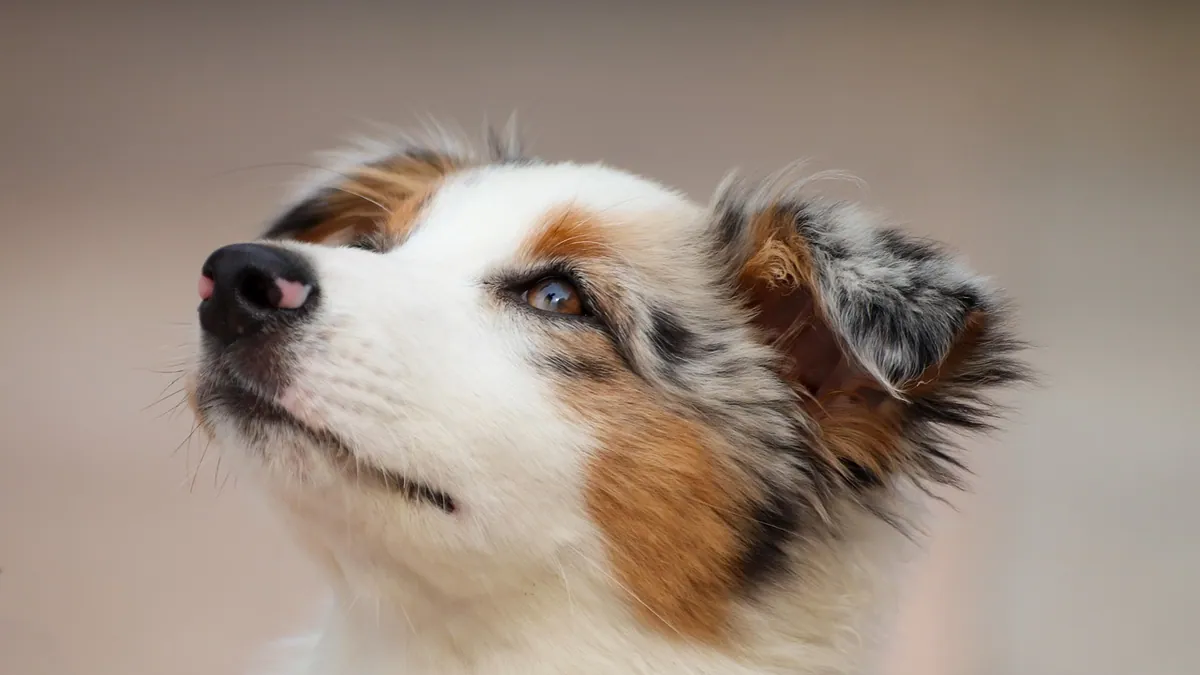
Many owners ask how do dogs smell cancer after their dog acts strangely around a lump or a sick family member. The short answer is that dogs can be trained to detect some cancers from breath or other samples at above-chance rates, but no dog can diagnose cancer, and odd behavior alone means nothing. This article is educational and is not a substitute for veterinary diagnosis or treatment.
Quick Answer
- Trained dogs can pick up volatile organic compounds (VOCs), tiny chemical molecules released by cancer cells and other diseases, at concentrations as low as parts per trillion [1].
- In one study, dogs detected lung cancer from breath samples with a mean sensitivity of 0.78, but only 0.42 from saliva samples, so the sample type matters a lot [2].
- Detection rates in research range widely, from about 35% to 95% depending on the disease, sample, and training method, which is far below what a biopsy or imaging test provides[3].
- A dog sniffing, pawing, or avoiding a lump is not evidence of cancer. Dogs investigate lumps for many harmless reasons, including curiosity and smell of skin oils.
- If you find a lump, changing mole, non-healing sore, or notice weight loss or appetite changes, book a veterinary visit. Do not wait for your dog to "tell you."
Why Dogs Act Oddly Around Lumps and Sick People
A dog's nose is a chemical laboratory
Dogs have far more olfactory receptor cells than humans, plus nasal airflow dynamics and brain processing power that let them detect and remember complex odor patterns [1]. They can work at parts per trillion concentrations, a level that even laboratory instruments struggle to match [1]. That is why dogs have been used for decades to find explosives and narcotics, and why researchers study them for medical detection [1].
Cancer and infection change body chemistry
Cancer cells and infections produce VOCs, metabolic byproducts that can appear in breath, saliva, urine, sweat, and cell cultures [4]. In a laboratory study, infected cell cultures contained VOCs that were absent or 1.5 to 3 times higher than in uninfected samples, and trained dogs detected infected samples with a sensitivity of 0.95 [4]. This is the biological basis for the idea that dogs can smell disease. It does not mean your untrained pet is doing the same thing at home.
Normal reasons your dog sniffs a lump
Most lump-focused sniffing is ordinary dog behavior. Dogs investigate new smells, skin oils, lotions, bandages, and changes in your routine. A dog may lick or sniff a skin tag or tumor simply because it is a new texture on a familiar body. If you are trying to tell a harmless bump from something serious, see Dog Skin Tag or Tumor? How to Tell and What to Do.
How Do Dogs Smell Cancer in Research Settings?
Training and sample type matter
Detection dogs are not pets guessing at home. They go through structured conditioning with specific training aids and odor delivery systems, and their performance is measured against confirmed diagnoses [1]. In a 2025 study, seven dogs assessed breath and saliva samples from 154 patients at a respiratory clinic. The dogs detected lung cancer-positive breath samples significantly better than saliva samples, with mean accuracy of 0.78 for breath versus 0.42 for saliva [2]. The authors concluded breath has greater utility for canine scent detection of lung cancer [2].
Performance is real but imperfect
In a SARS-CoV-2 study, eight non-working dogs were trained and tested under controlled laboratory conditions. When presented with samples from the opposite symptom group, they discriminated them from controls with a mean sensitivity of 71% and specificity of 51% [3]. Performance dropped to 35% sensitivity with a small number of asymptomatic Omicron-positive samples from vaccinated people [3]. This shows two things. Dogs can generalize across some disease states, and their accuracy depends heavily on the sample and the situation [3].
Detection has limits
Reliable detection in one study required pooled sample volumes of about 600 microliters, suggesting a threshold effect related to VOC concentration [4]. In other words, the chemicals must be concentrated enough for the dog to notice. Real-world cancer detection also depends on training, handler skill, sample handling, and the individual dog's motivation and hunger state [5]. A dog's performance can shift with something as simple as whether it ate breakfast [5].
Medical Causes to Rule Out Before You Blame Cancer
Lumps and skin changes
Lumps are common in dogs and most are benign. Your veterinarian can sample a lump with a fine needle or remove it for testing. Do not assume cancer because your dog pays attention to it. Also do not assume it is harmless because your dog ignores it.
Bad breath and mouth cancer in dogs smell
Owners sometimes search "mouth cancer in dogs smell" because they notice a strange odor from their dog's mouth. Oral tumors can produce odor, but so can dental disease, infected gums, tonsillitis, and foreign objects. A metallic or unusual breath odor deserves a veterinary exam either way. For more on this, read Why Does My Dog's Breath Smell Like Metal? Causes & Veterinary Solutions.
Other diseases that change body odor
Kidney disease, liver disease, diabetes, and skin infections all change how a dog smells and how a dog smells to itself. A dog licking its paws excessively may have allergies, pain, or a skin infection. See Dog Licking Paws Cancer for a closer look at that specific behavior.
Cancer in dogs is diagnosed by tests, not noses
Veterinary diagnosis uses physical exam, blood work, imaging, cytology, and biopsy. A 2026 study of golden retrievers with multicentric lymphoma found no difference in urinary VOC metabolite levels between dogs with lymphoma and unaffected controls, even though all dogs had detectable levels of several VOC metabolites [6]. That is a useful reminder that VOC exposure and VOC detection are complicated, and a single odor signal does not equal a diagnosis [6].
How Do Dogs Act When They Smell Cancer?
What owners report
Owners often describe a dog that sniffs one spot repeatedly, licks or paws at a lump, avoids a person, or sits unusually close to a specific body area. These reports are common, but they are not consistent or specific enough to be a diagnostic sign. There is no published behavior profile that reliably means "my dog smells cancer."
What the research actually shows
Research dogs are trained to give a specific, observable response, such as sitting or staring at a positive sample. They are tested under controlled conditions with known samples and scored against confirmed diagnoses [2][1][3]. A pet at home has no such training, no controlled samples, and no way to tell you what it found. Behavior changes in pets are more often linked to pain, anxiety, routine changes, or illness in general, not cancer specifically.
Frustration and stress can look like alerts
In a laboratory scent task, dogs spent most of their time with their tail held low and still, and whining and feeder engagement increased when they had not eaten before the task [5]. Those behaviors reflect mild frustration, not detection. If your dog seems restless, whiny, or fixated, consider hunger, boredom, pain, or anxiety before jumping to cancer.
When Odd Behavior Becomes a Problem
Behavior that interferes with daily life
It becomes a problem when your dog cannot settle, stops eating, paces, guards a body area, or becomes distressed when you touch a lump or a limb. Those signs point to discomfort or anxiety that needs veterinary attention, regardless of the cause.
Behavior changes that persist
A one-time sniff is nothing. A pattern that lasts days to weeks, especially with appetite, weight, energy, or sleep changes, deserves a veterinary workup. Sudden behavior changes in an older dog can reflect pain, vision or hearing loss, cognitive dysfunction, or systemic illness.
Anxiety that looks like illness
Some dogs develop anxiety that owners mistake for illness detection. If your dog's behavior changes seem tied to stress, a veterinary behavior assessment can help. Blood tests for anxiety are limited in what they can show, which is explained in Blood Tests for Dog Anxiety: What They Can and Can't Tell You.
What to Do Step by Step
Step 1: Document what you see
Write down what your dog does, when it happens, how long it lasts, and what body area is involved. Note appetite, water intake, weight, energy, vomiting, diarrhea, coughing, and any new lumps. This record helps your veterinarian more than a vague description.
Step 2: Book a veterinary exam
Bring your notes. Your veterinarian will examine your dog, check lumps, and decide whether blood work, imaging, or sampling is needed. Early detection improves outcomes for many cancers, so do not wait for a dog to "alert" you.
Step 3: Support your dog's behavior at home
Keep routines predictable. Provide daily exercise, food puzzles, chew toys, and training games. Enrichment reduces boredom-driven sniffing, licking, and pacing. If your dog fixates on a body area, redirect gently to a toy or a walk.
Step 4: Consider formal scent training if you are curious
If you want to explore scent work as a hobby, look for positive-reinforcement nose work classes. This builds confidence and mental exercise. It does not turn your pet into a medical detector, and it should never replace veterinary care.
Step 5: Recheck as directed
If your veterinarian recommends monitoring a lump or rechecking blood work, keep the appointment. Follow-up is how small problems get caught before they become big ones.
What Not to Do
Do not punish sniffing or licking
Punishment adds stress and can hide the behavior you need to describe to your veterinarian. Redirect instead.
Do not rely on home tests or internet quizzes
No at-home method can diagnose cancer in your dog. DNA tests, for example, tell you about breed and some inherited traits, not whether a lump is malignant. If you are curious about what those tests do and do not cover, see Dog and Cat DNA Tests: What They Actually Tell You.
Do not skip the vet because your dog "seems fine"
Dogs hide illness well. A normal-acting dog can still have a serious problem. A routine exam is cheap compared with waiting.
Do not assume your dog detected your own cancer
If you are worried about your own health, see a physician. Your dog's behavior is not a screening test for people.
When to Involve a Veterinarian or Certified Behavior Professional
Same-day veterinary contact
Call your veterinarian the same day if your dog has a fast-growing lump, bleeding or ulcerated skin, difficulty breathing, a swollen abdomen, repeated vomiting, or a sudden change in appetite or water intake.
Emergency now
Go to an emergency clinic now if your dog has trouble breathing, collapses, has a seizure, bleeds heavily, or cannot stand or walk.
Routine visit
Schedule a routine visit for a new lump, a changing mole, bad breath, weight loss, persistent licking, or any behavior change lasting more than a few days.
Certified behavior professional
If your veterinarian finds no medical cause and your dog's behavior is still a problem, ask for a referral to a veterinarian who specializes in behavior or a certified applied animal behaviorist. Look for credentials such as DACVB or CAAB.
Limitations and When to Contact a Veterinarian
Canine cancer detection research is promising but limited. Studies use small numbers of dogs, controlled samples, and specific training protocols, and results vary widely by disease and sample type [2][4][3]. No study shows that untrained pet dogs can reliably detect cancer in their owners or themselves. Individual cases always need a veterinarian, because only a veterinarian can examine your dog, order tests, and interpret results in context. Contact your veterinarian today if you find a new lump, notice a sore that will not heal, see weight loss or appetite changes, or if your dog's behavior changes in a way that worries you. Go to an emergency clinic immediately for breathing difficulty, collapse, seizures, or heavy bleeding.
Frequently Asked Questions
Can dogs really smell cancer?
Yes, trained dogs can detect some cancers from breath and other samples at above-chance rates in research settings. Their accuracy depends on the cancer type, the sample, and the training method. This does not mean your pet can diagnose cancer at home.
How do dogs act when they smell cancer?
There is no reliable behavior pattern. Some owners report sniffing, licking, or pawing at a specific spot, but those behaviors have many harmless causes. Only a veterinary exam and testing can confirm or rule out cancer.
Can dogs smell cancer on their owners?
Some research shows dogs can detect disease-related chemicals in human samples under controlled conditions. There is no evidence that a pet dog can reliably screen a person for cancer. If you have health concerns, see a physician.
Does mouth cancer in dogs have a smell?
Oral tumors can produce odor, but so can dental disease, gum infection, and other mouth problems. Any new or unusual breath odor in your dog deserves a veterinary exam. Do not assume cancer, and do not ignore it.
Should I wait to see if my dog alerts me to a lump?
No. Do not wait for behavior signals. If you find a lump or notice other changes, book a veterinary visit. Early evaluation gives your dog the best chance if something serious is found.
Related Articles
- Dog and Cat DNA Tests: What They Actually Tell You
- Dog Licking Paws Cancer
- Blood Tests for Dog Anxiety: What They Can and Can't Tell You
- Why Does My Dog's Breath Smell Like Metal? Causes & Veterinary Solutions
- Dog Skin Tag or Tumor? How to Tell and What to Do
- Dog Skin Rash with Odor: What It Means and What to Do
- Cancer in Dogs: Symptoms, Types, and When to See a Vet
- How to Tell If Something Is Wrong With Your Dog
- Lung Cancer in Dogs: Causes, Signs, and What to Expect
References
- Canine scent detection: an analytical chemistry perspective. Analytical methods : advancing methods and applications, 2026.
- Breath versus saliva for lung cancer detection with dogs. ERJ open research, 2025.
- Dogs' Detection of Symptomatic and Asymptomatic SARS-CoV-2 by Non-Working Dogs: Feasibility and Limits Under Controlled Laboratory Conditions. Animals : an open access journal from MDPI, 2026.
- Trained Scent Dog Detection and GC-MS Analysis of Volatile Organic Compounds from Murine Coronavirus-Infected Cell Cultures. Animals : an open access journal from MDPI, 2026.
- Effects of feeding on dogs' frustration-related behaviours during a laboratory-based scent detection task. Behavioural processes, 2026.
- Genotoxic exposures to volatile organic compounds in golden retrievers with and without multicentric lymphoma. Frontiers in veterinary science, 2026.