What Causes Reactivity in Dogs? Signs and Triggers
By Dr. Zubair Khalid, DVM, MS, PhD ·
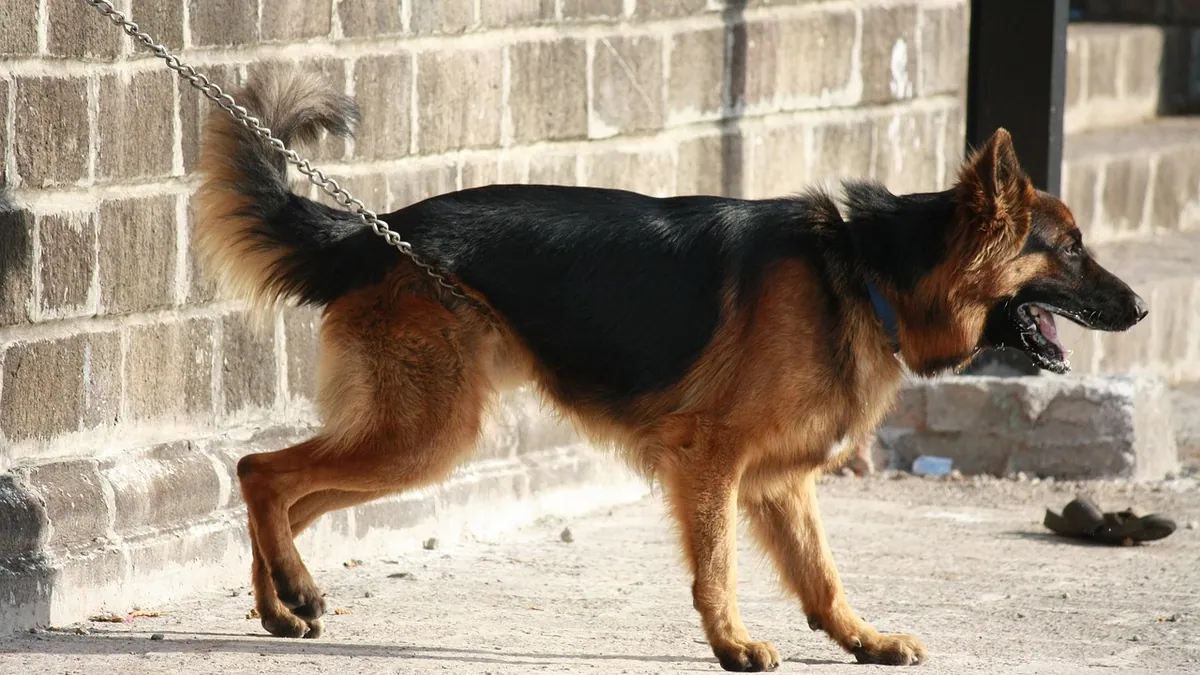
Reactivity in dogs usually comes from fear, anxiety, or overarousal, not from a desire to dominate or attack. When a dog barks and lunges on leash, it is often trying to increase distance from something that feels threatening or overwhelming. Understanding what causes dog reactivity helps you respond with a plan instead of punishment.
This article is educational and is not a substitute for veterinary diagnosis or treatment.
Quick Answer
- Reactivity is an exaggerated emotional response (barking, lunging, growling) to a trigger, and it is not the same thing as a diagnosis of aggression.
- Fear causes most types of aggression in dogs, and a leashed dog that cannot escape is more likely to react [1].
- Genetics, early socialization, learning history, and pain or illness can all contribute to reactive behavior [1][2][3].
- Your first step is a veterinary visit to rule out medical causes and to get a behavior history on record [2].
- Punishment usually makes reactivity worse because it adds fear to an already fearful situation [1].
What Dog Reactivity Actually Looks Like
Reactivity is an overreaction to a specific trigger. The dog may be fine at home and then explode at the sight of another dog, a stranger, a skateboard, or a delivery truck. Common signs of dog reactivity include:
- Stiff body, hard stare, closed mouth
- Barking, lunging, or spinning at the end of the leash
- Growling, snapping, or air-snapping
- Whining, trembling, or trying to hide behind you
- Refusing treats or taking them roughly
- Difficulty recovering after the trigger passes
Some dogs react by pulling toward the trigger (often called frustrated greeting), and some react by trying to get away. Both look dramatic. Neither tells you the dog is "bad."
Why the Behavior Happens
Normal Dog Behavior First
Dogs bark. They alert to new things. They may lunge when excited. A puppy who barks at the mail carrier may simply be practicing a behavior that gets a reaction. If you try to quiet the puppy, the barking can increase because the attention itself is rewarding, even when the attention is negative [4]. Ignoring the behavior consistently is often the better path, though the barking may return occasionally through a process called spontaneous recovery [4].
Fear and Anxiety
Fear is the engine behind most aggression in dogs [1]. A fearful dog may try to avoid a threat, but when escape is impossible, the dog can switch to aggression. Being on a leash, being cornered, or being held removes the option to flee [1]. That is why so many reactive dogs are worse on leash than off.
Dogs also learn fast. If lunging makes the scary thing go away, the behavior gets reinforced. Animals that learn aggression "works" may keep using it even when they are not truly threatened [1].
Genetics and Temperament
Temperament is partly inherited from the parents [1]. Some dogs start life more sensitive to noise, motion, or strangers. Breed can influence traits like energy level and fear-related behaviors, though individual variation within a breed is large [5]. Impulsivity, which means reacting quickly without planning, is also a contributing factor in behavior problems including aggression [6].
Early Socialization and Adoption Age
The socialization window runs roughly from 3 to 12 weeks of age [3]. Puppies who miss positive exposure to new people, sounds, and environments during that window are more likely to develop fear, aggression, or anxiety as adults [3]. Dogs adopted at 1 or 2 months of age showed higher signs of fear, anxiety, and attention-seeking than dogs adopted later [3]. Early experiences matter, but they are not destiny.
Pain and Medical Conditions
A dog in pain may growl when touched, guard a body part, or react more quickly than usual. Any sudden change in behavior deserves a medical workup. Your veterinarian will rule out health problems before making a behavior diagnosis [2]. If your dog growls specifically when handled, see Dog Growling When Touched: Pain or Behavior Problem?.
Arousal and Impulse Control
Some dogs have a hard time settling once aroused. A case report described a 7-month-old Golden Retriever with owner-directed aggression during intense emotional arousal, with a limited ability to calm down and inhibit impulsive behavior [7]. Episodes were triggered by restraint, physical contact, and attempts to remove objects the dog had picked up [7]. This pattern points to an underlying difficulty with arousal regulation, not simple defiance.
Medical Causes to Rule Out Before Training
Behavior change can be the first sign of a health problem. Your veterinarian will take a full behavioral history, including the dog's age, breed, sex, when the problem started, how often it happens, how long episodes last, what you have already tried, the dog's daily schedule, and whether parents or littermates had similar issues [2].
Conditions that can mimic or worsen reactivity include pain (dental disease, arthritis, ear infections), thyroid disease, vision or hearing loss, and neurologic problems. Your veterinarian calculates any medication dose from your dog's weight and health status. Never give human medication to a dog without veterinary guidance. If your dog is already on a behavior medication and you see new symptoms, read How to Tell If Your Dog's Medication Is Causing an Allergic Reaction.
When Reactivity Becomes a Problem
Reactivity crosses into a problem when it affects safety, quality of life, or your ability to walk your dog. Warning signs that it is time to act:
- The dog has bitten or broken skin
- You are avoiding walks, guests, or the vet
- The dog cannot recover after a trigger
- The behavior is getting more frequent or more intense
- You feel afraid of your own dog
Aggression carries a risk of injury and a risk of getting worse, so seek veterinary help as soon as any signs appear [1]. Early on, owners typically need to avoid situations that trigger the abnormal behavior [1].
What to Do: Step by Step
Step 1: See Your Veterinarian
Book a behavior-focused exam. Bring a written log of episodes. Your veterinarian can rule out medical causes, discuss medication options if needed, and refer you to a qualified trainer or veterinary behaviorist [2].
Step 2: Manage the Environment
Set your dog up to succeed. Avoid known triggers while you build a plan [1]. Walk at quiet times. Use a secure harness or head collar that fits well. Put up a visual barrier at windows if your dog patrols. Skip dog parks for now.
Step 3: Change the Emotional Response
The goal is to change how your dog feels about the trigger, not just how the dog acts. A common approach is pairing the trigger with something good (food, play) at a distance where the dog can still think. Keep sessions short. End before your dog boils over. Once treatment techniques are in place, triggers can be slowly reintroduced under veterinary guidance [1].
Step 4: Build Enrichment and Impulse Control
A tired, mentally satisfied dog has more room to cope. Sniff walks, food puzzles, chew items, and training games all help. Teach simple skills like "look at me," "touch," and "go to mat." These give your dog something to do instead of reacting. Structured behavior modification is a core part of treatment plans, including for dogs with arousal and impulse control problems [7].
Step 5: Track Progress
Keep a simple log. Note the trigger, distance, your dog's response, and how long recovery took. This data helps your veterinarian and trainer adjust the plan. Behavior change takes weeks to months, not days.
What Not to Do
Do Not Punish the Growl or the Bark
Punishment adds fear and can suppress warning signals without changing the underlying emotion. A dog who is punished for growling may skip the growl and bite instead. Previous punishment is one factor that can lead to fear aggression [1].
Do Not Use Shock, Prong, or Choke Corrections for Reactivity
These tools can create a negative association with the trigger. If your dog sees another dog and feels pain at the same moment, the other dog becomes scarier. That is the opposite of what you want.
Do Not Flood Your Dog
Forcing a reactive dog to "face it" at close range is dangerous. It can make fear worse and increase bite risk.
Do Not Assume It Is All About Dominance
Dominance is not the explanation for most reactive behavior. Fear, anxiety, uncertainty, genetics, and learning are the usual drivers [1].
Do Not Skip the Vet
If you only train and never check for pain or illness, you may miss the real cause. Behavior problems often overlap with health problems or unmet expectations about the pet's behavior [2]. For a broader look at underlying causes, see Dog Behavior Issues Causes and Why Is My Dog Having Behavior Problems.
When to Involve a Veterinarian or Behavior Professional
Call your veterinarian if:
- Your dog has bitten a person or another animal
- The behavior started suddenly in an adult dog
- Your dog shows pain signs, lameness, head tilt, or appetite change
- You feel unsafe handling your dog
- Basic training has not helped after several weeks
A board-certified veterinary behaviorist or a certified applied animal behaviorist can build a full treatment plan. In some cases, medication is part of the plan. One study of dogs with moderate to severe owner-directed aggression found that management practices and human-dog interactions were linked to aggression scores, and treatment combined behavioral modification with other interventions [8]. Medication decisions are made by your veterinarian based on your dog's weight, health, and response.
Limitations and When to Contact a Veterinarian
This article cannot diagnose your dog. Every case needs a veterinarian who can examine your dog, take a full history, and rule out medical causes [2].
Contact your veterinarian the same day if your dog:
- Bites and breaks skin
- Shows sudden aggression toward family members
- Has a seizure, disorientation, or sudden behavior change
- Cannot be handled without risk of injury
Go to an emergency clinic now if:
- A bite wound needs medical care
- Your dog is showing severe distress, collapse, or repeated vomiting
- You suspect poisoning or toxin exposure
For routine concerns like leash reactivity, barking at other dogs, or growling during handling, schedule a regular appointment. Bring your log and any video of the behavior. Video is often more useful than a description.
Frequently Asked Questions
Is a reactive dog the same as an aggressive dog?
No. Reactivity describes an exaggerated emotional response, while aggression describes behavior intended to cause harm. Many reactive dogs are fearful, not aggressive, but reactivity can escalate to bites if it is not addressed [1].
Can reactivity be cured?
Many dogs improve a great deal with management, training, and sometimes medication. Some dogs always need distance from certain triggers. Progress is measured in calmer walks and faster recovery, not perfection.
Does my dog need medication?
Not always. Medication is one option your veterinarian may consider, especially when fear or arousal is severe or when training alone is not enough. Your veterinarian calculates the dose from your dog's weight and health.
Will neutering fix reactivity?
Neutering is not a reliable fix for fear-based reactivity. Behavior is shaped by genetics, learning, socialization, and health, not by reproductive status alone [1][3].
How long does behavior modification take?
Expect weeks to months of consistent work. Some dogs improve in a few sessions, and others need a long-term plan. Track small wins and adjust with your veterinary team.
Can I train my reactive dog on my own?
You can start with management and basic skills at home. For lunging, barking, or any bite history, work with your veterinarian and a qualified behavior professional. Punishment-based DIY approaches often make things worse [1].
My dog only reacts on leash. Why?
Leashes remove the option to flee, which raises fear and can push a dog into aggression [1]. Off-leash, the same dog might simply walk away.
Related Articles
- Dog Behavior Issues Causes
- How to Tell If Your Dog's Medication Is Causing an Allergic Reaction
- Dog Growling When Touched: Pain or Behavior Problem?
- Why Is My Dog Having Behavior Problems
- Why Is My Dog Pacing and Whining?
- Why Dog Shivering Symptoms
- What Is My Dog Allergic To? Finding the Real Trigger
- Is My Dog Allergic to Other Dogs? Signs and Causes
- What Causes Dog Allergies? Skin, Food, and Environmental Triggers
References
- Behavior Problems in Dogs - Dog Owners. Merck Veterinary Manual.
- Diagnosing Behavior Problems in Dogs - Dog Owners. Merck Veterinary Manual.
- The Puppies' Age at Adoption Time Influences the Behavioral Responses of Adult Dog. Veterinary sciences, 2025.
- Behavior Modification in Dogs - Dog Owners. Merck Veterinary Manual.
- Participation in Breed-Specific Cynological Activities Is Associated with Behavioral Variation in Terrier-Type Dogs: A C-BARQ Study. Animals : an open access journal from MDPI, 2026.
- Measuring canine impulsivity: translation and validation of a German dog impulsivity assessment scale. Frontiers in veterinary science, 2026.
- Adjunctive Huperzine A for owner-directed aggression associated with hypersensitivity-hyperactivity syndrome in a dog: a case report. Australian veterinary journal, 2026.
- Owner-Directed Canine Aggression in Thailand: Triggers, Associated Factors and Clinical Interventions. Veterinary medicine international, 2026.