Why Does My Dog Put His Paw on Me? Meaning Explained
By Dr. Zubair Khalid, DVM, MS, PhD ·
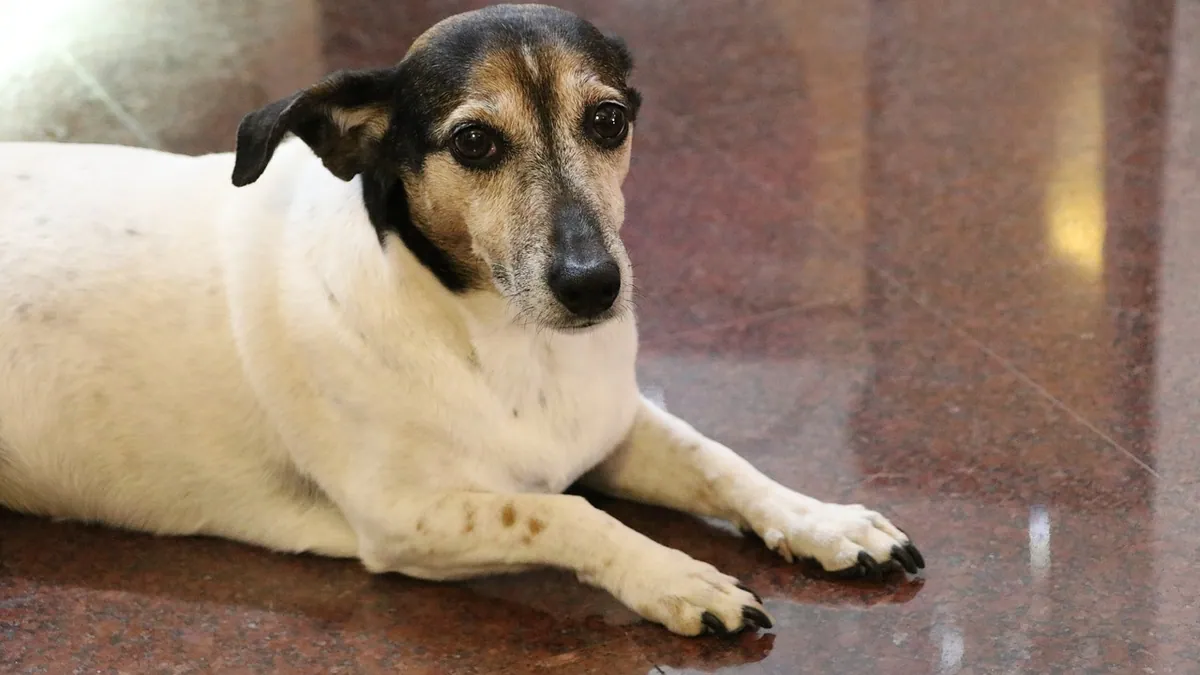
Why does my dog put his paw on me? Most of the time, your dog is using his paw to get your attention, ask for contact, or communicate a need. Pawing is a normal part of how dogs interact with people, but it can also show up when a dog is anxious, uncomfortable, or in pain. This article is educational and is not a substitute for veterinary diagnosis or treatment.
Quick Answer
- Pawing is communication. Your dog may want attention, food, a walk, or simply physical contact with you.
- Direct eye contact from you can increase some attention-seeking behaviors, but research shows pawing does not reliably increase just because you are looking at your dog [1].
- Pawing often drops when a dog is confused or when social contact suddenly stops, which suggests it is tied to active engagement with you [2].
- Sudden, repetitive, or one-sided pawing, especially with limping or licking at a paw, needs a veterinary exam.
- The best response is to reward calm behavior and give attention on your terms, not in the middle of a demand.
Why Does My Dog Put His Paw on Me? Normal Reasons
Pawing is one of the few ways a dog can touch you directly. Dogs have limited hands, so a lifted front leg becomes a tool for contact, balance, and signaling. Here are the common, normal reasons.
Attention seeking
This is the most common reason. Your dog learns that a paw on your leg, arm, or laptop gets a reaction. Even scolding is a reaction, and that can keep the behavior going.
A study on owner gaze found that when owners looked directly at their dogs, the dogs spent more time whining, whimpering, and looking at the owner's face. Pawing did not change between the direct gaze and averted gaze conditions [1]. That tells us pawing is a physical bid for contact, not simply a response to your eyes.
Affection and social contact
Dogs are social animals, and touch is part of bonding. A paw resting on you during quiet time often means your dog wants to be close. Some dogs paw while being petted, as if to say "keep going."
Asking for something specific
Your dog may paw at you before meals, before walks, or when he wants to go outside. If you have ever responded to a paw by getting up, you have taught your dog that the paw works.
Uncertainty or mild stress
Pawing can appear when a dog is unsure what to do. In a study that used a still-face test, where an owner suddenly stopped responding, dogs showed fewer pawing and vocalization behaviors toward the person during the still-face phase compared with the interaction phase [2]. This suggests pawing is part of active back-and-forth engagement, and it can fade when a dog disengages or feels confused.
Your puppy pawing at you
Puppies paw for the same reasons adult dogs do, plus one more: they are still learning how to ask. A puppy who paws at you may be hungry, tired, overexcited, or simply exploring. Puppy pawing is often sharper and more frequent because impulse control is still developing.
Why does my dog give me his paw?
A offered paw can be a trained behavior (like "shake"), a greeting, or a request for contact. If you have ever rewarded a paw with a treat or praise, your dog may offer it as a polite opener. This is normal and usually harmless.
Why does my dog paw at my face?
Pawing at your face is usually a stronger version of attention seeking. It can also happen when your dog wants you to wake up, when he is excited, or when he is anxious and seeking closeness. Because paws can scratch, this behavior is worth redirecting, especially with large dogs and puppies.
Medical Causes to Rule Out
Not all pawing is behavioral. If pawing is new, intense, or aimed at a specific body area, think about health first.
Paw or limb pain
A dog with a sore paw, nail, or joint may paw at the air, at a surface, or at you. Look for licking, chewing, swelling, limping, or reluctance to walk on certain surfaces. Articles on Dog Licking Paws Meaning and Dog Keeps Licking On Paw cover this pattern in more detail.
Skin and allergy problems
Itching from allergies, fleas, or infection can make a dog paw and lick at the same spot repeatedly. If the paw looks red, stained, or bald, that points toward a skin issue. See Dog Licking Paws Cause for common triggers.
Neurologic or orthopedic disease
Weakness, wobbling, neck pain, or back pain can change how a dog uses his front legs. A dog who paws at his own face or ears may have ear pain, dental pain, or a neurologic problem.
Anxiety and compulsive behavior
Some dogs paw as part of an anxiety pattern. This can look like pacing, whining, destructive chewing, or pawing that does not stop when you respond. Anxiety pawing often gets worse in specific situations, such as being left alone or during storms.
When pawing is a pain signal
A dog in pain may paw at you more when you touch a sore area, or he may pull away. If pawing comes with yelping, guarding, or a change in appetite, book a veterinary visit.
When Pawing Becomes a Problem
Pawing is a problem when it affects your dog's health, your household, or your ability to live comfortably together.
Signs it has become demand behavior
- Your dog paws harder or more often when you ignore him.
- He paws during meals, phone calls, or work.
- He escalates to barking, nudging, or jumping.
- He does not settle even after getting attention.
Signs it may be distress
- Pawing comes with panting, pacing, or drooling.
- It happens mainly when you leave or when routines change.
- Your dog cannot relax even when you are home.
- He paws at his own face, ears, or body.
Why ignoring alone often fails
If you ignore a paw and then give in after ten minutes, you have taught your dog that persistence pays. The timing of your response matters more than the response itself.
What to Do: Step by Step
Step 1: Get a veterinary check first
If the behavior is new, sudden, or paired with limping, licking, or appetite changes, start with your veterinarian. This rules out pain and skin disease before you build a training plan.
Step 2: Identify the trigger
Keep a simple log for three to five days. Note when the pawing happens, what happened right before, and what you did. Patterns usually appear fast. Common triggers include mealtimes, your laptop, the front door, and evenings when your dog is bored.
Step 3: Reward calm, not demand
The goal is to teach your dog that a settled body gets attention. When your dog is lying quietly, calmly praise or pet him. When he paws, pause, look away, and wait. The moment he stops and settles, reward that.
Step 4: Give an alternative behavior
Teach a simple cue like "sit" or "go to mat." Ask for the cue before you give anything your dog wants. This turns pawing into a request you can redirect.
Step 5: Meet the underlying need
Many pawing problems are really unmet needs. Make sure your dog gets daily exercise, mental work, and social time. Food puzzles, sniff walks, and short training sessions all help. A tired, mentally satisfied dog paws less.
Step 6: Manage the environment
If pawing happens at your desk, set up a bed nearby and reward your dog for using it. If it happens at the table, feed your dog before your meal or use a puzzle toy. Changing the setup is often easier than changing the dog.
Step 7: Keep responses consistent
Everyone in the house should respond the same way. If one person pets the dog for pawing and another ignores it, the behavior will continue.
Step 8: Track progress
Give any plan at least two to four weeks. Note the number of pawing episodes per day. If the number is not dropping, or if your dog seems more anxious, get professional help.
What Not to Do
Do not punish
Yelling, hitting, or pushing your dog away can increase anxiety and damage trust. Punishment also does not teach your dog what to do instead.
Do not reward the demand
Petting, feeding, or opening the door in the middle of a pawing episode teaches your dog that pawing works. Wait for a calm moment, then reward.
Do not assume it is always affection
Affection is common, but pain and anxiety are real possibilities. A behavior change in an adult dog deserves a closer look.
Myths to drop
- "He is trying to dominate me." Pawing is not a dominance display. It is communication.
- "He knows he is being bad." Dogs respond to consequences, not moral judgments.
- "If I ignore it forever, it will stop." Ignoring without teaching an alternative often makes demand behavior worse.
When to Involve a Veterinarian or Behavior Professional
Call your veterinarian if pawing starts suddenly in an adult dog, if it is one-sided, or if it comes with limping, licking, swelling, or appetite changes. These signs point toward a medical cause.
Ask for a referral to a certified behavior professional if your dog paws constantly, if the behavior is getting worse, if there is aggression, or if your dog cannot settle even with a consistent plan. A board-certified veterinary behaviorist can help with anxiety and compulsive behaviors.
Limitations and When to Contact a Veterinarian
This article covers common patterns, but every dog is different. Individual cases need a veterinarian who can examine your dog, ask about his history, and run tests if needed.
Contact your veterinarian the same day if your dog:
- Suddenly starts pawing at his face, ears, or mouth
- Limps, holds up a leg, or cries when you touch a paw
- Has swelling, bleeding, or a bad smell from a paw
- Stops eating or drinking
- Seems painful or restless
Go to an emergency clinic now if your dog:
- Cannot bear weight on a leg
- Has a swollen, hot, or discolored limb
- Is panting heavily, pacing, or unable to settle
- Collapses, trembles, or seems disoriented
- Has trouble breathing
For routine concerns, such as a slow change in pawing habits or mild licking, book a regular visit. Your veterinarian will set any treatment plan and calculate any medication dose based on your dog's weight and health.
Frequently Asked Questions
Why does my dog paw at me when I stop petting him?
He has learned that pawing restarts the petting. This is a demand behavior, and it is common. Pause, wait for a calm moment, then resume petting on your terms.
Why does my dog give me his paw without being asked?
He may be offering a behavior that has worked before, or he may want contact. If you have ever rewarded a paw with attention or treats, he will repeat it. You can redirect him to a sit or a mat instead.
Why does my dog paw at my face?
Face pawing is usually a stronger bid for attention or closeness. It can also happen when your dog is excited or anxious. Because paws can scratch, teach an alternative like resting his head on your lap.
Why does my puppy paw at me so much?
Puppies paw because they are still learning how to ask for things. They also paw when tired, hungry, or overexcited. Consistent responses and plenty of rest help the behavior settle.
Can pawing be a sign of pain?
Yes. A dog in pain may paw at a sore area or at you, especially if the pawing is new or one-sided. If pawing comes with limping, licking, or appetite changes, see your veterinarian.
Related Articles
- Dog Licking Paws Meaning
- Dog Paw
- Dog Licking Paws Cause
- Dog Keeps Licking On Paw
- Dog Licking On Paws
- Dog Licking His Paws
- Why Does My Dog Always Lay on Me?
- Why Does My Dog Stare at Me? What Staring Means
- Why Does My Puppy Want to Sleep on Me? Meaning and Tips
References
- Owners' direct gazes increase dogs' attention-getting behaviors. Behavioural processes, 2016.
- Still face in pet dogs (Canis familiaris). Journal of comparative psychology (Washington, D.C. : 1983), 2024.