Dog Not Interested in Toys or Treats Anymore: Why
By Dr. Zubair Khalid, DVM, MS, PhD ·
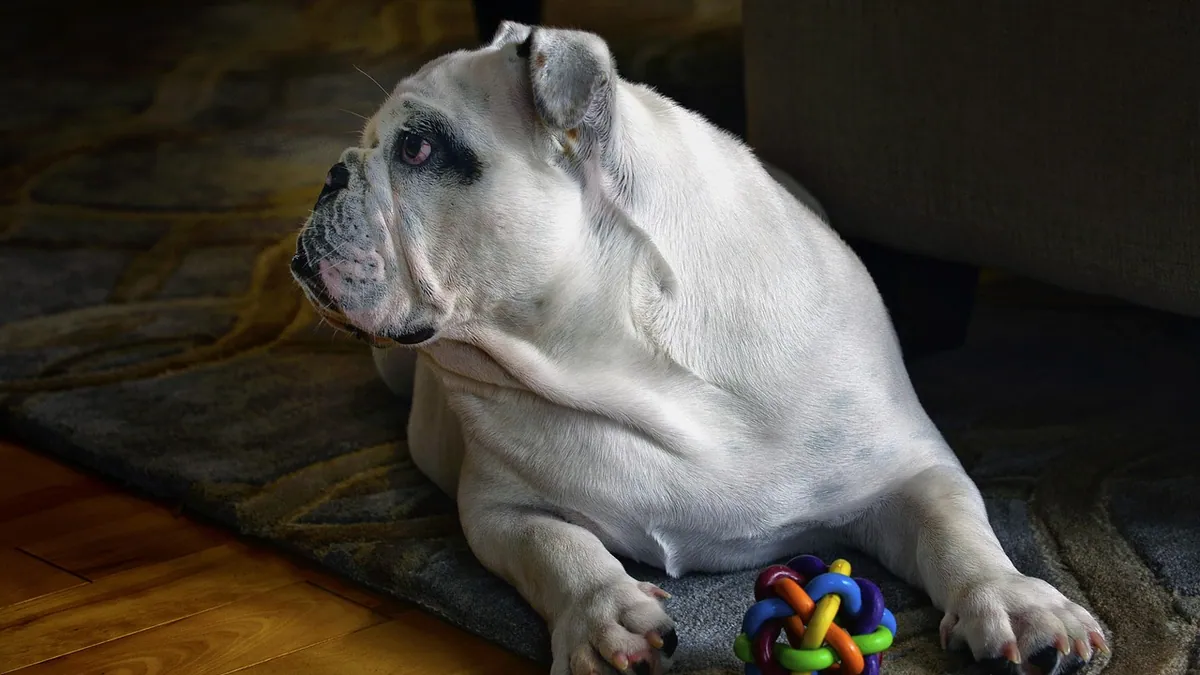
A dog who suddenly loses interest in toys or treats is usually showing you a change in how they feel, either physically or emotionally. Some shifts are normal, like a puppy calming down or a dog who simply prefers people to playthings. Others point to pain, illness, or depression, and those need a veterinarian. This article is educational and is not a substitute for veterinary diagnosis or treatment.
Quick Answer
- A slow, gradual loss of interest as a dog matures is often normal, but a sudden change over days is a red flag.
- Pain is the most common hidden cause. Dental disease, arthritis, and abdominal pain all kill play drive before they cause obvious limping.
- If your dog also eats less, vomits, has diarrhea, or seems tired, call your veterinarian instead of waiting.
- Try a short enrichment reset first: new toy textures, food puzzles, sniff walks, and short training sessions with high-value food.
- Never punish a dog for refusing to play or eat. Punishment adds stress and can make the problem worse.
Why Your Dog Not Interested in Toys Anymore: Normal Reasons First
Before you worry, rule out the ordinary explanations. Many dogs change how they play as they grow up, and that change is not a disease.
Age and life stage
Puppies explore everything. Adult dogs often become pickier. A dog who ignored a Kong as a puppy may love it at two years old, or the reverse. Play drive naturally settles as a dog's brain matures.
Personality and breed tendencies
Some dogs are ball dogs. Others would rather sniff, herd, or sit next to you. A dog who never cared much for toys is not sick, they are just themselves. The question that matters is whether your dog changed, not whether your dog plays like the dog next door.
Habituation and boredom
Dogs get used to the same toy the same way. When a toy stops being interesting, the behavior fades. This is called habituation, and it can reverse if enough time passes before the dog sees that toy again, a pattern called spontaneous recovery [1]. Rotating toys every few days uses this principle in your favor.
Reinforcement history
Behavior follows consequences. If a toy stopped producing treats, squeaks, or your attention, your dog learned it was not worth the effort. Reinforcement is any event that increases the chance a behavior repeats, and it can be positive (a reward) or negative (relief from something unpleasant) [1]. A toy that once paid off and now does not will be dropped.
Environmental stress
A new baby, a move, a loud apartment, or a change in your schedule can flatten a dog's interest in play. Dogs read our stress too. If your household has been tense, your dog may be reacting to that.
Medical Causes to Rule Out
When a dog who loved toys and treats stops caring, the body is the first place to look. Pain and nausea both suppress play and appetite, often before anything else shows.
Pain and dental disease
Dogs hide pain well. Chewing a toy or taking a hard treat can hurt if a tooth is fractured, a root is infected, or the jaw is sore. A dog with dental pain may still eat soft food and still wag, but refuse anything that requires biting down.
Arthritis and mobility pain
An older dog with sore hips or elbows may stop chasing balls because running hurts. The loss of play looks like laziness. Watch for stiffness after rest, trouble on stairs, or a slower rise from the floor.
Gastrointestinal problems
Nausea, stomach upset, and abdominal pain reduce both appetite and play. One reported case involved a 7-month-old Labrador Retriever with vomiting, inappetence, and lethargy who turned out to have a rare pancreatic torsion, a twisted organ that required surgery [2]. That is uncommon, but it shows how quickly a young dog's energy and appetite can fall for a physical reason.
Systemic illness
Lethargy and food refusal can signal serious disease. In one case report, a dog with severe leishmaniasis showed profound lethargy, vomiting, diarrhea, and complete refusal of food and water [3]. Many conditions can look like this, from infections to organ disease, and only testing sorts them out.
Respiratory and other hidden disease
A dog with breathing trouble will not run or tug. A Cocker Spaniel with progressive lethargy, rapid breathing, and cough was found to have lung inflammation linked to inhaled mushroom spores [4]. If your dog tires faster than usual, pants at rest, or coughs, that is a medical visit, not a training problem.
Depression and anxiety
Dogs can become withdrawn after loss, a household change, or chronic stress. A dog who sleeps more, avoids interaction, and shows no joy in anything they used to love may be depressed. This is a real condition and it deserves veterinary attention.
When Loss of Interest Becomes a Problem
A behavior is a problem when it is new, when it is getting worse, or when it comes with other signs. Use this simple test.
- Sudden onset. A change over one to three days is more suspicious than a change over six months.
- Multiple losses. Losing interest in toys alone is one thing. Losing interest in toys, treats, walks, and you is another.
- Physical signs. Vomiting, diarrhea, weight loss, bad breath, limping, coughing, or accidents in the house.
- Behavior changes. Growling, hiding, pacing, or snapping when touched.
Veterinarians separate normal but unwanted behaviors from abnormal behaviors caused by an underlying disorder [5]. Refusing to play can be either one, and the pattern tells you which.
What to Do Step by Step
Step 1: A two-day observation log
Write down what your dog eats, drinks, plays with, and how they move, morning and evening. Note the last time they happily took a treat. This log is the single most useful thing you can bring to a vet visit.
Step 2: Rule out the obvious
Check your dog's mouth for broken teeth, redness, or a bad smell. Run your hands gently over the legs, back, and belly, watching for flinching. Check the gums, which should be pink, not pale or tacky. If anything looks off, stop and call your veterinarian.
Step 3: A short enrichment reset
If your dog seems physically fine, try a reset for three to five days.
- Rotate toys. Put half away and bring them out later. Novelty restores interest [1].
- Change the texture. Try a plush, a rubber chew, a rope, and a food-stuffed toy.
- Make food a puzzle. Scatter kibble in a snuffle mat or use a food puzzle instead of a bowl.
- Go on sniff walks. Ten minutes of letting your dog lead and sniff can do more for mood than a game of fetch.
- Keep sessions short. Two to five minutes, then stop while your dog still wants more.
Step 4: Use the cue-response-reward pattern
This is a structured way to rebuild motivation. Before your dog gets something they want, they respond to a known cue like sit, then they get the reward, which can be a treat, a toy, play, or attention [5]. With repetition, your dog relearns that engaging with you pays off. Start with easy cues and reward generously.
Step 5: Rebuild treat interest
If your dog is not interested in treats, try a different form. Soft, smelly food often works when crunchy biscuits do not. Warm a small piece of plain cooked chicken or use a dab of wet food. Offer one small piece and walk away. Do not hover. If your dog refuses food entirely for more than a day, that is a veterinary problem, and our guide on why your dog is not eating walks through the next steps.
Step 6: Check the environment
- Keep play areas quiet and predictable.
- Give your dog a resting place away from foot traffic. Control of resting places matters, and dogs can become defensive about food, toys, or beds when they feel pressured [6].
- Avoid rough grabbing or restraint during play. Physical restraint is a common trigger for defensive reactions [6].
- Watch for play that tips into overarousal. Play bows, chases, and charges are normal play signals, and energetic games like tug do not automatically create aggression [6].
Step 7: Try a new game
Some dogs quit toys because the game got stale, not because they are sick. Try a flirt pole, a treat toss, hide and seek, or a cardboard box with kibble inside. If your dog is a chewer, our article on dog chew toys covers safe options and sizes.
What Not to Do
- Do not punish refusal. Taking away a toy, yelling, or forcing play adds stress. Punishment does not rebuild motivation.
- Do not force a treat into your dog's mouth. If your dog is nauseated, this can make food aversion worse.
- Do not assume it is just aging. Pain in older dogs is treatable, and many dogs play again once it is managed.
- Do not wait weeks. A short trial at home is fine. A month of declining interest is not.
- Do not use a toy as a test. A dog who ignores a ball may still want a walk. Judge the whole dog, not one object.
If your dog does eat a toy, that is a separate emergency. Read dog ate a toy: when to worry and what to do and how to tell if a toy will pass or cause a blockage.
When to Involve a Veterinarian or Behavior Professional
Call your veterinarian if the change lasts more than two or three days, if it comes with any physical sign, or if your dog is older and slowing down. A veterinarian can examine the mouth, joints, abdomen, and heart, and run bloodwork or imaging as needed. Dose decisions for any medication are made by your veterinarian based on your dog's weight and health, so never give human pain relievers on your own.
Ask for a referral to a veterinary behaviorist or certified behavior consultant if your dog shows fear, aggression, or panic around toys, food, or people. Aggression toward family members is often driven by fear, possessiveness, or conflict, and it cannot be diagnosed from a single event [6]. A qualified professional can build a safe plan. If your dog guards toys or food, do not test them by reaching in.
Limitations and When to Contact a Veterinarian
This article cannot tell you what is wrong with your individual dog. Only a veterinarian who examines your dog can do that.
Emergency now: trouble breathing, collapse, a swollen or painful belly, repeated vomiting, blood in vomit or stool, pale gums, a seizure, or a suspected toy blockage.
Same day: refusal of all food and water for more than 24 hours, vomiting more than twice, diarrhea with blood, a sudden limp, or a dog who cannot settle or stand comfortably.
Routine visit within a few days: a gradual drop in play and treat interest, new bad breath, stiffness after rest, weight loss, or a mood change that lasts more than a week.
Behavior visit: growling, snapping, hiding from family members, or panic when toys or food are nearby.
Frequently Asked Questions
Is it normal for an older dog to stop playing?
Yes, some decline is normal with age, but a sharp drop is not. Older dogs often have dental disease or arthritis that makes play painful. A veterinary exam can find and treat those problems, and many dogs return to playing.
Can a dog be depressed?
Yes. Dogs can show withdrawn behavior, low energy, and loss of interest after loss or major change. Depression in dogs is a real concern, and a veterinarian can check for medical causes and discuss treatment options.
Why does my puppy ignore the Kong?
Puppies often ignore a Kong because the food inside is too hard to reach or not smelly enough. Try softer, warmer food, make the opening easier at first, and offer it when your puppy is calm and a little hungry.
Should I worry if my dog still eats but will not play?
Yes, that pattern deserves a check. A dog can eat soft food while having dental pain, joint pain, or heart and lung disease that limits activity. Book a routine visit and describe exactly when the play stopped.
How long should I try enrichment before calling the vet?
Give it two to three days. If your dog is not improving, or if any physical sign appears, call your veterinarian. Waiting longer is only reasonable if your dog is otherwise bright, eating well, and slowly improving.
Related Articles
- Dog Ate a Toy: When to Worry and What to Do
- My Dog Ate a Toy: How to Tell If It Will Pass or Cause a Blockage
- Dog Chew Toys
- Dog Treats
- Why Is My Dog Not Eating?
- Dog Chewing Paws: Allergies, Anxiety, or Boredom?
- Do Dogs Get Bored? Signs, Causes, and How to Help
- Why Your Dog Won't Eat: Picky Eating vs Bad Food
- Dog Not Finishing Food or Keeping It Down: Causes
References
- Behavior Modification in Dogs - Dog Owners. Merck Veterinary Manual.
- Ultrasound Features of Pancreatic Torsion in a Young Dog. Veterinary radiology & ultrasound : the official journal of the American College of Veterinary Radiology and the International Veterinary Radiology Association, 2026.
- Rapid Clinical Improvement Temporally Associated with Off-Label LetiFend® Vaccination in Canine Leishmaniasis: A Case Report. Vaccines, 2026.
- Successful immunosuppressive treatment of hypersensitivity pneumonitis secondary to lycoperdonosis in a dog. Journal of veterinary internal medicine, 2026.
- Behavior Problems of Dogs - Behavior. Merck Veterinary Manual.
- Behavior Problems in Dogs - Dog Owners. Merck Veterinary Manual.