Why Your Dog Won't Come When Called and How to Fix It
By Dr. Zubair Khalid, DVM, MS, PhD ·
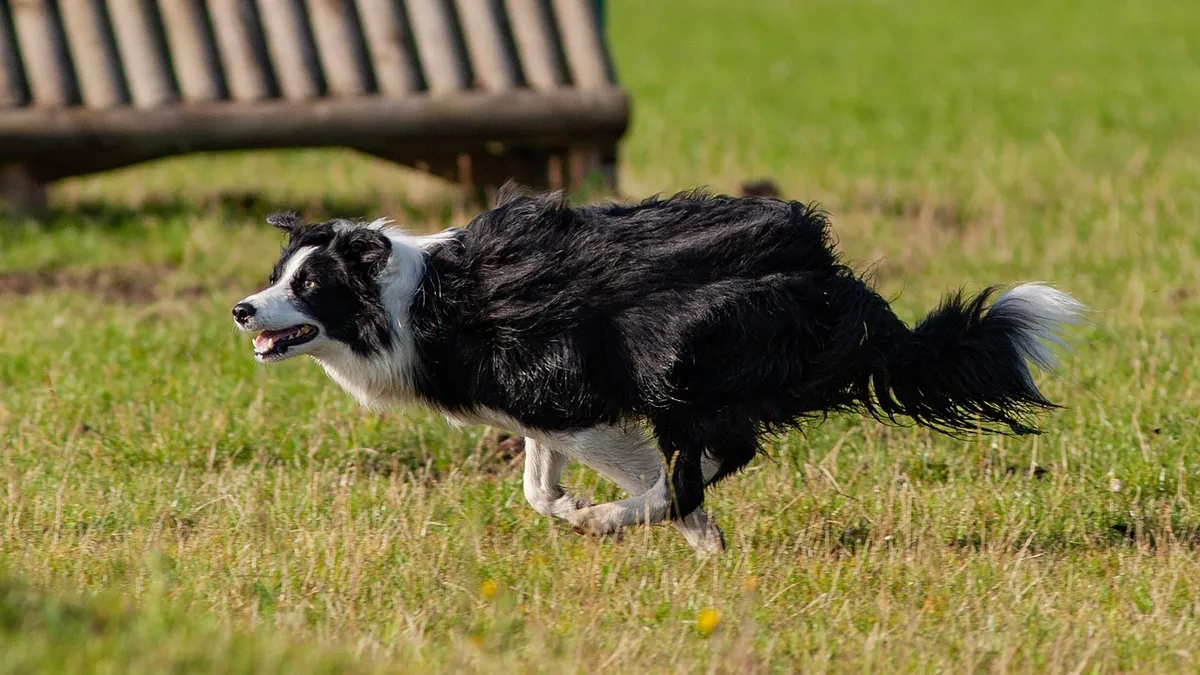
A dog who stops coming when called is usually not being stubborn. Most recall failures come from normal dog behavior, past punishment, or a reward that beats whatever you are offering. The good news is that recall is a skill you can rebuild with the right rewards, the right equipment, and a plan that never punishes a dog for coming.
This article is educational and is not a substitute for veterinary diagnosis or treatment.
Quick Answer
- Coming when called is a trained skill, not a test of loyalty. Dogs repeat behaviors that pay off, so recall improves when coming to you predicts something better than whatever the dog is doing.
- Never punish a dog who comes to you, even if it took five minutes. Punishment at that moment teaches the dog that coming is risky.
- Rule out pain and hearing loss first, especially if your dog used to have a solid recall and stopped. Sudden changes in any trained behavior deserve a veterinary visit.
- Practice on a long line in a safe area before you ever trust recall off leash. A dog who ignores recall can be injured by cars, other dogs, or wildlife.
- Use rewards your dog actually wants in that moment. Kibble in the kitchen will not compete with a squirrel in the park.
Why Your Dog Ignores Recall
Normal Reasons Dogs Stop Coming
Recall competes with everything else in your dog's world. Sniffing, chasing, greeting other dogs, and exploring are all rewarding on their own. When you call, you are asking your dog to stop something fun and do something less fun. If your history of calling has been boring, scary, or unpredictable, the math stops working in your favor.
Dogs also generalize poorly. A dog who comes perfectly in your living room may not understand that "come" means the same thing at the dog park. Each new place, distraction level, and weather condition is a new lesson.
Social motivation varies between dogs and even between situations for the same dog. Research on human-directed social motivation in dogs found that behaviors like orienting toward people, treating social contact as a reward, and maintaining contact did not line up as one single trait, which suggests social motivation is not consistent across contexts [1]. In plain terms, your dog may love being near you at home and still find you irrelevant when there is a deer nearby.
Why Your Dog Stopped Coming "Anymore"
A sudden change in a previously reliable behavior is different from a dog who never learned recall well. If your dog not coming when called anymore is a new problem, think about what changed. Did you start calling your dog only to do unpleasant things like nail trims, baths, or leaving the park? Did your dog have a scary experience while off leash? Is your dog older, stiffer, or slower to respond to sound?
Pain and sensory decline are common and easy to miss. A dog with arthritis may not want to run back to you. A dog losing hearing may not respond to your voice at all but may still respond to hand signals or vibrations.
Why Punishment Backfires
Many owners accidentally poison their recall. Calling the dog, then scolding, grabbing the collar, or ending the fun is a common pattern. The dog learns that coming to you predicts something bad. From then on, the dog avoids you or slows down.
This is why trainers repeat one rule above all others: never punish a dog that comes. Even a harsh tone at the wrong moment can undo weeks of work.
Medical Causes To Rule Out First
Before you build a training plan, have your veterinarian examine your dog, especially if the recall problem started suddenly or came with other changes.
Pain and Mobility Problems
Dental disease, ear infections, arthritis, and back pain can all make a dog reluctant to move quickly toward you. A dog in pain may also be more irritable or less interested in treats. If your dog is also eating less than usual, that combination deserves a call. You can read more about appetite changes in Why Is My Dog Not Eating? and about mild stomach upset in Dog Vomiting Once and Acting Normal: Should You Wait or Call?.
Hearing Loss
Hearing loss is common in older dogs and in some breeds. Test it at home by making a sudden noise behind your dog when your dog cannot see you. If there is no reaction, ask your veterinarian about a hearing evaluation. Dogs with hearing loss can still learn to come to hand signals, lights, or vibration cues.
Other Medical Causes
Any condition that causes fatigue, confusion, or discomfort can weaken recall. Your veterinarian can decide which tests are appropriate based on your dog's age, breed, and history. There is no single test for "won't come when called," so the exam and history matter most.
Medication and Compliance
If your dog is on medication for a chronic condition, missed doses can affect energy, comfort, and behavior. Owner compliance with veterinary medication instructions is a real challenge. In one survey of dog owners, noncompliance was recorded for 47% of owners, and 47% reported that nobody had shown them how to give the medication [2]. Ask your veterinary team to demonstrate any medication you are unsure about. If your dog is on a monthly preventive, keep in mind that only 24.4% of dogs under veterinary care achieve full-year purchase compliance with monthly macrocyclic lactones, and owner noncompliance, not product failure, drives most infections in established patients [3]. Staying current on preventives keeps your dog healthy enough to train.
When Recall Becomes a Real Problem
Recall problems range from annoying to dangerous. It becomes a serious welfare and safety issue when any of these apply:
- Your dog gets loose and will not return near traffic, other dogs, or wildlife.
- Your dog bolts out of the yard or front door.
- Your dog has bitten, chased, or been bitten during a recall failure.
- Your dog is guarding food, toys, or resting spots and will not come away from them. Resource guarding is common in companion dogs and affects human safety, canine welfare, and the human-canine bond [4]. A dog who guards resources needs a behavior plan, not just recall practice.
- Your dog's recall decline came with pain signs, appetite changes, coughing, or vomiting. See Dog Coughing: When to Call the Vet and Home Care Tips if coughing is part of the picture.
Behavior problems are a leading reason dogs are surrendered or not adopted from shelters, which makes training everyday obedience behaviors a welfare issue, not a luxury [5]. Getting help early protects your dog's place in your home.
How To Rebuild Recall: A Step-by-Step Plan
Step 1: Get a Veterinary Check First
Book an exam if the change was sudden, if your dog is middle-aged or older, or if you see any pain, appetite, or energy changes. Training a dog in pain does not work well, and it is unfair to try.
Step 2: Pick Rewards That Beat the Environment
Make a list of your dog's top five foods and top three toys. Use the best ones only for recall practice. A reward only counts if your dog wants it more than the distraction at hand. If your dog ignores chicken at the park, the park is too hard for now, or the reward is too weak.
Step 3: Charge a New Word
Pick one cue and use it every time. Say your dog's name, then the cue, then reward. Practice in a quiet room with no distractions. Ten repetitions, three times a day, is plenty. Keep sessions short.
Step 4: Add Distance and Distraction Slowly
Move to a hallway, then a yard, then a quiet park. At each new level, make it easier before you make it harder. If your dog fails twice in a row, you moved too fast. Go back one step.
Step 5: Use a Long Line
A long line is a lightweight leash, usually 15 to 30 feet, attached to a harness. It lets your dog practice coming while you keep control. Never attach a long line to a neck collar, and never let it wrap around legs or people. Practice in a fenced area or open space away from roads.
Step 6: Pay Every Single Time
Every recall should end with something good: food, play, or both. One study tested whether play after training improved two basic obedience behaviors, "sit" and "stay," in pet dogs. Dogs with lower baseline ability improved more after playing than after resting in the first experiment, but a second, more controlled experiment did not replicate that improvement [5]. The practical lesson is simple: play is worth trying as a reward after training, but it is not a guaranteed shortcut. Food and play together give you the best odds.
Step 7: Practice in Real Life
Ask a friend to hold your dog while you hide, then call. Practice calling your dog away from a sniff spot, then release your dog back to it. This teaches your dog that coming does not always mean the fun ends.
Step 8: Manage the Environment
Use a fence, a gate, a leash, or a harness until recall is reliable. Do not rely on an electronic collar as a shortcut. Aversive tools can suppress behavior without teaching what you want, and they risk the same fallout as punishment.
Step 9: Add Enrichment
A bored, under-exercised dog is harder to train. Sniff walks, food puzzles, and training games burn mental energy. Enrichment also lowers the odds that your dog is rehearsing the "ignore you" habit all day.
Step 10: Track Progress
Keep a simple log. Note the location, the distraction, and whether your dog came on the first call. Progress is not linear, and a bad day is data, not failure.
What Not To Do
- Do not punish a dog who comes, even late. This is the single most common reason recall falls apart.
- Do not chase your dog. Chasing turns recall into a game you always lose.
- Do not repeat the cue over and over. "Come, come, come, come" teaches your dog that the first words mean nothing.
- Do not call your dog only for unpleasant things. Balance the ledger with rewards.
- Do not assume a treat from the kitchen will work outside. Match the reward to the distraction.
- Do not trust off-leash freedom before recall is proven in many places and situations.
- Do not use fear or startle tools without guidance from a veterinary behavior professional. They can damage the human-animal bond and make the problem worse.
If barking is part of your dog's outdoor behavior, see How To Get My Dog To Stop Barking for related strategies.
When To Involve a Veterinarian or Behavior Professional
Call your veterinarian if recall changes suddenly, if your dog seems painful or confused, if hearing seems reduced, or if your dog is also eating less, vomiting, or coughing. A veterinarian can rule out medical causes and refer you to a board-certified veterinary behaviorist or a certified applied animal behaviorist for complex cases.
Seek a behavior professional right away if your dog has bitten anyone, guards resources, or has a history of escape and traffic exposure. These are safety issues that need a structured plan, not trial and error.
Limitations and When to Contact a Veterinarian
This article gives general guidance. Individual cases need a veterinarian who can examine your dog, take a full history, and decide what testing or treatment is appropriate.
Contact your veterinarian the same day if your dog shows sudden weakness, collapse, disorientation, or a major change in behavior. Go to an emergency clinic now if your dog is hit by a car, has trouble breathing, has a seizure, or has uncontrolled bleeding. Book a routine visit if recall declined gradually, if your dog seems stiff or slow, if hearing seems worse, or if you have tried training for several weeks without progress.
Frequently Asked Questions
Why does my dog come to me at home but ignore me outside?
Dogs do not automatically transfer a skill from one place to another. Outside, the distractions are stronger and the rewards are more interesting. Practice in easy places first, then add distance and distraction in small steps.
Should I use a shock collar to fix recall?
No. Aversive tools can suppress behavior without teaching your dog what you want, and they risk the same fallout as punishment. A long line, high-value rewards, and gradual practice are safer and more durable.
How long does recall training take?
It depends on your dog's age, history, and how much you practice. Puppies and dogs with a poisoned recall often need weeks to months of short daily sessions. Consistency matters more than session length.
My puppy is not coming when called. Is that normal?
Yes, this is very common in puppies. Puppies have short attention spans and strong urges to explore. Keep sessions brief, reward heavily, and never punish a puppy for coming, even slowly.
Can an older dog learn to come when called again?
Yes, older dogs can learn new cues, but pain and hearing loss must be checked first. If your veterinarian clears your dog, use hand signals, high-value food, and short sessions. Older dogs often do best with gentler, slower practice.
Related Articles
- Dog Not Eating But Acting Normal: When to Wait and When to Call
- How To Get My Dog To Stop Barking
- Dog Coughing: When to Call the Vet and Home Care Tips
- Dog Vomiting Once and Acting Normal: Should You Wait or Call?
- Why Is My Dog Not Eating?
- My Dog Won't Eat: When to Worry
- How to Get Your Dog to Come When Called: Reliable Recall
- Why Your Puppy Isn't Listening to You (and How to Fix It)
- Why Is My Dog Ignoring Me All of a Sudden?
References
- Behavioural manifestations of human-directed social motivation in dogs. Scientific reports, 2026.
- Factors Associated with Medication Noncompliance in Dogs in New Zealand. Animals : an open access journal from MDPI, 2024.
- Are common clinical protocols prioritizing detection over prevention in canine Dirofilaria immitis?. Journal of the American Veterinary Medical Association, 2026.
- Resource management practices of Canadian and American domestic dog breeders and associations with puppy competitive behaviour: A cross-sectional study. Animal welfare (South Mimms, England), 2026.
- Does Play After Training Improve a Canine Good Citizenship Skill in Pet Dogs?. Animals : an open access journal from MDPI, 2025.