Why Is My Dog Mean to My New Puppy? Introducing Tips
By Dr. Zubair Khalid, DVM, MS, PhD ·
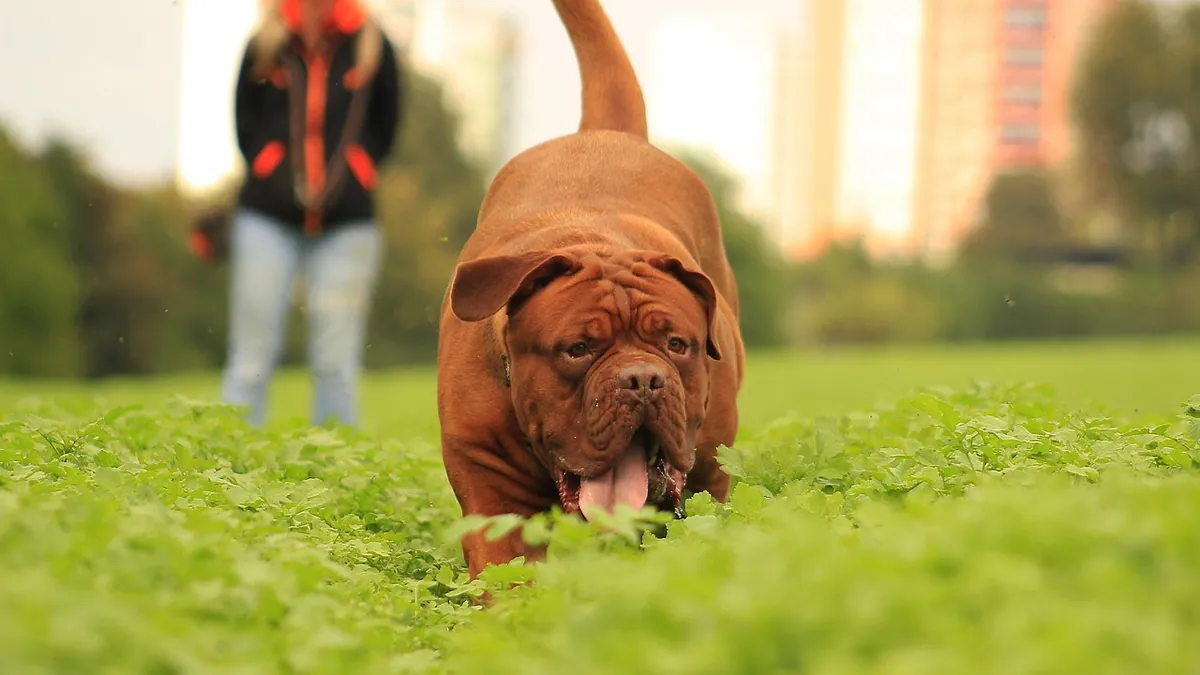
Why is my dog mean to my new puppy? In most cases, an adult dog who growls, snaps, or avoids a new puppy is setting normal boundaries, not plotting harm. Puppies often ignore polite signals, so adult dogs correct them the only way they can. The trouble starts when the correction is intense, repeated, or leaves the puppy frightened or injured.
This article is educational and is not a substitute for veterinary diagnosis or treatment.
Quick Answer
- Growling, lip lifting, and a quick air snap are normal canine corrections when a puppy is rude or pushy.
- A single hard bite, a shake, a pin that does not stop, or a puppy who hides constantly is not normal and needs professional help.
- Pain, dental disease, arthritis, and thyroid problems can make an adult dog short-tempered, so a vet visit comes first.
- Feed dogs separately, remove shared toys and chews, and give the adult dog escape routes and quiet zones.
- Never punish a growl. It removes the warning that keeps everyone safe.
Why Is My Dog Mean to My New Puppy? Normal Reasons First
Adult dogs rarely hate puppies. They dislike rude behavior, and puppies are rude by design. A puppy who jumps on an older dog's head, steals food, or bites ears is asking for a correction.
Boundary-setting is normal dog language
A growl, a stiff body, a lip curl, and a snap that misses are all warnings. They mean "back off." Most adult dogs use these signals for a few weeks, then relax as the puppy learns manners. This is how dogs teach each other social rules.
The adult dog may not want to share
Resource guarding is common in companion dogs and affects safety, welfare, and the bond between dog and owner [1]. Food bowls, bones, chews, beds, and favorite toys are the usual triggers. A dog who has never guarded before can still guard when a strange puppy enters the home.
Your adult dog may be stressed by change
A new puppy takes attention, space, and routine. Some dogs handle this well. Others need time. Stress can show up as growling, hiding, pacing, or refusing food.
Early experiences shape how dogs react
Puppies form primary social bonds during a sensitive period from about 3 to 12 weeks of age [2]. A dog who missed positive experiences during that window may be more fearful or reactive as an adult. That history matters when you bring a new puppy home.
The puppy may be the pushy one
Owners sometimes ask why is my puppy mean when the puppy is the one nipping, mounting, or body-slamming the adult dog. Puppies also guard food and toys. Breeders vary widely in how they manage puppies around resources, and those early experiences can shape competitive behavior later [3].
Medical Causes to Rule Out Before You Blame Behavior
A sudden change in an adult dog's patience is a medical question first. Pain is the most common culprit.
- Dental disease, broken teeth, or oral pain
- Arthritis or back pain, especially in older dogs
- Ear infections or skin infections
- Thyroid disease
- Vision or hearing loss that makes a puppy's approach startling
- Neurologic disease
A 9-month-old dog in one case report showed escalating aggression toward people in many contexts, and a full medical workup found no underlying abnormalities [4]. That outcome is useful. It shows that a thorough exam is how veterinarians separate medical triggers from behavioral ones. Your veterinarian will decide what testing your dog needs.
When Growling and Snapping Becomes a Problem
Not all corrections are equal. Use this rough guide.
Likely normal:
- Growling that stops when the puppy backs off
- A snap that misses
- The adult dog walks away and the puppy follows
- The puppy recovers in seconds and plays again
Concerning:
- Bites that connect and break skin
- The adult dog pins the puppy and does not release
- The puppy hides, trembles, or avoids the adult dog for hours
- The adult dog guards you, doorways, or furniture
- The behavior gets worse over weeks instead of better
Emergency:
- Any bite to the puppy's face, neck, or abdomen
- A puppy who cannot walk, cries when touched, or bleeds
- A dog who redirects onto a person who tries to break it up
Aggression that appears in many contexts, including handling, play, and resource guarding, is a serious pattern that needs a full behavioral evaluation [4]. Do not wait months hoping it fades.
How to Introduce a New Puppy to Your Adult Dog
First impressions matter, and planning reduces risk [5]. Go slowly and keep control of the environment.
Before the puppy comes home
Remove anything your dog may not want to share, including food bowls, bones, chews, toys, and beds [5]. Even a dog with no history of guarding can surprise you. Tidy your space. Open layouts work better than narrow hallways, because tight spaces force dogs closer than they are comfortable with and can trigger aggression [5].
The first meeting
- Meet on neutral ground, not in your home.
- Use two handlers and two leashes.
- Walk parallel at a distance, then gradually close the gap.
- Keep the first session short, five minutes or less.
- End while both dogs are calm.
If your dog has a history of fighting with other dogs, talk to a Veterinary Behaviorist or Certified Professional Dog Trainer before any introduction [5].
The first two weeks at home
- Keep dogs separated when you cannot watch them.
- Use baby gates, crates, and exercise pens.
- Rotate free time so each dog gets one-on-one attention.
- Feed in separate rooms with the doors closed.
- Pick up all chews and toys after each session.
Reading body language
Watch for loose, wiggly movement and play bows. Those are good signs. Watch for a hard stare, a stiff tail, freezing, or a closed mouth. Those mean "too close." Interrupt and separate before a correction happens.
Training, Enrichment, and Environment
Train the puppy first
A puppy with manners gets corrected less. Teach sit, come, settle, and leave it. Reward calm behavior around the adult dog. For structured help, see Puppy Training Tips For Beginners and Puppy Training Tips Week By Week.
Train the adult dog too
Reward your adult dog for relaxed behavior when the puppy is nearby. Toss treats for looking at the puppy and then looking back at you. This builds a positive association without forcing contact.
Give the adult dog control
Dogs do better when they can leave. Keep the adult dog's crate, bed, or a gated room as a puppy-free zone. Never let the puppy follow the adult dog into that space. If your dog walks away, call the puppy to you and reward the puppy for coming.
Use enrichment to lower tension
Puzzle feeders, sniff walks, and chew time in separate spaces reduce arousal. A tired, mentally satisfied dog has less reason to snap.
Manage resources
Feed separately, always. Give chews only in crates or behind gates. Put away high-value toys. Resource guarding is common and can be managed well when owners control access to valued items [1]. If your dog guards food or objects, ask your veterinarian for a behavior referral.
Keep sessions short and positive
Two or three short, supervised sessions a day beat one long, stressful one. Stop while things are calm. For more general guidance, see Dog Training Tips Puppy.
What Not to Do
Do not punish growling
A growl is information. If you scold a dog for growling, you may remove the warning and get a bite with no notice. That is worse for everyone.
Do not use aversive tools or methods
Shock collars, prong collars, and alpha rolls raise fear and can make aggression worse. They also damage your relationship with the dog.
Do not force them to "work it out"
Letting dogs sort it out themselves risks injury to a small puppy. Puppies can be seriously hurt by a single hard bite.
Do not leave them alone together
Supervision means your eyes on both dogs. If you leave the room, separate them. No exceptions in the first weeks.
Do not believe these myths
- "He will get used to it." Sometimes true, but not without management.
- "She is just jealous." Jealousy is not a useful diagnosis. Resource guarding and stress are.
- "The puppy needs to learn a lesson." Puppies learn from gentle, consistent guidance, not from being frightened.
- "A growl means he is vicious." Most growls are normal communication.
Do not ignore early warning signs
Owners sometimes get advice to wait and see. In one case report, behavioral issues were minimized by outside advisors before referral, and the dog had already bitten multiple people [4]. Early professional input is safer.
When to Call a Veterinarian or Certified Behavior Professional
Get help if any of these apply:
- Any bite that breaks skin
- Growling, snapping, or lunging at people
- Guarding of food, toys, or people
- The adult dog blocks the puppy from rooms or resources
- The puppy shows fear, hiding, or appetite loss
- No improvement after two to three weeks of management
- You feel unsafe managing the dogs alone
Start with your veterinarian. They will check for pain and illness and can refer you to a board-certified veterinary behaviorist or a certified professional dog trainer. If your dog has a history of fighting with other dogs, that referral should come before the introduction, not after [5].
Limitations and When to Contact a Veterinarian
This article cannot tell you whether your specific dog is safe. Only a veterinarian who examines your dog can do that. Individual cases need a veterinarian.
Contact your veterinarian the same day if:
- Your adult dog suddenly becomes irritable or snaps at familiar people
- Your dog stops eating, vomits, or seems painful
- The puppy is limping, crying, or quiet and withdrawn
Go to an emergency clinic now if:
- The puppy has a bite wound, bleeding, or trouble breathing
- The puppy cannot stand or seems disoriented
- A person was bitten and the wound is deep or on the face or hand
Schedule a routine visit if:
- The behavior is mild but not improving
- You want help with a training and management plan
- You need a referral to a behavior specialist
Frequently Asked Questions
Is it normal for my adult dog to growl at my new puppy?
Yes, growling is normal dog communication in most cases. It usually means the adult dog wants space, and it often stops once the puppy backs off. If the growl comes with a hard stare, a stiff body, or a bite, treat it as a warning sign and get help.
How long does it take for an adult dog to accept a new puppy?
There is no fixed timeline. Some dogs adjust in days, and others need weeks or months of slow, supervised contact. Progress should move in the right direction, with fewer corrections over time. If things get worse instead of better, call your veterinarian.
Should I let them fight it out?
No. Letting dogs settle it themselves risks serious injury to a small puppy. Supervise all contact, separate them when you cannot watch, and interrupt tension early. A single hard bite can cause lasting damage and set back training.
Why does my dog guard food from the puppy?
Resource guarding is common in companion dogs and can affect safety and the human-animal bond [1]. Dogs guard food, toys, bones, and sometimes people. Feed dogs in separate rooms, remove shared chews, and ask your veterinarian about a behavior plan.
Can a puppy be the aggressive one?
Yes. Puppies can guard food and toys, nip hard, and refuse to back off when an adult dog warns them. Breeders manage puppies around resources in very different ways, and those early experiences can shape competitive behavior [3]. If your puppy is the pushy one, start training early and keep sessions short.
Does early adoption make behavior problems more likely?
It can play a role. Puppies adopted at 1 or 2 months of age showed more behavioral signs of fear, anxiety, and attention-seeking than puppies adopted later in one study [2]. Early socialization from 3 to 12 weeks matters for long-term behavior [2]. If your puppy came home very young, build positive experiences now and ask your veterinarian about a socialization plan.
Will a behaviorist help?
Often, yes. A board-certified veterinary behaviorist can assess medical and behavioral factors together and build a treatment plan. For dogs with a history of fighting, a Veterinary Behaviorist or Certified Professional Dog Trainer should be involved before introductions [5]. Ask your veterinarian for a referral.
Related Articles
- Dog Training Tips Puppy
- Dog Training Tips For Puppies
- Puppy Training Tips For Beginners
- Puppy Training Tips Week By Week
- Dog Training Tip
- Dog Training Tips
- How to Get Your Dog to Accept a New Puppy
- How to Introduce Your Dog to a New Dog Successfully
- Introducing a New Puppy to a Reactive Dog
References
- Defining and Clarifying the Terms Canine Possessive Aggression and Resource Guarding: A Study of Expert Opinion. Frontiers in veterinary science, 2018.
- The Puppies' Age at Adoption Time Influences the Behavioral Responses of Adult Dog. Veterinary sciences, 2025.
- Resource management practices of Canadian and American domestic dog breeders and associations with puppy competitive behaviour: A cross-sectional study. Animal welfare (South Mimms, England), 2026.
- Evaluation of a Young Dog for Escalating Aggression Toward Both Familiar and Unfamiliar People. Case reports in veterinary medicine, 2026.
- Introducing Dogs to Each Other. ASPCA Animal Poison Control Center.