Why Is My Dog Flinching? Causes and What to Do
By Dr. Zubair Khalid, DVM, MS, PhD ·
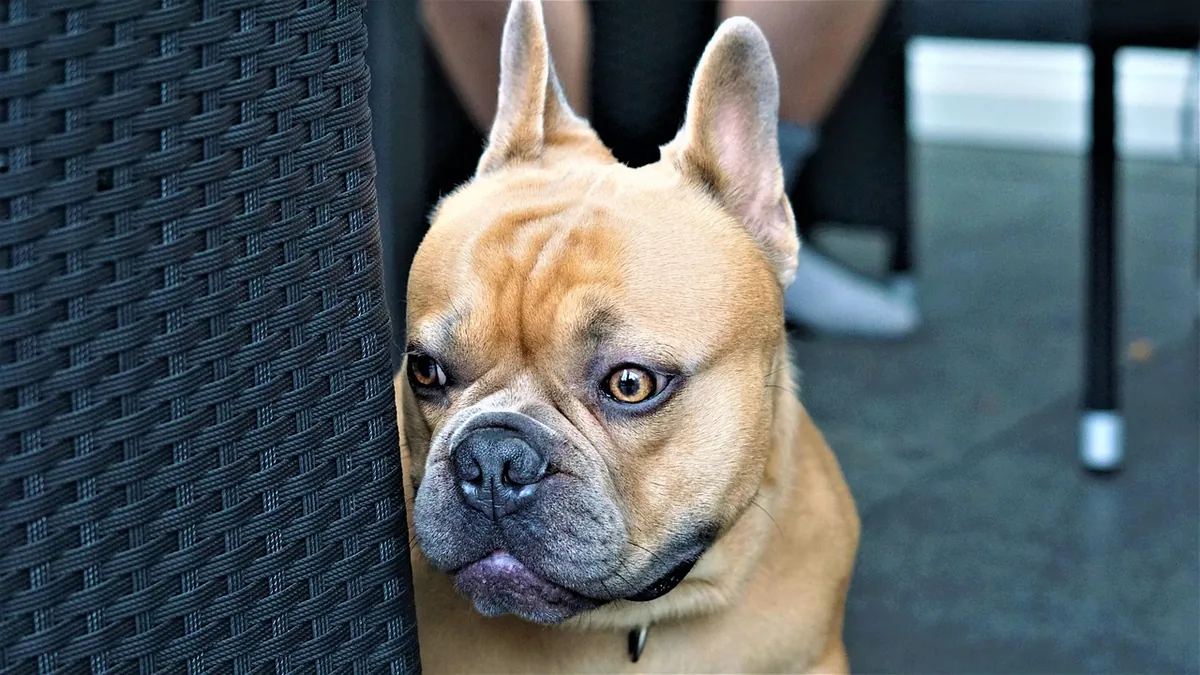
Flinching is a quick, involuntary jerk or recoil, usually in response to touch, movement, or sound. Most cases come down to two big buckets: fear and anxiety, or pain and physical discomfort. Learning how to stop my dog from flinching starts with figuring out which bucket your dog is in, because the two need very different plans.
This article is educational and is not a substitute for veterinary diagnosis or treatment.
Quick Answer
- Flinching at loud noises, new people, or handling is common. Fearfulness accounts for most behavior disorders in family dogs, and flinching at noises is one of the classic signs [1].
- Flinching only when a specific body area is touched points toward pain, not fear.
- A dog that flinches and then relaxes once the trigger passes is usually reacting to a startle, not living in constant fear.
- Never punish a flinch. Punishment can push fear into aggression over time [1].
- If flinching starts suddenly in an adult dog with no clear trigger, book a veterinary exam before you book a trainer.
What Flinching Looks Like and What Is Normal
A flinch is brief. Your dog's head pulls back, the body tenses, the ears go back, or one leg lifts when you reach toward a certain spot. Then your dog settles.
Normal, everyday flinching includes:
- A startle when something appears suddenly, like a dropped pan or a door slamming
- A quick recoil the first time you touch a ticklish spot, like the belly or paws
- A brief duck when a hand moves fast toward the head
These reactions fade within seconds, and your dog returns to normal activity.
Something different is happening when the flinch repeats every time you touch the same area, when your dog avoids you afterward, or when the flinch comes with trembling, hiding, panting, or ears held back. Those are signs of a fear response, and fear is the most common behavioral problem in family dogs [1]. In a large survey of more than 43,000 dogs in the United States, owners reported fear and anxiety across several everyday situations, including unfamiliar people, unfamiliar dogs, and grooming [2].
Fear and pain can also look alike. A dog in chronic muscle pain may flinch when lifted or brushed, and myofascial trigger points, which are tender knots in muscle, are a recognized source of chronic pain in dogs [3]. That overlap is why the trigger matters more than the flinch itself.
Main Causes of Flinching in Dogs
| Cause | Typical clues | How urgent |
|---|---|---|
| Fear or anxiety | Flinches at noises, strangers, or handling, otherwise healthy, reacts even to a light touch with no tender spot | Routine visit or trainer |
| Muscle or joint pain | Flinches only when a specific area is touched or when jumping, climbing stairs, or being lifted | Vet visit within a few days |
| Ear or skin problem | Flinches when the head or ear is touched, plus scratching, head shaking, or odor | Vet visit within a few days |
| Startle reflex | One-time jerk to a sudden sound or movement, settles fast | No visit needed unless it repeats |
| Neurologic problem | Flinching with twitching, head tilt, wobbling, or changes in vision | Same-day vet visit |
| Early life experience | Adopted very young, fearful in many situations since puppyhood | Trainer plus vet check |
Fear and Anxiety
Fear-based flinching is the most common pattern. Your dog flinches before contact, not after. The hand comes near and the head pulls away. The vacuum turns on and the whole body ducks.
Fear in dogs often shows up as a cluster of behaviors, not one. Trembling, hiding, flinching at noises, panting, and ears held back tend to travel together [1]. If you also see pacing, whining, or shivering, those articles can help you sort out what you are seeing: Why Is My Dog Pacing and Whining? and Why Dog Shivering Symptoms.
Early experiences shape this. Puppies go through a socialization window between 3 and 12 weeks of age, and dogs adopted at 1 or 2 months of age showed more fear and anxiety behaviors as adults than dogs adopted later [4]. If your dog has flinched at new things since you brought them home, early socialization gaps may be part of the picture.
Fear also has a physical side. Fearful dogs show measurable differences in blood lipids, the fat-based molecules that help build brain structure and support nerve signaling [1]. This does not mean diet alone causes fear. It means fear is a whole-body state, and it deserves real treatment, not just a pep talk.
Pain and Physical Discomfort
Pain-based flinching has a pattern. Your dog is fine until you touch one spot, then flinches hard, sometimes with a yelp, a lip lick, or a look back at the area. They may guard the spot, move away, or freeze.
Muscle pain is easy to miss. Trigger points in the hindlimb muscles of dogs are diagnosed by finding a tender nodule that produces a pain response, sometimes called a jump sign [3]. Even trained examiners do not always agree on where these points are, which tells you how subtle this pain can be [3]. If your dog flinches when you brush the back legs or lift the rear end, muscle pain belongs on the list.
Watch for pain that shows up with movement, not just touch. Reluctance to jump on the couch, slowing down on stairs, or stiffness after rest all point toward a physical cause.
Sound Sensitivity
Some dogs flinch mainly at sudden loud noises like fireworks or thunderstorms. This is a specific fear pattern, and it can be intense enough to affect daily life. In adult dogs with this sensitivity, treatment with a medication called imepitoin reduced owner-rated fear and anxiety responses compared to placebo in two randomized controlled trials [5]. Some dogs on that medication developed mild to moderate side effects, including unsteadiness, appetite changes, tiredness, and vomiting [5]. Medication is one option your veterinarian may discuss, never something to start on your own.
Head, Ear, and Skin Triggers
If the flinch is tied to head handling, look for ear disease or skin irritation. A dog with an ear problem often flinches when the ear is touched and also scratches at the ear or shakes the head. For more on that pattern, see What Does It Mean When Your Dog Scratches Their Ears.
When Flinching Turns Into Growling
A dog that flinches and then growls when touched is telling you the touch hurts or scares them. That is a warning, not a personality flaw. Take it seriously and get a veterinary exam before any behavior work, because pain and fear often overlap. This article walks through the difference: Dog Growling When Touched: Pain or Behavior Problem?.
Red Flags That Make It an Emergency
Call your veterinarian right away or go to an emergency clinic if your dog shows any of these:
- Flinching with collapse, weakness in the legs, or trouble standing
- Twitching, facial trembling, or a head tilt that started suddenly
- Flinching plus vomiting, diarrhea, or refusal to eat for more than a day
- A hard flinch with a cry when you touch the belly, back, or neck
- Flinching that turns into snapping or biting with no warning
- Breathing that looks labored or a gum color that looks pale or blue
These signs can point to neurologic, spinal, or internal problems that need same-day care.
What You Can Do at Home While You Wait
You can lower your dog's stress without treating the underlying cause.
- Stop touching the trigger area. If the left shoulder makes your dog flinch, do not test it daily. Let the vet examine it.
- Change how you approach. Reach from the side, at your dog's level, and let them come to you.
- Pair touch with food. Touch a neutral spot, then give a treat. Build up slowly over days.
- Keep the environment calm. Sudden noises, crowded rooms, and fast movements all raise fear [1].
- Use a body harness instead of a neck leash if the neck or shoulders seem sore.
- Track it. Write down what you touched, where on the body, and how your dog reacted. This record helps your vet a lot.
Do not punish a flinch. Fear that gets punished can escalate into aggression toward people or other dogs [1]. That makes the problem harder to fix later.
What Your Veterinarian Will Check and Test
Your vet starts with a full physical exam, including hands-on palpation of the muscles, joints, and spine. They will press along the limbs looking for a pain response, the same jump sign used in trigger point exams [3].
Expect questions about timing. When did the flinching start? Does it happen at rest or only with movement? Does it happen with strangers, noises, or only with touch?
Testing depends on what the exam finds. Common next steps include:
- Orthopedic and neurologic exams to check gait, reflexes, and pain response
- Blood work and urine testing to rule out internal disease
- Imaging such as X-rays if a bone or joint problem is suspected
- Ear and skin checks if the head or ears are involved
- A behavior questionnaire to score fear and anxiety levels, similar to the owner-rated scales used in large dog surveys [2]
If pain is found, treatment may include pain medication, rest, physical therapy, or referral to a specialist. Your veterinarian calculates any medication dose from your dog's weight and health, so never use a leftover prescription or a human pain pill.
If the exam is clean and fear is the main issue, your vet may discuss behavior modification, a referral to a veterinary behaviorist or certified trainer, and in some cases medication. For noise-sensitive dogs, imepitoin is one option supported by moderate-strength evidence from two double-blind, placebo-controlled trials [5]. Your vet decides whether it fits your dog.
How to Stop My Dog From Flinching: Prevention and Monitoring
You cannot prevent every flinch, but you can lower the odds and keep small problems from growing.
- Socialize early and gently. Positive exposure during the 3 to 12 week window shapes adult behavior, and dogs adopted at 1 or 2 months showed more fear and anxiety later than dogs adopted at 3 months or older [4].
- Go slow with new people. Let your dog approach first. Treats during greetings build positive associations.
- Handle paws, ears, and mouth regularly from puppyhood, in short sessions with food.
- Watch for pain clues early. A dog that starts flinching at a spot that never bothered them before needs a vet check, not a training plan.
- Keep noise exposure manageable. If your dog flinches at loud sounds, plan ahead for holidays and storms.
- Recheck progress. If flinching is getting more frequent or more intense, that is a signal to call your vet again.
Fear that goes untreated can get worse. Intense, repeated exposure to frightening situations can escalate into a phobia, and fearful dogs are more likely to show aggression toward people and other dogs [1]. Early action protects your dog and everyone around them.
Limitations and When to Contact a Veterinarian
No article can tell you whether your dog's flinch is pain or fear. That call needs hands-on examination, and individual cases always need a veterinarian.
Contact your veterinarian the same day if flinching comes with limping, head shaking, ear odor, or a change in appetite or energy.
Go to an emergency clinic now if you see collapse, weakness, sudden twitching, a head tilt, labored breathing, or a flinch that turns into biting.
Book a routine visit if the flinching is mild, happens only with specific triggers, and your dog is otherwise eating, drinking, and playing normally. Bring your notes on when it happens and what you touched.
Frequently Asked Questions
Why does my dog flinch when touched?
The most likely reasons are fear or pain at that specific spot. If your dog flinches before your hand arrives, fear is more likely. If they flinch only when you press a certain area, pain is more likely. A veterinary exam sorts out which one you are dealing with.
Is sudden flinching in an adult dog always a sign of pain?
No, but it deserves a vet visit. A new flinch in a dog that never did this before can come from muscle pain, joint pain, ear disease, or a neurologic issue. Fear can also appear suddenly after a scary event. Your vet can narrow it down with an exam.
Can I train my dog out of flinching?
You can reduce fear-based flinching with slow, reward-based training, but training will not fix pain. Get a veterinary exam first. If pain is ruled out, a certified trainer or veterinary behaviorist can build a plan around your dog's specific triggers.
Should I punish my dog for flinching?
No. Punishment does not remove fear, and it can make a fearful dog more likely to become aggressive toward people or other dogs [1]. Instead, note the trigger, avoid forcing contact, and reward calm behavior with treats.
When should I see a vet instead of a trainer?
See a vet first if the flinching is new, tied to one body area, or comes with limping, head shaking, or appetite changes. See a trainer or behaviorist if your vet finds no medical cause and the flinching is tied to noises, strangers, or handling. Many dogs need both.
Related Articles
- Why Is My Dog Pacing and Whining?
- Why Dog Shivering Symptoms
- Dog Growling When Touched: Pain or Behavior Problem?
- How to Stop a Dog from Whining: Causes and Training Tips
- What Does It Mean When Your Dog Scratches Their Ears
- Why Does My Dog Have A Honking Cough
- Head Pressing in Dogs: Causes, Symptoms, and What to Do
- Why Is My Dog Flapping His Ears? Causes and Relief
- Why Is My Dog Dry Heaving? Causes and What to Do
References
- Targeted lipidomics showed altered serum phosphatidylcholine levels in fearful dogs. PloS one, 2026.
- Owner-reported prevalence and severity of fear and anxiety in dogs. Veterinary research communications, 2026.
- Evaluation of the inter-examiner reliability of myofascial trigger point identification in dogs. Frontiers in veterinary science, 2026.
- The Puppies' Age at Adoption Time Influences the Behavioral Responses of Adult Dog. Veterinary sciences, 2025.
- Does imepitoin reduce signs of fear and anxiety in dogs frightened by loud noises?. Veterinary evidence, 2026.