Dogs Enrichment Ideas That Match Natural Behavior
By Dr. Zubair Khalid, DVM, MS, PhD ·
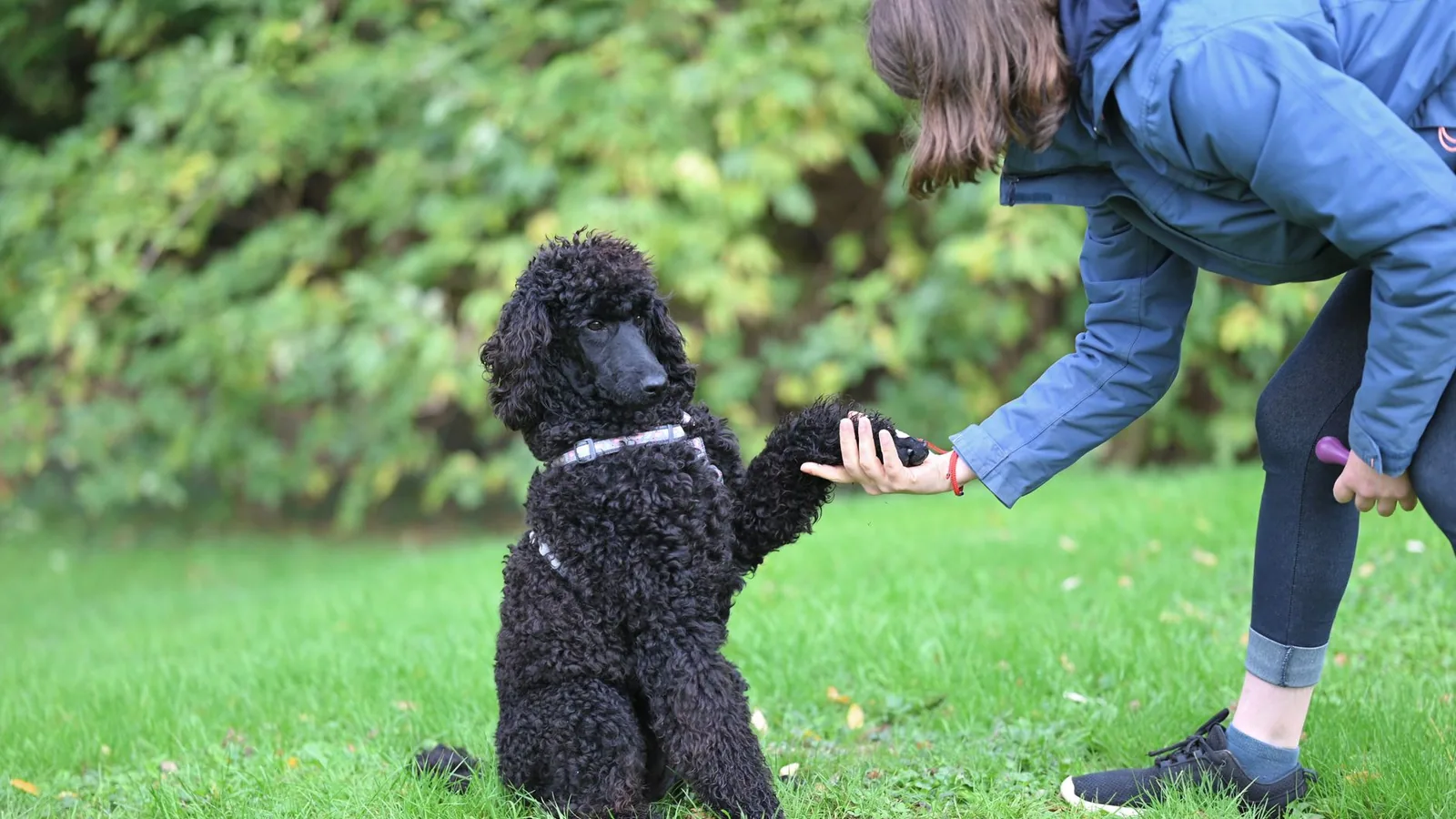
The best dog enrichment ideas are not the most expensive toys. They are the ones that let a dog do what dogs are built to do: sniff, search, chew, move, solve problems, connect with people or other dogs, and rest. A useful plan changes the question from "How do I tire my dog out?" to "Which natural behavior does my dog need to practice today?"
This guide covers how to keep a dog entertained with practical, low-cost options. It also covers signs of a bored dog, best toys for dogs, safe DIY dog enrichment, and the safety checks that keep enrichment from becoming another stressor.
This article is educational and is not a substitute for veterinary diagnosis or treatment.
At a Glance
| Natural need | Try this today | What it matches | Safety check |
|---|---|---|---|
| Sniffing and searching | Scatter part of a meal in grass or a snuffle box | Foraging and scent work | Count calories and remove unsafe wrappers |
| Chewing | Offer a size-appropriate chew toy | Oral occupation and stress relief | Supervise and replace worn toys |
| Social contact | Do a short reward-based training session | Cooperation and connection | Give breaks and watch for conflict |
| Movement | Take a sniff-led walk instead of only a fast loop | Exploration and exercise | Use a well-fitted harness or collar |
| Problem solving | Use a puzzle feeder or hide treats | Brain work and choice | Start easy and avoid frustration |
| Rest | Provide a quiet bed and a place to opt out | Recovery and control | Never force interaction |
| Sensory calm | Play classical music at low volume | Auditory enrichment | Watch the individual response |
Why Enrichment That Matches Natural Behavior Works
Environmental enrichment is a planned increase in complexity and choice in an animal's environment [1]. It is not a reward for good behavior. It is part of daily care. A dog that can choose where to rest, what to sniff, and when to disengage has more control over its day.
Dogs in barren environments are more likely to show abnormal behaviors such as anxiety [2]. In a controlled study of laboratory Beagles, dogs housed together in a larger space with toys had lower cortisol at 6 weeks than dogs housed alone in a smaller space without toys. Their step count was more than twice as high [3]. The same study recorded fighting in the enriched group at 3 weeks, and one dog had to be separated [3]. Social enrichment is valuable, but it needs supervision and an exit plan.
Enrichment is also a window into health. In dogs with chronic musculoskeletal pain, engagement with enrichment, fear and anxiety frequency, reaction to stressors, and social interactions were significant predictors of chronic pain [4]. A dog that stops engaging may be painful, not stubborn. A dog that suddenly cannot settle may be stressed or sick, not bored.
Nosework can shift emotional state. In a systematic review of judgment bias tasks, environmental enrichment with nosework was one manipulation that changed dogs' responses to ambiguous cues [5]. That supports scent work as more than a physical distraction.
Natural behavior varies by dog. In a study of individually kenneled Beagles, a grassy outdoor area was the most used enrichment at 58% of occurrences, followed by social enrichment at 23% and food enrichment at 19% [6]. In shelter dogs, object, dog-to-dog, and human social enrichment all improved welfare measures, but the variance between individual dogs was large [7]. The practical lesson is to test options and keep what your dog actually uses.
Signs of a Bored Dog
Boredom is a lay term. It describes a mismatch between a dog's behavioral needs and the outlets available. Common owner reports include destructive chewing, digging, excessive vocalization, pacing, door scratching, shadowing, toy hoarding, and difficulty settling. These signs overlap with stress, pain, and illness [8][4].
In shelter dogs, a control group without sensory enrichment stood at the exit door, panted, and vocalized more than dogs given music or dog appeasing pheromone [9]. That pattern is a useful reminder that some "bad behavior" is an unmet need or a stress response.
Look for patterns. Does the behavior happen when the dog has had no sniffing time? Does it improve with a chew and a quiet bed? Does it happen every evening at a predictable time? If enrichment consistently helps, the dog likely needed an outlet. If it does not help, or if the behavior is new, investigate health and environment.
Punishment is not an enrichment plan. Aversive training methods can cause stress, fear, and anxiety [10]. Reward-based training is a better fit for enrichment. It also gives the dog a clear way to earn attention and food.
How to Keep a Dog Entertained With a Daily Plan
Use a menu, not a pile. A daily plan should include several short outlets and protected rest. This is how to keep a dog entertained without turning the home into a toy store.
- Scent and forage: scatter part of a meal in grass or a snuffle box.
- Chew: offer a size-appropriate chew when the dog can be supervised.
- Move: take a sniff-led walk rather than only a brisk loop [10].
- Social: spend a few minutes on reward-based training or calm handling.
- Brain: use a puzzle feeder or hide treats.
- Rest: provide a quiet bed and a way to opt out.
Rotate two or three items each day. Remove toys that are worn, torn, or small enough to swallow. Count food used in puzzles as part of the daily calorie intake. A dog that is never allowed to rest is not well enriched.
Sensory Enrichment: Scent, Sound, and Rest
Sniffing is a low-impact outlet. Hide treats, use a snuffle box, or let the dog follow a scent trail. Nosework has evidence for changing emotional state in dogs [5]. Scent games can be done in a small apartment or a backyard.
Sound can help or hurt. Classical music appears to have a calming influence on dogs in stressful environments, and a review found no additional benefit from music purposely designed for dogs [11]. In shelter studies, music and dog appeasing pheromone increased lying down and reduced standing at the exit door, panting, and vocalization compared with control [9]. Music also activated both branches of the autonomic nervous system in a heart rate variability study, which may help relieve stress and boredom [12]. Keep volume low and observe the dog. If the dog leaves, paces, or pants, turn it off.
Scent can be calming or arousing. In a shelter study during morning cleaning, calming scent enrichment with lavender produced the most significant body-position benefit, while an arousing ball reduced vocalization [13]. Match the sensory input to the dog's state. A dog that is already overaroused may need a quiet scent cloth and a bed, not a louder toy.
Rest is enrichment. Sleep quality is a welfare indicator [7]. Fostering increased rest in shelter dogs [14]. A dog that cannot rest is not enriched. Protect nap time from visitors, children, and other pets.
Food and Foraging Enrichment
Food is a powerful enrichment tool because it taps into searching and chewing. Use part of the daily ration. Scatter feeding, puzzle feeders, stuffed toys, and frozen treats can all work. In the Beagle study, food enrichment was used less than grass and social contact but still accounted for 19% of occurrences [6]. Offer food enrichment alongside other outlets, not as the only option.
Selection criteria matter. Choose a size that cannot be swallowed. Match the food density to the dog's calorie needs. Match the difficulty to the dog's experience. A puzzle that is too hard can cause frustration. A frozen treat that is too hard can damage teeth. Start easy and increase difficulty.
Simple DIY food puzzles include a muffin tin with treats under paper cups, a cardboard box with crumpled paper, a towel roll with kibble, and a paper bag with kibble after removing staples and tape. Supervise. Discard the puzzle when it is torn.
Use only foods your veterinarian approves. Avoid giving large amounts of high-fat treats. Keep fresh water available. If the dog guards food or toys, do not take items away. Ask a veterinarian or behavior professional for a safe plan.
Best Toys for Dogs: Selection Criteria
No single toy is best for every dog. The best toys for dogs match size, jaw strength, play style, and supervision level. A toy that is perfect for a small senior dog can be a choking hazard for a strong chewer.
Use these categories:
- Food-dispensing toys for foraging and problem solving.
- Durable chew toys for oral needs.
- Tug and fetch toys for cooperative play.
- Plush or soft toys for shaking and carrying, with supervision.
- Puzzle toys for brain work.
- Scent game supplies for nosework.
Check for small parts, loose squeakers, unraveling rope, and material that is harder than the dog's teeth. Rotate toys. Keep high-value items out of reach when not supervised. Replace damaged toys. A toy with a hole is not a challenge. It is a swallow risk.
Toy preferences change. A dog may ignore a ball but work for a cardboard box. Test, observe, and keep what the dog uses. The best toy is not a substitute for walks, training, or social contact.
Social Enrichment and Training
Dogs are social, but social contact is not always safe or wanted. Human interaction is enrichment. In a shelter trial, calm enrichment included walks and human-animal interaction, and active enrichment included play and human interaction [15]. Weeklong fostering reduced cortisol and increased rest in shelter dogs [14].
Dog-to-dog contact can help. In the Beagle study, group housing with toys lowered cortisol at 6 weeks compared with isolated housing, but fighting occurred at 3 weeks and one dog was separated [3]. In shelter dogs, dog-to-dog and human social enrichment improved welfare, but individual responses varied [7].
Introduce dogs slowly. Watch for avoidance, stiff posture, resource guarding, and mounting. Give separate resting spaces. End play before it escalates. A dog that is fearful of other dogs does not need forced social contact.
Training is enrichment. Working dogs showed changes in neuroplasticity-related gene expression after training and enrichment [16]. Reward-based training is associated with more optimistic judgment bias than aversive training [5]. Keep sessions short and end on success. Teach sniffing games, find-it, mat settle, and cooperative handling. These skills give the dog a job and give you a way to guide behavior without punishment.
Physical Enrichment and Walks
Walking is enrichment when the dog can sniff, choose, and explore. Lead pulling can reduce walk quality, frequency, and duration, and decreased environmental enrichment can trigger undesirable behaviors [10]. Aversive equipment can cause pain, distress, and injury [10]. Use a well-fitted harness or collar and reward loose-leash walking.
Extreme conformation can limit exercise and play. Dogs bred for extreme phenotypes may not be able to perform critical biological functions [17]. Adjust intensity to the individual dog. Ask a veterinarian about safe exercise for brachycephalic dogs, seniors, and dogs with orthopedic disease.
Backyard enrichment can include a designated digging area, a shallow kiddie pool with supervision, a scatter feed in grass, or a short obstacle course made of safe household items. Check for sharp edges, toxic plants, and escape routes. Do not leave the dog unattended with ropes or plastic bags.
Physical enrichment should not be all high arousal. A game of fetch can be followed by scent work and rest. A dog that is already overaroused may need a calm walk and a chew, not a ball thrown repeatedly.
DIY Dog Enrichment
DIY dog enrichment works when it is safe, simple, and disposable. The goal is to add sniffing, problem solving, and appropriate chewing without adding clutter or hazard.
- Snuffle box. Use a cardboard box, crumpled paper, and kibble. Supervise. Remove tape and staples.
- Muffin tin puzzle. Place treats under paper liners or cups. Skip it if the dog eats paper.
- Towel roll. Put kibble in a towel and roll it loosely. Supervise. Do not use it if the dog swallows fabric.
- Frozen food toy. Stuff a toy with dog-safe food and freeze it. Count the calories.
- Scent trail. Hide small pieces of food around a room. Start easy and build difficulty.
- Cardboard shred box. Use an empty box with paper and treats. No staples.
- Dig pit. Offer a sandbox or soil area for digging. Cover it when not in use.
- Rotation box. Keep a box of toys and rotate a few each day.
Check DIY items before each use. Remove strings, rubber bands, and small pieces. A DIY toy is not a babysitter. If the dog destroys and swallows the material, stop using that design.
Common Mistakes
- More toys with less structure. A pile of toys can be noise. Rotate and guide.
- All enrichment at once. Too many new items can cause overarousal and guarding.
- Forcing social contact. Some dogs need space, not a playdate [3].
- Using food without a calorie plan. Puzzle food is still food.
- Punishing normal behavior. Digging, chewing, and barking are normal dog behaviors. Redirect them.
- Ignoring pain. A dog that stops engaging may be painful [4].
- Using aversive equipment or training. These can cause pain, distress, and fear [10].
- Leaving unsafe toys. Supervise new toys and discard damaged ones.
- Not teaching rest. A dog needs a quiet place to settle.
- Expecting every dog to like the same toy. Individual response varies [7].
Troubleshooting
My dog ignores every toy
Check health first. Pain, nausea, fatigue, and stress can reduce interest. Then try scent. A hidden treat may work better than a ball. Lower the difficulty. Use a hungry dog and part of a meal. Model the puzzle. If the dog still refuses food and play, call a veterinarian.
My dog destroys toys in minutes
Match the toy to jaw strength and chewing style. Supervise. Remove toys that are not meant for chewing. Offer an appropriate chew and a destruction outlet such as a cardboard shred box. Do not give old shoes or socks, because the dog cannot tell the difference between those and new ones.
My dog gets overaroused with enrichment
Reduce the intensity. Use calming scent, a chew, and rest. Calming scent enrichment was associated with lower stress body positions in a shelter study, while an arousing ball reduced vocalization [13]. A dog that is already aroused needs less stimulation, not more.
My dog guards toys or food
Do not punish or grab. Separate dogs during high-value items. Feed in separate areas. Ask a veterinarian or behavior professional for a safe behavior plan. Resource guarding is a welfare issue, not a dominance problem.
My dog is fine with toys but still barks at night
Look at rest, pain, routine, and separation. A late nap, a noisy hallway, or physical discomfort can prevent settle. If the pattern is new or includes pacing, panting, or loss of house training, call a veterinarian.
Welfare and Safety Points
Enrichment should increase choice and control, not just add items [1]. A dog that can leave, rest, and say no has a better welfare plan than a dog that is forced to interact.
Monitor social enrichment. Conflict can occur even in good groups [3]. Enrichment can also be too arousing [13]. The right level is the one that lets the dog recover.
Safety basics: size, material, supervision, and cleanliness. No small parts. No aversive equipment. No punishment. Wash food toys. Keep fresh water available. The AVMA and AAHA publish owner-facing guidance that treats behavior as part of routine care, so bring your enrichment plan to wellness visits.
Limitations and When to Contact a Veterinarian
Individual dogs vary. A plan that works for one dog may overwhelm another. A veterinarian who knows the dog should assess persistent behavior change.
Contact a veterinarian promptly for sudden behavior change, new aggression, self-injury, inability to settle, loss of appetite, vomiting, diarrhea, limping, pain, weight loss, increased thirst or urination, breathing difficulty, collapse, or seizures. Ask for a pain assessment if the dog is older, has arthritis, or has stopped engaging [4]. Ask for a behavior referral if there is resource guarding, human-directed aggression, or conflict in a multi-dog home. Stop enrichment that causes fear, panic, or injury.
Frequently Asked Questions
What are the best dog enrichment ideas for a busy owner?
Use scent, chewing, movement, social contact, and rest in short daily sessions. A scatter feed and a sniff-led walk are often enough to start.
How can I tell if my dog is bored?
Look for a pattern of unmet behavioral needs, such as destructive chewing, vocalization, pacing, or difficulty settling. Sudden changes need a veterinary check because pain and stress can look like boredom.
What are the best toys for dogs?
The best toys fit your dog's size, jaw strength, and play style and can be supervised. Food puzzles, chews, tug toys, and scent games cover different natural behaviors.
Can I use DIY dog enrichment every day?
Yes, if the items are safe and supervised. Rotate homemade puzzles and discard them when torn.
How do I keep a dog entertained without food?
Use sniffing games, training, tug, gentle play, and social time. Food is convenient but not the only outlet.
Do dogs need other dogs for enrichment?
Not all dogs need dog friends. Social enrichment can help, but introductions need monitoring because conflict can occur [3].
Does music help a bored dog?
Classical music may have a calming effect in stressful settings [11]. Watch your dog's response and keep volume low.
When should I call a veterinarian about a behavior change?
Call promptly for sudden behavior change, aggression, self-injury, inability to settle, or signs of pain or illness. Persistent problems deserve a veterinary and behavior assessment.
Sources
- Challenges and Solutions Surrounding Environmental Enrichment for Dogs and Cats in a Scientific Environment.
- Assessment of the welfare of breeding and boarding dog farms in the greater Cairo region: application of the Farm Quality Protocol (FQP).
- Assessment of Stress Caused by Environmental Changes for Improving the Welfare of Laboratory Beagle Dogs.
- How does chronic pain impact the lives of dogs: an investigation of factors that are associated with pain using the Animal Welfare Assessment Grid.
- Assessing affective states in domestic dogs through judgment bias tasks: a systematic review of methods, influencing factors, and welfare applications.
- Environmental enrichment interaction for laboratory beagle dogs used in research.
- Environmental enrichments and data-driven welfare indicators for sheltered dogs using telemetric physiological measures and signal processing.
- Stress in Free-Roaming and Shelter-Housed Dogs: A Review of Neurobiological, Physiological and Behavioral Mechanisms Relevant to Welfare Assessment.
- Effects of Olfactory and Auditory Enrichment on the Behaviour of Shelter Dogs.
- Lead pulling as a welfare concern in pet dogs: What can veterinary professionals learn from current research?
- Musical Dogs: A Review of the Influence of Auditory Enrichment on Canine Health and Behavior.
- Effects of Olfactory and Auditory Enrichment on Heart Rate Variability in Shelter Dogs.
- Ruff Morning? The Use of Environmental Enrichment during an Acute Stressor in Kenneled Shelter Dogs.
- The implications of weeklong fostering and co-housing on shelter dog welfare.
- Combined enrichment and pharmaceutical intervention reduces excessive arousal in shelter dogs in a randomized controlled trial.
- A cross-talk between blood-cell neuroplasticity-related genes and environmental enrichment in working dogs.
- 'Teleonomes in Tatters': The Welfare Costs of Selecting Dogs for Extreme Phenotypes, and the Case for Change.