Raising Backyard Chickens: A Complete Beginner's Guide
By Dr. Zubair Khalid, DVM, MS, PhD ·
Key Takeaways
- Strict biosecurity, including a minimum 30-day quarantine for new birds and daily footbath disinfection (e.g., dilute bleach or Virkon S), is paramount to prevent the introduction of pathogens like Mycoplasma gallisepticum and avian influenza.
- Coop construction must provide adequate space (2-3 sq ft/bird inside, 8-10 sq ft/bird in run) and ventilation to prevent ammonia buildup, which can lead to keratoconjunctivitis and respiratory compromise, and be predator-proofed with 1/2-inch hardware cloth.
- Nutritional requirements vary by age, with chick starter (18-20% protein), grower (16% protein), and layer feed (16-18% protein, 3.5-4% calcium) being essential; layer feed must be the primary diet to prevent nutritional deficiencies and egg binding.
- Egg safety protocols, including refrigeration of collected eggs at or below 4°C (40°F) to inhibit Salmonella enteritidis proliferation and washing eggs immediately before use, are critical for public health.
- Recognizing early signs of illness, such as lethargy, ruffled feathers, respiratory distress (open-mouth breathing, rales), or neurological signs (torticollis, ataxia), necessitates prompt veterinary consultation with an avian specialist.
Raising backyard chickens has become an increasingly popular practice for families seeking fresh eggs, natural pest control, and a direct connection to their food. However, responsible poultry keeping requires a thorough understanding of veterinary medicine, husbandry, and local biosecurity laws. This pillar article is a comprehensive primer for the novice keeper, integrating clinical guidelines from the American Veterinary Medical Association (AVMA), the Canadian Veterinary Medical Association (CVMA), the Federation of Veterinarians of Europe (FVE), and the Australian Veterinary Association (AVA).
Quick Q&A
Question: What is the most critical step in preventing disease in a backyard chicken flock? Answer: The most critical step is strict biosecurity, including quarantining all new birds for a minimum of 30 days and practicing footbath disinfection (e.g., use of a dilute bleach solution or Virkon S) before entering the coop. This prevents the introduction of pathogens like Mycoplasma gallisepticum and avian influenza.
Question: How many chickens should a beginner start with? Answer: The AVMA and most cooperative extension services recommend starting with 3 to 6 hens. This number allows for a manageable social hierarchy, sufficient egg production for a small family (approximately 1 egg per day per hen during peak lay), and easier disease monitoring than a larger flock.
The Foundation: Selecting Your Coop and Run
The coop is the cornerstone of backyard poultry husbandry. It is not merely a shelter; it is a veterinary management tool for thermoregulation, predator avoidance, and disease prevention.
Structural Requirements
According to guidelines from the Merck Veterinary Manual, the coop must provide a minimum of 2 to 3 square feet (0.19 to 0.28 square meters) per bird inside the coop and 8 to 10 square feet (0.74 to 0.93 square meters) per bird in the outdoor run. Overcrowding is a primary risk factor for cannibalism, feather pecking, and respiratory disease due to elevated ammonia levels from accumulated faeces (manure).
The coop must be:
- Ventilated but draught-free: Ridge vents or eaves vents allow moisture (from respiration and droppings) to escape while preventing rain and wind from chilling the birds. High ammonia leads to keratoconjunctivitis and respiratory compromise.
- Predator-proof: Use 1/2-inch (1.27 cm) hardware cloth over windows and the run floor. Securely fasten doors and latches. Predators (foxes, raccoons, rats, and in Australia, goannas) will tear through chicken wire.
- Easy to clean: The floor should be solid (e.g., linoleum or plywood) with a drop-down tray or deep litter method (using pine shavings). Avoid cedar shavings as they emit phenols that can cause respiratory and liver irritation.
Perches and Nesting Boxes
Provide 8 to 10 inches (20 to 25 cm) of perch space per bird. Perches should be 2 inches (5 cm) wide with rounded edges, resembling a branch. Square perches can cause bumblefoot (pododermatitis) due to pressure sores.
Nesting boxes should be placed in a quiet, dark area of the coop. Provide one box for every 4 to 5 hens. Boxes should be 12x12 inches (30x30 cm) and filled with clean straw or wood shavings. Dirty or inadequate nesting areas lead to egg retention (dystocia) and egg eating behaviour.
Feed: Nutritional Requirements for Backyard Poultry
Nutrition is the second pillar of flock health. The diet must be tailored to the bird's life stage.
Starter, Grower, and Layer Feeds
- Chick starter (0-8 weeks): Contains 18-20% protein to support rapid growth. Always feed a medicated starter (containing amprolium) if coccidiosis is a known risk in your region, or use an unmedicated starter with excellent hygiene.
- Grower (8-18 weeks): 16% protein. Pullets should transition to a "grower" or "developer" feed to prevent excess calcium intake before laying (which causes kidney damage).
- Layer feed (18+ weeks): Formulated with 16-18% protein and 3.5-4% calcium (as calcium carbonate or oyster shell) for strong eggshells. The CVMA and AVA stress that layer feed must be the primary diet; scratch grains or table scraps should comprise less than 10% of the diet to prevent nutritional deficiencies (e.g., egg binding from low calcium).
Grit and Water
Grit (insoluble flint granite) is essential for birds that eat whole grains or forage, as they lack teeth. The gizzard grinds the feed. Oyster shell (soluble calcium) is an additional supplement. Water must be fresh, cool, and provided in a clean device (nipple drinkers are superior to open bowls to reduce faecal contamination). In winter, use heated waterers to prevent freezing, especially in Canada and Northern Europe. In Australia, provide shallow shade to prevent heat stress and coccidiosis outbreaks.
Choosing the Right Breed
Breeds differ significantly in egg production, temperament, and cold or heat tolerance.
Best Breeds for Beginners
| Breed | Egg Production | Temperament | Cold Tolerance | Remarks |
|---|---|---|---|---|
| Rhode Island Red | 4-5/week | Docile, hardy | Excellent | Excellent foragers; good dual-purpose (meat/eggs). |
| Plymouth Rock | 4-5/week | Calm, friendly | Good | Docile birds ideal for families with children. |
| Leghorn | 5-6/week | Flighty, skittish | Poor | High producer but noisy; requires large run. |
| Orpington | 3-4/week | Very docile | Good | Broody tendencies; heavy bodied, prone to obesity. |
| Wyandotte | 4-5/week | Friendly | Good | Good winter layers; rose comb prevents frostbite. |
| Silkies (Bantam) | 2-3/week | Extremely friendly | Poor | Broody; used as foster mothers; not prolific layers. |
In Europe, traditional breeds such as the Vorwerk or Sussex are popular. In Australia, the Australorp (a breed developed there) is an exceptional layer. The AVA recommends against selecting for aggressive behaviour in roosters if local regulations permit them.
Egg Production: The Veterinary Perspective
Egg laying is a complex hormonal process that is sensitive to stress. A hen will lay an egg approximately every 25 hours.
Peak Production and Lifespan
Commercial hybrids (e.g., ISA Brown) peak at 300 eggs per year, while heritage breeds produce 150-200. Egg production naturally declines after 2 to 3 years. However, hens can live for 8 to 12 years with proper care.
Signs of a Healthy Layer
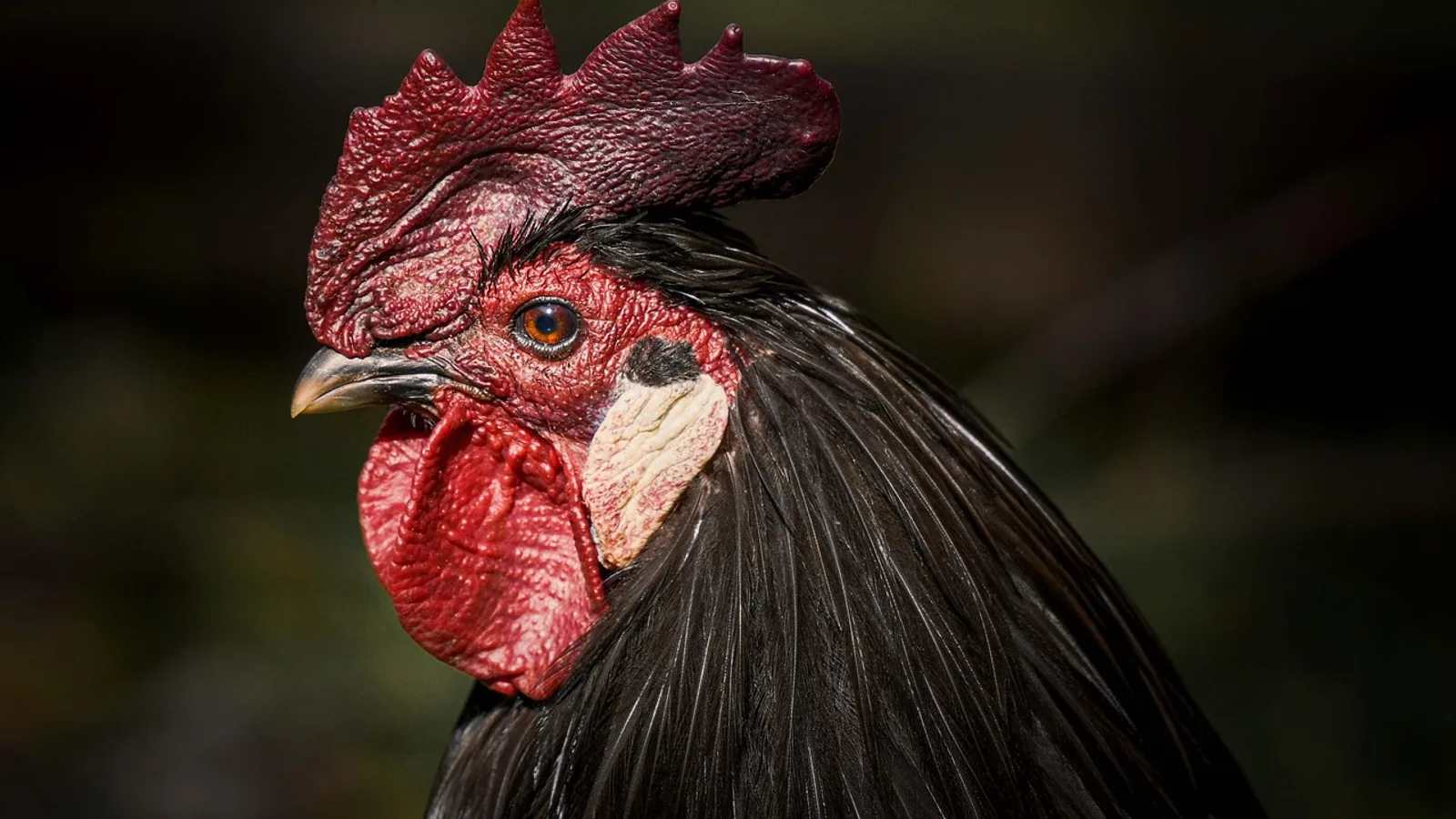
- Comb and wattles: Bright red and full (pale = anaemia or ill health).
- Vent: Clean, moist, and pink. A dirty or pasty vent can indicate diarrhoea (or diarrhoea in UK/European spelling) or vent gleet (cloacitis).
- Eggshell quality: Thick shells without ridges. Egg binding is a medical emergency with a poor prognosis; veterinarain intervention is required (oxytocin therapy and calcium gluconate).
Egg Safety and Handling
Collect eggs at least twice daily. The AVMA and the European Food Safety Authority (EFSA) recommend that table eggs be refrigerated at or below 4°C (40°F) to prevent Salmonella enteritidis proliferation. Wash eggs immediately before use, not before storage, as washing removes the protective cuticle. In Australia, the DAFF advises against washing eggs due to the risk of bacterial translocation across the shell.
Health and Disease Prevention
Backyard flocks are vulnerable to infectious diseases. Preventative medicine is paramount.
Vaccination
Commercial birds are often vaccinated against:
- Marek's disease (herpesvirus; causes paralysis and lymphomas)
- Newcastle disease (paramyxovirus; respiratory and neurologic signs)
- Infectious bronchitis (coronavirus; respiratory signs and kidney damage)
- Fowl pox (poxvirus; cutaneous and diphtheritic forms)
Many hatcheries offer day-old chicks that are vaccinated. Revaccination is needed for endemic areas.
Common Diseases by Region
- Coccidiosis (ubiquitous): Intestinal protozoan causing bloody diarrhoea/diarrhoea, weight loss, death. Control via anticoccidial feed additives (ionophores) or litter management. In Canada and northern regions, the CVMA recommends using a coccidiosis vaccine for replacement flocks.
- Avian influenza (AI): A notifiable viral disease in all jurisdictions. Elevated mortality, sudden death, swollen heads, respiratory signs. Must be reported to the CVMA/CFIA (Canada), AVMA/USDA (US), EFSA (Europe), and the DAFF (Australia).
- Marek's disease: Endemic worldwide. Vaccinate all chicks. In Australia, biosecurity is strict due to the absence of certain high-pathogenicity strains.
- Northern Fowl Mite and Red Mite: Haematophagous ectoparasites that cause anaemia, feather damage, and reduced egg production. Treat with a permethrin- or spinosad-based product (for birds) and a persistant treatment for the coop crevices.
Biosecurity Protocols
The AVA and FVE provide these core guidelines for backyard flocks:
- Quarantine: Isolate all new birds for at least 3 to 4 weeks.
- Footwear: Designate a pair of "coop-only" boots or use disinfectant footbaths (e.g., Virkon S 1%).
- No wild birds: Prevent contact with wild birds (cover run with netting; do not share feeders with sparrows or pigeons).
- Visitor policy: Restrict visitors who own poultry; do not share equipment.
Recognizing Illness
Veterinary visits for backyard chickens are becoming more common (avian medicine is a growing specialty). Signs that require a veterinarian:
- Lethargy, ruffled feathers, closed eyes.
- Respiratory distress: Open-mouth breathing, rales/crackles.
- Diarrhoea/diarrhoea (yellow, green, or bloody).
- Sudden drop in egg production (over 20%).
- Neurologic signs: Torticollis (wry neck), ataxia, paralysis.
Local Rules and Regulations
Before buying chicks, contact your local municipal or county government regarding:
- Zoning: Many urban areas prohibit roosters due to noise. Some limit the number of hens (typically 4 to 6).
- Permits: Boston (US) requires a permit and annual inspection. In the UK, DEFRA requires registration if you own more than 50 birds (but small flocks are encouraged to register voluntarily for disease tracking). In Canada, CFIA regulates movement of birds across provincial borders.
- Slaughter: Home slaughter of meat birds is generally allowed if humane (e.g., use of a killing cone and a sharp knife). Commercial slaughter requires inspection (USDA/FSIS, CFIA, or local equivalents).
Conclusion
Raising backyard chickens is a rewarding commitment that combines animal husbandry with veterinary science. Success depends on a secure coop, balanced nutrition, appropriate breed selection, and strict biosecurity. Adherence to the guidelines from the AVMA, CVMA, FVE, and AVA ensures a healthy flock that provides years of wholesome eggs. Always consult a veterinarian with avian experience for individual animal concerns.
Related Clinical & Scientific Guides
- Avian Emergency and Critical Care: Triage, Stabilization, and Supportive Therapy
- Avian Cardiology: Heart Disease Diagnosis and Management in Birds
- Avian Biosecurity for Small Flocks: Preventing Disease Introduction and Spread
References
American Veterinary Medical Association (AVMA). "Backyard Chickens: A Guide for Small Flocks." AVMA, 2023. Canadian Veterinary Medical Association (CVMA). "Small Flock Poultry Health and Biosecurity." CVMA Guidelines, 2022. Federation of Veterinarians of Europe (FVE). "Position Paper on Backyard Poultry Keeping and Zoonotic Risks." FVE/2023/004, 2023. Australian Veterinary Association (AVA). "A Guide to Backyard Poultry Care." AVA Publications, 2021. Merck Veterinary Manual. "Overview of Management of Pet Chickens." Merck Veterinary Manual, 11th ed., 2020. European Food Safety Authority (EFSA). "Salmonella in Eggs and Laying Hens." EFSA Journal, vol. 18, no. 3, 2020, pp. e06038. Cornell University College of Veterinary Medicine. "Poultry Health: A Primer for Backyard Flocks." Cornell CVM Extension, 2022. DAFF (Department of Agriculture, Fisheries and Forestry, Australia). "Biosecurity for Backyard Poultry." Australian Government, 2023.