Cornish Cross Hen: Growth, Care and Harvest Timing
By Dr. Zubair Khalid, DVM, MS, PhD ·
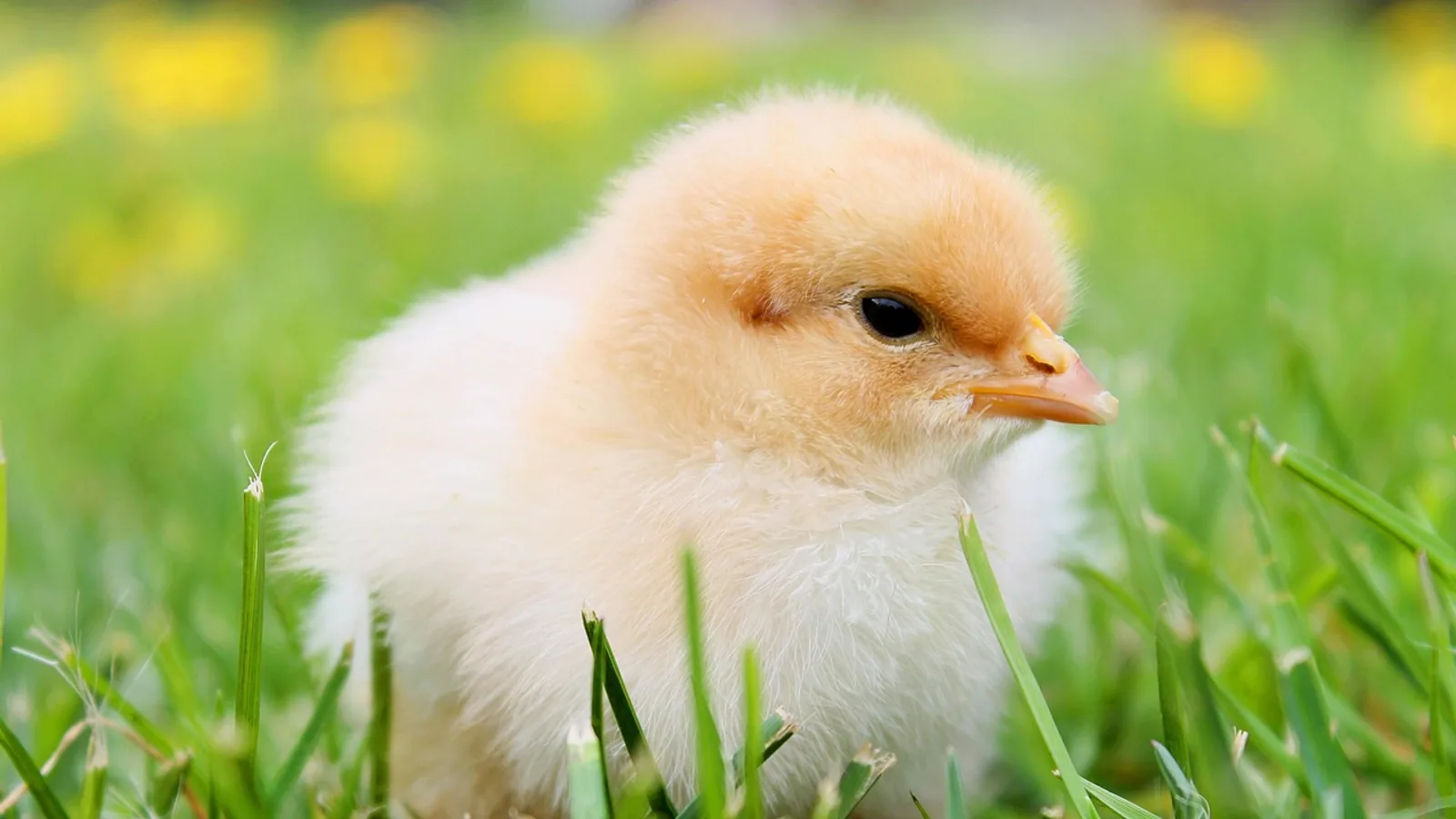
The Cornish Cross hen is the female of the modern meat hybrid that dominates commercial poultry production in the United States and much of the world. She is not a heritage breed in the traditional sense. She is a terminal cross, most often produced by mating a Cornish-type sire with a white Plymouth Rock-type dam, and she is selected for one trait above all others: the ability to convert feed into breast muscle at extraordinary speed. A Cornish Cross hen can reach a live weight of roughly 4 to 5 pounds in six weeks and 6 to 8 pounds by eight weeks under good management. That same genetic drive is what makes her fragile. She is prone to ascites, leg weakness, hock burn and sudden death when she is fed without limits or raised in poor conditions.
This article covers the Cornish Cross hen from hatch to harvest. It explains the growth curve, the feeding plan, the welfare checkpoints that tell you when to act, and the timing decisions that determine whether you harvest a healthy bird or lose her to a preventable metabolic collapse. The Cornish chickens breed group, which includes the Cornish Cross and its parent lines, is covered where it helps explain why these birds behave and grow the way they do.
This article is educational and is not a substitute for veterinary diagnosis or treatment.
At a Glance
| Attribute | Cornish Cross Hen |
|---|---|
| Primary purpose | Meat production |
| Genetic type | Terminal cross, not a true breeding breed |
| Typical live weight at 6 weeks | 4 to 5 lb (1.8 to 2.3 kg) |
| Typical live weight at 8 weeks | 6 to 8 lb (2.7 to 3.6 kg) |
| Market age | 6 to 8 weeks |
| Growth rate | Very fast, among the fastest of any chicken genotype |
| Feed conversion | Excellent under restricted feeding, poor if overfed |
| Temperament | Calm, docile, low activity |
| Mobility | Often reduced by 5 to 6 weeks |
| Lifespan if not harvested | Short, with high risk of heart and leg failure |
| Climate tolerance | Poor heat tolerance, moderate cold tolerance |
| Suitable for | Meat-focused backyard growers with a harvest plan |
| Not suitable for | Keepers wanting a long-lived pet or layer |
The figures above reflect typical performance for the genotype. Individual birds vary, and the numbers are targets for planning, not guarantees.
History and Purpose of the Cornish Cross
The Cornish Cross exists because of a single commercial goal: put more edible meat on a bird in less time and with less feed. The parent stock traces to the Cornish chicken, a muscular, broad-breasted breed developed in England, and to white-feathered, fast-growing rock-type lines. Crossing them produces offspring with hybrid vigor and a body shape built for breast meat yield.
The Cornish chickens breed group is important to understand because it explains the bird's behavior. Selection for growth rate and breast muscle has been intense and continuous. Researchers studying growth curve dynamics in broilers have shown that commercial hybrid genotypes respond strongly to their environment and diet, and that challenging conditions such as heat stress or low-input diets can substantially reduce adult body weight and maximum growth rate [1]. In plain terms, the Cornish Cross is a high-performance engine that runs best inside a narrow set of conditions. Push it outside those conditions and the same genetics that make it grow fast make it fail fast.
Genomic work on crossbred chicken populations has identified copy number variations and quantitative trait loci associated with growth curve parameters, including genes tied to growth hormone signaling and meat quality [2][3]. This research confirms what breeders already knew by selection: growth rate in these birds is under strong genetic control, and it is not something a keeper can slow down with good intentions alone. Management, not genetics, is the lever you control.
Appearance and Body Type
A Cornish Cross hen is heavy-bodied and broad-breasted. Most commercial lines are white-feathered with yellow skin and legs. The breast is deep and wide, the legs are short relative to body mass, and the frame carries a large amount of muscle in the front half of the body. This uneven weight distribution is a major reason the birds develop leg problems. The chest is heavy, the legs are not proportionally reinforced, and the result is a bird that can outgrow its own skeleton.
Feather coverage is usually complete but can look sparse on the breast and underbelly in fast-growing birds. Sparse feathering in those areas increases contact between skin and litter, which raises the risk of hock burn and breast blisters.
Temperament and Behavior
Cornish Cross hens are calm and docile. They are not flighty, they do not range widely, and they spend most of their time eating, drinking and resting. This low activity level is part of why they grow so efficiently and part of why they develop leg weakness. A bird that does not move much does not build the leg strength that a layer or heritage breed builds through foraging.
Expect your Cornish Cross hens to sit near the feeder for long periods. Expect them to move less each week as body weight increases. By week five or six, many birds will walk only short distances and will prefer to shuffle or scoot rather than stand and walk. That shift is normal for the genotype, but the degree of it is a welfare signal you need to monitor.
Housing and Environment
Housing for Cornish Cross hens must solve three problems at once: heat, ammonia and litter moisture. These birds produce a large volume of manure relative to their age, and wet litter is the direct cause of hock burn and breast blisters.
Start chicks in a brooder with a warm zone and a cooler zone so they can self-regulate. As they grow, expand space steadily. Crowding raises litter moisture, raises ammonia, and increases heat stress risk. Ventilation must move moist air out and fresh air in without creating drafts on young chicks.
Heat is the single most dangerous environmental factor for this genotype. In a study comparing chicken genotypes under heat stress, low-input diets and free-range conditions, the commercial hybrid lost a large share of its adult body weight and maximum growth rate when challenged, far more than local breeds [1]. That finding matters for backyard keepers. A Cornish Cross hen in a hot, poorly ventilated coop in July is at real risk of dying from heat, not just growing slowly.
Provide shade, airflow and cool water at all times in warm weather. In cold weather, keep litter dry and deep, and protect birds from drafts without sealing the coop so tightly that ammonia builds.
Feeding Plan and Restricted Feeding
Feeding is the most important management decision you will make with Cornish Cross hens. Unlimited access to high-energy feed produces the fastest possible growth and the highest rate of ascites, leg failure and sudden death. Restricted feeding slows growth slightly and dramatically reduces those losses.
Why restriction matters
The Cornish Cross genotype is built to eat and grow. When feed is always available, the bird's body mass increases faster than its heart and lungs can support. The heart cannot keep up with the demand for oxygenated blood, fluid accumulates in the abdominal cavity, and the bird develops ascites. The legs cannot keep up with the load, and the bird develops lameness. Both problems are management-related and both are reduced by controlling intake.
How to restrict without starving
Restricted feeding does not mean withholding food to the point of hunger stress. It means limiting the hours of access or limiting the amount offered so that daily intake matches a target growth rate rather than the bird's maximum appetite. A common approach is to offer feed in defined meals rather than keeping feeders full, and to remove or empty feeders overnight once birds are old enough to tolerate it.
Watch the flock, not just the clock. Birds that are too restricted will crowd the feeder, vocalize, and show poor weight gain. Birds that are overfed will show the early signs covered in the welfare section below.
Feed conversion and intake
Feed conversion ratio (FCR) is the pounds of feed required to produce one pound of live weight gain. The Cornish Cross has one of the best FCRs of any meat animal when managed well. Under restricted feeding, a well-managed flock can approach an FCR of about 1.6 to 1.9. Under unlimited feeding, FCR worsens because more energy goes into fat, into fighting disease, and into birds that die before harvest.
The table below gives planning targets. Treat the numbers as a management guide, not a fixed contract. Genetics, feed formulation, temperature and health all shift the real values.
Weekly Growth, Feed and Mortality Targets
| Age (weeks) | Target live weight (lb) | Target live weight (g) | Approx. feed per bird this week (lb) | Cumulative feed (lb) | Target FCR (cumulative) | Acceptable mortality this week |
|---|---|---|---|---|---|---|
| 0 (hatch) | 0.09 | 40 | 0 | 0 | n/a | up to 1% |
| 1 | 0.35 | 160 | 0.25 | 0.25 | ~1.5 | up to 1% |
| 2 | 0.9 | 410 | 0.6 | 0.85 | ~1.6 | up to 1% |
| 3 | 1.6 | 730 | 0.9 | 1.75 | ~1.7 | up to 1% |
| 4 | 2.5 | 1130 | 1.3 | 3.05 | ~1.8 | up to 1.5% |
| 5 | 3.5 | 1590 | 1.6 | 4.65 | ~1.8 | up to 1.5% |
| 6 | 4.5 | 2040 | 1.8 | 6.45 | ~1.9 | up to 2% |
| 7 | 5.5 | 2500 | 1.9 | 8.35 | ~1.9 | up to 2% |
| 8 | 6.5 | 2950 | 2.0 | 10.35 | ~2.0 | up to 2.5% |
These targets assume restricted feeding, clean dry litter, good ventilation and moderate temperatures. In hot weather, expect lower intake and slower gain. In cold weather, expect higher intake for maintenance and slightly worse FCR.
Mortality targets are cumulative planning figures, not permission to accept losses. Any week with mortality above the target range should trigger a review of feed access, litter, ventilation and heat.
Week-by-Week Growth and Care
Week 0 to 1: Brooding
Chicks arrive small, about 40 grams, and need warmth, clean water and immediate access to feed. Offer a starter ration and keep feeders and drinkers clean. Watch for chicks that are pasted up or that sit away from the heat source. Mortality in this week should be low. If you lose more than about one percent, check brooder temperature, draft, and water access.
Week 1 to 2: Early growth
Weight climbs quickly. By the end of week two, a healthy chick should be near 0.9 pounds. Feathering is underway and feed intake is rising. This is the point to start thinking about restriction. If you wait until birds are visibly overweight, you have already created the conditions for ascites and leg weakness.
Week 2 to 3: The first mobility check
By week three, birds should still walk normally to the feeder and drinker. Begin a simple mobility check now and repeat it weekly. Watch the flock for a few minutes and note how many birds are standing and walking versus sitting. A few resting birds are normal. A flock where most birds sit and shuffle is a warning.
Week 3 to 4: Rapid weight gain
Weight roughly doubles from week three to week four. Litter moisture rises sharply. Check litter daily and add dry bedding as needed. Hock burn starts to appear in this window if litter is wet. Inspect the hocks and the breast of a sample of birds each week.
Week 4 to 5: Peak metabolic demand
This is when ascites and sudden death most often appear in overfed flocks. The heart is working hard, the bird is heavy, and the legs are carrying a load they were not built to carry for long. Restriction matters most here. Keep the birds active enough to move to feed and water, but do not force exercise on birds that are clearly struggling.
Week 5 to 6: Harvest window opens
At six weeks, a well-managed Cornish Cross hen is typically around 4 to 5 pounds live weight. This is the first practical harvest window. Birds processed now have lower rates of leg failure and ascites than birds held longer.
Week 6 to 7: Holding past the first window
If you hold birds past six weeks, expect weight to keep climbing and welfare risk to keep rising. Heat stress becomes more dangerous because the birds are heavier and carry more insulation. Leg weakness becomes more common. Hock burn risk stays high if litter is not managed.
Week 7 to 8: Final window
By eight weeks, birds can reach 6 to 8 pounds. This is the upper end of the practical harvest range for most backyard keepers. Beyond eight weeks, the risk of losing birds to heart failure, lameness or heat rises faster than the weight gain justifies. If you are raising Cornish Cross hens, plan your harvest date before you start, not after the first bird goes down.
Hen Versus Rooster Growth Rates
Cornish Cross hens and roosters grow at different rates and reach different final weights. Roosters grow faster and heavier, and they reach a given weight at a younger age. Hens grow slightly slower and finish lighter. In practice, this means a mixed straight-run flock will show a spread in size, and the roosters will hit harvest weight first.
For a hen-focused flock, plan harvest around the hens. If you process on a fixed date, the roosters will be above target and the hens near or slightly below target. If you process by weight, you will harvest roosters earlier and hens later, which spreads your processing days but improves welfare for both sexes.
Sex-linked crosses can produce chicks that are visually distinguishable at hatch, which lets you raise hens separately and manage their feed and harvest timing more precisely. If you are buying straight-run chicks, expect to sort by size and feathering as the flock grows.
Welfare Decision Points
Welfare decisions with Cornish Cross hens are not abstract. They are specific checks you perform on a schedule, and each one has an action attached.
Mobility scoring
Score mobility weekly from week three onward. Use a simple three-point scale.
- Score 0: Bird stands and walks normally to feed and water.
- Score 1: Bird walks but with a visible gait abnormality, short steps, or a waddle.
- Score 2: Bird cannot or will not walk more than a step or two, or drags itself to the feeder.
If more than a small minority of the flock scores 1, review feed restriction and litter condition. If any bird scores 2 and does not improve within a day, that bird is a candidate for early harvest or veterinary assessment. A bird that cannot reach feed and water is suffering.
Hock burn checks
Hock burn is a dark, crusted lesion on the back of the hock joint caused by contact with wet, ammonia-rich litter. Check a sample of birds weekly from week three. Look at the hocks and the breast. Early lesions are red and inflamed. Advanced lesions are dark and ulcerated.
The action for hock burn is environmental, not medical. Remove wet litter, add dry bedding, increase ventilation, and reduce stocking density. If lesions are present, the litter problem is already significant.
Heat stress management
Heat stress is a leading cause of death in heavy Cornish Cross birds. Signs include panting, wing holding away from the body, reluctance to move, and crowding around water. In severe cases birds collapse and die.
Manage heat with airflow, shade, cool drinking water, and reduced handling during the hottest part of the day. Do not process birds in the heat of the afternoon. If a heat wave is forecast, consider moving your harvest date earlier. The research on genotype and heat stress shows that the commercial hybrid is more sensitive to heat than local breeds, and that heat stress reduces both adult body weight and maximum growth rate [1]. A Cornish Cross hen that survives a heat event may still lose weight and finish poorly.
Ascites and sudden death
Ascites, also called water belly, is the accumulation of fluid in the abdominal cavity. The abdomen looks bloated and the bird may breathe with effort, sit with a wide stance, or have a bluish comb. Sudden death without prior signs is common in fast-growing flocks. Both are strongly linked to overfeeding and to poor ventilation at altitude or in heat.
There is no home treatment that reverses advanced ascites. Prevention is restriction, ventilation and harvest timing. A bird with a visibly distended abdomen and labored breathing should be assessed by a veterinarian or harvested promptly to prevent suffering.
The decision path
The flowchart below shows the main weekly decision path for a Cornish Cross flock.
flowchart TD
    [Hatch chicks] --> [Brood warm and dry]
    [Brood warm and dry] --> [Start restricted feeding]
    [Start restricted feeding] --> [Weekly weigh sample]
    [Weekly weigh sample] --> [Score mobility]
    [Score mobility] --> [Check hocks and litter]
    [Check hocks and litter] --> {Any welfare flag}
    {Any welfare flag} --> [Fix litter and airflow]
    {Any welfare flag} --> [Tighten feed restriction]
    [Fix litter and airflow] --> [Recheck in two days]
    [Tighten feed restriction] --> [Recheck in two days]
    [Recheck in two days] --> {Bird still failing}
    {Bird still failing} --> [Harvest early or call vet]
    {Bird still failing} --> [Continue to harvest window]
Health Problems and Screening


Cornish Cross hens have a short list of predictable problems, and most of them are management-related rather than infectious.
Ascites
Fluid in the abdomen, labored breathing, distended belly. Linked to rapid growth, overfeeding, poor ventilation and heat. Prevention is restriction and airflow. There is no reliable home treatment for advanced cases.
Leg weakness and lameness
The heavy breast and rapid weight gain outpace leg development. Birds may splay, sit, or refuse to walk. Prevention is restricted feeding, good litter, and early harvest. A bird that cannot stand should be harvested or assessed by a veterinarian.
Hock burn and breast blisters
Contact lesions from wet, ammonia-rich litter. Prevention is dry litter, ventilation and lower stocking density. Check weekly.
Sudden death
Unexplained death in a fast-growing bird is often cardiac. It is more common in overfed flocks and in hot weather. Prevention is restriction and heat management.
Heat stress
Panting, wing holding, collapse. Prevention is airflow, shade, cool water and avoiding handling in heat. Consider early harvest before a heat wave.
What to screen for
There is no standard screening test panel for a meat hybrid the way there is for a breeding dog or cat. The practical screening for a Cornish Cross flock is a weekly physical check: weight sample, mobility score, hock and breast inspection, litter moisture check, and a walk-through to count birds that are down. Record what you find. A written log turns a vague sense that something is wrong into a trend you can act on.
If you notice a pattern of respiratory signs, diarrhea, or unexpected deaths beyond the targets in the table, contact a veterinarian. Some problems in backyard flocks are infectious, and a diagnosis changes the response.
Harvest Timing and Processing
Harvest timing is the single decision that most affects the welfare of a Cornish Cross flock. The genotype is designed to be harvested young. Holding birds past their genetic window does not improve the outcome for the bird, and it increases the chance of losing her to a preventable cause.
Choosing your date
Set a target harvest date before the chicks arrive. Six to eight weeks is the standard window. Choose the earlier end if you are raising birds in hot weather, if you have seen any ascites or leg failure, or if you want the lowest possible welfare risk. Choose the later end only if you have excellent heat management, dry litter, and a flock that is still mobile at six weeks.
Harvest by weight, not just by date
Weigh a sample of birds each week. If your hens hit 4 to 5 pounds at six weeks and are still mobile, you can harvest then. If they are behind, you can hold a few days. If they are ahead and showing mobility problems, harvest early. The scale and the mobility score together tell you more than the calendar.
Processing day practicalities
Process in the cool part of the day. Handle birds calmly and minimize stress. Have your equipment ready before you start so birds are not waiting in the heat. Follow your local regulations for on-farm poultry processing, and check with your state agriculture department if you plan to sell any processed birds. Selling processed poultry typically requires inspection or an exemption, and the rules vary by state.
The day after
After harvest, clean and disinfect the coop and equipment. Wet litter and manure from a fast-growing flock carry a heavy ammonia load. A thorough clean between flocks reduces problems for the next batch.
Lifespan and Long-Term Keeping
The Cornish Cross hen is not a long-lived bird. Her genetics push her toward a body size her heart and legs cannot sustain for years. Some keepers do keep individual hens as pets, and a few survive to a year or more with strict feeding and low-stress housing. That outcome is the exception, not the rule.
If you want a hen that lives for years, produces eggs, and forages, a Cornish Cross is the wrong choice. If you want meat from a backyard flock with the best possible feed efficiency and the shortest time to harvest, she is the right choice.
Finding Stock and What to Ask
Cornish Cross chicks are widely available from hatcheries and farm stores in straight-run and sexed options. When you buy, ask about the sex ratio, the hatch date, and whether the chicks are vaccinated. Ask what feed the hatchery recommends for the first weeks. Ask whether the line is a standard Cornish Cross or a slower-growing label, because some producers market slower-growing strains under similar names.
If you are buying from a local breeder rather than a hatchery, ask to see the parent stock and ask about the growth rate of previous batches. A breeder who tracks weights and mortality can tell you what to expect.
Who Should Not Get a Cornish Cross Hen
Skip this genotype if any of the following apply.
- You want a pet chicken that will live for years.
- You want eggs. Cornish Cross hens lay poorly and inconsistently.
- You are not prepared to harvest on a schedule.
- You live in a hot climate without reliable shade and airflow.
- You cannot commit to daily litter and water management during the grow-out.
- You are uncomfortable with restricted feeding.
If you want a dual-purpose bird, a heritage breed or a sex-linked layer is a better fit. The Cornish Cross is a specialized meat bird, and she performs best when she is managed as one.
Limitations and When to Contact a Veterinarian
This article gives general guidance for a fast-growing meat genotype. Individual flocks vary, and a veterinarian who can examine your birds in person should be involved when problems exceed routine management.
Contact a veterinarian promptly if you see any of the following.
- A bird with a distended abdomen and labored breathing.
- A bird that cannot stand or reach feed and water.
- Mortality above the weekly targets in the table for two weeks in a row.
- Respiratory signs, diarrhea, or a sudden rise in deaths that does not fit the pattern of overfeeding or heat.
- Hock or breast lesions that are open, bleeding or spreading.
- A heat event with multiple birds down at once.
For a meat flock, the veterinarian's role is often to help you decide between treatment, early harvest and culling to prevent suffering. That decision is easier when you have records of weights, mobility scores and mortality.
Frequently Asked Questions
How fast do Cornish Cross hens grow?
They reach about 4 to 5 pounds live weight by six weeks and 6 to 8 pounds by eight weeks under good management. Growth is fastest in weeks three through six.
What is the best harvest age for a Cornish Cross hen?
Six to eight weeks is the standard window. Six weeks carries the lowest welfare risk. Eight weeks is the upper practical limit for most backyard flocks.
Do Cornish Cross hens lay eggs?
They lay poorly and inconsistently. They are meat birds, not layers, and their genetics are not selected for egg production.
Why do my Cornish Cross birds keep dying suddenly?
Sudden death in this genotype is usually linked to overfeeding, heat stress or cardiac failure from rapid growth. Restricted feeding, better ventilation and earlier harvest reduce the risk.
What is ascites in Cornish Cross chickens?
Ascites is fluid accumulation in the abdominal cavity, often called water belly. It is linked to rapid growth and poor oxygen supply, and it is prevented by restricted feeding and good airflow.
Should I restrict feed for Cornish Cross hens?
Yes. Restricted feeding slows growth slightly and sharply reduces ascites, leg weakness and sudden death compared with unlimited feeding.
How do I check for hock burn?
Inspect the back of the hock joint and the breast weekly from week three. Look for red, inflamed or dark crusted areas, and fix wet litter immediately if you find them.
Can I keep a Cornish Cross hen as a pet?
Some individual hens survive longer with strict feeding and low-stress housing, but the genotype is not built for a long life. Most keepers harvest on schedule.
Related Articles
- Cross-Fostering Piglets: Welfare, Timing, and Records
- Cervid Antler Harvest and Marketing: Timing, Methods, and Regulations
- Raising Chickens for Eggs: Breed Selection, Care, and Egg Production
- Coccidiosis in Laying Hens and Egg Production: Impact and Management
- Bacterial Growth Dynamics in Chicken: From Farm to Refrigeration
- Large Breed Puppy Diet: Calcium Phosphorus Ratio and Growth Rate
- Epiphyseal Plate: Growth, Anatomy and Clinical Notes
Further Reading
- Growth Performance of Broiler Chicken (Gallus gallus domesticus) in Response to Cinnamon Powder as Feed Additives
- Influence of low-level tannin supplementation on comparative growth-performance of Holstein and Angus x Holstein cross calf-fed concentrate-based finishing diets for 328 days.
- Growth performance of Indonesian three-breed cross chicken associated with growth hormone and insulin-like growth factor 2 genes
Sources
- Effect of genotype and nutritional and environmental challenges on growth curve dynamics of broiler chickens.
- Copy number variations affecting growth curve parameters in a crossbred chicken population.
- Identification of new genes and quantitative trait locis associated with growth curve parameters in F2 chicken population using genome-wide association study.