Keeping Backyard Chickens Warm in Winter
By Dr. Zubair Khalid, DVM, MS, PhD ·
Key Takeaways
- Ventilation is paramount over heating: Sealing coops airtight traps moisture and ammonia, damaging respiratory epithelium and predisposing to infections like mycoplasmosis and colibacillosis. Adequate airflow, even in cold, prevents these issues.
- Heat lamps pose significant fire risks and hinder acclimatization: Safer alternatives include radiant panel heaters or heated bases for waterers. If supplemental heat is essential, ceramic heat emitters in wire guards are a less hazardous option than incandescent bulbs.
- Frostbite primarily affects combs and wattles due to poor insulation: Vasoconstriction combined with moisture is the primary cause. Prompt warming and application of petroleum jelly to unaffected skin are recommended; severe cases require veterinary intervention for potential infection and necrosis.
- Water management is critical to prevent dehydration and reduced egg production: Frozen water sources can lead to mortality within 24-48 hours. Heated waterers or daily checks are essential, and lukewarm water can encourage intake during cold periods.
- Deep litter method generates heat through microbial activity: This method, involving accumulated and turned bedding, can raise coop temperatures by 10-15°C above ambient, but requires daily turning to prevent excessive moisture and anaerobic decomposition.
- Supplemental lighting for egg production requires caution: While necessary for maintaining lay (12-14 hours light), abrupt increases can lead to reproductive exhaustion, egg-binding, and vent prolapse. Gradual increases and monitoring for stress signs are advised.
Winter poses distinct challenges for backyard flocks. As temperatures drop and daylight shrinks, chicken keepers must balance warmth, health, and productivity without compromising welfare. This evidence-based guide draws on veterinary consensus from organizations such as the American Veterinary Medical Association (AVMA), the Canadian Veterinary Medical Association (CVMA), and European poultry welfare directives. We address the most critical topics: the ventilation versus heat debate, frostbite prevention, water management, bedding strategies, and the controversial role of supplemental lighting.
Quick Q&A
Question: Should I use a heat lamp in my chicken coop during winter?
Answer: In most cases, no. Heat lamps are a leading cause of coop fires and can impair chickens' natural cold acclimatization. Instead, prioritize proper ventilation, insulation, and management of moisture and bedding. Radiant heaters designed for poultry or heated bases for waterers are safer alternatives.
Understanding Cold Stress and Winter Risks
Physiology of Cold Tolerance
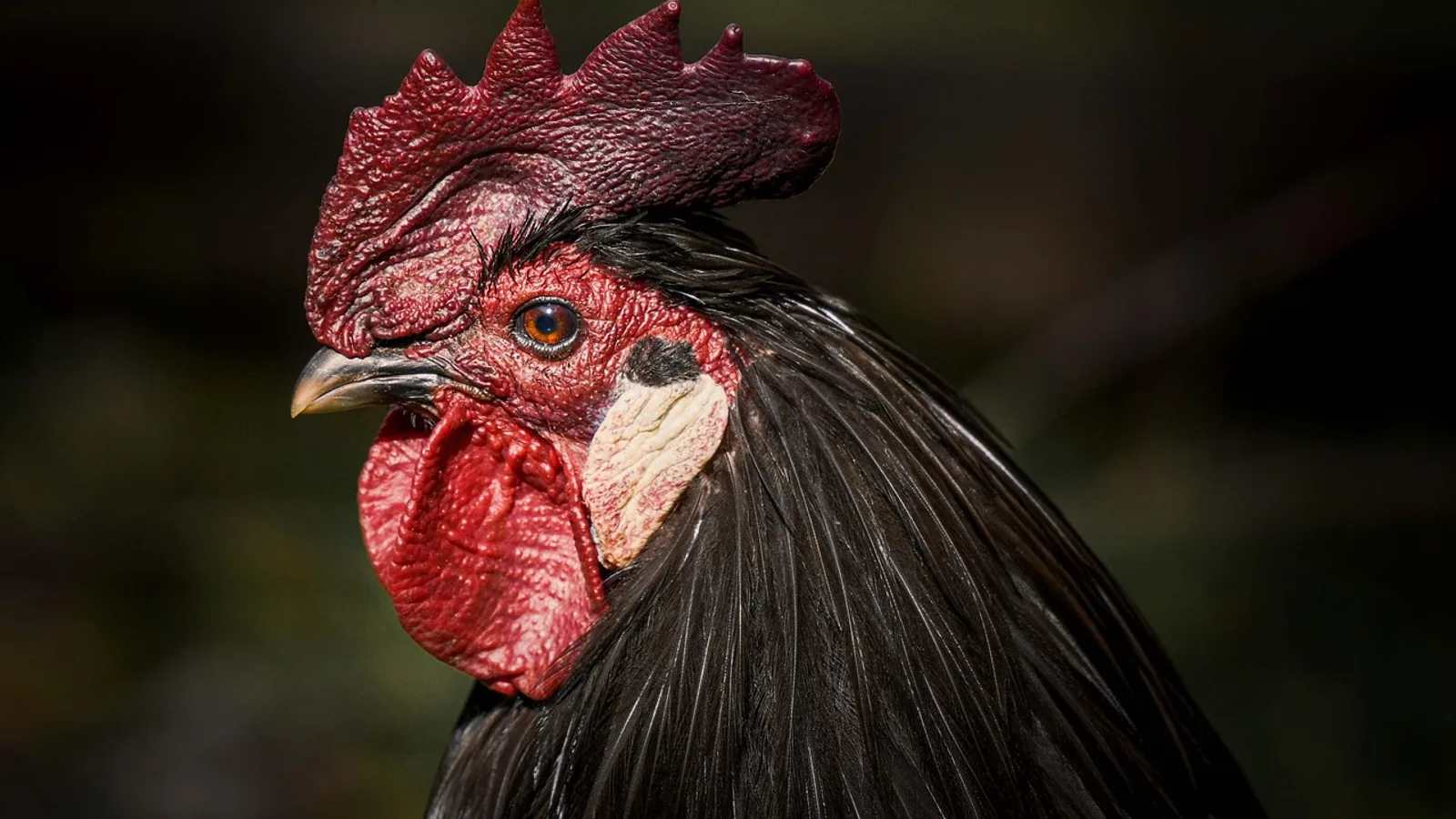
Chickens are remarkably cold-hardy if kept dry and out of drafts. Their primary defense is feather insulation, which traps a layer of warm air next to the skin. The comb and wattles (fleshy appendages) are especially vulnerable to frostbite because they are poorly insulated and have high surface area to volume ratio. Breeds with large combs (e.g., Leghorns, Rhode Island Reds) are more susceptible than those with pea or rose combs (e.g., Wyandottes, Brahmas).
Cold stress increases metabolic rate, meaning chickens require more energy (feed) to maintain core body temperature. When environmental temperature falls below approximately 0°C (32°F), the bird's metabolic demand rises significantly. The Merck Veterinary Manual notes that feed intake may increase by 20% to 30% during extreme cold [Merck Veterinary Manual, 10th ed.]. Dehydration and inadequate nutrition compound cold stress, leading to decreased egg production and increased disease susceptibility.
Signs of Hypothermia and Frostbite
Hypothermia occurs when core temperature drops below normal (approximately 41°C, 106°F). Clinical signs include lethargy, huddling, reluctance to move, and pale comb or wattles. In advanced cases, the bird may become recumbent and unresponsive.
Frostbite typically affects the comb, wattles, and feet. Initial signs include pale, cold, and firm tissue that later becomes swollen and blackened as necrosis develops. Secondary bacterial infection is a serious complication. According to AVMA guidelines, prompt veterinary attention is needed for any bird with signs of frostbite involving more than the tip of the comb [AVMA Poultry Welfare Position Statement].
The Ventilation vs. Heat Dilemma
This is arguably the most critical decision for winter coop management. Many owners mistakenly seal coops airtight to retain heat, but this creates a dangerous environment.
Why Ventilation is Critical
Heavily insulated coops without adequate airflow trap moisture from droppings and respiration. The resulting high humidity promotes ammonia build-up, which damages respiratory epithelium and predisposes the flock to infections such as mycoplasmosis and colibacillosis. The FVE (Federation of Veterinarians of Europe) stresses that ventilation should always take precedence over heating, as poor air quality is a greater threat than low temperature for adult birds [FVE Poultry Welfare Guidelines].
In addition, condensation on walls and ceilings drips onto bedding and chickens, increasing the risk of frostbite and dampness. Damp feathers lose insulating ability, making the bird colder. The goal is to maintain air exchange without creating drafts that directly hit the birds.
Safe Heating Options
If supplemental heat is necessary (e.g., for very young chicks, sick birds, or extreme cold below -20°C), the safest option is a flat radiant heater or a heated panel mounted on a wall or ceiling. These warm surfaces without emitting smoke or open flames. Never use space heaters, heat lamps with incandescent bulbs, or any device with an exposed heating element. Heat lamps are responsible for hundreds of coop fires annually, as noted in CVMA fire safety advisories.
Alternatively, deep litter method can generate heat from microbial activity (see Bedding section). If you must use a bulb, use a ceramic heat emitter housed in a wire guard, placed out of reach of bedding and birds.
Balancing Airflow and Warmth
Position ventilation openings (e.g., vents near the roof ridge, soffit vents) above the birds' roosting height. This allows warm, moist air to escape while preventing drafts at roost level. Cornell College of Veterinary Medicine recommends that coop insulation (R-value of at least 10-15 in walls, 20-30 in ceiling) be paired with ventilation gaps totalling 1 square foot per 10 square feet of floor area [Cornell Poultry Extension Guidelines]. In Europe, EFSA recommends a minimum ventilation rate of 0.5 m³/h per kg live weight in winter to avoid ammonia exceeding 20 ppm [EFSA Scientific Opinion].
Frostbite Prevention and Management
Predisposing Factors
Frostbite is caused by vasoconstriction in extreme cold, combined with moisture. Wet bedding, high humidity, and exposure to drafts increase the risk. Roosts that are too large (e.g., 2x4 boards) prevent chickens from covering their feet with their feathers during sleep; use roosts with rounded edges, about 3.5-5 cm wide, to allow foot coverage.
Clinical Signs and Treatment
Mild frostbite appears as pale, cold comb tips that become swollen and red upon rewarming. Over the next few days, the tissue may turn black and slough. Do not rub or massage frostbitten tissue as this causes further damage. Gently warm the bird in a 20-22°C environment, and apply a protective barrier such as petroleum jelly (Vaseline) to unaffected skin to limit further heat loss.
Severe frostbite with deep tissue necrosis requires veterinary care. The CVMA advises that necrotic tissue may become infected, requiring systemic antibiotics and possibly surgical debridement [CVMA Poultry Care Fact Sheet].
Veterinary Interventions
Veterinarians may prescribe non-steroidal anti-inflammatory drugs (NSAIDs) for pain and swelling, such as meloxicam (off-label) under veterinary guidance. Antibiotics (e.g., amoxicillin or enrofloxacin) are indicated if bacterial infection is present. Supportive care includes increased caloric intake, water with added electrolytes, and separation from the flock to prevent pecking at damaged tissue.
Water Supply Management in Freezing Conditions
Heated Waterers
Water is essential for digestion, egg formation, and thermoregulation. Frozen water leads to dehydration within 24-48 hours, causing a sharp drop in egg production and increased mortality. Use a heated poultry waterer (electric base or integral heater) rated for outdoor use, with a thermostat set to keep water just above freezing (approximately 2-5°C). Ensure the cord is protected from chewing and weather. Alternatively, rubber or metal waterers can be placed on a heated mat. In Australia, DAFF recommends checking waterers twice daily during cold snaps [DAFF Backyard Poultry Biosecurity Guidelines].
Preventing Dehydration
Even if water is not frozen, chickens may drink less in cold weather. Monitor water consumption; a flock of 10 hens may need 2-3 litres per day in winter. Dehydration signs include reduced egg production, dark or urate-rich droppings, and lethargy. Provide lukewarm water (10-15°C) in the morning to encourage drinking.
Electrolyte Supplementation
Adding an electrolyte solution (commercially available or homemade: 1 teaspoon salt + 1 teaspoon baking soda per 4 litres water) can help replenish essential minerals lost through increased metabolic activity. The AVA (Australian Veterinary Association) notes that electrolytes are particularly beneficial during sudden cold snaps or after transport [AVA Poultry Health Notes].
Bedding and Insulation Strategies
Deep Litter Method
The deep litter method involves allowing bedding (e.g., pine shavings, straw) to accumulate over weeks, with periodic turning. The microbial activity within the decomposing litter generates heat (up to 10-15°C above ambient) and reduces ammonia by encouraging aerobic bacteria. However, it requires careful management to avoid excessive moisture and anaerobic decomposition (which produces toxic gases). Turn the litter daily and remove wet patches promptly.
Bedding Materials
Pine or cedar shavings are preferred for their absorbency and low dust. Straw is less absorbent but provides good insulation; however, it can harbour mould spores and should be avoided in damp coops. Shredded paper is a cheap alternative but clumps quickly. Avoid hay, as it is high in moisture and significantly increases ammonia.
Coop Construction and Insulation
Insulation (polystyrene, foam board, or reflective foil) in walls and ceiling reduces heat loss. Ensure all gaps are sealed with caulk or foam. However, insulate only the interior surfaces; exterior cladding (e.g., plywood) protects against wind. The critical point: do not block ventilation. Install a drip edge above vents to prevent rain and snow entry. In Europe, EMA guidelines recommend a minimum temperature of 5°C for adult layers, but note that with proper insulation and management, birds tolerate much lower temperatures [EMA Guidelines on Layer Welfare].
The Lighting Debate
Photoperiod and Egg Production
Chickens are photoperiodic; they require at least 12-14 hours of light daily to maintain egg production. Natural daylight in winter often drops to 8-9 hours. Many keepers use supplemental lighting to extend the photoperiod to 14-16 hours.
Potential Downsides and Veterinary Consensus
The veterinary community is divided on the subject. Critics argue that forced-lighting regimes lead to reproductive exhaustion, increased egg-binding, vent prolapse, and higher mortality. The AAHA (American Animal Hospital Association) recommends against continuous lighting and warns that any photoperiod increase should be gradual (no more than 30 minutes per week) to minimize stress.
If a flock has naturally ceased production due to molt or age, forcing light does not induce laying and may cause undue stress. The CVMA suggests that for small backyard flocks, natural winter rest (a reduction in lay) may be healthier overall, reducing the incidence of reproductive disorders such as salpingitis and peritonitis.
The compromise: provide limited supplemental light (e.g., 10-12 hours) if egg production is desired, but discontinue if the flock shows signs of exhaustion (e.g., thin shells, shell-less eggs, abnormal behaviour). Always prioritize dark periods for sleep, as melatonin is crucial for immune function.
Regional Considerations
United States and Canada: Extreme cold (-30°C in parts of the Midwest and Canada) requires aggressive insulation and heated waterers, but heat lamps should be avoided. AVMA and CVMA stress that ventilation must remain functional even in deep cold.
Europe: EU Commission Regulation (EC) 589/2008 sets minimum welfare standards for layers, including mandatory nipple drinkers and dim lighting for rest periods. FVE does not endorse supplemental light for small flocks.
Australia: Australian winters are milder, but sudden cold fronts can still cause stress. DAFF recommends a windbreak and dry bedding. Frostbite is rare except in highland regions.
United Kingdom: BEIC (British Egg Industry Council) guidelines emphasize that chickens acclimatise well if kept dry and draft-free.
Summary and Practical Checklist
- Ventilation first: Ensure unobstructed airflow above roost level, even on the coldest nights.
- Insulate wisely: Use R-10+ insulation, but never seal the coop completely.
- Avoid heat lamps: Use radiant heaters or deep litter for warmth; heat lamps are unsafe.
- Manage moisture: Use deep litter method, remove wet spots daily, and clean waterers regularly.
- Prevent frostbite: Protect combs with petroleum jelly, provide round roosts, and keep bedding dry.
- Water: Use heated waterers, monitor intake, and add electrolytes during cold snaps.
- Light: Use supplemental lighting gradually if desired, but respect natural rest periods.
- Consult a vet: For any signs of frostbite, hypothermia, or respiratory distress.
By implementing these evidence-based strategies, you can keep your backyard flock healthy, productive, and comfortable throughout the winter months.
Related Articles
- Keeping Backyard Ducks vs Chickens
- What to Feed Backyard Chickens
- Raising Backyard Chickens: A Complete Beginner's Guide
Related Clinical & Scientific Guides
- Avian Emergency and Critical Care: Triage, Stabilization, and Supportive Therapy
- Avian Cardiology: Heart Disease Diagnosis and Management in Birds
- Avian Biosecurity for Small Flocks: Preventing Disease Introduction and Spread
References
Merck Veterinary Manual. (10th ed.). Poultry: Environmental Management. Kenilworth, NJ: Merck & Co. (2020). American Veterinary Medical Association (AVMA). Poultry Welfare Position Statement. (Revised 2019). Canadian Veterinary Medical Association (CVMA). Backyard Poultry Care Fact Sheet. (2021). Federation of Veterinarians of Europe (FVE). Welfare Standards for Laying Hens. (2018). European Food Safety Authority (EFSA). Scientific Opinion on the Welfare of Laying Hens. EFSA Journal. (2015). Cornell College of Veterinary Medicine / Cornell Poultry Extension. Winter Care for Backyard Chickens. (2022). Australian Veterinary Association (AVA). Poultry Health Notes: Cold Stress. (2020). Department of Agriculture, Fisheries and Forestry (DAFF) Australia. Biosecurity Guidelines for Backyard Poultry. (2021). American Animal Hospital Association (AAHA). Wellness Guidelines for Pet Birds and Poultry. (2022). European Medicines Agency (EMA). Guidelines on Welfare of Layer Flocks. (2016).