Chicken Head Anatomy: Comb, Beak, Wattles Explained
By Dr. Zubair Khalid, DVM, MS, PhD ·
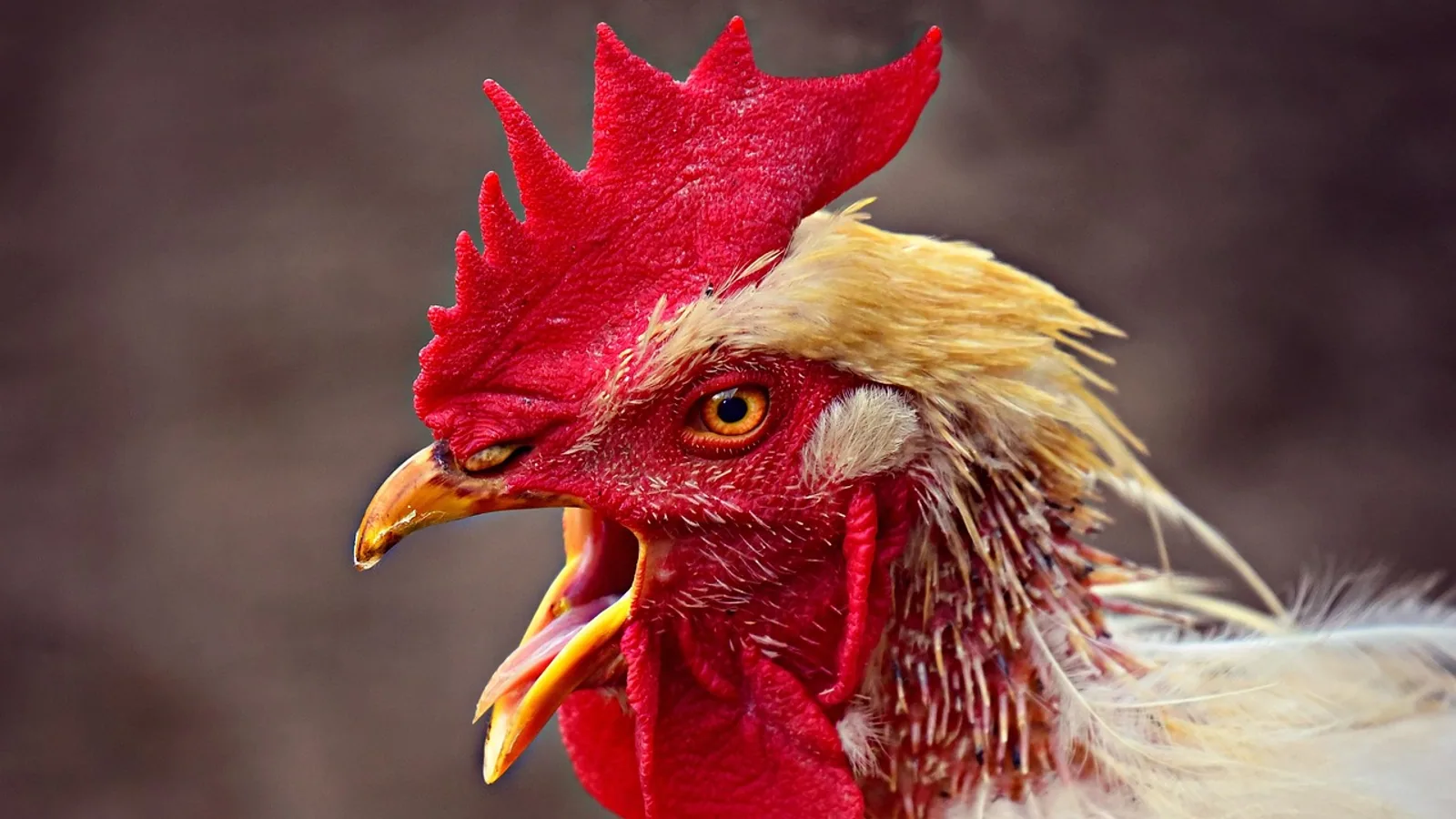
The chicken's head carries five external structures that owners can see and assess every day: the comb, the wattles, the beak, the eyes, and the ear openings, all set in a thin, feathered facial skin. The comb and wattles are fleshy, highly vascularized skin projections that release heat and signal health and reproductive status, while the beak is a hard, keratin-covered pair of mandibles that works as the bird's hand, tool, and primary food-processing organ.
Understanding these parts matters for backyard flock care. A comb that turns black in winter, a beak that grows past the point of eating, or a wattle that swells overnight are all visible signals of a problem that a keeper can catch early. This guide describes each external structure of the chicken's head, explains what it does, notes how breeds differ, and lists the abnormalities most often seen in backyard flocks.
This article is educational and is not a substitute for veterinary diagnosis or treatment.
The External Structures of a Chicken's Head at a Glance
The table below summarizes each visible structure, its main function, and the abnormality owners most commonly encounter. Details for each row follow in the sections below.
| Structure | Main function | Common abnormality |
|---|---|---|
| Comb | Heat dissipation, sexual signaling, social status | Frostbite, injury from pecking, cyanosis in respiratory or systemic disease |
| Wattles | Heat dissipation, sexual signaling, mate choice | Swelling with respiratory disease, frostbite, asymmetry |
| Beak (upper and lower mandible with keratin sheath) | Prehension, pecking, food manipulation, drinking, grooming, defense | Overgrowth, trauma, neoplasia of the beak keratin |
| Eyes with nictitating membrane | Vision, tear spreading, protection | Discharge, swelling, cloudiness |
| Ear openings (hidden by feathers) | Hearing | Discharge, foul odor, head shaking |
| Facial skin | Sensation, thermoregulation, display color | Pallor, cyanosis, scabbing |
The Comb
The comb is the fleshy, usually red projection on the top of the chicken's head. It sits along the midline of the skull and is covered by a thin layer of skin rather than feathers. Because the comb has a large surface area relative to its volume and carries a rich blood supply close to the surface, it functions as a radiator. When a bird is hot, blood flow to the comb increases and heat leaves the body across that exposed skin. This is why the comb is one of the four key head regions used in modern heat-stress assessment in chickens, alongside the eye, beak, and wattle [1]. Researchers measuring surface temperature in chickens treat the comb as a primary region of interest because it reflects the bird's thermal state so directly [1].
The comb also carries social and reproductive information. It is a secondary sexual trait, meaning it is larger and more developed in roosters than in hens, and its size and color signal health and hormonal status. In a study of germline chimera roosters, comb width correlated positively with wattle length, and comb thickness correlated with sperm concentration, which supports the long-standing view that head ornaments reflect reproductive condition [2]. Comb size also tracks behavior. In Sasso and Green-legged Partridge hens, comb length and comb height were both positively associated with how frequently the birds used the outdoor range, suggesting that birds with larger combs were more active outdoors [3].
Comb Types
Comb shape is one of the most reliable ways to identify a breed. The five main types are:
- Single comb. A single upright blade with a row of points along the top. This is the classic comb of the Leghorn, Rhode Island Red, and most commercial breeds. In a phenotypic survey of indigenous Ethiopian chickens, single combs were the most common type, found in 75.4 percent of hens and 39.5 percent of roosters [4].
- Rose comb. A broad, flattened comb covered in small bumps, ending in a short spike that points backward. Seen in Wyandottes and Hamburgs.
- Pea comb. A low comb made of three tight ridges running front to back. Seen in Brahmas, Buckeyes, and Ameraucanas.
- Walnut comb. A small, rounded, wrinkled comb that resembles a walnut half. Seen in Silkies and some game breeds.
- Cushion comb. A compact, rounded, cushion-like mass with no spikes. Seen in Chanteclers and some Orpington lines.
Comb type is heritable and is set by breed genetics, so a chick's comb type is generally predictable from its parentage. Mixed-breed birds can show intermediate forms.
Comb Abnormalities
Frostbite is the most common comb problem in cold climates. The comb has no insulating feather cover and a high surface-to-volume ratio, so it loses heat quickly. Prolonged exposure to freezing air, especially with wind or moisture, damages the tissue and turns it dark, then black and brittle. The tips and rear points are usually affected first.
Cyanosis, a blue or purple discoloration of the comb and wattles, is a clinical sign rather than a disease. In a 2024 outbreak of influenza A subtype H9N2 in commercial Nigerian poultry, necropsy of affected layers and broilers revealed cyanosis of the comb and wattles together with generalized hemorrhages and respiratory lesions [5]. Any sudden color change in the comb of a backyard bird warrants veterinary attention.
Pecking injuries are common in flocks with overcrowding or poor ventilation. The comb is a frequent target because it is bright, exposed, and bleeds readily when broken.
The Wattles
The wattles are the two fleshy flaps of skin that hang below the beak on either side of the lower jaw. Like the comb, they are unfeathered, richly supplied with blood, and red in most breeds. They serve the same two core functions: heat dissipation and sexual signaling.
The wattles are a paired, bilateral trait, which makes them useful in studies of developmental stability. In the germline chimera study, researchers measured fluctuating asymmetry of the wattles and testes as an index of how evenly the two sides developed, and found that wattle length correlated positively with comb width [2]. This confirms that the wattles and comb develop as a coordinated set of secondary sexual traits rather than as independent ornaments.
Wattles are also part of the head's thermal window. The same heat-stress framework that uses the comb, eye, and beak as temperature regions of interest includes the wattle as a key head region for infrared measurement [1]. This reflects the biological reality that the wattle, like the comb, is a site where the bird dumps heat.
Wattles Versus Earlobes
Owners frequently confuse wattles with earlobes. They are different structures in different locations. The wattles hang below the beak. The earlobes are small patches of skin located on the side of the head, behind and below the eye, near the ear opening. Earlobes can be red, white, or blue depending on breed, and they are not the same as the wattles. In the Ethiopian phenotypic survey, red earlobes were recorded in 51.6 percent of roosters and 51.4 percent of hens, showing that earlobe color is a distinct, separately scored trait from wattle appearance [4].
Wattle Abnormalities
Wattle swelling is a classic sign of respiratory disease in poultry. Because the wattles are thin, vascular, and dependent, they swell visibly when the head fills with fluid or when the upper respiratory tract is inflamed. In the H9N2 outbreak, cyanosis of the comb and wattles was one of the presenting signs alongside sinusitis and pneumonia [5]. Wattles can also suffer frostbite in the same conditions that damage the comb, and they can be torn during fighting or by equipment in the coop.
The Beak
The beak is the chicken's most versatile tool. It is made of two bony mandibles, the upper mandible (maxilla) and the lower mandible (mandible), each covered by a hard keratin sheath called the rhamphotheca. The beak has no teeth. Food is grasped, torn, and positioned with the beak, then swallowed whole.
The beak is prehensile in the sense that it can pick up and manipulate small objects with precision. Chickens use it to peck at feed, drink by scooping water and tipping the head back, groom feathers, explore the environment, and defend themselves. The beak is also the primary organ of pecking order behavior, which is why beak injuries can disrupt a bird's social standing in the flock.
Beak Shape Is Shaped by Diet and Function
Beak morphology across birds is strongly linked to feeding ecology. A comparative study of 175 bird species found that beak depth, more than overall cranial shape, predicted bite force, and that nest-structure complexity was a significant predictor of bite force alongside body mass [6]. In other words, the beak is not a fixed, generic structure. Its dimensions reflect what the bird needs to do with it.
In parrots, a group with extreme beak diversity, body mass was a much stronger predictor of beak and skull shape than diet, though diet still explained part of the variation [7]. This tells us that beak shape is influenced by multiple factors, including size, diet, and bite-force demands, not by diet alone.
For backyard chickens, the practical translation is that breed matters. Layer breeds have relatively short, pointed beaks suited to pecking grain and foraging. Meat breeds have heavier, broader beaks. Game breeds and some ornamental breeds have longer, more curved beaks. The beak of a chicken is also sexually monomorphic in most breeds, meaning roosters and hens have similar beak shapes even though their combs and wattles differ dramatically.
The Beak as a Sensory and Functional Unit
The beak works with the jaw joint. Chickens have a quadratomandibular joint, the primary jaw joint of birds, which is supported by a jugomandibular ligament that runs laterally and posteriorly and binds tightly to an articular meniscus [8]. This arrangement supports and controls movement of the quadrate bone, which is part of the upper jaw apparatus. The takeaway for owners is that the beak is not a simple hinge. It is part of a complex, ligament-supported system, and injuries to the beak or jaw can affect eating long after the visible wound heals.
Beak Abnormalities
Beak overgrowth happens when the upper and lower mandibles do not wear against each other evenly. The keratin sheath grows continuously, and in a healthy bird, normal pecking, foraging, and eating keep it worn to a functional length. Birds that eat only soft feed, birds with misaligned jaws, and older birds with reduced foraging activity are at higher risk.
Beak trauma is common in backyard flocks. It can result from pecking injuries, collisions with hardware cloth, or predator attacks. A cracked or avulsed beak is painful and can prevent eating.
Beak neoplasia is rare but documented. A multi-institutional study of nine beak tumors across six bird species, including Galliformes such as Gallus gallus domesticus, found that squamous cell carcinoma was the most common tumor, followed by melanoma, and that 66 percent of neoplasms were located on the maxillary rhamphotheca (the keratin sheath of the upper beak) [9]. Clinical signs included chronic weight loss, anorexia, difficulty swallowing, ulceration of the beak keratin, secondary bacterial infection, halitosis, crop impaction, and difficulty breathing [9]. The study noted that disease progression ranged from three weeks to several years and led to euthanasia in 55 percent of cases [9]. While this is a rare condition, it is a reminder that a persistent beak lesion that does not heal deserves veterinary evaluation.
The Eyes and Nictitating Membrane
The chicken's eyes are large, laterally placed, and set on the sides of the head. This gives the bird a wide field of view for detecting predators. Chickens have color vision and can see a broader spectrum than humans, which is relevant to how they perceive feed, feathers, and flockmates.
The nictitating membrane is a translucent third eyelid that sweeps across the eye from the inner corner. It moistens and cleans the eye surface and protects it during pecking, dust bathing, and flight. The membrane is visible during blinking and is a normal part of the bird's ocular anatomy.
The eye is also one of the four key head regions used in heat-stress thermography, alongside the comb, beak, and wattle [1]. This means the eye surface temperature is a recognized indicator of the bird's thermal state, not just a sensory organ.
Eye abnormalities in backyard chickens include discharge, swelling, cloudiness, and crusting. These can be signs of respiratory disease, environmental irritants such as ammonia from dirty bedding, or injury. Any bird with a swollen or discharging eye should be examined by a veterinarian.
The Ear Openings
Chickens have ear openings on the sides of the head, located behind and slightly below the eyes. The openings are hidden by feathers, which is why many owners never see them. There is no external ear flap or pinna like in mammals. The ear opening leads directly to the middle and inner ear.
The hidden location of the ear openings protects them from debris and injury, but it also means that ear problems can go unnoticed until they are advanced. Signs of ear disease in a chicken include head shaking, scratching at the ear, discharge, or a foul odor from the side of the head. Because the ear is covered by feathers, a keeper who suspects an ear problem should part the feathers gently and look directly at the opening.
The Facial Skin
The skin of the chicken's head is thin and, in most breeds, largely covered by small feathers except for the comb, wattles, earlobes, and the area around the eyes and beak. The facial skin is richly innervated and vascularized. It contributes to thermoregulation and to the bird's overall appearance.
Facial skin color is a health indicator. Normal facial skin in most breeds is red to pink. Pallor can indicate anemia, shock, or poor circulation. Cyanosis, a blue-purple tint, indicates poor oxygenation and is a sign of serious respiratory or systemic disease. In the H9N2 outbreak, cyanosis of the comb and wattles was documented as a presenting sign, and the same discoloration can extend to the facial skin [5].
The facial skin can also show scabbing, crusting, or wounds from pecking, frostbite, or trauma. Because the head is the most exposed part of the bird, facial skin injuries are common in flocks with behavioral problems or inadequate shelter.
How the Head Works as a Unit
The external structures of the chicken's head do not operate in isolation. The comb, wattles, and facial skin together form a thermal window that lets the bird regulate heat. The beak and jaw joint form a feeding and manipulation system. The eyes and ears provide sensory input. The feathers that cover the ear openings and most of the head protect the underlying structures while leaving the comb and wattles exposed for their thermoregulatory and signaling roles.
This integration is reflected in the way researchers study the avian head. A study of avian cranial evolution found that hard and soft tissue traits of the head are significantly correlated and interact reciprocally, meaning the head evolves as an integrated unit rather than as a collection of independent parts [10]. Another study using structural equation modeling found that beak morphology is somewhat decoupled from the rest of the avian cranium, which may allow the beak to adapt to feeding demands without forcing changes in the braincase [11]. For owners, the practical point is that a problem in one part of the head often affects others. A beak injury changes how the bird eats, which changes body condition, which shows up in comb color and facial skin.
Breed Differences in Comb and Beak
Comb type is breed-specific and is one of the first traits used to identify a chicken. Single combs dominate in Mediterranean and American layer breeds. Rose combs are characteristic of Wyandottes. Pea combs are found in Brahmas and Buckeyes. Walnut combs appear in Silkies. Cushion combs are seen in Chanteclers.
Comb size also varies within a breed by sex and age. Roosters have larger combs than hens, and the comb grows as the bird matures. In the Ethiopian survey, roosters were more likely to have plain head shape and single combs, while hens were more likely to have single combs and red earlobes, showing that sex influences head phenotype even within the same population [4].
Beak shape varies less dramatically than comb type in chickens, but it still differs by breed purpose. Layer breeds tend to have shorter, more pointed beaks. Meat breeds have heavier beaks. Ornamental and game breeds can have longer or more curved beaks. Across birds more broadly, beak depth is the strongest morphological predictor of bite force, and body mass and nest complexity also shape bite performance [6]. In parrots, body mass was a stronger predictor of beak shape than diet [7]. These findings support the general principle that beak form follows function, but the function is not diet alone.
Practical Implications for Backyard Keepers
The head is the best place to assess a chicken's health quickly. A keeper who handles birds regularly can learn to read the comb, wattles, beak, eyes, and facial skin in seconds.
- Check comb color daily. Bright red is normal in a healthy adult. Pale, blue, or black is a warning sign.
- Watch the wattles. Swelling, asymmetry, or discoloration can indicate respiratory or systemic disease.
- Inspect the beak. Look for overgrowth, cracks, or lesions that do not heal.
- Look at the eyes. Clear, bright eyes with a moist surface are normal. Discharge or swelling needs attention.
- Check the ear openings periodically. Part the feathers and look for discharge or odor.
- Protect the comb and wattles in winter. Frostbite is preventable with proper shelter and ventilation.
- Watch for pecking injuries. The comb and wattles are frequent targets in flocks with behavioral problems.
Limitations and When to Contact a Veterinarian
This article describes normal anatomy and common abnormalities, but it cannot replace an examination by a veterinarian who can see your bird in person. Individual cases vary, and a sign that looks minor to an owner can be the first indication of a serious systemic disease.
Contact a veterinarian promptly if you see any of the following:
- A comb or wattle that turns blue, purple, or black, especially with labored breathing
- Sudden swelling of the wattles or face
- A beak that is cracked, bleeding, or growing so long the bird cannot eat
- A beak lesion that does not heal within a few days
- Eye discharge, swelling, or cloudiness that persists
- Ear discharge, foul odor, or persistent head shaking
- Weight loss, reluctance to eat, or difficulty swallowing
- Any bird that is separating itself from the flock or sitting with its head tucked
For flock-level concerns, such as a sudden increase in respiratory signs or mortality, contact your veterinarian and your state animal health authority. Some poultry diseases are reportable, and early reporting protects both your flock and neighboring flocks.
Frequently Asked Questions
What is the comb on a chicken's head for?
The comb releases body heat and signals health, sex, and social status. Its large surface area and rich blood supply make it a radiator, and its size and color reflect the bird's hormonal and reproductive condition.
What is the difference between wattles and earlobes on a chicken?
Wattles hang below the beak. Earlobes are small patches of skin on the side of the head near the ear opening. They are separate structures with different locations and different colors depending on breed.
Why do chickens have different comb types?
Comb type is genetic and is fixed by breed. Single, rose, pea, walnut, and cushion combs are the five main types, and each is characteristic of specific breeds.
Can a chicken regrow its beak if it breaks?
The beak's keratin sheath grows continuously from the base, so minor wear and small chips can be repaired over time. A major break or avulsion that exposes the underlying bone is a serious injury that needs veterinary care.
Why did my chicken's comb turn black?
Black comb tissue usually means frostbite or tissue death from cold exposure, but it can also reflect poor circulation or serious systemic disease. A sudden color change, especially with breathing difficulty, needs prompt veterinary evaluation.
Do chickens have ears?
Yes. Chickens have ear openings on the sides of the head behind the eyes. The openings are hidden by feathers, and there is no external ear flap.
What is the nictitating membrane in a chicken's eye?
It is a translucent third eyelid that sweeps across the eye to moisten, clean, and protect it. It is a normal part of the chicken's eye anatomy.
Is beak overgrowth painful for a chicken?
Beak overgrowth can make eating difficult and can cause discomfort or injury if the misaligned beak catches on surfaces. A bird with an overgrown beak should be evaluated by a veterinarian.
Related Articles
- Comparative Anatomy of the Avian Respiratory System
- Comb Honey Production and Packaging
- Bird Nail and Beak Care
- Dog Flea Comb: How to Use It to Check for Fleas
- Wax Moth Prevention and Comb Storage
- Comb Replacement and Wax Management in Beekeeping
Sources
- Heat stress assessment in chickens via key head region temperature measurement using semantic segmentation and cross-modal RGB-IR collaboration.
- Secondary sexual traits and semen characteristic of chicken germline chimeras.
- Associations between neck plumage and beak darkness, as well as comb size measurements and scores with ranging frequency of Sasso and Green-legged Partridge chickens.
- Characterization of indigenous chicken phenotypes in Liban Jawi District, Ethiopia: A qualitative and quantitative analysis.
- Pathology and molecular detection of influenza A subtype H9N2 virus in commercial poultry in Nigeria, 2024.
- Beak height and nest structure shape avian bite force.
- Fit for purpose? Analysis of the relationship between skull, beak shape and feeding ecology in Psittaciformes.
- Comparison of the structural features between chicken quadratomandibular joint and rat temporomandibular joint with reference to ligament and articular meniscus/disc.
- Beak neoplasia in avian species: description of nine cases.
- Avian cranial evolution is influenced by shape interactions between hard and soft tissue traits.
- Structural Equation Modeling Reveals How Allometry Shapes Integration in Avian Cranial Evolution.