Why Is My Goldfish Floating? Swim Bladder Help
By Dr. Zubair Khalid, DVM, MS, PhD ·
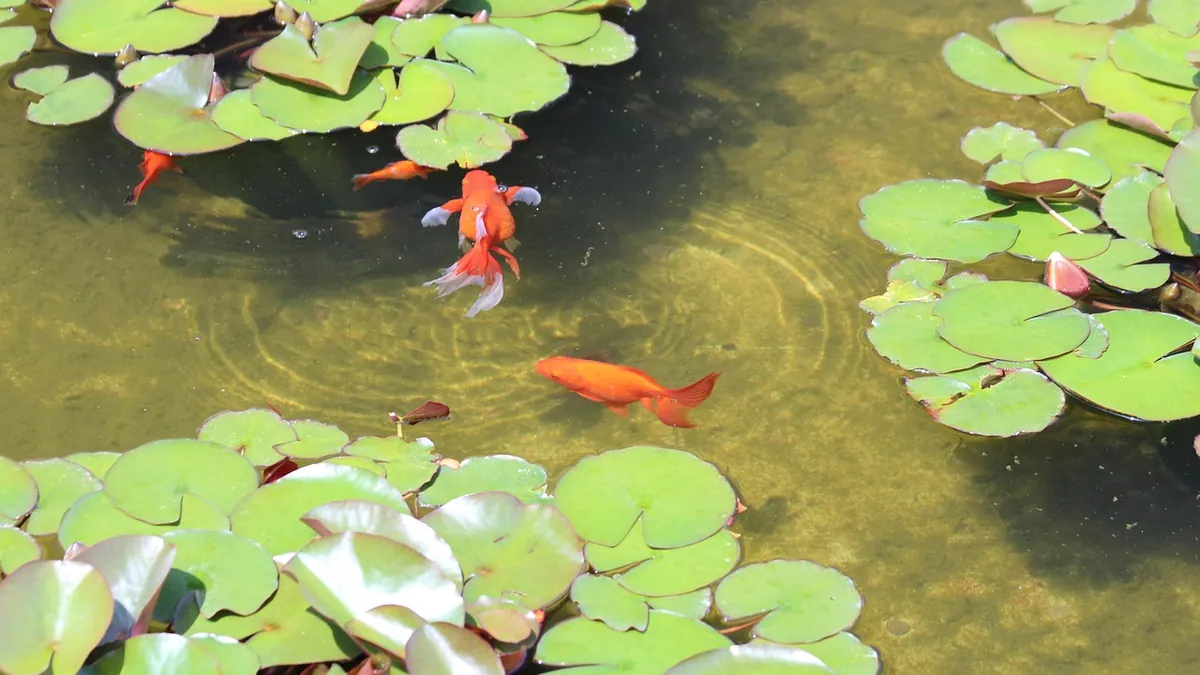
Why is my goldfish floating? In most cases, a goldfish that floats at the top or can't stay down has gas trapped in its swim bladder or digestive tract, and the problem often improves with feeding changes and better water quality. Sometimes, though, floating is the first sign of a real swim bladder disorder, an infection, or poor water conditions that need treatment. This article is educational and is not a substitute for veterinary diagnosis or treatment.
Quick Answer
- A goldfish that floats briefly after a big meal and then swims normally is usually fine.
- A goldfish that floats at the top for hours, tilts, or can't stay down has a buoyancy problem that needs attention.
- Stop feeding for 24 to 48 hours, then offer a small amount of a low-starch food or a cooked, peeled pea.
- Test your water for ammonia, nitrite, nitrate, and pH, then do a partial water change with temperature-matched, dechlorinated water.
- If the fish is gasping, has a swollen belly, red streaks, or open sores, contact a veterinarian who treats fish right away.
What Floating Looks Like and What Is Normal
Goldfish are physostomous fish, which means they can gulp air at the surface and adjust the gas in their swim bladder. A goldfish that rises to the top now and then, especially right after eating, is doing something normal. It may also float near the surface when the water is warm or when dissolved oxygen is low.
The sign that matters is whether the fish can control its position. A healthy goldfish can hover, dive, and swim away when you approach the tank. A goldfish with a buoyancy problem cannot. It may sit at the surface with its back out of the water, tip nose-down or tail-up, or struggle to stay off the bottom. Some fish float head-down and paddle hard to get lower.
Watch your fish for a full day before you panic. Note when the floating happens (after meals, all day, only at night), whether the fish can still eat, and whether it can reach the bottom at all. Those details help you and your veterinarian decide what is going on.
Why Is My Goldfish Floating? The Main Causes
Many things can make a goldfish float. The table below groups the common causes by what you are likely to see and how quickly you need to act.
| Cause | Typical clues | How urgent |
|---|---|---|
| Overfeeding or gas from food | Floating starts within hours of a meal, belly looks full, fish still active | Low, fix feeding |
| Constipation or gut gas | Fish floats tail-up, no droppings, bloated abdomen | Low to moderate |
| Swim bladder disorder | Floating for days, can't stay down, tilts, still eats | Moderate, see a vet if it persists |
| Poor water quality (ammonia, nitrite, nitrate) | Floating plus gasping, red gills, lethargy, cloudy water | High, test and change water now |
| Bacterial or parasitic infection | Floating with clamped fins, sores, white patches, weight loss | High, needs treatment |
| Internal masses or organ swelling | Firm, swollen belly, floating that gets worse over weeks | High, needs veterinary exam |
| Genetic or body shape issues | Fantail or fancy goldfish that floats often, no other signs | Moderate, manage long term |
Feeding and Diet Problems
Overfeeding is the most common reason a goldfish floats. Dry flakes and pellets expand in the gut and can trap gas. A goldfish that eats too much at one time may float for a few hours. If your fish floats right after meals and returns to normal later, the food is likely the trigger.
Some goldfish also swallow air when they eat from the surface. This air can collect in the gut and push the fish upward. Soaking dry food before you feed it, or switching to a sinking food, can reduce this.
Water Quality Problems
Ammonia, nitrite, and nitrate build up when a tank is overcrowded, overfed, or under-filtered. Fish under this stress may float, gasp at the surface, or sit on the bottom. Water additives such as salt and methylene blue have been used in live fish transport to improve water quality and reduce ammonia buildup and bacterial regrowth [1]. That does not mean you should add these to your home tank without advice. It does show that water chemistry and bacteria matter a great deal to fish health.
Test your water with a liquid test kit. If ammonia or nitrite is above zero, do a partial water change right away. Nitrate should stay low through regular changes.
Swim Bladder Disease
True swim bladder disease means the organ that controls buoyancy is not working right. The fish may float at the top, sink to the bottom, or swim sideways. The swim bladder can be affected by infection, inflammation, physical damage, or pressure from a swollen gut or organ.
Fancy goldfish with round bodies and short fins are more prone to this. If your fantail goldfish is just floating and cannot dive, that is a classic sign. You can read more about this in our guide to the Goldfish Swim Bladder Problem.
Infections and Other Diseases
Goldfish can carry parasites and bacteria that cause internal damage. One study of ornamental goldfish found that about 10% of fish at two commercial farms showed hump-like lesions and muscular cavities caused by a parasite, and advanced imaging plus histology was needed to confirm it [2]. This shows that internal disease in goldfish can be hidden and serious. If your fish floats along with lumps, sores, or a swollen body, a veterinarian should examine it.
Body Shape and Genetics
Some goldfish are built to float. Fancy varieties with compressed bodies have less room for normal swim bladder function. If your fish has floated on and off for its whole life and otherwise eats and swims well, this may be a body shape issue you manage with diet and tank setup.
Red Flags That Make It an Emergency
Call a veterinarian who treats fish right away if you see any of these:
- The fish is gasping at the surface and cannot get away from the top.
- The belly is hard, swollen, or has red streaks.
- There are open sores, white patches, or fin rot.
- The fish has stopped eating for more than a few days.
- Other fish in the tank have died or are sick.
- The fish is upside down and cannot right itself.
These signs point to infection, organ damage, or severe water quality problems. Home fixes will not be enough.
Safe Things You Can Do at Home
While you wait for a veterinary visit, or if the problem looks mild, these steps are safe.
Stop Feeding for 24 to 48 Hours
A short fast gives the gut time to clear gas and food. Most healthy goldfish handle a day or two without food well. After the fast, feed a small amount of a low-starch food. Cooked, peeled peas are a common choice because they are easy to digest.
Do a Partial Water Change
Change 25% to 50% of the water with temperature-matched, dechlorinated water. Vacuum the gravel to remove waste. Test ammonia, nitrite, nitrate, and pH before and after. Repeat the change if ammonia or nitrite is still high.
Check Temperature and Oxygen
Warmer water holds less oxygen. If your tank is above the normal range for goldfish, lower it slowly. Add an air stone or increase surface movement to raise dissolved oxygen.
Review Tank Size and Stocking
Goldfish grow large and produce a lot of waste. A tank that is too small or too crowded will have poor water quality no matter how often you clean it. Our Goldfish Tank Size Guide explains how much space each fish needs.
Avoid Random Medications
Do not pour in antibiotics or other drugs without a diagnosis. The wrong treatment can harm your fish and the bacteria in your filter. If you think an infection is present, get a veterinary exam first.
For a step-by-step feeding plan, see our Goldfish Care: Swim bladder disorder dietary treatment guide.
What the Veterinarian Will Check and Test
A fish veterinarian will start with a history. They will ask about tank size, water changes, diet, temperature, and how long the floating has lasted. Then they will examine the fish.
Common steps include:
- A physical exam to look at the body shape, fins, gills, and belly.
- A water sample test for ammonia, nitrite, nitrate, pH, and hardness.
- A skin and gill scrape to check for parasites under a microscope.
- Imaging such as radiography, ultrasound, or CT to look inside the body. These tools are used in goldfish to find internal lesions and structural problems [2].
- Blood work or a fecal check if infection is suspected.
Treatment depends on the cause. It may include water changes, diet changes, antibiotics, antiparasitic drugs, or surgery in rare cases. Your veterinarian will calculate any drug dose from your fish's weight and health. Never guess a dose on your own.
Prevention and Monitoring
Most buoyancy problems in goldfish come back to food and water. Here is how to lower the risk.
- Feed small amounts two or three times a day instead of one large meal.
- Soak dry food before feeding, or use a sinking food.
- Keep nitrate low with weekly partial water changes.
- Test water at least once a week, more often in a new tank.
- Keep the tank large enough for the number and size of your fish.
- Watch your fish for a few minutes each day. Catching a problem early makes it easier to fix.
If your goldfish floats often, keep a simple log of meals, water tests, and floating episodes. That record helps your veterinarian see patterns.
Limitations and When to Contact a Veterinarian
This article covers common causes and safe first steps. It cannot tell you what is wrong with your specific fish. Individual cases need a veterinarian who can examine the fish and test the water.
Contact a veterinarian the same day if your goldfish has floated for more than 48 hours, has stopped eating, or has a swollen belly. Treat it as an emergency if the fish is gasping, upside down, bleeding, or has open sores. Schedule a routine visit if the floating comes and goes over weeks, or if you cannot keep water quality stable.
If you are not sure whether your fish needs care, call a veterinarian who treats fish and describe what you see. A phone call can save you time and help your fish.
Frequently Asked Questions
Should I stop feeding my goldfish if it is floating?
Yes, a 24 to 48 hour fast is a safe first step for a goldfish that floats after meals. It gives the gut time to clear trapped gas and food. After the fast, feed small amounts of a low-starch food and watch whether the floating returns.
Can a goldfish recover from swim bladder disease on its own?
Mild cases caused by food or constipation often improve with fasting, better food, and clean water. Cases caused by infection, organ damage, or body shape may need veterinary treatment. If the floating lasts more than a few days, get help.
Is it normal for my fantail goldfish to float at the top?
Fancy goldfish with round bodies float more often than slim varieties, but floating all day is not normal. A fantail that can dive and eat well may just be prone to gas. A fantail that cannot stay down needs a closer look.
Does Epsom salt help a floating goldfish?
Some owners use Epsom salt baths for swelling, but the right amount depends on the fish and the cause. Ask a veterinarian before using any salt or medication. The wrong dose can harm your fish.
How often should I change the water if my goldfish keeps floating?
Start with a 25% to 50% change and test the water. If ammonia or nitrite is high, change more often until those levels stay at zero. Once the tank is stable, weekly partial changes usually keep goldfish healthy.
Related Articles
- Goldfish Swim Bladder Problem
- Goldfish Care: Swim bladder disorder dietary treatment guide
- Koi Fish Swim Bladder Disease: Causes and Treatment
- Goldfish Tank Size Care
- Goldfish Tank Size Guide
- Aquarium Fish Fin Rot: Causes, Symptoms, and Treatment
- Why Is My Goldfish Not Swimming? Causes and Help
- Why Is My Goldfish Swimming Upside Down?
- Why Is My Goldfish Sitting at the Bottom of the Tank?
References
- Optimizing water additives during live transportation of Pangasius catfish (Pangasianodon hypophthalmus): Effects on water quality, bacterial regrowth, and stress response. Journal of advanced veterinary and animal research, 2026.
- From Gross Lesions to 3D-CT: A Multimodal Approach to Diagnosing Myxobolus lentisuturalis Infections in Ornamental Goldfish (Carassius auratus): 2023-2024. Journal of fish diseases, 2026.