Do Betta Fish Die Easily? Common Causes and Prevention
By Dr. Zubair Khalid, DVM, MS, PhD ·
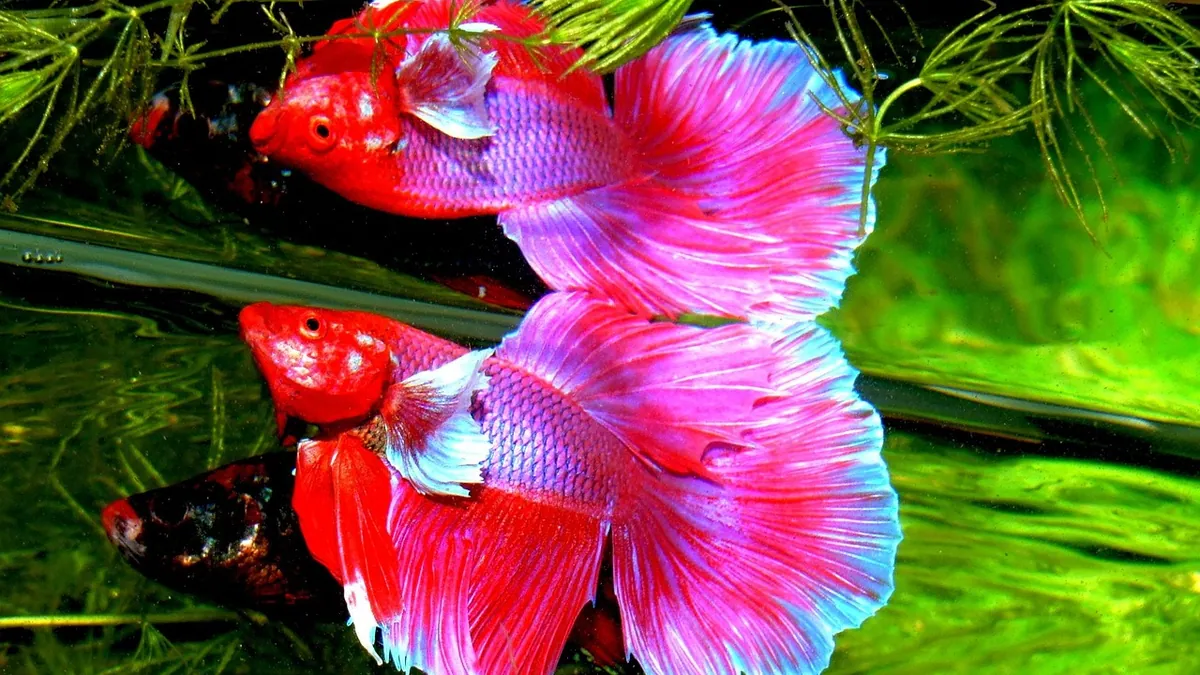
Do betta fish die easily? In many homes, yes, and the reason is almost always the setup, not the fish. Bettas are hardy animals that can live for years when their water is warm, clean, and spacious, but they die young in cold, unfiltered bowls. This article is educational and is not a substitute for veterinary diagnosis or treatment.
Quick Answer
- A betta in a 1.5 L jar shows more resting and abnormal behaviors (hovering, stereotypic swimming) than one in a large tank, so small containers harm welfare [1].
- Cold water, ammonia buildup from waste, and overfeeding are the three most common killers of pet bettas.
- A heated, filtered tank of at least 5 gallons with live plants or refuges gives your fish room to act normally [1].
- Feed small amounts once or twice daily and remove what your fish does not eat within a few minutes.
- Most betta deaths are preventable with routine water changes and a simple weekly check.
Do Betta Fish Die Easily? What the Evidence Says
The idea that bettas are disposable comes from how they are sold. They arrive in tiny cups, sit on shelves in unheated stores, and go home to bowls on a kitchen counter. That life is short by design.
Housing is the biggest factor. In a study that rotated male bettas through five setups, fish in a 1.5 L jar were significantly less active and spent significantly more time resting and performing abnormal behaviors (hovering and stereotypic swimming) than fish in a 19.3 L tank [1]. Tank furnishings mattered too. Fish in a large but bare tank showed more abnormal behaviors, including hovering, stereotypic swimming, and swimming into the walls, than fish in a large furnished tank [1]. A betta with nothing to explore is a stressed betta.
Bettas also carry real disease risks. A 10-month-old male betta presented with multiple masses on his flank was found to have a malignant mixed irido-melanophoroma, and testing also isolated Mycobacterium chelonae, an acid-fast bacterium [2]. Commercial bettas can also carry intestinal tapeworms of the genus Senga, which attach to the digestive tract and can cause severe tissue damage or block the intestine [3]. These are not things you can see in a store cup.
None of this means bettas are fragile. It means the common way they are kept is wrong.
Setting Up a Tank That Keeps a Betta Alive
Step 1: Choose the tank size first
Skip the bowl. Choose a tank of at least 5 gallons, and bigger is better. The welfare study used a 19.3 L (about 5 gallon) tank as its "large" condition and found the best behavioral results there [1]. A 5 to 10 gallon tank with a lid is a good target for one betta.
Step 2: Add a heater and a filter
Bettas are tropical fish. They need stable warm water, not room temperature. Pair a small adjustable heater with a gentle filter. Bettas are not strong swimmers in heavy current, so choose a filter you can baffle or turn down.
Step 3: Furnish the tank
Add gravel, live or soft silk plants, and a cave or hide. The study found that furnishings reduced abnormal behaviors in large tanks [1]. Live plants also help use up some nitrogen waste.
Step 4: Cycle the tank before your fish moves in
Run the filter for several weeks before adding a betta, or use a proven cycling method. This grows the bacteria that convert toxic ammonia into less harmful compounds. An uncycled tank is the single most common reason a new betta dies in the first month.
Step 5: Acclimate and feed carefully
Float the bag, then add small amounts of tank water over 20 to 30 minutes before releasing your fish. Feed a betta-specific diet in portions your fish finishes in a couple of minutes. Uneaten food rots and spikes ammonia.
For a full walkthrough of setup and daily care, see the Complete Betta Fish Care Guide.
Weekly Betta Care Checklist
| Task | How often | Why it matters |
|---|---|---|
| Test ammonia, nitrite, nitrate | Weekly, and after any change | Ammonia and nitrite burn gills at low levels |
| Change 25 to 50 percent of the water | Weekly | Removes waste the filter cannot process |
| Check temperature | Daily glance, weekly with a thermometer | Cold water suppresses immunity and appetite |
| Rinse filter media in old tank water | Every 2 to 4 weeks | Keeps bacteria alive, removes clogging debris |
| Inspect fins, eyes, belly, and behavior | Daily | Early signs are easy to miss |
| Remove uneaten food | Within minutes of feeding | Prevents ammonia spikes |
Signs That Something Is Wrong
Watch your betta every day. You will learn its normal swimming, resting, and eating patterns, and changes will stand out.
Call your veterinarian or an aquatic specialist if you see:
- Refusing food for more than two or three days. Appetite loss is one of the earliest signs of illness. See Betta Fish Not Eating.
- Gasping at the surface or hanging near the filter output. This often points to low oxygen or ammonia.
- Clamped fins, dull color, or constant hiding.
- A swollen belly, raised scales, or a pinecone look. This can signal fluid buildup and organ failure. See Betta Fish Care: Dropsy kidney failure bloat diagnosis guide.
- White spots, fuzzy patches, red streaks, or fin edges that look eaten away. These are common infections covered in Common Betta Fish Diseases and How to Treat Them.
- New lumps or masses. A betta can develop tumors, including malignant chromatophoromas, and these need a professional exam [2].
- Weight loss or a sunken belly. Intestinal parasites such as Senga tapeworms can cause serious damage in commercial bettas [3].
Common Mistakes That Shorten a Betta's Life
Keeping a betta in a bowl or jar
This is the mistake that starts everything else. A 1.5 L jar is too small for normal behavior, and the study showed fish in jars were less active and rested more than fish in larger tanks [1]. Small volumes also swing in temperature and build ammonia fast.
Skipping the heater
A cold betta stops eating, sits on the bottom, and gets sick. Warm, stable water is basic care, not a luxury.
Overfeeding
Most owners feed too much. Extra food sinks, decays, and pushes ammonia up. Feed small portions and remove leftovers.
Changing all the water at once
A full water change wipes out your beneficial bacteria and shocks the fish. Do partial changes instead.
Adding tankmates without a plan
Bettas are territorial. Some fish can work in a large tank, but many cannot. Ask before you add anything.
Ignoring the nitrogen cycle
New tanks are not ready for fish. If you did not cycle the tank, test the water daily and change it as needed until ammonia and nitrite read zero.
Treating with random medications
Do not guess. Many fish products are unproven for the problem you actually have, and some harm the filter bacteria. Get a diagnosis first.
Supplies and Setup Details That Matter for Health
You do not need expensive gear, but you do need the right gear.
- Tank: 5 gallons minimum, with a lid. Bettas jump.
- Heater: adjustable, sized for your tank volume.
- Filter: gentle flow, sponge or baffled output.
- Test kit: liquid ammonia, nitrite, nitrate, and pH tests.
- Water conditioner: removes chlorine and chloramine from tap water.
- Hide and plants: at least one cave plus plants. Furnishings reduce abnormal behaviors in large tanks [1].
- Food: a quality betta pellet or frozen diet, rotated for variety.
- Net and dedicated bucket: used only for this tank.
One more thing worth knowing: bettas have strong fin regeneration. After fin amputation, they can regrow fins similar to the originals in structure and color, and researchers have mapped the genes involved in that process [4]. That healing ability is real, but it does not protect a fish from bad water. Fin rot and torn fins still need clean water and, often, treatment.
How Long Should a Betta Live?
A well-kept betta should live for years, not months. If your fish died within a few weeks of coming home, the tank setup is the likely cause. For expected lifespans by setup type, read How Long Do Betta Fish Live? Lifespan Guide.
Limitations and When to Contact a Veterinarian
No article can diagnose your fish. Water quality, diet, tankmates, and the fish's own history all change what is happening, and individual cases need a veterinarian who can examine the animal and test the water.
Contact a veterinarian or aquatic animal specialist:
- Same day: sudden loss of appetite, gasping, clamped fins, or a new lump.
- Emergency now: a fish that cannot stay upright, is bleeding, has prolapsed tissue, or is struggling to breathe at the surface.
- Routine visit: any betta with a long-term issue such as recurring fin rot, chronic bloating, or weight loss.
If you suspect poisoning from a household product that got into the tank, call the ASPCA Animal Poison Control Center at (888) 426-4435 or the Pet Poison Helpline at (855) 764-7661. Both may charge a consultation fee.
Frequently Asked Questions
Are bettas hard to keep alive?
No, they are not hard to keep when the tank is right. They are hard to keep in bowls, cold water, and unfiltered containers. Give a betta warm, clean, filtered water and space to swim, and it is a durable pet.
Can a betta live in a bowl without a filter?
It can survive for a while, but survival is not the same as good welfare. Research shows bettas in small jars rest more and show more abnormal behaviors than bettas in large tanks. A filtered tank is the better choice.
Why did my betta die suddenly?
Sudden death usually traces back to water quality, temperature, or an undiagnosed infection. Ammonia spikes, cold snaps, and internal disease can all kill a fish quickly with few visible signs. Test your water and review your routine.
Do bettas need a heater if my house is warm?
Yes, in most cases. Room temperature swings at night and in winter, and bettas need stable warmth. A small adjustable heater keeps the water steady and protects the immune system.
How often should I feed my betta?
Feed once or twice a day in small portions your fish finishes quickly. Remove anything left after a few minutes. Overfeeding is one of the most common owner mistakes and a direct cause of ammonia problems.
Related Articles
- How Long Do Betta Fish Live? Lifespan Guide
- Common Betta Fish Diseases and How to Treat Them
- Betta Fish Not Eating
- Complete Betta Fish Care Guide
- Betta Fish Care: Dropsy kidney failure bloat diagnosis guide
- Betta Fish Popeye: Causes, Symptoms, and Treatment
- Why Did My Goldfish or Betta Die Suddenly? Common Causes
- How to Tell If Your Betta Fish Is Dead or Just Resting
- Why Is My Betta Fish Losing Color? Causes and Fixes
References
- Life beyond a jar: Effects of tank size and furnishings on the behaviour and welfare of Siamese fighting fish (Betta splendens). Animal welfare (South Mimms, England), 2024.
- Malignant Mixed Irido-Melanophoroma in a Betta splendens with Concurrent Mycobacterium chelonae Isolation-A Case Report. Journal of fish diseases, 2025.
- First report of a species of Senga (Cestoda: Bothriocephalidae) in commercial Betta splendens (Actinopterygii: Osphronemidae) in Brazil. Veterinary research communications, 2026.
- Transcriptome analyses of betta fish (Betta splendens) provide novel insights into fin regeneration and color-related genes. Gene, 2023.