White Tree Frog Care Guide
By Dr. Zubair Khalid, DVM, MS, PhD ·
Key Takeaways
- Enclosure and Environmental Control: Maintain a thermal gradient of 26-30°C (78-86°F) on the warm side and 22-26°C (72-78°F) on the cool side, with nighttime drops to 18-22°C (65-72°F). Relative humidity should be between 40-60%, achieved through daily misting with dechlorinated water and a shallow water bowl, avoiding sustained levels above 70% to prevent cutaneous infections.
- Dietary Management and Supplementation: Offer a varied diet of gut-loaded insects (crickets, dubia roaches, etc.) no larger than the interocular distance. Juveniles require calcium with D3 supplementation at every feeding, while adults need it every other feeding, supplemented with a multivitamin weekly to prevent metabolic bone disease (MBD).
- Obesity Prevention and Management: Monitor body condition score (BCS) to maintain a score of 2.5-3.5, as obesity can lead to hepatic lipidosis and cardiovascular strain. Dietary adjustments, increased exercise through enclosure enrichment or supervised sessions, and regular weighing are crucial for weight management.
- Disease Prevention and Recognition: Common health issues include MBD (due to calcium/UVB deficiency), bacterial infections like Red Leg Syndrome (Aeromonas hydrophila), and fungal infections (Saprolegnia, Batrachochytrium dendrobatidis). Prompt veterinary consultation is indicated for anorexia exceeding 7 days, respiratory distress, skin lesions, or sudden mortality.
- Biosecurity and Veterinary Access: Implement a 30-day quarantine for new acquisitions to prevent disease transmission. Seek veterinary care from specialists in exotic animal medicine, with resources like ARAV in North America and ECZM in Europe for qualified practitioners.
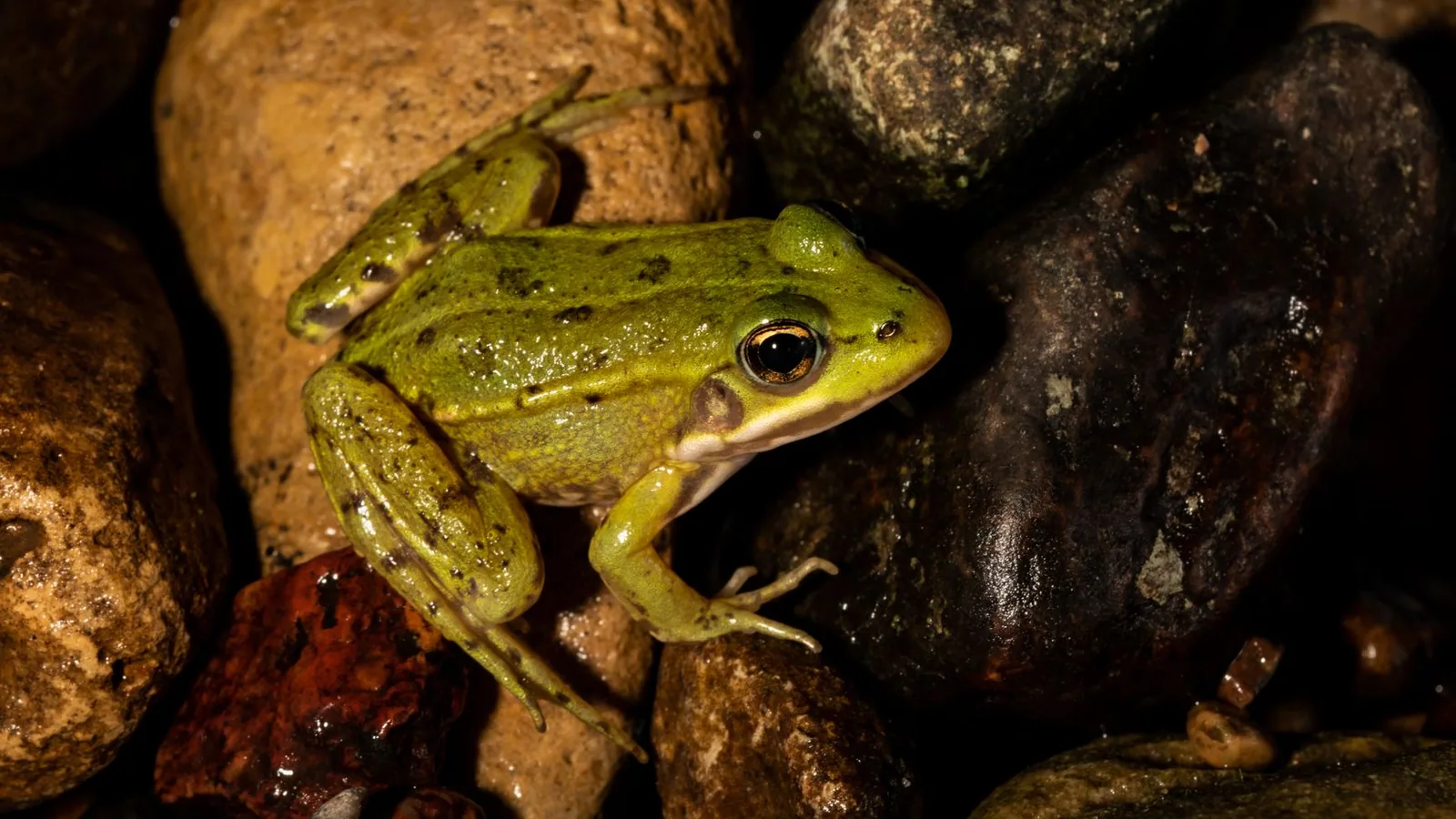
The White Tree Frog (Litoria caerulea), also known as the dumpy tree frog or Australian green tree frog, is a popular captive amphibian appreciated for its docile nature and distinctive waxy appearance. Despite being relatively hardy, these frogs require precise husbandry to thrive in captivity. This guide integrates current veterinary consensus from authoritative bodies such as the AVMA, AAHA, CVMA, AVA, FVE, as well as guidelines from the Merck Veterinary Manual and VCA Animal Hospitals. It covers essential aspects of enclosure, diet, obesity management, humidity, and common health issues, with regional considerations for North America, Europe, and Australia.
Quick Q&A
Question: How can I maintain the correct humidity level for my White Tree Frog?
Answer: White Tree Frogs require a humidity range of 40-60% measured with a digital hygrometer. This can be achieved through daily misting with dechlorinated water and providing a shallow water bowl that allows soaking. Avoid consistently high humidity (>70%) as it can lead to bacterial and fungal skin infections.
Enclosure and Habitat
Providing an appropriate enclosure is the foundation of White Tree Frog health. As arboreal amphibians, they require vertical space for climbing and ample hiding areas.
Enclosure Size and Type
A single adult White Tree Frog should be housed in a terrarium no smaller than 45 cm (18 in) in height and 30 cm (12 in) in each horizontal dimension (approximately 45-60 L / 12-16 gal). Pairs or trios need larger enclosures (75-90 cm height, >90 L / 24 gal). Glass or well-ventilated plastic enclosures with screen tops are ideal; solid lids reduce ventilation and can cause condensation issues. In Australia, where these frogs are native, some keepers use outdoor aviary-style enclosures in appropriate climates, but indoor controlled environments are generally recommended to avoid temperature extremes and predation.
Substrate and Décor
A moisture-retentive substrate such as coconut coir, sphagnum moss, or cypress mulch helps maintain humidity. Avoid gravel or sand, which can be ingested and cause gastrointestinal obstruction. Provide multiple climbing structures: cork bark, bamboo poles, and live or artificial plants (e.g., Pothos or Philodendron) that can withstand high humidity. Hiding spots such as cork tubes or half-logs are essential to reduce stress.
Temperature and Lighting
A thermal gradient should be established: warm side 26-30°C (78-86°F) and cool side 22-26°C (72-78°F). Nighttime drops to 18-22°C (65-72°F) are acceptable. Use a low-wattage ceramic heat emitter or a heat mat regulated by a thermostat. Red or blue night heat lamps are not recommended as they can disrupt circadian rhythms. White Tree Frogs are not strict baskers, so UVB lighting is not essential if dietary vitamin D3 is provided, but low-level UVB (2-5% T5 HO) may improve calcium metabolism and behaviour. The AVMA and European guidelines (FVE/EFSA) emphasise that all captive amphibians benefit from a photoperiod of 12-14 hours of light daily.
Diet and Nutrition
Feeding a balanced diet is critical for growth, reproduction, and disease prevention.
Food Items
In the wild, Litoria caerulea consumes insects, spiders, and small vertebrates. In captivity, a variety of appropriately sized prey should be offered: crickets, dubia roaches, silkworms, black soldier fly larvae, and occasionally waxworms or hornworms as treats. Feed prey no larger than the space between the frog’s eyes to prevent choking or impaction.
Gut-Loading and Supplementation
All insects must be gut-loaded for 24-48 hours prior to feeding with a commercial gut-load diet or fresh vegetables (carrots, leafy greens). Additionally, dust prey with a calcium supplement containing vitamin D3 at every feeding for juveniles (up to 12 months) and at every other feeding for adults. A multivitamin supplement (without high levels of vitamin A or D3) should be provided once weekly. Over-supplementation with vitamin D3 can lead to toxicity; therefore, follow manufacturer dosing guidelines precisely. The CVMA and AVA both stress that amphibians fed exclusively on commercially reared insects without supplements will develop metabolic bone disease (MBD).
Feeding Frequency
- Juveniles (<12 months): Feed daily, offering as many prey items as the frog can consume in 10-15 minutes.
- Adults (>12 months): Feed every 2-3 days, offering 5-8 appropriately sized insects per feeding. Reduce portions if the frog appears overweight (see Obesity Management).
Obesity Management
Obesity is a common problem in captive White Tree Frogs due to overfeeding and lack of exercise. It can lead to hepatic lipidosis, cardiovascular strain, and shortened lifespan.
Body Condition Assessment
A healthy White Tree Frog should have a clearly defined torso without excessive fat deposits on the neck, armpits, or hips. The spine should be visible but not prominent. A body condition score (BCS) system used in exotic practice grades from 1 (emaciated) to 5 (obese); most frogs should be at 2.5-3.5. If the frog cannot retract its limbs completely or the abdomen drags on the substrate, it is likely overweight.
Dietary Modifications for Weight Loss
- Reduce feeding frequency: adults may be fed every 4-5 days.
- Replace high-fat prey (waxworms, butterworms) with lower-fat options (crickets, roaches).
- Increase exercise by rearranging enclosure furniture, introducing foraging opportunities (scattering prey around the terrarium), or using a supervised exercise area (a clean, escape-proof bathtub with a few inches of dechlorinated water and climbing branches for 10-15 minutes several times weekly).
- Weigh the frog weekly with a digital scale and adjust diet accordingly. Gradual weight loss (1-2% of body weight per week) is safe.
Humidity and Hydration
Proper hydration and humidity are crucial for normal shedding and respiratory health.
Hygrometry and Misting
Maintain a relative humidity of 40-60%, with brief spikes after misting. Use a digital hygrometer placed in the middle of the terrarium. Misting the enclosure once or twice daily with dechlorinated water (allow tap water to sit for 24 hours or use a reptile-safe water conditioner) provides the necessary moisture. In drier climates (e.g., parts of the western US and central Australia), a cool-mist fogger or an automatic misting system can help stabilise humidity, but ensure ventilation to prevent condensation.
Water Bowl
Provide a shallow, sturdy water dish large enough for the frog to soak fully. Change the water daily and clean the dish with hot water without soap (amphibians are highly sensitive to residues). Poor water quality can lead to bacterial dermatitis (“red leg” syndrome) and fungal infections.
Regional Considerations
In European countries where tap water is heavily chlorinated or chloraminated, use a dechlorinator approved for amphibians. In Australia, some rainwater may be acidic; test pH and adjust if necessary (ideal pH 6.5-7.5). The Merck Veterinary Manual notes that captive amphibians are often housed at humidity levels that are too low or too high; a fogger should never be pointed directly at the frog, as this can cause aspiration pneumonia.
Health and Disease
Veterinary care for amphibians has advanced significantly, but many problems are still preventable through optimal husbandry.
Common Diseases
- Metabolic Bone Disease (MBD): Caused by calcium deficiency or improper calcium-to-phosphorus ratio. Signs include soft mandible, jaw deformities, tremors, lethargy, and fractures. Treatment involves correcting UVB/supplementation and supportive care (oral calcium glubionate). Prevention is far more effective.
- Red Leg Syndrome: A bacterial infection (often Aeromonas hydrophila) presenting with erythema of the ventral skin, lethargy, and anorexia. Requires veterinary intervention with antibiotic therapy (e.g., enrofloxacin or ceftazidime) and improved hygiene.
- Fungal Infections: Usually superficial, appearing as white or grey patches on the skin. Caused by Saprolegnia or Batrachochytrium dendrobatidis (Bd). Chytridiomycosis (caused by Bd) is a reportable disease in many regions; suspicious cases should be tested by a veterinarian. Treatment includes antifungal baths (itraconazole) under veterinary guidance.
- Parasites: Nematodes and protozoa can cause weight loss and diarrhoea (or diarrhoea). Fecal examination by a veterinarian is recommended annually for outdoor-housed frogs.
- Obesity-related Hepatic Lipidosis: Fat deposits in the liver impair function. Suspect if the frog has a distended coelom, yellow discolouration, or anorexia. Diagnosis via ultrasound and biopsy; management includes weight loss and supportive care.
When to Seek Veterinary Care
Consult a veterinarian experienced in exotic animals (or a specialist in zoological medicine) if you observe any of the following: prolonged anorexia (more than 7 days), abnormal posture, difficulty breathing, skin ulcers, repeated regurgitation, or sudden death of tank mates. In North America, the Association of Reptilian and Amphibian Veterinarians (ARAV) maintains a directory of qualified vets. In Europe, the European College of Zoological Medicine (ECZM) certifies specialists. In Australia, the Australian Veterinary Association (AVA) can provide referrals.
Quarantine and Biosecurity
New White Tree Frogs should be quarantined for at least 30 days in a separate room with separate equipment. Monitor for signs of illness before introducing to an existing collection. Wash hands thoroughly between handling any amphibians to prevent transmission of diseases like chytridiomycosis.
Conclusion
The White Tree Frog is a rewarding species for dedicated pet owners when proper husbandry is provided. Key points include a vertically oriented enclosure with gradients for temperature and humidity, a varied insect diet supplemented with calcium and vitamins, careful weight management to prevent obesity, and prompt veterinary attention at the first sign of illness. Adhering to evidence-based guidelines from veterinary organisations ensures the best quality of life for these charismatic amphibians.
Related Articles
Related Clinical & Scientific Guides
References
Merck Veterinary Manual. Amphibians: Biology and Husbandry. Accessed 2025. American Veterinary Medical Association (AVMA). Guidelines for the Humane Transport and Care of Amphibians. Animal Hospital Association (AAHA). Exotic Animal Care Standards: Amphibians. Canadian Veterinary Medical Association (CVMA). Amphibian Husbandry and Disease Prevention. Australian Veterinary Association (AVA). Caring for Native Amphibians in Captivity. Federation of Veterinarians of Europe (FVE). Amphibian Welfare in Captivity. VCA Animal Hospitals. White Tree Frog Care Sheet. Association of Reptilian and Amphibian Veterinarians (ARAV). Husbandry Guidelines for Litoria caerulea. European College of Zoological Medicine (ECZM). Amphibian Medicine.
Note: This guide is for educational purposes and does not replace individual veterinary consultation.