Tree Frog Care Guide
By Dr. Zubair Khalid, DVM, MS, PhD ·
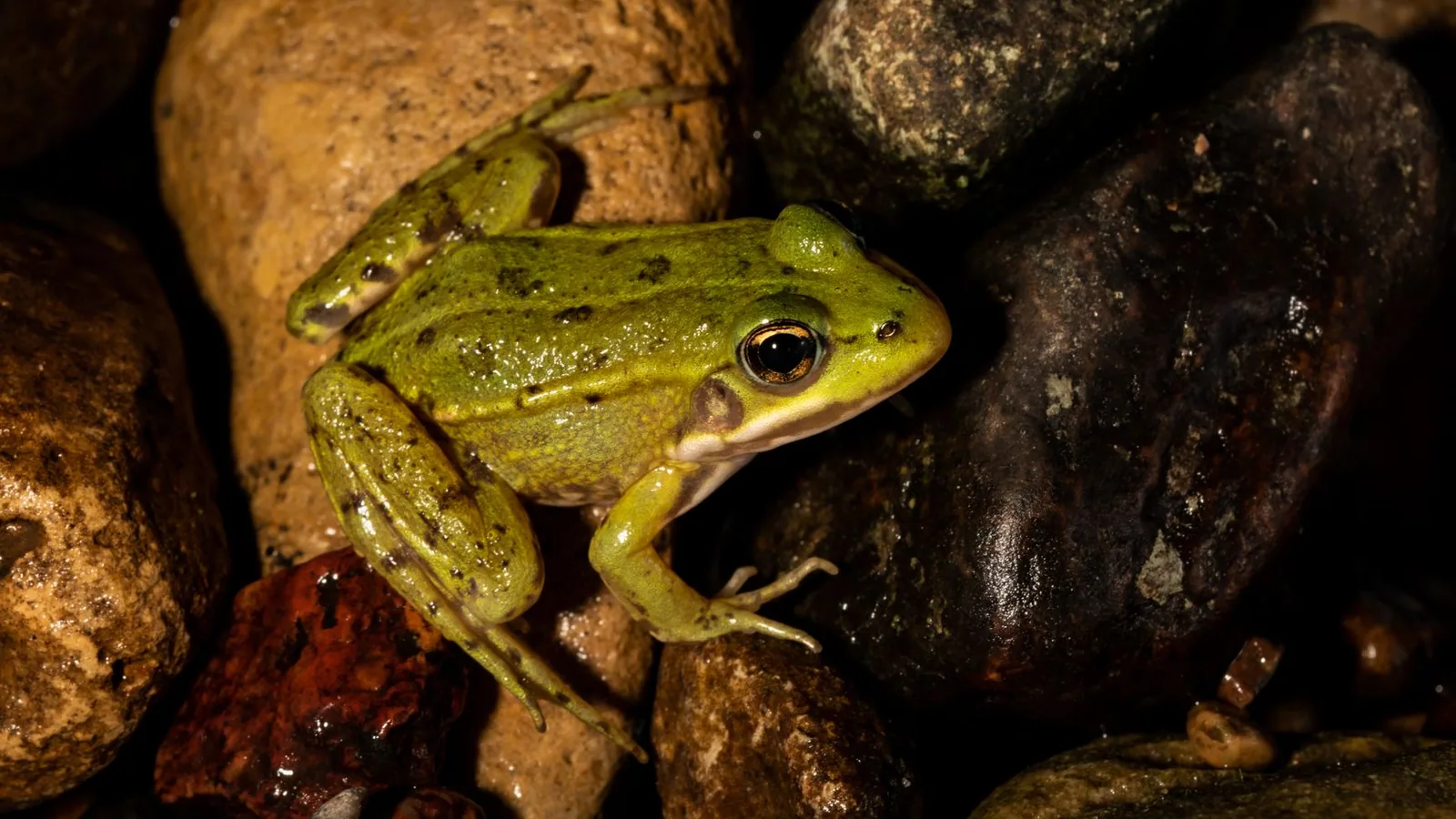
Key Takeaways
- Maintaining stable, species-appropriate humidity (60-80% RH) and temperature gradients (e.g., 26-30°C basking, 20-24°C cool zone) is paramount; inadequate humidity causes dysecdysis and renal compromise, while incorrect temperatures impair immune function and digestion.
- Arboreal species require vertical enclosures with ample climbing space (at least 3x snout-to-vent length), appropriate substrates (coconut coir, sphagnum moss), and secure ventilation to prevent respiratory infections and escapes.
- Obligate insectivores necessitate a varied diet supplemented with calcium and vitamin D3 at every feeding, and a multivitamin weekly to prevent metabolic bone disease and hypovitaminosis A, with prey size limited to the distance between the frog's eyes.
- Tree frogs are sensitive display animals; handling should be minimized and performed with wet, nitrile gloves to prevent dermal absorption of oils and chemicals, as they can carry zoonotic pathogens like Salmonella.
- Early disease recognition is critical; common signs include lethargy, skin reddening ("red-leg" syndrome indicating septicaemia), retained shed (dysecdysis), or swelling, all requiring prompt veterinary intervention from an amphibian-experienced veterinarian.
- Quarantine protocols (minimum 30-60 days) with diagnostic testing (e.g., faecal analysis for parasites like Rhabdias spp. or protozoa) are essential for new acquisitions to prevent disease transmission, including chytridiomycosis (Batrachochytrium dendrobatidis).
Tree frogs (family Hylidae) are among the most popular amphibian pets due to their vibrant colours, fascinating behaviours, and relatively manageable size. However, these delicate ectotherms have highly specific environmental, nutritional, and medical requirements that differ substantially from those of mammals or reptiles. Improper care frequently leads to preventable morbidity and mortality. This comprehensive veterinary pillar article provides evidence-based guidance on vertical enclosure design, humidity and thermal regulation, dietary management, safe handling protocols, and early recognition of disease signs. It integrates clinical consensus from the American Veterinary Medical Association (AVMA), the Association of Reptilian and Amphibian Veterinarians (ARAV), the European College of Zoological Medicine (ECZM), and regional best practices across North America, Europe, and Australia.
Quick Q&A
Question: What is the single most important factor for keeping a tree frog healthy?
Answer: Maintaining stable, species-appropriate humidity and temperature gradients within a vertically oriented, well-ventilated enclosure is the single most critical factor. Inadequate humidity leads to dysecdysis (abnormal shedding), dehydration, and renal compromise, while incorrect temperature impairs immune function and digestion. Regular monitoring with digital hygrometers and thermometers is essential.
Vertical Enclosure Design
Tree frogs are arboreal by nature and require a vertical enclosure that prioritises height over floor space. A standard glass or PVC terrarium (e.g., 45 cm x 45 cm x 60 cm for a single adult White's tree frog) is appropriate for most species. The AVMA and ARAV both recommend enclosures that allow at least three times the frog's snout-to-vent length in vertical climbing space.
Substrate and Furnishings
The substrate must retain humidity without becoming waterlogged or promoting bacterial or fungal overgrowth. Suitable options include coconut coir, sphagnum moss, or a bioactive soil mix with a drainage layer (e.g., clay pebbles). Avoid gravel, sand, or bark chips, which can cause gastrointestinal impaction if ingested. Provide ample climbing structures: cork bark tubes, bamboo poles, silk or live plants (e.g., Pothos, Ficus benjamina, Bromeliads), and horizontal branches. Live plants also contribute to humidity and air quality.
Ventilation and Security
Cross-ventilation (low and high vents) prevents stagnant air and reduces the risk of respiratory infections. All openings must be screened with fine mesh (e.g., aluminium or stainless steel) to prevent escape and exclude insects. In Australia, the Department of Agriculture, Fisheries and Forestry (DAFF) and state wildlife authorities require permits for certain species; ensure your enclosure meets local biosecurity standards.
Humidity and Thermal Regulation
Maintaining correct humidity and temperature is the cornerstone of tree frog health. Unlike mammals, amphibians rely on environmental conditions to regulate their metabolic processes.
Humidity Requirements
Most tree frog species (e.g., Litoria caerulea, Hyla cinerea, Agalychnis callidryas) require relative humidity (RH) between 60% and 80%. Use a digital hygrometer placed at mid-height in the enclosure. Achieve humidity through:
- Misting: Hand misting with dechlorinated water (using a reverse osmosis or dechlorinator-treated water) twice daily, or an automated misting system for consistent delivery.
- Water feature: A shallow, filtered water dish or small waterfall increases ambient humidity. Ensure the water is changed daily to prevent bacterial colonisation.
- Substrate moisture: Keep the substrate damp but not saturated. Overly wet conditions predispose to "red-leg" syndrome (septicaemia) and fungal dermatitis.
In arid regions (e.g., inland Australia) or during winter when indoor heating reduces humidity, additional measures such as a room humidifier or covering part of the screen top with plastic wrap may be necessary.
Temperature Gradients
Create a thermal gradient within the enclosure:
- Basking zone: 26-30 °C (79-86 °F) for most diurnal species, provided by a low-wattage heat lamp or ceramic heat emitter placed above the screen top. Never use heat rocks, as they can cause severe thermal burns.
- Cool zone: 20-24 °C (68-75 °F) at the bottom or shaded area.
- Night-time drop: A 3-5 °C drop is beneficial and mimics natural cycles.
Use a thermostat to regulate heating devices and prevent overheating. In Europe, the Federation of Veterinarians of Europe (FVE) and the European Food Safety Authority (EFSA) emphasise that amphibians are highly sensitive to thermal shock; rapid temperature changes must be avoided.
Diet and Nutritional Management
Tree frogs are obligate insectivores. Their diet must be nutritionally balanced and varied to prevent deficiencies, especially metabolic bone disease (MBD) and hypovitaminosis A.
Staple Feeders
- Crickets (Acheta domesticus): The most common staple. Gut-load for 24-48 hours with a commercial gut-load diet or fresh vegetables (carrots, sweet potato, leafy greens) before feeding.
- Dubia roaches (Blaptica dubia): Higher protein-to-fat ratio than crickets; excellent for growing frogs.
- Black soldier fly larvae (Hermetia illucens): Rich in calcium and lauric acid.
- Waxworms, mealworms, and superworms: High in fat; use only as occasional treats (no more than once weekly).
Supplementation
All feeder insects must be dusted with a calcium supplement containing vitamin D3 at every feeding, and a multivitamin (including preformed vitamin A) once weekly. The Merck Veterinary Manual notes that hypovitaminosis A is a common cause of squamous metaplasia in amphibian oral tissues, leading to "short tongue syndrome" and anorexia. In Australia, the AVA recommends using supplements specifically formulated for reptiles and amphibians, as mammalian supplements may lack appropriate ratios.
Feeding Frequency and Amount
- Juveniles (under 6 months): Feed daily, offering as many insects as the frog will consume in 10-15 minutes.
- Adults: Feed every 2-3 days, 3-6 appropriately sized insects per feeding. Prey items should be no larger than the distance between the frog's eyes to prevent impaction.
Provide a shallow dish of dechlorinated water for drinking and soaking, though most tree frogs obtain water from droplets on leaves.
Handling Caution
Tree frogs are display animals, not handling pets. Their skin is highly permeable and sensitive to oils, salts, and chemicals present on human hands. The AVMA and ARAV strongly advise minimising handling to prevent stress and trauma.
Safe Handling Protocols
When handling is necessary (e.g., for health checks, enclosure cleaning, or veterinary transport):
- Wet hands: Rinse hands thoroughly with dechlorinated water and wear powder-free nitrile gloves moistened with the same water. Never use soap or hand sanitiser before handling.
- Support the body: Gently scoop the frog from below, supporting the entire body. Never squeeze or grasp by the limbs.
- Minimise duration: Limit handling to less than 5 minutes.
- Avoid stress signs: If the frog vocalises, defecates, or attempts to leap repeatedly, return it to the enclosure immediately.
Zoonotic Considerations
Amphibians can carry Salmonella spp., Mycobacterium spp., and Chlamydia spp. The CVMA and CFIA in Canada, along with the European Centre for Disease Prevention and Control (ECDC), advise that children under 5, immunocompromised individuals, and pregnant women should avoid handling amphibians altogether. Always wash hands thoroughly after any contact with the frog or its enclosure.
Disease Signs and Veterinary Care
Early recognition of disease is critical, as amphibians often show signs only when illness is advanced. Owners should perform daily visual checks and seek veterinary attention from a veterinarian experienced in reptile and amphibian medicine.
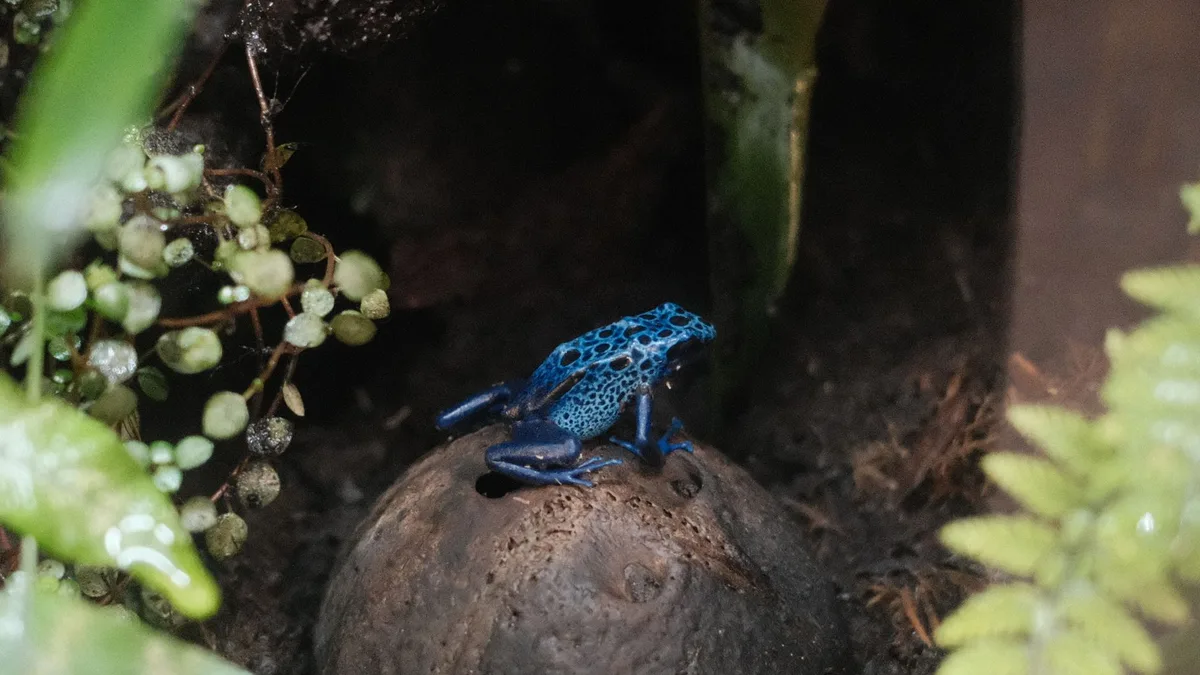 Amphibian skin is permeable, so water chemistry acts directly on the animal. Photo: Olli via Pexels.
Common Clinical Signs
| Clinical Sign | Potential Cause | Action |
|---|---|---|
| Lethargy, anorexia | Hypothermia, parasitism, sepsis | Check temperature; consult vet |
| Skin discolouration (reddening of ventral skin) | "Red-leg" syndrome (septicaemia, often Aeromonas hydrophila) | Immediate veterinary intervention; requires culture and antibiotics |
| Dysecdysis (retained shed) | Low humidity, dehydration, nutritional deficiency | Increase humidity; ensure vitamin A status |
| Swollen limbs or coelomic cavity | Oedema, renal failure, egg binding (dystocia) | Veterinary diagnostics (coelomic ultrasound, blood work) |
| Weight loss with normal appetite | Parasitism (nematodes, protozoa) | Faecal examination; antiparasitic therapy |
| Oral plaques or difficulty eating | Hypovitaminosis A, fungal stomatitis | Veterinary assessment; biopsy if needed |
| Abnormal posture (legs splayed, inability to right itself) | Metabolic bone disease (MBD), neurological disorder | Calcium and vitamin D3 supplementation; UVB review |
Red-Leg Syndrome
Red-leg syndrome is a clinical diagnosis of septicaemia, most commonly caused by Aeromonas hydrophila, but also Pseudomonas, Citrobacter, and Proteus species. It is often secondary to poor water quality, overcrowding, or stress. Treatment involves systemic antibiotics (e.g., enrofloxacin or ceftazidime, prescribed by a veterinarian), supportive care (warm, clean environment), and correction of husbandry errors. The EFSA notes that antimicrobial resistance is a growing concern in amphibian medicine; culture and sensitivity testing are strongly recommended.
Metabolic Bone Disease
MBD results from calcium deficiency, vitamin D3 deficiency, or improper calcium-to-phosphorus ratios. Clinical signs include soft mandible, limb deformities, and muscle fasciculations. Prevention relies on proper supplementation and, for diurnal species, provision of low-level UVB lighting (5-7% UVB for 10-12 hours daily). Nocturnal species (e.g., White's tree frog) can synthesise vitamin D3 from dietary sources if supplemented correctly, but UVB is still beneficial.
Parasitic Infections
Nematodes (e.g., Rhabdias spp., lungworms) and protozoa (e.g., Entamoeba, Giardia) are common. Annual faecal examinations (at least twice yearly) are recommended by the ARAV. Quarantine new frogs for a minimum of 30-60 days with two negative faecal tests before introduction to an established collection.
Quarantine and Biosecurity
In Australia, the DAFF and state biosecurity agencies regulate the importation and movement of amphibians. Always source frogs from reputable breeders or licensed suppliers. Quarantine new arrivals in a separate room with dedicated equipment. In Europe, the FVE recommends a minimum 30-day quarantine period with clinical observation and diagnostic testing.
Regional Considerations
United States and Canada
The AVMA and AAHA do not have specific amphibian wellness guidelines, but the ARAV provides detailed husbandry and medical protocols. In Canada, the CVMA advises that all exotic pets should have an annual wellness examination, including faecal analysis and weight monitoring. Many US states require permits for native tree frog species (e.g., Hyla spp.); check local regulations.
Europe
The FVE and EFSA have published guidelines on the welfare of amphibians in captivity, emphasising environmental enrichment and the prevention of stress-related immunosuppression. The European Union (EU) regulates the trade of certain species under CITES (Convention on International Trade in Endangered Species of Wild Fauna and Flora). Ensure your frog is legally acquired and microchipped if required by national law.
Australia
Australia is home to many unique tree frog species (e.g., Litoria caerulea, L. infrafrenata). The AVA and DAFF require that all amphibians be sourced from licensed breeders and that enclosures meet specific biosecurity standards to prevent the spread of chytridiomycosis (Batrachochytrium dendrobatidis). Chytrid fungus is a notifiable disease in many Australian states; any suspected case must be reported to the relevant state veterinary authority.
Conclusion
Successful tree frog keeping demands a deep understanding of their unique biological and ecological needs. A properly designed vertical enclosure with stable humidity and temperature gradients, a varied and supplemented insect diet, minimal handling, and vigilant health monitoring form the foundation of excellent care. Owners should establish a relationship with a veterinarian experienced in amphibian medicine and adhere to regional regulations. By following these evidence-based guidelines, you can provide a thriving environment for your tree frog and enjoy the rewards of keeping one of nature's most captivating creatures.
Related Articles
Related Clinical & Scientific Guides
References
American Veterinary Medical Association (AVMA). Amphibian Care. AVMA Pet Care Guidelines. 2023. Association of Reptilian and Amphibian Veterinarians (ARAV). Basic Husbandry for Tree Frogs. ARAV Client Education Handout. 2022. Merck Veterinary Manual. Amphibians: Husbandry and Nutrition. 11th ed. Kenilworth, NJ: Merck & Co.; 2020. European College of Zoological Medicine (ECZM). Guidelines for Amphibian Welfare in Captivity. ECZM Position Statement. 2021. Federation of Veterinarians of Europe (FVE). Welfare of Exotic Pets: Amphibians. FVE Policy Paper. 2022. European Food Safety Authority (EFSA). Scientific Opinion on the Welfare of Amphibians in Captivity. EFSA Journal. 2019;17(3):e05678. Australian Veterinary Association (AVA). Amphibian Health and Biosecurity Guidelines. AVA Policy. 2023. Department of Agriculture, Fisheries and Forestry (DAFF), Australia. National Biosecurity Guidelines for Amphibians. Canberra: Australian Government; 2022. Canadian Veterinary Medical Association (CVMA). Exotic Pet Wellness: Amphibians. CVMA Position Statement. 2021. Cornell College of Veterinary Medicine. Amphibian Medicine: Common Diseases and Treatments. Cornell Feline Health Center (Amphibian Section). 2020. VCA Animal Hospitals. Tree Frog Care: A Veterinary Guide. VCA Pet Care Library. 2023. DVM360. Clinical Approach to the Sick Amphibian. DVM360 Conference Proceedings. 2022.