Frog Not Eating
By Dr. Zubair Khalid, DVM, MS, PhD ·
Key Takeaways
- Anorexia in frogs is often multifactorial, with suboptimal environmental conditions (temperature gradients of 24-28°C for tropical species, adequate humidity 70-90%, and appropriate photoperiod with UVB) being primary triggers.
- Nutritional deficiencies, particularly calcium and vitamin D3, can lead to Metabolic Bone Disease (MBD), presenting with anorexia, skeletal deformities, and tremors.
- Parasitic infections (e.g., nematodes, coccidia) and bacterial infections (e.g., Aeromonas, Pseudomonas) are common causes, necessitating fecal analysis for parasites and potentially bacterial culture and sensitivity testing.
- Stressors such as improper handling, overcrowding, or inadequate hiding spaces suppress the immune system and can precipitate anorexia and secondary infections.
- Diagnostic evaluation by a veterinarian experienced in amphibian medicine is critical, involving a thorough history, physical examination, fecal parasitology, and potentially imaging (radiographs) or PCR for specific pathogens like Batrachochytrium dendrobatidis.
- Treatment is cause-specific and may include environmental correction, nutritional support (assisted feeding via gavage), antiparasitic or antibiotic medications, and fluid therapy.
Anorexia (loss of appetite) in pet frogs is a common and often alarming sign for owners. Because amphibians have a high metabolic rate and rely on environmental cues for digestion, a frog that stops eating for more than a few days may be experiencing a serious underlying issue. Prompt identification of the cause is critical, as delayed treatment can lead to rapid weight loss, metabolic derangements, and death. This pillar article provides a comprehensive, evidence-based overview of the causes, diagnostic approach, and management of anorexia in frogs, incorporating guidelines from major veterinary organizations such as the AVMA, AAHA, CVMA, AVA, and FVE.
Quick Q&A
Question: Why is my frog not eating? Answer: Anorexia in frogs is most often caused by suboptimal environmental conditions (temperature, humidity, lighting), stress from handling or enclosure setup, parasitic or bacterial infections, or nutritional imbalances. A thorough evaluation of the frog’s husbandry and a veterinary examination, including fecal analysis, are essential first steps.
Understanding Normal Feeding Behavior in Frogs
Frogs are ectothermic (cold-blooded) and rely on external heat sources to regulate their body temperature, which in turn drives digestion and metabolism. Most pet frogs are insectivores, feeding on live prey such as crickets, mealworms, waxworms, and roaches. Some larger species may also consume pinky mice or fish. Normal feeding frequency varies by species, age, and season; for example, adult African clawed frogs may eat every 2-3 days, while juvenile tree frogs often require daily feeding.
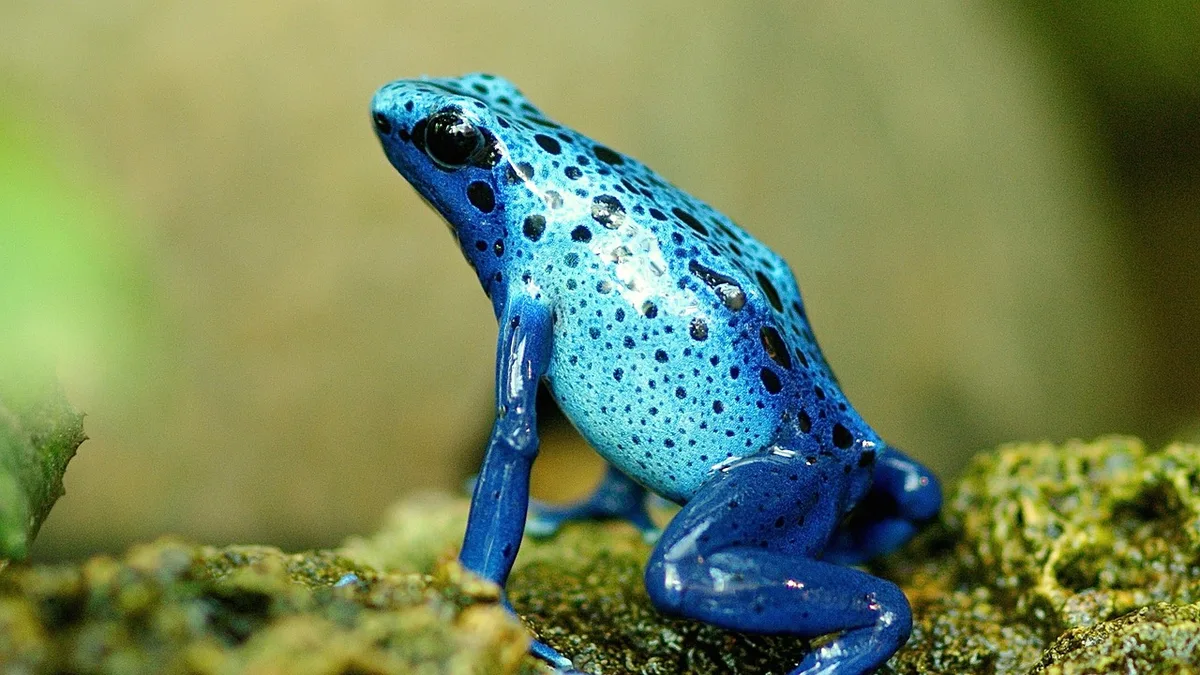 Amphibian skin is permeable, so water chemistry acts directly on the animal. Photo: suju-foto via Pixabay.
A healthy frog typically exhibits a strong feeding response: it will orient toward prey, flick its tongue (or use its forelimbs in aquatic species), and swallow the prey whole. Any deviation from this pattern, such as ignoring food, regurgitation, or reduced interest, warrants investigation.
Common Causes of Anorexia in Frogs
Anorexia can be broadly categorized into environmental, infectious, nutritional, and behavioural causes. A systematic approach is essential to identify the primary factor.
Environmental Factors (Temperature, Humidity, Lighting)
Temperature: Frogs require a specific thermal gradient within their enclosure. If the ambient temperature is too low, metabolic processes slow, and the frog may become lethargic and stop eating. Conversely, excessively high temperatures can cause heat stress and dehydration. According to the Merck Veterinary Manual, the optimal temperature range for most tropical frogs is 24-28°C (75-82°F) during the day, with a slight drop at night. Temperatures below 20°C (68°F) often lead to anorexia.
Humidity: Many frog species have permeable skin and rely on high humidity (70-90%) for hydration and proper shedding. Low humidity can cause dysecdysis (abnormal shedding) and desiccation, reducing appetite. High humidity without adequate ventilation may promote bacterial or fungal overgrowth.
Lighting: A proper photoperiod (12-14 hours of light per day) and UVB exposure are important for vitamin D3 synthesis and calcium metabolism, especially in diurnal species. Inadequate UVB can lead to metabolic bone disease (MBD), which often presents with anorexia and limb deformities.
Stress
Stress is a major contributor to anorexia in captive amphibians. Common stressors include:
- Frequent handling or improper restraint
- Overcrowding or aggressive tank mates
- Lack of hiding spots or visual barriers
- Loud noises, vibrations, or bright lights at night
- Sudden changes in environment (e.g., new substrate, water parameters)
The AVMA guidelines on amphibian care emphasize that stress suppresses the immune system and can precipitate disease. Reducing stress often restores normal feeding behaviour.
Nutritional Deficiencies or Improper Diet
A diet consisting solely of one prey type (e.g., only crickets) may lack essential vitamins and minerals. Calcium and vitamin D3 deficiencies are particularly common and can lead to MBD. Gut-loading feeder insects with a high-quality commercial diet and dusting them with a calcium + vitamin D3 supplement is recommended by the Association of Reptilian and Amphibian Veterinarians (ARAV). Without proper supplementation, frogs may develop anorexia as a secondary sign.
Parasitic Infections
Parasites are a frequent cause of anorexia in frogs. Common internal parasites include nematodes (e.g., Rhabdias spp., Strongyloides spp.), coccidia, and flagellates. External parasites such as mites and leeches can also cause irritation and reduced feeding. A fecal examination by a veterinarian is essential for diagnosis. In Australia, the CVMA and DAFF note that amphibian chytridiomycosis (caused by Batrachochytrium dendrobatidis) is a notifiable disease and can cause anorexia along with skin sloughing and lethargy.
Bacterial and Fungal Infections
Bacterial infections (e.g., Aeromonas, Pseudomonas, Mycobacterium) often occur secondary to poor water quality or skin trauma. Fungal infections, including saprolegniasis in aquatic frogs, can also lead to anorexia. Red-leg syndrome, a classic bacterial disease in frogs, presents with cutaneous erythema and anorexia.
Metabolic Bone Disease and Other Systemic Illnesses
MBD is a common nutritional disorder in captive frogs, especially those fed an unsupplemented diet. Affected frogs develop soft, deformed bones, muscle tremors, and anorexia. Other systemic illnesses, such as renal disease, hepatic lipidosis, or neoplasia, can also cause appetite loss.
Impaction or Gastrointestinal Obstruction
Ingestion of indigestible substrate (e.g., gravel, moss, bark) or oversized prey can cause gastrointestinal obstruction. Affected frogs may strain, regurgitate, or stop eating entirely. Radiographs are often needed for diagnosis.
Seasonal or Breeding Anorexia
Some frog species naturally reduce food intake during cooler months or when preparing for breeding. For example, many temperate frogs brumate (a form of hibernation) and may not eat for weeks. However, this should not be assumed without ruling out other causes.
Diagnostic Approach (Veterinary Care)
A thorough veterinary evaluation is recommended for any frog that has not eaten for more than 5-7 days, or sooner if other signs (lethargy, weight loss, abnormal skin) are present.
Physical Examination and History
The veterinarian will obtain a detailed history, including enclosure setup (temperature, humidity, lighting, water quality), diet and supplementation, recent changes, and any observed behaviours. A physical exam assesses body condition, skin integrity, oral cavity, and limb strength. The VCA Animal Hospitals amphibian care guidelines stress that a full history is often the most valuable diagnostic tool.
Fecal Examination and Parasitology
A fresh fecal sample should be examined for parasites (ova, cysts, trophozoites). Direct smears and flotation techniques are standard. In regions where chytridiomycosis is endemic (e.g., Australia, parts of Europe and North America), a PCR test for B. dendrobatidis may be recommended.
Imaging (Radiography, Ultrasound)
Radiographs can reveal impaction, metabolic bone disease (decreased bone density, fractures), or organ enlargement. Ultrasound may be used to assess coelomic organs, though it is less commonly available.
Blood Work and Other Diagnostics
Blood collection in frogs is challenging but can provide valuable information about hydration status, kidney and liver function, and electrolyte balance. Coelomic fluid analysis or biopsy may be indicated in complex cases.
Treatment and Management
Treatment depends on the underlying cause and should be guided by a veterinarian experienced in amphibian medicine.
Environmental Correction
The first step is to optimize husbandry. Ensure the temperature gradient is within the species-specific range, humidity is adequate (use a hygrometer), and UVB lighting is appropriate. Provide multiple hides and reduce stressors. For aquatic frogs, water quality (ammonia, nitrite, nitrate, pH) must be tested and corrected.
Nutritional Support (Assisted Feeding)
If the frog is severely underweight or dehydrated, assisted feeding may be necessary. This can be done via a soft, lubricated feeding tube (gavage) using a commercial amphibian recovery diet or a slurry of pureed insects and supplements. The AVA and AAHA guidelines recommend that assisted feeding be performed only by a trained professional to avoid aspiration or esophageal trauma.
Medications (Antiparasitics, Antibiotics)
- Antiparasitics: Fenbendazole, ivermectin (with caution in aquatic species), or metronidazole may be prescribed based on fecal results.
- Antibiotics: Enrofloxacin, ceftazidime, or amikacin are used for bacterial infections, but culture and sensitivity are ideal.
- Antifungals: Itraconazole baths are used for chytridiomycosis, but careful dosing is required to avoid toxicity.
Hospitalization and Fluid Therapy
Dehydrated frogs may require fluid therapy (amphibian Ringer’s solution or diluted saline) administered via the coelomic cavity or subcutaneous route. Hospitalization allows for controlled environmental conditions and close monitoring.
Prevention and Long-Term Care
Preventing anorexia relies on proactive husbandry and regular health checks.
- Maintain stable, species-appropriate temperatures and humidity.
- Provide a varied, gut-loaded, and supplemented diet.
- Quarantine new frogs for at least 30 days.
- Perform routine fecal examinations (every 6-12 months).
- Avoid unnecessary handling.
- Use a water conditioner to remove chlorine and chloramines.
The FVE (Federation of Veterinarians of Europe) and EFSA emphasize the importance of preventive care in exotic pets, including amphibians, to reduce the need for medical intervention.
When to Seek Veterinary Care
Owners should seek veterinary attention if a frog has not eaten for more than 5 days, or immediately if any of the following are present:
- Lethargy or inability to move normally
- Weight loss (visible spine or hip bones)
- Skin discoloration, ulcers, or sloughing
- Swollen limbs or coelom
- Regurgitation or diarrhoea/diarrhea
- Labored breathing or gaping mouth
Regional considerations: In the United States, the AVMA recommends consulting a veterinarian with experience in amphibian medicine. In Canada, the CVMA provides similar guidance. In Europe, the FVE advises that owners contact a veterinary clinic familiar with exotic species. In Australia, the AVA and DAFF highlight that chytridiomycosis is a notifiable disease, and any suspected case must be reported.
Frequently Asked Questions
How long can a frog go without eating? Healthy adult frogs can survive 1-2 weeks without food, but this varies by species and environmental temperature. Juveniles and small species have lower energy reserves and may deteriorate faster.
Can stress alone cause a frog to stop eating? Yes. Stress from handling, noise, or inadequate enclosure conditions is a common cause of anorexia. Reducing stressors often resolves the issue within a few days.
What should I do if my frog is not eating but seems active? Monitor closely. If the frog remains active and shows interest in food but does not eat, check environmental parameters and try offering a different prey item. If anorexia persists beyond 5-7 days, consult a veterinarian.
Is it normal for frogs to stop eating during winter? Some temperate species may brumate and reduce food intake. However, tropical pet frogs (e.g., White’s tree frog, dart frogs) should not undergo prolonged fasting. If in doubt, rule out medical causes.
Can I force-feed my frog at home? Force-feeding (assisted feeding) should only be performed by a veterinarian or trained technician. Improper technique can cause aspiration, esophageal injury, or stress.
Related Clinical & Scientific Guides
References
Merck Veterinary Manual. Amphibian Care and Management. 11th ed. Kenilworth, NJ: Merck & Co.; 2020. American Veterinary Medical Association (AVMA). Guidelines for the Care of Amphibians in Captivity. Schaumburg, IL: AVMA; 2019. Association of Reptilian and Amphibian Veterinarians (ARAV). Nutrition and Feeding of Amphibians. ARAV; 2021. Canadian Veterinary Medical Association (CVMA). Exotic Pet Care: Amphibians. Ottawa, ON: CVMA; 2022. Australian Veterinary Association (AVA). Amphibian Health and Disease Management. St Leonards, NSW: AVA; 2020. Federation of Veterinarians of Europe (FVE). Preventive Health Care for Exotic Pets. Brussels: FVE; 2021. VCA Animal Hospitals. Anorexia in Amphibians. Los Angeles, CA: VCA; 2023. DVM360. Clinical Approach to the Anorexic Frog. 2022. Cornell College of Veterinary Medicine. Amphibian Medicine: A Practical Guide. Ithaca, NY: Cornell University; 2020.