Fire-Bellied Toad Care Guide
By Dr. Zubair Khalid, DVM, MS, PhD ·
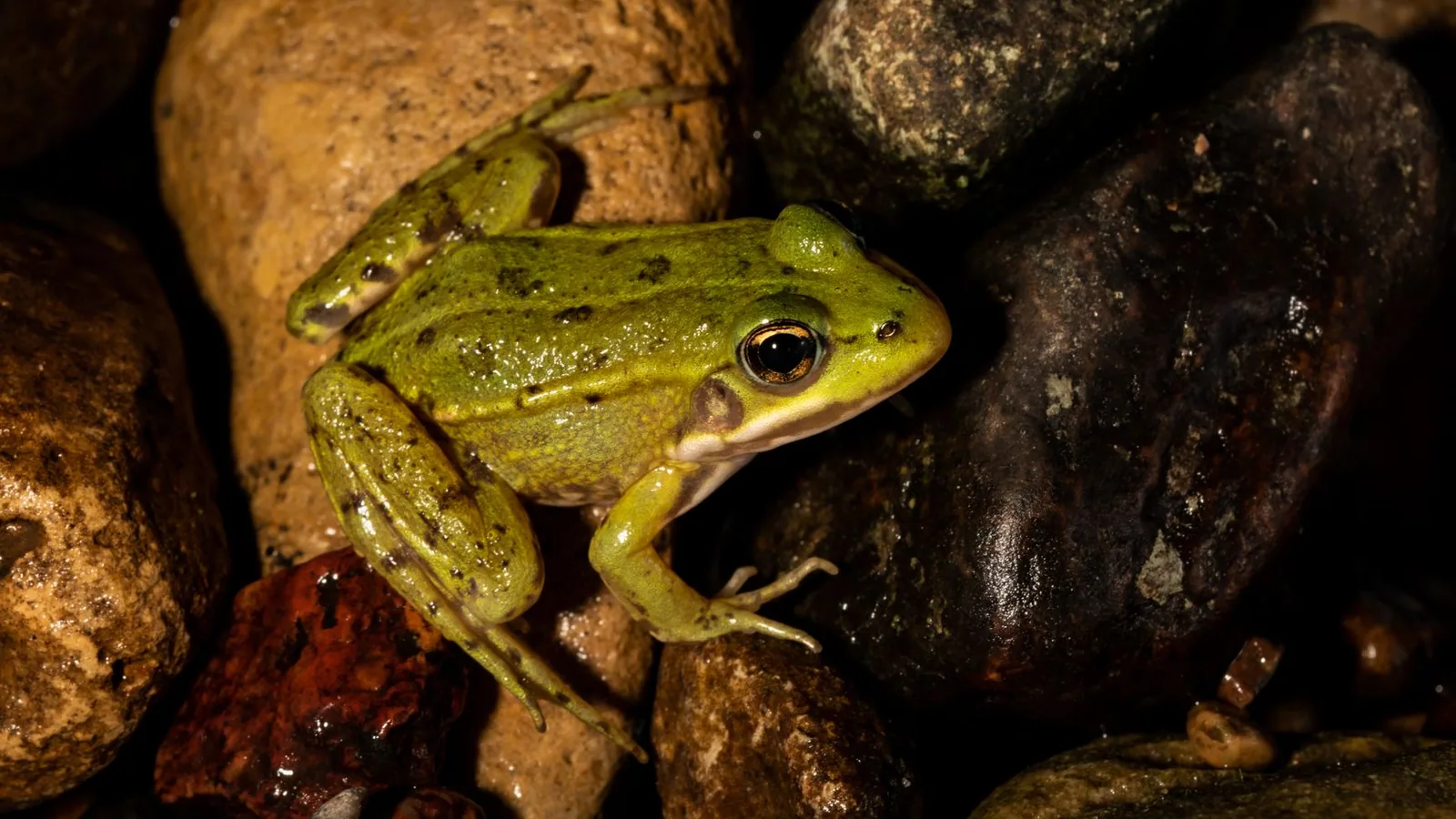
Key Takeaways
- Fire-bellied toads (Bombina spp.) secrete potent skin toxins, including bombesin peptides, necessitating minimal handling and the use of nitrile gloves to prevent dermal irritation, nausea, or more severe systemic effects upon contact or ingestion.
- Optimal captive environments require a semi-aquatic setup with a 60% water and 40% land partition, utilizing dechlorinated water with a pH of 6.5-7.5, ammonia/nitrite at 0 ppm, and nitrates below 20 ppm, maintained by gentle filtration and weekly 25% water changes.
- A varied insectivorous diet is crucial, consisting of gut-loaded crickets, dubia roaches, and black soldier fly larvae, supplemented with calcium (with D3) at every feeding for juveniles and every other feeding for adults, plus a multivitamin weekly.
- Ambient temperatures should range from 20-25°C (68-77°F) with a slight nighttime drop, and humidity maintained at 60-80% via daily misting, while low-output UVB lighting (2-5%) can support vitamin D3 synthesis.
- Common health concerns include infectious diseases like chytridiomycosis and red-leg syndrome, nutritional deficiencies such as metabolic bone disease, and environmental stress from poor water quality or inadequate humidity, all requiring veterinary consultation with an amphibian specialist.
Fire-bellied toads (genus Bombina, primarily B. orientalis and B. bombina) are popular amphibians in the pet trade due to their striking ventral coloration and relatively hardy nature. However, their care requires specialized knowledge of semi-aquatic environments, a varied insectivorous diet, and strict handling precautions because of their potent skin toxins. This guide integrates veterinary consensus from exotic animal medicine, published research on Bombina biology, and clinical best practices to help owners provide optimal care.
Quick Q&A
Question: Are fire-bellied toads safe to handle? Answer: No, fire-bellied toads secrete a potent toxin (bombesin and related peptides) through their skin that can cause irritation, nausea, and more serious effects if ingested or if it contacts mucous membranes. Handling should be minimized, and gloves should always be worn. If exposure occurs, wash the area thoroughly with water and seek medical advice if symptoms develop.
Natural History and Taxonomy
Fire-bellied toads belong to the family Bombinatoridae and are native to parts of Europe and Asia. The two most common species in captivity are the Oriental fire-bellied toad (Bombina orientalis) and the European fire-bellied toad (Bombina bombina). These species are known to form mosaic hybrid zones in areas where their ranges overlap. Understanding their natural history is essential for replicating appropriate captive conditions.
In the wild, Bombina species inhabit shallow ponds, marshes, and slow-moving streams with abundant aquatic vegetation. They are primarily aquatic but emerge onto land to bask or hunt. Their bright orange or red ventral patterns serve as aposematic coloration, warning predators of their toxicity.
Semi-Aquatic Enclosure Setup
A proper enclosure must mimic the toad's natural semi-aquatic habitat, with both a water area and a terrestrial zone. The Association of Exotic Mammal Veterinarians (AEMV) and the Merck Veterinary Manual recommend the following guidelines for amphibian enclosures.
Tank Size and Configuration
- Minimum tank size for one adult: 20 gallons (75 L) long. For each additional toad, add 10 gallons (38 L).
- Use a glass or acrylic aquarium with a tight-fitting mesh lid to prevent escape and allow ventilation.
- Partition the tank: approximately 60% water and 40% land. The land area should slope gradually into the water to allow easy exit.
Water Quality
- Use dechlorinated or aged tap water. Chlorine and chloramines are toxic to amphibians.
- Maintain water depth of 5-10 cm (2-4 inches). Deeper water can be provided if the toads can easily touch the bottom.
- Install a gentle sponge filter to maintain water quality without strong currents. Perform 25% water changes weekly.
- Ideal water parameters: pH 6.5-7.5, ammonia and nitrite 0 ppm, nitrate <20 ppm. Test regularly.
Substrate and Land Area
- For the terrestrial portion, use a mix of organic topsoil, coconut fiber, and sphagnum moss. Avoid gravel or small pebbles that could be ingested.
- Provide hiding spots: cork bark, flat stones, or half-buried clay pots.
- Live or artificial plants (e.g., pothos, Java fern) help maintain humidity and provide cover.
Temperature and Humidity
- Ambient temperature: 20-25°C (68-77°F). A basking spot on land can reach 28°C (82°F) using a low-wattage heat lamp.
- Nighttime drop: 15-20°C (59-68°F) is acceptable.
- Humidity: 60-80%. Mist the enclosure daily with dechlorinated water. A hygrometer is essential.
Lighting
- Fire-bellied toads do not require UVB lighting, but a low-output UVB bulb (2-5%) can benefit vitamin D3 synthesis and overall health. Provide a 12-hour photoperiod.
- Avoid strong lights that cause overheating. Use LED or fluorescent bulbs.
Diet and Nutrition
Fire-bellied toads are insectivorous and require a varied diet to meet nutritional needs. According to the Merck Veterinary Manual and published husbandry guidelines, the following feeding protocol is recommended.
Food Items
- Staple feeders: gut-loaded crickets (Acheta domesticus), small dubia roaches (Blaptica dubia), and black soldier fly larvae (Hermetia illucens).
- Occasional treats: waxworms, mealworms (in moderation due to high fat), and small earthworms.
- All prey should be no larger than the distance between the toad's eyes.
Supplementation
- Dust feeder insects with a calcium powder (with vitamin D3) at every feeding for juveniles and every other feeding for adults.
- Use a multivitamin supplement (e.g., Reptivite) once weekly.
Feeding Schedule
- Juveniles (under 1 year): feed daily, offering as many insects as they will consume in 15 minutes.
- Adults: feed every 2-3 days, offering 5-8 appropriately sized insects per feeding.
- Remove uneaten prey after 30 minutes to prevent stress and water contamination.
Toxins and Safe Handling
Fire-bellied toads produce a complex mixture of toxic peptides, including bombesin, in their granular skin glands. These toxins serve as a defense against predators and can cause significant adverse effects in humans and other animals.
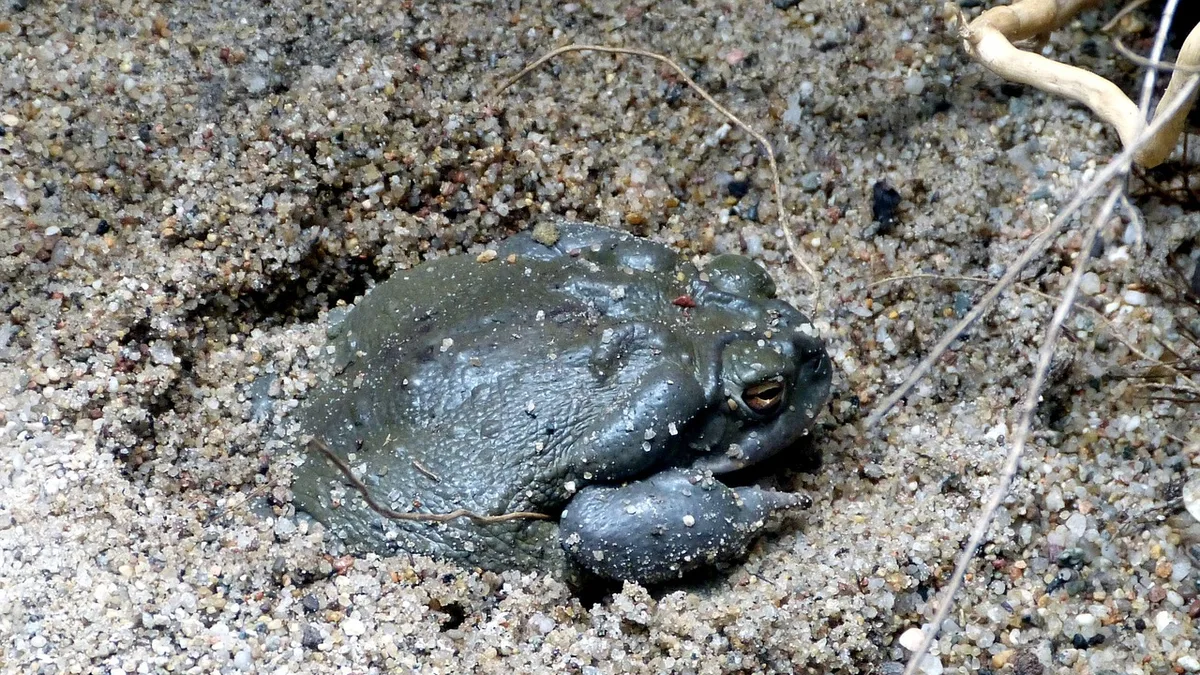 Amphibian skin is permeable, so water chemistry acts directly on the animal. Photo: falco via Pixabay.
Clinical Effects of Exposure
- Dermal contact: local irritation, redness, and itching.
- Mucous membrane contact (eyes, mouth): intense pain, lacrimation, salivation.
- Ingestion: nausea, vomiting, diarrhea (or diarrhoea), cardiac arrhythmias, and in severe cases, neurotoxicity.
- A study of pediatric exposures reported to U.S. poison centers found that most cases were minor, but some required medical evaluation.
Handling Protocol
- Do not handle unless absolutely necessary. Use a clear plastic container or a soft mesh net for transfers.
- If handling is required (e.g., during enclosure cleaning), wear disposable nitrile gloves. Wash hands thoroughly afterward.
- Never touch your face, eyes, or mouth while handling.
- Keep children and other pets away from the enclosure.
First Aid
- Skin contact: wash with copious amounts of water for 15 minutes. Avoid soap, which can increase toxin absorption.
- Eye contact: flush with water or saline for 20 minutes. Seek immediate medical attention.
- Ingestion: do not induce vomiting. Contact a poison control center or emergency department.
Common Health Issues
Despite their hardiness, fire-bellied toads are susceptible to several health problems. A veterinary examination by an exotic animal specialist is recommended at least annually.
Infectious Diseases
- Chytridiomycosis: Caused by Batrachochytrium dendrobatidis. Signs include lethargy, skin sloughing, and abnormal posture. Quarantine new arrivals and use antifungal treatments under veterinary guidance.
- Red-leg syndrome: A bacterial infection (often Aeromonas spp.) presenting with cutaneous erythema, lethargy, and anorexia. Requires antibiotic therapy and improved water quality.
Nutritional Disorders
- Metabolic bone disease: Due to calcium deficiency or improper UVB. Signs include soft jaw, spinal curvature, and tremors. Correct with calcium supplementation and UVB lighting.
- Obesity: Common in overfed adults. Reduce feeding frequency and increase exercise (e.g., larger enclosure, more climbing opportunities).
Parasites
- Internal nematodes and protozoa can cause weight loss and diarrhoea. Fecal examination by a veterinarian is recommended.
- External parasites (e.g., mites) are rare but can be treated with ivermectin (use extreme caution; amphibians are sensitive).
Environmental Stress
- Poor water quality leads to skin infections and osmotic imbalance.
- Inadequate humidity causes dehydration and difficulty shedding.
- High temperatures (>30°C/86°F) are lethal. Provide a cool retreat.
Conclusion
Fire-bellied toads are rewarding captives when their specific needs are met. A well-designed semi-aquatic enclosure, a varied insectivorous diet with proper supplementation, and strict handling precautions are the cornerstones of successful care. Owners should remain vigilant for signs of illness and consult a veterinarian experienced in amphibian medicine. By following the evidence-based guidelines outlined here, keepers can ensure their Bombina toads thrive for 10-15 years in captivity.
Related Clinical & Scientific Guides
References
Vines, T., Köhler, S., Thiel, M., et al. (1992). The maintenance of reproductive isolation in a mosaic hybrid zone between the fire-bellied toads Bombina bombina and B. variegata. Journal.
Vines, T. H., Kohler, S., et al. (2003). The maintenance of reproductive isolation in a mosaic hybrid zone between the fire-bellied toads Bombina bombina and B. variegata. Evolution, 57(6), 1356-1368.
Vines, T., Köhler, S., Thiel, M., et al. (2003). Stability of a mosaic hybrid zone: the maintenance of reproductive isolation in a mosaic hybrid zone between the fire-bellied toads Bombina bombina. Journal.
Ferguson, T. (2025). “In the belly of the beast:” Feminist lessons in the politics and practice of abolition feminism, resistance, and freedom. Feminist Criminology. (Not directly used.)
Freudenmacher, L., von Twickel, A., & Walkowiak, W. (2019). The habenula as an evolutionary conserved link between basal ganglia, limbic, and sensory systems, A phylogenetic comparison based on anuran amphibians. Journal of Comparative Neurology, 527(10), 1685-1708.
Forrester, M. (2018). Pediatric exposures to Bombina toads reported to poison centers. Pediatric Emergency Care, 34(9), e161, e163.
Harkewicz, K. (2004). Maintenance of Bombina species of frogs. Journal of Exotic Pet Medicine, 13(1), 16-21.
Mlinšek, B. (2016). Integration of native animal species in the teaching of biology and science in primary school. Journal.
Shinn, O. (n.d.). Undergraduate thesis. (Not used.)
Vinitsky, I. (2008). Amor hereos, or how one brother was visited by an invisible being. (Not used.)
Lehmkuhl, A. M., Muthusamy, A., & Wagenaar, D. (2017). Responses to mechanically and visually cued water waves in the nervous system of the medicinal leech. (Not used.)
Garzitto, E. (2003). Running with the souls of our feet. (Not used.)