How Long Do Axolotls Live? Lifespan and Longevity
By Dr. Zubair Khalid, DVM, MS, PhD ·
Key Takeaways
- Captive axolotls (Ambystoma mexicanum) typically achieve lifespans of 10 to 15 years, with some individuals reaching 20 years, significantly exceeding their critically endangered wild counterparts (estimated 5-10 years) due to protection from predation and controlled environments.
- Optimal water quality is paramount, with ammonia and nitrite levels strictly at 0 ppm, nitrates below 20 ppm (ideally <10 ppm), and temperatures maintained between 16-18°C (60-64°F) to prevent immunosuppression, gill damage, and predisposition to fungal infections like Saprolegnia.
- Intestinal impaction, often caused by ingestion of gravel or small substrate particles, is a frequent cause of premature mortality, necessitating the use of fine sand or bare-bottom tanks and highlighting the importance of preventing substrate ingestion, particularly in juveniles.
- Fungal infections (Saprolegnia) and bacterial septicemia (Aeromonas, Pseudomonas) are common morbidities, often exacerbated by elevated water temperatures, poor water quality, or stress, requiring prompt veterinary intervention and potentially antifungal or antibiotic therapies.
- A balanced, protein-rich diet, primarily consisting of earthworms or high-quality pellets, supplemented with appropriate calcium and vitamin D3 when using feeder insects, is crucial for preventing obesity and ensuring adequate nutrition for longevity.
- Regular health monitoring, including weekly water parameter testing and daily visual inspections for signs of illness such as anorexia, lethargy, or skin lesions, coupled with annual veterinary wellness examinations by an amphibian-experienced veterinarian, are critical for preventive medicine.
The axolotl (Ambystoma mexicanum) is a unique neotenic salamander native to the lake complex of Xochimilco near Mexico City. Unlike most amphibians, axolotls retain their larval features throughout life, including external gills and a fully aquatic existence. Their remarkable regenerative abilities have made them a cornerstone of biomedical research, but for pet owners, a primary question remains: how long do axolotls live when kept in captivity? This article provides a comprehensive, evidence-based review of axolotl lifespan, the factors that influence longevity, common causes of premature death, and the veterinary care practices that can extend a pet axolotl’s life.
Quick Q&A
Question: What is the average lifespan of a pet axolotl in captivity? Answer: With optimal care, pet axolotls typically live 10 to 15 years, though some individuals have been reported to reach 20 years of age. Lifespan is heavily influenced by water quality, diet, genetics, and the prevention of common diseases such as fungal infections and impaction.
Axolotl Lifespan in Captivity vs. the Wild
Understanding the lifespan of axolotls requires a distinction between captive and wild populations.
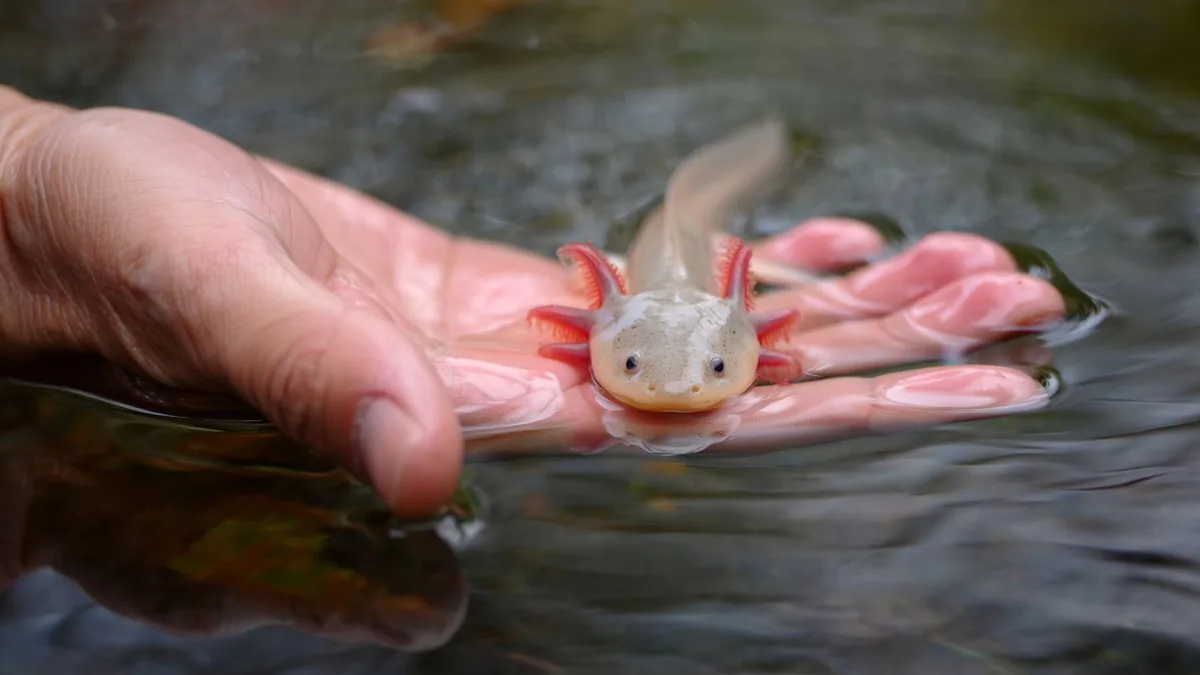 Amphibian skin is permeable, so water chemistry acts directly on the animal. Photo: Yaiol AI via Pexels.
Lifespan in Captivity
In a well-maintained home aquarium, axolotls routinely live for 10 to 15 years. Reports of axolotls reaching 20 years are not uncommon in dedicated collections, though such longevity requires meticulous husbandry. The captive environment offers protection from predators, consistent food availability, and controlled water parameters, all of which contribute to extended survival.
Lifespan in the Wild
Wild axolotls face a drastically different reality. Their native habitat in Xochimilco has been severely degraded by urbanization, pollution, and the introduction of invasive species such as tilapia and carp. Consequently, wild axolotls are critically endangered (IUCN Red List), and their average lifespan in nature is significantly shorter, often estimated at 5 to 10 years or less. High juvenile mortality, predation, and environmental stressors drastically reduce their life expectancy compared to captive counterparts.
Factors That Influence Axolotl Longevity
Axolotl lifespan is not a fixed number but a product of multiple interacting factors. Veterinary medicine recognizes the following as critical determinants.
Water Quality and Temperature
As fully aquatic amphibians, axolotls are exquisitely sensitive to water conditions. Poor water quality is the single most common cause of disease and premature death in captive axolotls.
- Ammonia, Nitrite, and Nitrate: Axolotls produce ammonia as a waste product. In a cycled aquarium, beneficial bacteria convert ammonia to nitrite and then to nitrate. Chronic exposure to ammonia or nitrite (above 0 ppm) causes gill damage, skin burns, and immunosuppression. Nitrate should be kept below 20 ppm (ideally below 10 ppm) to avoid long-term toxicity.
- Temperature: Axolotls are cold-water amphibians. The optimal temperature range is 16 to 18°C (60 to 64°F). Temperatures above 20°C (68°F) induce heat stress, increase metabolic rate, and predispose animals to fungal infections (e.g., Saprolegnia). Sustained temperatures above 24°C (75°F) can be lethal.
- pH and Hardness: A neutral pH (6.5 to 8.0) and moderate hardness (100 to 200 ppm as CaCO3) are recommended. Rapid pH fluctuations are particularly stressful.
Genetics and Inbreeding
Most pet axolotls are descendants of a small number of laboratory colonies. Extensive inbreeding has led to reduced genetic diversity and an increased prevalence of congenital defects, including poor immune function and reduced lifespan. While not modifiable by the owner, awareness of genetic background is important. Animals sourced from reputable breeders who maintain diverse breeding lines may have a longevity advantage.
Diet and Nutrition
A balanced diet is essential for axolotl health and longevity. Axolotls are carnivorous and require a protein-rich diet.
- Staple Foods: Earthworms (e.g., Eisenia fetida or red wigglers) are the gold standard. They provide an excellent balance of protein, fat, and calcium. Other options include blackworms, bloodworms (as a treat only, due to low nutritional value), and commercial axolotl pellets (e.g., Rangen or Hikari).
- Frequency: Juveniles should be fed daily, while adults can be fed every other day. Overfeeding leads to obesity, which is associated with hepatic lipidosis and reduced lifespan.
- Calcium and Vitamin Supplementation: Dusting feeder insects (if used) with a calcium and vitamin D3 supplement is recommended. However, earthworms generally provide sufficient calcium.
Tank Size and Environment
A cramped or poorly designed tank causes chronic stress.
- Minimum Size: A 20-gallon (75-liter) long tank is the minimum for a single adult axolotl. Larger tanks (30 to 40 gallons) are preferable as they offer more stable water parameters.
- Substrate: Fine sand (particle size <1 mm) or a bare-bottom tank is safest. Gravel or small pebbles are a major risk factor for intestinal impaction, a common cause of death.
- Hides and Lighting: Axolotls are nocturnal and sensitive to bright light. Provide multiple hides (caves, PVC pipes, ceramic pots). Use low-intensity LED lighting or floating plants to diffuse light.
- Filtration: A gentle, low-flow filter (e.g., sponge filter or canister filter with a spray bar) is essential. Strong currents stress axolotls and damage their gills.
Common Causes of Shortened Lifespan
Despite their hardiness, axolotls are susceptible to several conditions that can drastically curtail their lives.
Fungal Infections
Fungal infections, most commonly caused by Saprolegnia species, are a leading cause of morbidity. These infections appear as white, cottony growths on the gills, skin, or limbs. Predisposing factors include high water temperature, poor water quality, and skin trauma. If untreated, fungal infections can progress to systemic disease and death. Treatment involves improving water quality, lowering temperature, and using antifungal agents such as salt baths (1 to 2 teaspoons of aquarium salt per gallon) or methylene blue.
Bacterial Infections
Bacterial septicemia (often caused by Aeromonas or Pseudomonas) can occur secondary to stress or injury. Signs include lethargy, anorexia, reddening of the skin (petechiae), and ascites (fluid accumulation). These infections require prompt veterinary attention and antibiotic therapy (e.g., enrofloxacin or ceftazidime, administered by a veterinarian).
Impaction
Intestinal impaction is a common cause of death, especially in juveniles. Axolotls ingest substrate or foreign objects (gravel, small decorations) that obstruct the gastrointestinal tract. Signs include regurgitation, anorexia, and a swollen abdomen. Prevention is paramount: use fine sand or a bare bottom. Treatment may involve supportive care (cool water, Epsom salt baths) or, in severe cases, surgical intervention by a veterinary surgeon.
Ammonia Poisoning
Acute ammonia toxicity occurs in uncycled tanks or after a filter failure. Clinical signs include gasping at the surface, reddened gills, and lethargy. Immediate action involves a large water change (50 to 75%) and the addition of a water conditioner that detoxifies ammonia (e.g., Seachem Prime). Chronic low-level ammonia exposure is more insidious and contributes to long-term organ damage.
Neoplasia (Cancer)
While less common than in mammals, neoplasia has been reported in axolotls. Tumors of the skin, liver, and reproductive organs can occur, particularly in older animals. The prognosis is generally poor, though surgical excision may be attempted for accessible masses.
Veterinary Care and Preventive Medicine
Routine veterinary care is often overlooked in amphibian medicine, but it is critical for maximizing lifespan.
Quarantine
New axolotls should be quarantined for at least 30 days in a separate tank. This prevents the introduction of pathogens (e.g., Aeromonas, Saprolegnia, or parasites) to an established collection.
Regular Health Checks
Owners should perform weekly visual inspections. Healthy axolotls have:
- Clear, bright eyes.
- Plump, well-fleshed body (ribs should not be visible).
- Bushy, vibrant gills (pale or curled gills indicate stress).
- Smooth, intact skin without lesions or cottony growths.
- Normal appetite and active swimming (though they are generally sedentary).
Veterinary Visits
According to the AVMA and AAHA guidelines for exotic pets, annual wellness examinations by a veterinarian experienced in amphibian medicine are recommended. These visits may include:
- Physical examination (including body condition scoring).
- Fecal examination for parasites (e.g., Capillaria or Pseudocapillaroides).
- Water quality testing (ammonia, nitrite, nitrate, pH, temperature).
- Discussion of husbandry and diet.
Regional Considerations
- North America (US and Canada): Axolotls are legal to own in most states and provinces, though some (e.g., California, Maine, New Jersey) restrict ownership due to concerns about invasive species. Owners should check local regulations. The CVMA emphasizes the importance of preventing release into the wild.
- Europe: The FVE and EFSA highlight the need for biosecurity in amphibian collections. Axolotls are popular in the European pet trade, and veterinary expertise is growing.
- Australia: Axolotls are legal in most states (except Tasmania and the Northern Territory) but require a permit in some areas. The AVA advises that owners source animals from licensed breeders to avoid supporting the illegal wildlife trade.
Maximizing Longevity: A Practical Checklist
To help your axolotl achieve its maximum lifespan (10 to 15+ years), adhere to the following evidence-based guidelines:
- Water Quality: Perform weekly 20 to 30% water changes using dechlorinated water. Test water parameters weekly with a liquid test kit.
- Temperature: Maintain 16 to 18°C (60 to 64°F). Use a chiller if ambient temperatures exceed 20°C (68°F).
- Diet: Feed a varied diet of earthworms, blackworms, and high-quality pellets. Avoid feeder fish (risk of parasites and thiamine deficiency).
- Tank Setup: Use a 20-gallon (75-liter) minimum tank with fine sand or bare bottom. Provide hides and low-flow filtration.
- Health Monitoring: Inspect your axolotl daily. Seek veterinary care at the first sign of illness (e.g., anorexia, gill curling, skin lesions).
- Avoid Stress: Minimize handling (axolotls have delicate skin and a protective mucus layer). Do not house with fish or other amphibians that may nip at gills or compete for food.
Conclusion
Axolotls are long-lived amphibians with the potential to be companions for over a decade. Their lifespan in captivity (10 to 15 years, sometimes up to 20) far exceeds that of wild counterparts, thanks to the absence of predators and consistent care. However, this longevity is not guaranteed. It depends on the owner’s commitment to maintaining pristine water quality, providing a balanced diet, and recognizing early signs of disease. By following the veterinary and husbandry principles outlined in this article, owners can maximize the health and lifespan of these extraordinary neotenic salamanders.
Related Clinical & Scientific Guides
References
Merck Veterinary Manual. Amphibians: Husbandry and Management. Kenilworth, NJ: Merck & Co., Inc.; 2023. AVMA. Guidelines for the Care of Amphibians in Research and Teaching. American Veterinary Medical Association; 2020. AAHA. Exotic Animal Wellness Guidelines. American Animal Hospital Association; 2022. FVE. Amphibian Health and Welfare in Captivity. Federation of Veterinarians of Europe; 2021. CVMA. Position Statement on Responsible Ownership of Exotic Pets. Canadian Veterinary Medical Association; 2019. AVA. Amphibian Care in Australia. Australian Veterinary Association; 2023. VCA Animal Hospitals. Axolotl Care Guide. VCA Inc.; 2024. DVM360. Clinical Approach to the Sick Axolotl. DVM360 Magazine; 2022. IUCN. Ambystoma mexicanum. The IUCN Red List of Threatened Species; 2020. EFSA. Scientific Opinion on the Welfare of Amphibians Kept in Captivity. European Food Safety Authority; 2021.