Amphibian Water Quality and Habitat Basics
By Dr. Zubair Khalid, DVM, MS, PhD ·
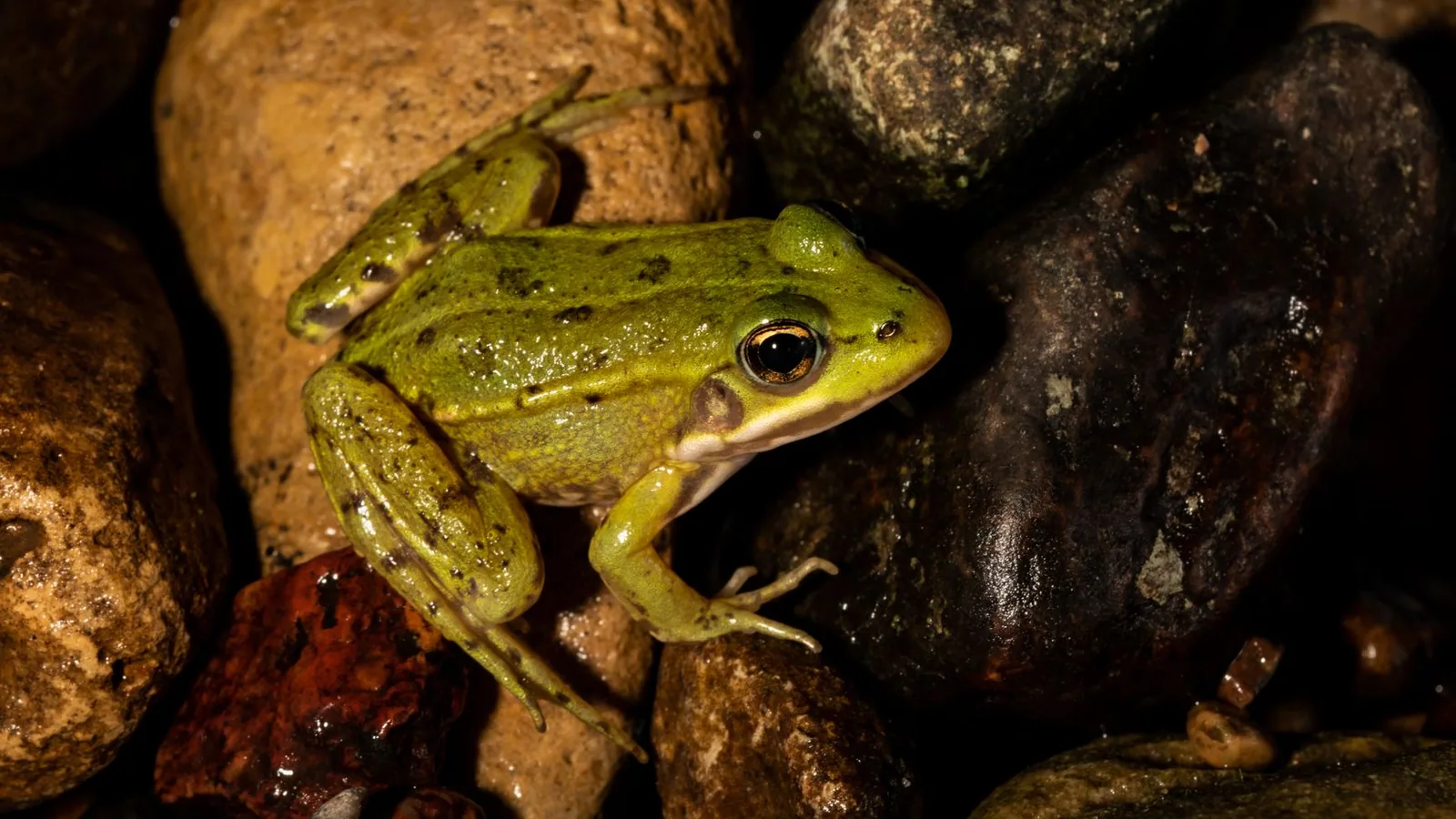
Key Takeaways
- Amphibian skin's high permeability necessitates absolute removal of chlorine and chloramines from water sources using chemical dechlorinators or RO/DI systems, as these compounds cause direct chemical burns and chronic damage, leading to severe morbidity and mortality.
- A properly established nitrogen cycle is critical, with beneficial bacteria converting toxic ammonia and nitrite to less harmful nitrate; failure to cycle a tank ("New Tank Syndrome") results in ammonia/nitrite spikes, often causing mass mortality.
- Maintaining stable, species-specific water temperatures is paramount for ectothermic amphibians, as fluctuations directly impact metabolic rate, immune function, and susceptibility to pathogens like Batrachochytrium dendrobatidis.
- Rigorous hygiene, including regular partial water changes, quarantine of new arrivals, and thorough disinfection of equipment with species-safe agents, is essential to prevent the transmission of bacterial, fungal, and parasitic pathogens.
- Amphibians are highly sensitive to environmental irritants such as heavy metals (copper, lead, zinc) and residual pesticides or chemicals, which can be absorbed through their permeable skin and cause systemic toxicity.
Amphibians, including frogs, toads, salamanders, newts, and caecilians, occupy a unique physiological niche in the veterinary world. Their highly permeable skin, which is a primary organ for respiration, osmoregulation, and ion exchange, makes them exquisitely sensitive to water quality. Unlike reptiles or mammals, amphibians cannot effectively compartmentalize their internal environment from external aquatic conditions. Consequently, poor water quality is a leading cause of morbidity and mortality in captive amphibians, manifesting as skin disease, systemic infection, reproductive failure, and neurologic signs. This article provides a comprehensive, evidence-based overview of amphibian water quality and habitat basics, focusing on the critical pillars of dechlorination, nitrogen cycling, temperature management, hygiene, and accommodations for sensitive skin.
Quick Q&A
Question: What is the most critical step for maintaining healthy water in an amphibian enclosure?
Answer: The most critical step is the complete removal of chlorine and chloramines from all water sources using a chemical dechlorinator or by allowing the water to age for 24 to 48 hours with vigorous aeration. Chlorine and chloramines are highly toxic to amphibians, causing severe damage to their sensitive skin and gills, and can be lethal even at low concentrations.
The Unique Physiology of Amphibian Skin
The amphibian integument is a dynamic, multifunctional organ. It is responsible for cutaneous respiration, water absorption, and active ion transport. This permeability is a double-edged sword. While it allows amphibians to thrive in moist environments, it also makes them vulnerable to toxins, pathogens, and osmotic imbalances in their aquatic habitat. The skin is also a site of active immune surveillance, with resident macrophages and other immune cells that can be compromised by poor water conditions. As noted in recent research on immune modulation, environmental stressors can alter cellular pathways, such as the METTL3-SIRPA axis, which regulates macrophage phagocytosis. While this research was conducted in a mammalian cancer model, it highlights the principle that environmental factors can profoundly influence immune cell function, a concept directly applicable to the aquatic environment of amphibians. Therefore, maintaining pristine water quality is not merely a husbandry preference; it is a veterinary medical imperative.
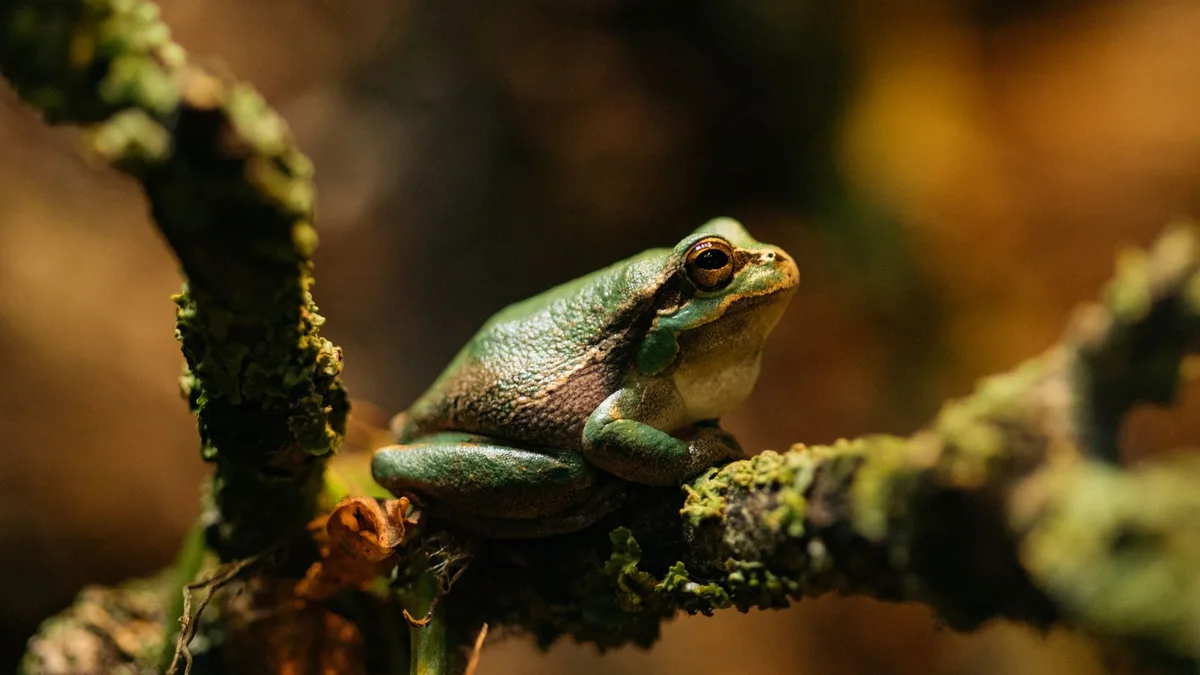 Amphibian skin is permeable, so water chemistry acts directly on the animal. Photo: Ellie Burgin via Pexels.
Dechlorination: The First Line of Defense
Municipal water supplies are treated with chlorine or chloramines (chlorine combined with ammonia) to kill pathogenic bacteria. While safe for human consumption, these compounds are devastating to amphibians. Chlorine causes direct chemical burns to the skin and gills, leading to acute toxicity, while chloramines are more stable and can cause chronic, low-level damage that predisposes animals to secondary bacterial and fungal infections.
Veterinary Recommendations for Dechlorination:
- Chemical Dechlorinators: The most reliable method is using a commercial water conditioner specifically designed for aquarium or amphibian use. These products neutralize chlorine and chloramines and often bind heavy metals. Always follow the manufacturer's dosage instructions.
- Aging Water: Allowing tap water to sit in an open container for 24 to 48 hours can remove chlorine through off-gassing. However, this method is ineffective for chloramines, which are far more stable. Therefore, aging alone is not considered a safe practice for amphibian water.
- Reverse Osmosis (RO) or Deionization (DI) Systems: These filtration systems produce the purest water, removing virtually all dissolved solids, including chlorine, chloramines, heavy metals, and nitrates. RO/DI water is the gold standard for sensitive species and is recommended by many herpetological veterinarians. However, it must be remineralized with a commercial supplement to provide essential electrolytes before use.
The Nitrogen Cycle and Water Chemistry
A fundamental concept in aquatic husbandry is the biological nitrogen cycle. In a closed system, amphibian waste (urine and feces) breaks down into ammonia (NH3), which is highly toxic. Beneficial bacteria (primarily Nitrosomonas spp.) oxidize ammonia into nitrite (NO2-), which is also toxic. A second group of bacteria (primarily Nitrobacter and Nitrospira spp.) then oxidize nitrite into nitrate (NO3-), which is far less toxic but must still be managed through regular water changes.
Clinical Implications of Cycling:
- Ammonia and Nitrite Toxicity: Elevated levels cause gill damage, skin irritation, neurologic signs (lethargy, twitching), and immunosuppression. Chronic exposure can lead to poor growth and increased susceptibility to disease.
- New Tank Syndrome: This occurs when an aquarium is set up without an established bacterial colony. Ammonia and nitrite levels spike, often causing mass mortality. A tank must be "cycled" before introducing amphibians. This process involves adding a source of ammonia (e.g., pure ammonium chloride or a small amount of fish food) and monitoring water parameters until ammonia and nitrite consistently read zero.
- Nitrate Management: Nitrate accumulates over time. While less toxic, high levels (>20-40 ppm for most species) can cause osmotic stress and reduce breeding success. Regular partial water changes (e.g., 25% weekly) are essential to keep nitrate low.
Recommended Water Quality Parameters:
| Parameter | Ideal Range | Critical Action Level |
|---|---|---|
| Ammonia (NH3) | 0.0 ppm | >0.25 ppm |
| Nitrite (NO2-) | 0.0 ppm | >0.5 ppm |
| Nitrate (NO3-) | <20 ppm | >40 ppm |
| pH | 6.5-7.5 (species-dependent) | <6.0 or >8.0 |
| Temperature | Species-specific (see below) | >2°C deviation from ideal |
| Hardness (GH) | 4-8 dGH (general) | Varies by species |
Temperature: A Critical Environmental Factor
Amphibians are ectotherms, meaning their body temperature is regulated by the environment. Water temperature directly influences metabolic rate, immune function, digestion, and oxygen solubility. As seen in studies of ectothermic organisms, temperature fluctuations can dynamically reshape microbial communities and host physiology. For amphibians, chronic temperature stress (either too high or too low) can suppress the immune system and increase susceptibility to pathogens like Batrachochytrium dendrobatidis (chytrid fungus), a leading cause of global amphibian declines.
Veterinary Guidelines for Temperature Management:
- Species-Specific Needs: Always research the optimal temperature range for your specific species. For example, tropical dart frogs (Dendrobates spp.) require temperatures between 72-80°F (22-27°C), while temperate newts (Notophthalmus spp.) prefer cooler temperatures of 60-70°F (15-21°C).
- Stability is Key: Avoid rapid temperature swings. Use a reliable aquarium heater with a thermostat for tropical species. For temperate species, a cool room or a chiller may be necessary. A sudden drop of more than 5°F can be a significant stressor.
- Thermal Gradients: In semi-aquatic setups, provide a thermal gradient. A basking spot on land can be slightly warmer, while the water area remains cooler. This allows the animal to thermoregulate behaviorally.
Hygiene and Biosecurity
Maintaining a hygienic environment is crucial for preventing disease. Amphibians are susceptible to a range of pathogens, including bacteria (Aeromonas, Pseudomonas), fungi (Batrachochytrium, Saprolegnia), and parasites.
Best Practices for Hygiene:
- Regular Water Changes: Perform partial water changes (10-25%) weekly, or more frequently if bioload is high. Use a gravel vacuum to remove detritus from the substrate.
- Quarantine: All new amphibians should be quarantined in a separate, isolated enclosure for a minimum of 30 to 60 days. This prevents the introduction of pathogens into an established collection.
- Disinfection: Use species-safe disinfectants (e.g., dilute bleach solution, F10SC) for equipment, nets, and decorations. Rinse thoroughly with dechlorinated water. Never use household cleaning products that leave toxic residues.
- Hand Hygiene: Always wash hands thoroughly with soap and water before and after handling amphibians or their equipment. Amphibian skin can absorb oils, salts, and lotions from human hands, causing irritation. Use powder-free, nitrile gloves when handling animals.
- Substrate Management: Choose substrates that do not decompose quickly or leach harmful chemicals. Options include coconut fiber, sphagnum moss, and smooth river stones (large enough to prevent ingestion). Replace soiled substrate regularly.
Sensitive Skin and Environmental Irritants
Beyond chlorine and ammonia, many other substances can irritate amphibian skin. This includes:
- Heavy Metals: Copper, lead, and zinc can leach from pipes or decorations. Use RO/DI water and ensure all decorations are aquarium-safe.
- Pesticides and Chemicals: Never use insecticides, herbicides, or air fresheners near amphibian enclosures. These can be absorbed through the skin.
- Medications: Many fish and reptile medications are toxic to amphibians. Always consult a veterinarian before using any treatment.
Regional Considerations and Guidelines
Veterinary practices and available resources may vary by region.
- United States: The AVMA and AAHA provide general guidelines for exotic pet care. The Merck Veterinary Manual offers specific chapters on amphibian medicine.
- Canada: The CVMA supports responsible exotic pet ownership. Canadian pet owners should be aware of local water quality reports, as chloramine use is widespread.
- Europe: The FVE and EFSA emphasize biosecurity and welfare. European owners often have access to high-quality RO systems.
- Australia: The AVA and DAFF have strict regulations regarding native species. Water quality is paramount, especially for endemic species that are highly sensitive. Australian tap water can vary significantly in hardness and chlorine content.
Conclusion
Mastering amphibian water quality and habitat basics is the cornerstone of successful amphibian husbandry. By prioritizing dechlorination, establishing a robust biological filter, maintaining stable temperatures, and practicing rigorous hygiene, keepers can create an environment that supports the unique physiological needs of these sensitive animals. This proactive approach not only prevents disease but also promotes natural behaviors, vibrant coloration, and long-term health. Always consult a veterinarian with experience in exotic animal medicine for species-specific advice and at the first sign of illness.
Related Clinical & Scientific Guides
References
Zhou E, Xing Z, Wang M, et al. Chlorogenic acid promotes macrophage phagocytosis through the METTL3-SIRPA axis in an m6A-dependent manner for colon cancer therapy. Biochem Pharmacol. 2026. Wang N, Yang C, Zhang R, et al. USP25 Promotes Glycolysis of Acute Myeloid Leukemia Cells and Enhances Tumor Immunity. Arch Immunol Ther Exp (Warsz). 2026. Qiao L, Zhang J, Li J, et al. Plasticity and antigen presentation by group 3 innate lymphoid cells in colorectal cancer. Front Immunol. 2026. Miyata K, Yoshino-Kida M, Venkatesan R, et al. Microbe-induced galls and plant defence: metabolite crosstalk in a co-evolutionary battle. Philos Trans R Soc Lond B Biol Sci. 2026. Peng Y, Huang M, Li X, et al. [Exploration and practice of cultivating top-notch innovative talents in biological sciences under the dual-track framework integrating "Strengthening Basic Disciplines Program" and "Top-notch Student Training Program"]. Sheng Wu Gong Cheng Xue Bao. 2026. Xiao Z, Gong Y, Yang X, et al. Epiblast diversification and blood formation in a human pregastrula. Nature. 2026. Zhang Y, Zhang H, Akashi H, et al. A unified analysis of global riverine eDNA reveals common associations of fish biodiversity with drainage characteristics. Nat Ecol Evol. 2026. He L, Zhou Y, Xie J, et al. Bacillus subtilis expressing double-stranded RNA induced RNA interference in Tribolium castaneum. Pest Manag Sci. 2026. Pei T, Nwanade CF, Liang X, et al. Environmental Low Temperatures Dynamically Reshape the Microbial Diversity and Community Structure of the Vector Tick Haemaphysalis longicornis. Arch Insect Biochem Physiol. 2026. Yao Y, Liu H, Yang D, et al. Integration of large language models and evidence-based Chinese medicine: A scoping review. Integr Med Res. 2026. Wang Y, Qin Q, Feng J, et al. Top-down effects dominate the relationship between plant-herbivorous insect interactions and ecosystem stability. Nat Ecol Evol. 2026. Zhu Q, Duan Q, Wang F, et al. Characterization of an alkali- and glucose-tolerant β-glucosidase from Karamay saline-alkali soil and its structural basis for glucose tolerance. BMC Biotechnol. 2026. Lu Q, Luo J, Wang J, et al. QeITH: Quantifies Tumor Ecosystem Heterogeneity to Predict Cancer Progression and Treatment Benefit. Comput Struct Biotechnol J. 2026. Liang F, Tan X, Wei Y, et al. Strong phylogenetic signal from chloroplast genomes of three Barringtonia species provides the first genomic resources for their conservation. BMC Plant Biol. 2026. Do SD, Lee Y, Rhee JS. Comparative mitogenomics of Ocnus glacialis reveals lineage-specific evolutionary rates and complex gene rearrangements in Dendrochirotida. Sci Rep. 2026. Zhang Z, Ouyang P, Cui K, et al. Dissecting T-cell exhaustion heterogeneity and immune ecosystem dynamics in colorectal cancer through multi-omics machine learning. BMC Cancer. 2026. Agarwal A, Vandvik PO, Delvaux N, et al. Detrimental effects of conflicts of interest in GLP-1 therapy guidance. BMJ. 2026. Askari P, Dashtbin S, Navidifar T, et al. Fecal Microbiome Alterations in Colorectal Cancer: A Systematic Review of Compositional Changes and Microbial Biomarkers. Microbiologyopen. 2026. Laiton L, Acevedo FE. Gut microbiome of the grape berry moth, Paralobesia viteana (Lepidoptera: Tortricidae) larvae through the grape ripening process revealed by high-throughput 16S and 18S rRNA sequencing. Microb Genom. 2026. Du Y, An Y, Cao Z, et al. Akkermansia muciniphila alleviates diabetic cognitive impairment by inhibiting NLRP3 inflammasome activation and ameliorating hippocampal synaptic defects. Food Funct. 2026. Qian X, Zhao YB, Zhang H, et al. 4-hydroxy-5-methyl-3(2H)-furanone mediates widespread interkingdom communications between fungi and prokaryotes. Genome Biol. 2026. Raj K, Sharma P, Riyaz M, et al. Decoding the functional landscape and resistome profile of the gut microbiome in the Pangwala tribal community of India. BMC Microbiol. 2026. Damay DP, Peace A. A New Insight into the Threshold and Oscillatory Regimes in Plant-Pathogen Models: A Nutrient-Driven Approach. Bull Math Biol. 2026. Aryan FAM, Tahrani LMA, El-Azazy OME. Endoparasites of Rattus norvegicus With Reference to Their Zoonotic Importance in an Urban District, East Kuwait. Vet Med Int. 2026. Wang Z, Guo Y, Fan Y, et al. Remodeling mechanisms and intervention strategies of the oral mucosal immune barrier. Front Immunol. 2026. Shadiya F, Galić V, Bjedov D, et al. Spatio-temporal dynamics of total mercury contamination in diving birds as bioindicators of tropical wetlands in India. Sci Rep. 2026. Li Y, Zhang B, He G, et al. Saikosaponin A restores the IDO1-driven gut-testis kynurenine axis to alleviate oligozoospermia. Phytomedicine. 2026. Hao YY, Zhao ZA, Zhang LM, et al. Targeting the gut-brain axis: microbial interventions for neurological disorders. Metab Brain Dis. 2026. Swett CL, Del Castillo Múnera J, Kashyap R. From Trucks to Trays: Progress and Challenges in Phytosanitation of Inert Surfaces to Mitigate Plant Pathogen Spread. Annu Rev Phytopathol. 2026. Guzik TJ, Aboyans V, Agewall S, et al. Artificial Intelligence in Biomedical Scientific Publishing. Eur Heart J. 2026. Zhang Q, Zhang L, Ma Y, et al. Predicting the global risk of chikungunya virus under climate change using ensemble species distribution models. Front Cell Infect Microbiol. 2026. Lu G, Chen Z, Fan L, et al. Spatial Distribution and Compartmental Allocation of Microplastics in Belowground Systems of Mulched Phyllostachys violascens Forests Along Urban-Rural Gradients. Plants (Basel). 2026. Xie A, Yuan L, Yang B. Immune Responses Against Allergic Asthma Following Intervention with Lacticaseibacillus paracasei DMLA16017 and Vitamin D in Rats. Nutrients. 2026. Yuan H, Liu Y, Wang X, et al. Inonotus obliquus Crude Melanin Ameliorates DSS-Induced Colitis with Modulation of Gut Microbiota and Neutrophil pro-NETotic Activation. Nutrients. 2026. Li H, Feng X, Zhong F, et al. Live and Heat-Inactivated Lactiplantibacillus plantarum Ameliorate Loperamide-Induced Constipation in Mice via Modulating Gut Microbiota, Short-Chain Fatty Acids and Gastrointestinal Function. Nutrients. 2026. Wang Q, Ji L, Dong X, et al. Interaction and Flavor Metabolic Function of Microbiota During Fermentation of Pigskin Through Bioaugmentation with Latilactobacillus sakei. Molecules. 2026. Soltani-Moghadam F, Kafil HS, Sefidan FY, et al. Gut Bacteria: A Beneficial Symbiosis or a Hidden Threat? Investigating the Dual Role of Bacteria in Gastrointestinal Diseases. Curr Microbiol. 2026. Fan J, Tong M, Lu Y, et al. Single-Cell and Bulk Transcriptomics Uncover the Cellular Ecosystem of Vascular Invasion in Intrahepatic Cholangiocarcinoma. Cells. 2026. Zhang Z, Lu T, Dong B, et al. Gut fungal signatures in colorectal cancer and their potential for supporting diagnosis: a multi-cohort metagenomic analysis. J Transl Med. 2026. Zhu Y, Zhang S, Wei J, et al. Whole-genome duplication shaped cell-type evolution in the vertebrate brain. Nature. 2026.