Toxoplasmosis in Cats: Zoonotic Risk and Neurological Manifestations
By Dr. Zubair Khalid, DVM, MS, PhD ·
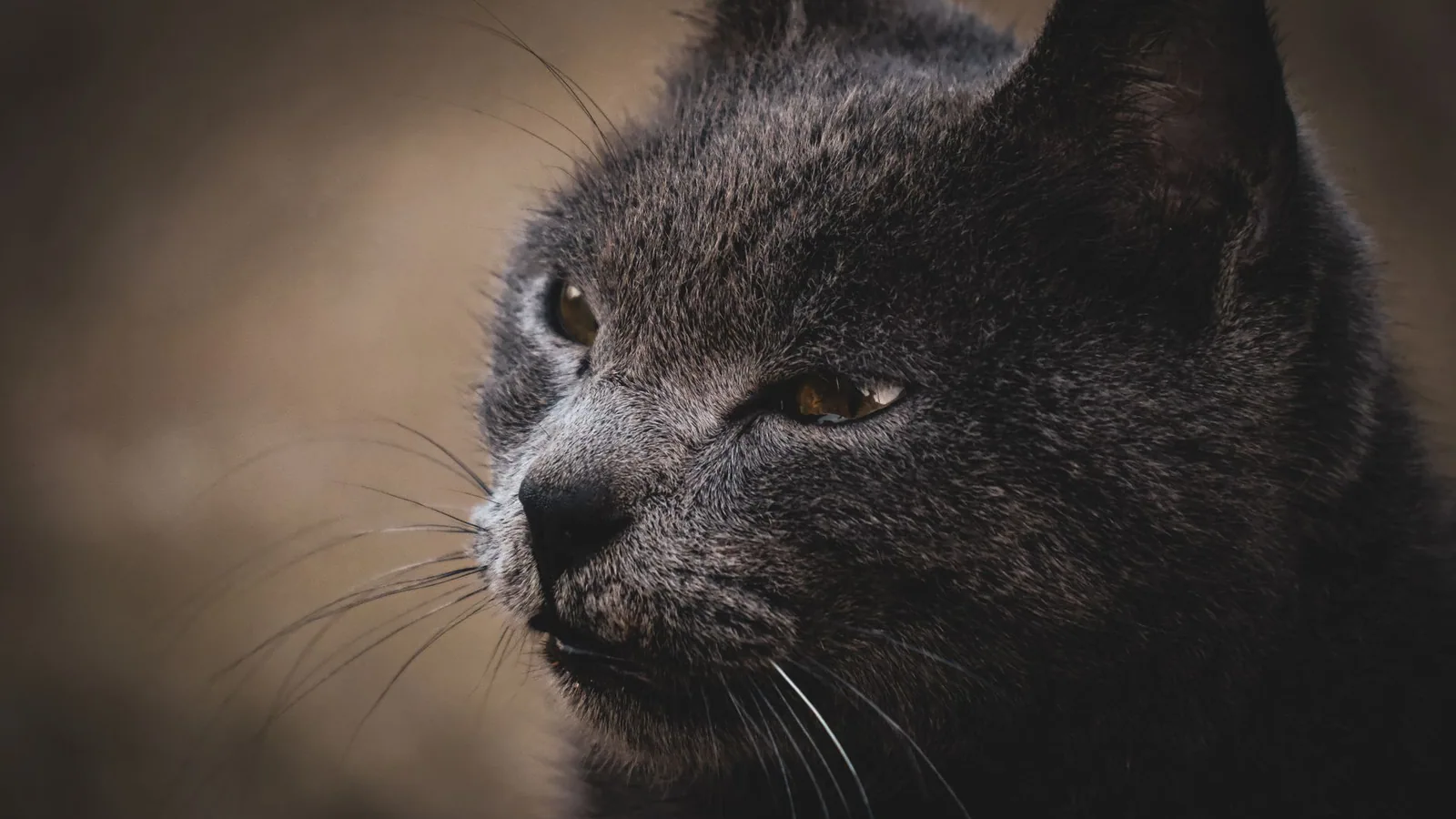
Key Takeaways
- Cats are the definitive hosts for Toxoplasma gondii, excreting environmentally resistant oocysts in their feces, which is the primary source of environmental contamination and zoonotic risk.
- Transmission to humans occurs via ingestion of undercooked meat with tissue cysts, accidental ingestion of sporulated oocysts from contaminated sources, or vertical transmission; daily litter box cleaning significantly mitigates risk.
- Neurological manifestations in cats, though less common, can include seizures, ataxia, tremors, and altered mentation, often accompanied by ocular signs such as uveitis and retinochoroiditis.
- Diagnosis in cats involves a combination of serological assays (e.g., ELISA, MAT), PCR for parasite DNA in various bodily fluids, and histopathology with immunohistochemistry for definitive confirmation.
- Treatment for clinical toxoplasmosis in cats typically involves clindamycin, pyrimethamine with sulfonamides, or trimethoprim-sulfonamide combinations, often requiring supportive care.
- Control strategies focus on reducing environmental contamination through prompt fecal removal, preventing cats from hunting prey, feeding cooked food, and public health education to address misconceptions about cat ownership.
Introduction
Toxoplasmosis is a globally distributed zoonotic disease caused by the obligate intracellular apicomplexan parasite Toxoplasma gondii [<a href="#ref-1">1</a>, <a href="#ref-2">2</a>]. The parasite can infect virtually all warm-blooded vertebrates, including birds and mammals [<a href="#ref-1">1</a>, <a href="#ref-3">3</a>]. Domestic and wild felids serve as the definitive hosts, as they are the only species capable of excreting environmentally resistant oocysts in their feces [<a href="#ref-1">1</a>, <a href="#ref-3">3</a>]. This unique role places cats at the center of the epidemiology of toxoplasmosis [<a href="#ref-1">1</a>]. Clinical disease in cats ranges from subclinical infection to severe systemic illness, with neurological and ocular forms being particularly notable [<a href="#ref-4">4</a>, <a href="#ref-5">5</a>, <a href="#ref-6">6</a>]. The zoonotic potential of feline toxoplasmosis has generated sustained public health interest, especially regarding the risks associated with oocyst shedding [<a href="#ref-3">3</a>, <a href="#ref-7">7</a>, <a href="#ref-8">8</a>]. This review provides an exhaustive examination of toxoplasmosis in cats, focusing on the biological mechanisms of infection, zoonotic risk, neurological manifestations, diagnostic modalities, and control measures. All statements are grounded in peer-reviewed literature from the past several decades [<a href="#ref-1">1</a>, <a href="#ref-2">2</a>, <a href="#ref-3">3</a>, <a href="#ref-4">4</a>, <a href="#ref-5">5</a>, <a href="#ref-6">6</a>, <a href="#ref-7">7</a>, <a href="#ref-8">8</a>, <a href="#ref-9">9</a>, <a href="#ref-10">10</a>, <a href="#ref-11">11</a>, <a href="#ref-12">12</a>, <a href="#ref-13">13</a>, <a href="#ref-14">14</a>, <a href="#ref-15">15</a>, <a href="#ref-16">16</a>, <a href="#ref-17">17</a>, <a href="#ref-18">18</a>, <a href="#ref-19">19</a>, <a href="#ref-20">20</a>, <a href="#ref-21">21</a>, <a href="#ref-22">22</a>, <a href="#ref-23">23</a>, <a href="#ref-24">24</a>, <a href="#ref-25">25</a>, <a href="#ref-26">26</a>].
Etiology and Lifecycle
Toxoplasma gondii belongs to the phylum Apicomplexa, class Conoidasida, and is characterized by a complex lifecycle involving both sexual and asexual replication [<a href="#ref-1">1</a>, <a href="#ref-2">2</a>]. The sexual phase occurs exclusively within the intestinal epithelium of felids, resulting in the production of unsporulated oocysts that are shed in feces [<a href="#ref-1">1</a>, <a href="#ref-3">3</a>]. After sporulation in the environment (which typically requires 1-5 days), oocysts become infective and can remain viable for months to years under favorable conditions [<a href="#ref-1">1</a>, <a href="#ref-9">9</a>]. A single cat can excrete millions of oocysts during a short shedding period, often without showing clinical signs [<a href="#ref-1">1</a>, <a href="#ref-3">3</a>].
Asexual replication occurs in intermediate hosts, including humans and other warm-blooded animals [<a href="#ref-1">1</a>, <a href="#ref-2">2</a>]. Three infectious stages exist: tachyzoites (rapidly dividing forms responsible for acute infection), bradyzoites (slowly dividing forms in tissue cysts), and sporozoites (within oocysts) [<a href="#ref-1">1</a>, <a href="#ref-2">2</a>]. Cats typically acquire infection by ingesting tissue cysts from infected prey (e.g., rodents, birds) or, less commonly, by ingressing sporulated oocysts from the environment [<a href="#ref-1">1</a>, <a href="#ref-10">10</a>]. In experimentally infected cats, tissue cyst ingestion leads to completion of the enteroepithelial cycle with oocyst shedding beginning 3-10 days post-exposure [<a href="#ref-10">10</a>, <a href="#ref-11">11</a>]. The prepatent period after oocyst ingestion is longer (greater than 18 days) because the parasite must first form tissue cysts in intermediate tissues before returning to the intestine [<a href="#ref-1">1</a>, <a href="#ref-10">10</a>].
The genetic diversity of T. gondii strains in cats has been extensively studied. A unique genotype (ToxoDB genotype #9 or Chinese 1) is widely prevalent in cats in China and has been epidemiologically linked to outbreaks of clinical toxoplasmosis in pigs and deaths in humans in that region; this genotype has rarely been detected outside China [<a href="#ref-1">1</a>]. In Australia, genotyping of isolates from domestic cats with latent infection versus clinical toxoplasmosis revealed differences in strain distribution. In wildlife, genotype #4 (commonly circulating in wildlife) was identified in a fatal disseminated toxoplasmosis outbreak in littermate kittens in the United States. Such genetic variation may influence pathogenicity and zoonotic potential [<a href="#ref-1">1</a>].
Transmission and Zoonotic Risk
Cats are the primary source of environmental contamination with T. gondii oocysts [<a href="#ref-3">3</a>, <a href="#ref-8">8</a>]. After primary infection, cats typically shed oocysts for 1-3 weeks; shedding can be massive (millions per day) and is often asymptomatic [<a href="#ref-1">1</a>, <a href="#ref-12">12</a>]. Seroprevalence studies from diverse geographic regions demonstrate that exposure is common. In Greece, a seroprevalence of 20.8% was reported in 457 cats using indirect immunofluorescence antibody testing. In Brazil, seroprevalence ranged from 7.6% (by IFI) to 15.2% (by ELISA) in cats from Espirito Santo state [<a href="#ref-3">3</a>]. In Pakistan, stray cats showed a significantly higher infection rate (74.6%) compared to pet cats (25.4%) using ELISA and PCR [<a href="#ref-13">13</a>]. In Turkey, 37.84% of stray cats were seropositive, and T. gondii DNA was detected in 14.37% of fecal samples [<a href="#ref-8">8</a>]. In Egypt, viable T. gondii was isolated from tissues of cats with high seroprevalence, confirming active tissue infection [<a href="#ref-12">12</a>]. These data indicate widespread environmental contamination and a persistent zoonotic risk [<a href="#ref-3">3</a>, <a href="#ref-7">7</a>, <a href="#ref-13">13</a>].
The primary routes of human infection include ingestion of undercooked meat containing tissue cysts, accidental ingestion of sporulated oocysts from contaminated food, water, or soil, and vertical transmission during pregnancy [<a href="#ref-1">1</a>, <a href="#ref-3">3</a>]. Oocyst contamination from cat feces is a significant public health concern, particularly in regions where stray cat populations are large [<a href="#ref-7">7</a>, <a href="#ref-8">8</a>]. Semi-domesticated cats have higher odds (8.34 times) of T. gondii infection compared to pet cats, likely due to increased exposure to infected prey [<a href="#ref-7">7</a>]. Stray cats in urban markets in Indonesia showed oocyst prevalence ranging from 12.5% to 37.5% depending on sanitation levels. In Izmir, Turkey, over 14% of stray cats shed T. gondii DNA in feces, indicating active shedding and high transmission potential [<a href="#ref-8">8</a>].
Toxoplasmosis Cat Lady Disease
The colloquial term "toxoplasmosis cat lady disease" reflects a persistent public misconception that cat ownership, especially by women of reproductive age, is a major risk factor for toxoplasmosis [<a href="#ref-9">9</a>]. While cats are the definitive hosts, the actual risk of zoonotic transmission from a pet cat is relatively low, provided basic hygiene measures are followed [<a href="#ref-1">1</a>, <a href="#ref-9">9</a>]. Oocysts require a minimum of 24-48 hours to sporulate and become infective; thus, daily removal of feces from litter boxes dramatically reduces risk [<a href="#ref-1">1</a>, <a href="#ref-9">9</a>]. Most cats that have acquired immunity after primary infection do not re-shed oocysts, making them low-risk for ongoing transmission [<a href="#ref-1">1</a>, <a href="#ref-14">14</a>]. Nevertheless, the stereotype has persisted in popular discourse, and studies have examined its impact on cat ownership and public health messaging [<a href="#ref-9">9</a>]. The term is used in this article only to address the epidemiological context; it does not imply a unique disease entity. The zoonotic risk is real but manageable through simple preventive measures such as wearing gloves when handling litter, washing hands, and avoiding raw or undercooked meat [<a href="#ref-1">1</a>, <a href="#ref-9">9</a>].
Neurological Manifestations
Neurological involvement in feline toxoplasmosis is a well-documented but relatively uncommon presentation [<a href="#ref-4">4</a>, <a href="#ref-5">5</a>, <a href="#ref-6">6</a>]. In a retrospective histopathological analysis of 100 cats with confirmed toxoplasmosis, 7% were classified as having primarily neurologic disease [<a href="#ref-5">5</a>]. However, central nervous system (CNS) lesions are frequently found at necropsy even in cats with generalized toxoplasmosis; T. gondii was identified in 80% of 55 brains examined histologically in that same study [<a href="#ref-5">5</a>]. This suggests that CNS invasion occurs frequently, but clinical signs may be overshadowed by other systemic involvement [<a href="#ref-5">5</a>, <a href="#ref-6">6</a>].
Clinical neurological signs include seizures, ataxia, tremors, head pressing, circling, cranial nerve deficits, and altered mentation [<a href="#ref-4">4</a>, <a href="#ref-5">5</a>, <a href="#ref-6">6</a>]. Ocular manifestations often accompany neurological disease; anterior uveitis, iridocyclitis, and retinochoroiditis are common [<a href="#ref-6">6</a>, <a href="#ref-15">15</a>]. In a case series of cats with neurological and ocular toxoplasmosis, the authors described concurrent CNS and eye involvement, emphasizing the tropism of T. gondii for neural tissues [<a href="#ref-4">4</a>]. Another study found that 81.5% of 27 cats with disseminated toxoplasmosis had evidence of intraocular inflammation; the ciliary body was the most severely affected portion of the uvea [<a href="#ref-5">5</a>].
The pathogenesis of neurological toxoplasmosis involves hematogenous dissemination of tachyzoites into the CNS, where they invade glial cells and neurons, causing focal necrosis, perivascular cuffing, and inflammation [<a href="#ref-5">5</a>, <a href="#ref-16">16</a>]. In neonatal toxoplasmosis, transplacental infection leads to severe CNS lesions, including hydrocephalus and microencephaly [<a href="#ref-16">16</a>]. In older cats, reactivation of latent tissue cysts within the brain may occur during immunosuppression (e.g., due to feline immunodeficiency virus, feline leukemia virus, or corticosteroid use) [<a href="#ref-6">6</a>, <a href="#ref-17">17</a>]. Co-infection with Neospora caninum, feline immunodeficiency virus (FIV), or feline leukemia virus (FeLV) can exacerbate neurological disease [<a href="#ref-17">17</a>].
Cat Toxoplasmosis Brain
The phrase "cat toxoplasmosis brain" is sometimes used in informal contexts to describe neurological symptoms attributed to T. gondii infection in humans, but in veterinary medicine, it refers specifically to the clinical and pathological changes in the feline brain [<a href="#ref-4">4</a>, <a href="#ref-5">5</a>, <a href="#ref-16">16</a>]. In cats, T. gondii brain infection can lead to meningoencephalitis, focal granulomas, and necrosis, particularly in the cerebrum and brainstem [<a href="#ref-5">5</a>, <a href="#ref-16">16</a>]. In a study of neonatally induced toxoplasmosis in cats, brain lesions included non-suppurative encephalitis with gliosis and perivascular cuffs, often with demonstrable tachyzoites in the neuropil [<a href="#ref-16">16</a>]. In clinical practice, magnetic resonance imaging (MRI) of affected cats may reveal multifocal contrast-enhancing lesions, but definitive diagnosis requires cerebrospinal fluid (CSF) analysis (PCR, antibody detection) or postmortem immunohistochemistry [<a href="#ref-5">5</a>, <a href="#ref-6">6</a>].
Ocular toxoplasmosis is a special form of neurological involvement because the retina is an extension of the CNS. In cats, ocular lesions are predominantly multifocal iridocyclochoroiditis, with the retina being a frequent site of parasite localization [<a href="#ref-5">5</a>, <a href="#ref-15">15</a>]. In one immunohistochemical study, T. gondii was found in the retina of 5 cats, the choroid of 2, the optic nerve of 1, the iris of 3, and the ciliary body of 4 [<a href="#ref-5">5</a>]. This neural and retinal tropism underscores the importance of considering toxoplasmosis in feline uveitis and neurological presentations [<a href="#ref-4">4</a>, <a href="#ref-6">6</a>].
Clinical Signs and Diagnosis
Clinical toxoplasmosis in cats varies greatly in severity. A large retrospective study of 100 histologically confirmed cases identified five major clinical categories: generalized (36%), pulmonary (26%), abdominal (16%), neurologic (7%), and neonatal (9%) [<a href="#ref-5">5</a>]. Common clinical signs include fever (73% of cats with recorded temperature), dyspnea, polypnea, abdominal discomfort, anorexia, and lethargy [<a href="#ref-5">5</a>]. Hepatic, pancreatic, cardiac, and cutaneous forms were also observed but less frequently [<a href="#ref-5">5</a>].
Diagnosis of feline toxoplasmosis relies on a combination of serological, molecular, and histopathological methods [<a href="#ref-1">1</a>, <a href="#ref-6">6</a>, <a href="#ref-18">18</a>]. Serological assays detect anti-T. gondii antibodies; the modified agglutination test (MAT) using formalin-preserved tachyzoites is highly sensitive and can detect antibodies for up to 29 months after infection [<a href="#ref-11">11</a>]. Commercial ELISA kits are widely used for IgG and IgM detection in serum [<a href="#ref-13">13</a>, <a href="#ref-19">19</a>]. Immunochromatographic rapid diagnostic test kits offer rapid point-of-care screening, with a reported prevalence of 6% in a study from Turkey [<a href="#ref-18">18</a>]. However, serology alone cannot distinguish between recent and past infection, and the Sabin-Feldman dye test is now less commonly used [<a href="#ref-11">11</a>]. In recent years, recombinant antigens such as GRA7, SAG2, and GRA6 have been compared in ELISA, with GRA7 showing superior sensitivity for serodiagnosis in cats.
Polymerase chain reaction (PCR) for T. gondii DNA is highly specific and can be performed on blood, CSF, aqueous humor, bronchoalveolar lavage, and feces [<a href="#ref-6">6</a>, <a href="#ref-8">8</a>, <a href="#ref-13">13</a>]. Real-time PCR quantifies parasite burden and is useful for monitoring shedding [<a href="#ref-8">8</a>]. Histopathological examination with immunohistochemical staining for T. gondii antigens remains the gold standard for definitive diagnosis in necropsy cases [<a href="#ref-5">5</a>, <a href="#ref-6">6</a>].
The following Mermaid decision tree outlines the diagnostic approach for a cat with suspected toxoplasmosis, particularly with neurological signs.
flowchart TD
 A["Cat with clinical signs: fever, dyspnea, neurological deficits, uveitis"] --> B{"Serology: ELISA for IgG/IgM"}
 B -->|"Negative"| C["Consider other etiologies"]
 B -->|"Positive"| D["PCR on blood, CSF, or aqueous humor"]
 D -->|"Positive"| E["Confirm active infection"]
 D -->|"Negative"| F["Possible past infection or chronic latent"]
 E --> G{"Neurological signs?"}
 G -->|"Yes"| H["CSF PCR and antibody index"]
 G -->|"No"| I["Evaluate shedding: fecal PCR or microscopy"]
 H --> J["Positive: treat for toxoplasmic encephalitis"]
 I --> K["Positive: implement hygiene measures"]
 F --> L["Monitor; no treatment unless immunocompromised"]
Adapted from diagnostic guidelines in [<a href="#ref-1">1</a>, <a href="#ref-6">6</a>, <a href="#ref-18">18</a>].
Treatment and Control
The cornerstone of treatment for clinical toxoplasmosis in cats is clindamycin (10-12 mg/kg orally or intramuscularly every 12 hours for 2-4 weeks) [<a href="#ref-6">6</a>, <a href="#ref-9">9</a>]. However, a paradoxical effect of clindamycin has been reported in experimental acute toxoplasmosis, where some treated cats showed worsened clinical signs due to rapid lysis of tachyzoites and release of inflammatory products [<a href="#ref-20">20</a>]. Clindamycin has also been used prophylactically in Pallas' cats (Otocolobus manul) in zoos, reducing first-year mortality from toxoplasmosis from 100% to 5.88%. Other effective drugs include pyrimethamine combined with sulfonamides, and trimethoprim-sulfonamide combinations [<a href="#ref-6">6</a>, <a href="#ref-9">9</a>]. Treatment should be accompanied by supportive care, including fluid therapy, nutritional support, and anti-inflammatory doses of corticosteroids if uveitis or CNS inflammation is present [<a href="#ref-6">6</a>].
Experimental live attenuated vaccines have been developed using CRISPR-Cas9 gene editing. The RHΔompdcΔuprt mutant strain showed reduced proliferation, avirulence in mice and cats, and induced strong protective immunity, reducing oocyst shedding by 95.3% in immunized cats [<a href="#ref-21">21</a>]. This demonstrates the potential for future vaccination strategies to reduce zoonotic transmission [<a href="#ref-21">21</a>].
Control measures focus on reducing environmental contamination. These include prompt removal of cat feces (daily), preventing cats from hunting rodents and birds, feeding only cooked or commercially processed food, and controlling stray cat populations [<a href="#ref-1">1</a>, <a href="#ref-8">8</a>, <a href="#ref-9">9</a>]. In zoo settings, feral cat and rodent control is critical to reduce infection pressure on susceptible species such as Pallas' cats, ring-tailed lemurs, and meerkats. Public health education is necessary to dispel myths such as "toxoplasmosis cat lady disease" and to provide accurate guidance on pregnancy and cat ownership [<a href="#ref-1">1</a>, <a href="#ref-9">9</a>].
Conclusion
Toxoplasmosis in cats remains a significant veterinary and public health concern due to the unique role of felids as definitive hosts for T. gondii [<a href="#ref-1">1</a>, <a href="#ref-3">3</a>]. Neurological manifestations, though less common than other forms, are clinically important and often underdiagnosed. Ocular involvement is frequent in disseminated disease [<a href="#ref-4">4</a>, <a href="#ref-5">5</a>]. Diagnostic advancements, including PCR and recombinant-antigen ELISA, have improved accuracy [<a href="#ref-13">13</a>, <a href="#ref-18">18</a>]. Zoonotic transmission from cats is manageable with proper hygiene and environmental management [<a href="#ref-1">1</a>, <a href="#ref-9">9</a>]. Research on live attenuated vaccines holds promise for reducing oocyst shedding in the future [<a href="#ref-21">21</a>]. Continued epidemiological surveillance and genotype characterization of T. gondii strains in cats will further inform control strategies [<a href="#ref-1">1</a>].
Related Clinical & Scientific Guides
- Tick-Borne Diseases in Dogs: Pathogens, Clinical Signs, Diagnosis, and Prevention
- Toxoplasmosis in Cats and the Risk of Brain Infection in Humans
- Dog Heartworm and Tick-Borne Disease Prevention