
Trypanosoma evansi in Horses and Camels: Surra, Diagnosis by Serological and Molecular Methods
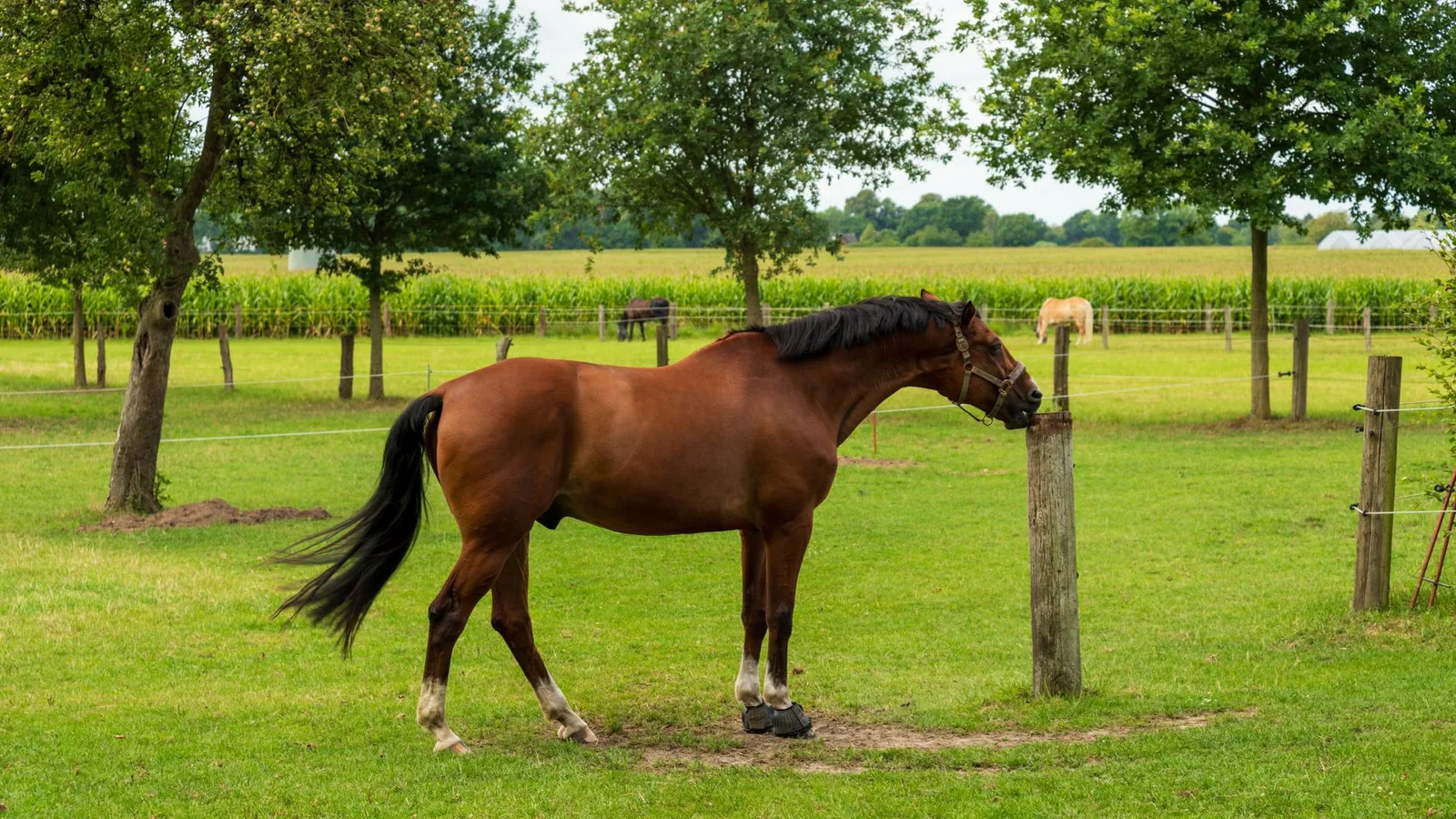
Etiology and Epidemiology
Trypanosoma evansi is a haemoflagellate protozoan parasite of the subgenus Trypanozoon, the causative agent of surra, a disease affecting many domestic and wild mammals, particularly horses and camels. Unlike other pathogenic trypanosomes, T. evansi lacks a cycle of development in the tsetse fly vector and is transmitted mechanically by haematophagous biting flies of the genera Tabanus and Stomoxys, and in some regions by vampire bats of the genus Desmodus [1, 2]. The parasite is distributed across tropical and subtropical regions of Africa, Asia, and Latin America, where it causes significant economic losses in livestock [1, 3, 4].
The epidemiology of surra in horses and camels is driven by vector abundance, host movement, and reservoir populations. In studies from Egypt, Iran, Algeria, Brazil, Colombia, Pakistan, Thailand, and Indonesia, seroprevalence rates in horses vary widely from 0% to 46.6% depending on the diagnostic method and region [1, 3, 4, 5]. Camels often show higher infection rates; in Egypt, PCR-based prevalence reached 60% in local camels and 71.4% in imported camels using TBR PCR [6]. Horses and donkeys may act as carriers, perpetuating transmission to camels [6]. The presence of co-infections, such as Equine Infectious Anemia Virus (EIAV) in horses, complicates clinical outcomes [2].
Clinical Signs and Pathology
Infection with T. evansi produces a spectrum of clinical signs in horses and camels, ranging from acute to chronic forms. In horses, classical signs include intermittent fever, anemia, weight loss, subcutaneous edema (particularly of the ventral abdomen and limbs), jaundice, lethargy, and neurological disorders such as ataxia and pelvic muscle atrophy [1, 5]. Abortion has been reported in mares [4]. In acute outbreaks, mortality can exceed 25% as observed in the Pantanal region of Brazil and on Marajó Island [5, 7]. Gross pathological findings include splenomegaly, hepatomegaly, and generalized icterus. Histopathological examination reveals lymphoplasmacytic encephalitis with Mott cells in the central nervous system, confirming parasite dissemination [5]. In camels, chronic wasting is prominent; infected animals exhibit progressive emaciation, submandibular edema, and reduced milk yield.
Diagnostic Approaches
Accurate diagnosis of T. evansi infection is essential for control and treatment. The diagnostic methods can be categorised into parasitological, serological, and molecular techniques. Comparative studies have consistently demonstrated that molecular methods offer superior sensitivity, particularly in subclinical or chronic infections [8, 6, 9].
Parasitological Methods
Direct detection of T. evansi trypomastigotes in blood is the traditional gold standard. Techniques include wet blood film examination, Giemsa-stained thin blood smears, and the microhaematocrit centrifugation test (MHCT). However, these methods suffer from low sensitivity, especially during periods of low parasitemia. In a study in Egypt, no positive samples were detected by microscopy among 383 horses, while serological and molecular assays identified many infected animals [1]. Similarly, in Iran and Algeria, parasitological examination failed to detect any positive cases despite seroprevalences of 26% and 46.6%, respectively [3, 4]. These results illustrate that parasitological methods are unreliable for routine screening.
Serological Methods
Serological assays detect antibodies against T. evansi and are widely used for herd-level surveillance. The most common tests are the Card Agglutination Test for T. evansi (CATT/T. evansi) and enzyme-linked immunosorbent assays (ELISA) using whole cell lysate or recombinant antigens.
CATT/T. evansi is a rapid agglutination test ideal for field use. In Egypt, 26.33% of horses tested positive by CATT, with 4.73% showing strong agglutination [1]. In Algeria, seroprevalence was 46.6% using CATT [4]. The test is simple and does not require laboratory equipment, making it suitable for remote areas.
ELISA offers higher throughput and objectivity. An indirect ELISA using whole cell lysate is the WOAH-recommended reference method. In Egypt, ELISA detected 16% positive among a subset of 100 horses [1]. In Thailand, an optimised indirect ELISA demonstrated 97.5% sensitivity and 100% specificity for equids [10]. Recombinant antigens, such as GM6, have also been developed and show promise for standardization [11]. In Argentina, an indirect immunoenzyme assay was validated for horses [12, 13]. More recently, a buffered antigen rapid serum agglutination test (BA/Te) showed 92% sensitivity and 91% specificity against CATT in Brazilian horses [14]. Serological methods, however, cannot distinguish current from past infections and cross-react with other trypanosomes.
Molecular Methods
Polymerse chain reaction (PCR) is the most sensitive and specific technique for detecting T. evansi DNA in blood or tissue samples. Several PCR targets have been described, including the internal transcribed spacer 1 (ITS-1), the repetitive sequence from Trypanozoon (TBR), and the RoTat 1.2 variant surface glycoprotein (VSG) gene.
ITS-PCR targeting the ITS-1 region produces a 467 bp amplicon in T. evansi genotype A. In Egyptian horses, ITS-PCR identified 7 positive samples (1.8%), and phylogenetic analysis showed 99.7% similarity to a camel isolate from Egypt [1]. In Iran, ITS-PCR confirmed T. evansi genotype A [3].
TBR PCR amplifies a 164 bp repetitive fragment and is highly sensitive. In a comparative study in Pakistan, TBR PCR detected 16% positives vs. 5% by microscopy [8]. In Egypt, TBR PCR revealed 40% infection in horses and 71.4% in imported camels, whereas RoTat 1.2 PCR was less sensitive (32.5% in local camels) [6]. The lower sensitivity of RoTat 1.2 PCR is attributed to sequence variation in some T. evansi strains.
Multiplex PCR enables simultaneous detection of T. evansi and other equine blood parasites. A multiplex assay targeting the Rotat 1.2 VSG (151 bp), Theileria equi ema-2 (587 bp), and Babesia caballi BC-134 (429 bp) achieved 100% sensitivity for T. evansi and T. equi [15]. This approach is valuable for differential diagnosis of febrile horses.
Reverse dot blot and quantitative PCR have also been applied in field surveys [16]. The sensitivity of PCR is consistently superior to parasitological methods, as demonstrated in Malaysia (16% vs. 5%) [8] and in post-outbreak surveillance in Indonesia [17].
Diagnostic Workflow
The following decision tree illustrates a recommended diagnostic approach for suspected surra in horses and camels.
flowchart TD
 A["'Clinical signs suggestive of surra<br>(fever, anemia, edema, weight loss')"] --> B{"'Parasitological examination<br>(blood smear / MHCT')"}
 B -- Positive --> C[Confirm *T. evansi* infection<br>Treat with trypanocide]
 B -- Negative --> D["'Serological test<br>(CATT/T. evansi or ELISA')"]
 D -- Positive --> E{High suspicion or acute case?}
 E -- Yes --> F["'PCR (ITS-1 or TBR') for confirmation"]
 E -- No --> G["Consider latent infection or past exposure;<br>PCR recommended for confirmation"]
 D -- Negative --> H["'Consider alternative diagnosis<br>(piroplasmosis, EIAV, other')"]
 F -- Positive --> C
 F -- Negative --> H
Table 1 summarises the comparative performance of the principal diagnostic methods across selected field studies.
| Method | Target | Sensitivity (range) | Specificity | Advantages | Limitations |
|---|---|---|---|---|---|
| Blood smear / MHCT | Trypomastigote | 0-30% | High | Simple, cheap | Very low sensitivity during low parasitemia |
| CATT/T. evansi | Antibodies | 92-100% (field) | 91-100% | Rapid, no equipment | Cannot distinguish active vs. past infection |
| Indirect ELISA (whole cell lysate) | Antibodies | 97.5-100% | 99-100% | High throughput, objective | Requires lab and cold chain |
| ITS-PCR | ITS-1 DNA | 95-100% | 100% | Species-level identification | Requires molecular lab |
| TBR PCR | Trypanozoon repeat DNA | 99-100% | 100% | High sensitivity | Cannot differentiate T. evansi from T. brucei |
| RoTat 1.2 PCR | VSG gene | 70-85% | 100% | Specific to T. evansi | Lower sensitivity due to sequence variation |
Treatment and Control
Treatment of surra relies on trypanocidal drugs, primarily diminazene aceturate (DA) and quinapyramine. However, resistance is emerging. In Colombia, owners reported failure of trypanocidal therapy in repeated outbreaks [2]. In vitro studies have identified the inhibitory effects of gentamicin and ceftiofur on T. evansi Thai isolates, suggesting potential repurposing of antibiotics as adjunct therapy [18]. Prophylactic treatment is not recommended due to resistance risks, but strategic treatment of infected animals combined with vector control is effective.
Control measures include reduction of biting fly populations through environmental management, insecticide application, and physical barriers. Co-grazing with reservoir hosts (cattle, buffalo, camels) increases risk [17, 6]. Regular surveillance using CATT/T. evansi or PCR is advised in endemic areas. Movement restrictions on infected horses and camels can prevent geographic spread.
Conclusion
Trypanosoma evansi remains a significant threat to equine and camel health across tropical and subtropical regions. Diagnosis by serological and molecular methods has evolved to overcome the insensitivity of parasitological techniques. CATT/T. evansi is a valuable field screening tool, while ELISA provides quantitative, high-throughput antibody detection. Molecular methods, especially TBR and ITS-PCR, offer the highest sensitivity and are essential for confirmatory diagnosis, outbreak investigations, and surveillance of subclinical carriers. The integration of these diagnostic modalities into a structured workflow (see Figure 1) enhances early detection and facilitates timely treatment, ultimately reducing the economic impact of surra.
References
[1] Elnady, A., Balegh, A., Hegab, A. et al. Insight on Surra Disease (Trypanosoma evansi) in Horses. Egyptian Journal of Veterinary Sciences, 2025. URL: https://www.semanticscholar.org/paper/2a3a09cceff944a1302b683ede1f61e7a4fe3a4d
[2] Rodríguez Durán, A., Muñoz Duque, J. D., López Osorio, S. et al. Trypanosoma evansi in horses from Colombia, Associated Infection Factors. Acta Scientiae Veterinariae, 2023. URL: https://www.semanticscholar.org/paper/a30656f43b2197202ae6f1e2e714da8c3dffec7e
[3] Javanshir, A., Tavassoli, M., Esmaeilnejad, B. Morphological, serological, molecular detection, and phylogenetic analysis of Trypanosoma evansi in horses of different regions in Iran. Parasitology Research, 2023. URL: https://www.semanticscholar.org/paper/b4ad8f815670790c0fa74662f51f16c84983deca
[4] Benfodil, K., Ansel, S., Mohamed-Cherif, A. et al. Prevalence of Trypanosoma evansi in horses (Equus caballus) and donkeys (Equus asinus) in El-Bayadh district, southwestern Algeria. Journal of the Hellenic Veterinary Medical Society, 2019. URL: https://www.semanticscholar.org/paper/b30e17938f834189c5df09073e80ed5069d1ccd4
[5] da Silva, J. A., Domiciano, T. A. O., Montão, D. P. et al. Reemerging of natural infection by Trypanosoma evansi in horses in Arari, Marajó Island, Brazil. 2016. URL: https://www.semanticscholar.org/paper/e8176eb54bcf891f4cd38ee9aa0aa621fa7b7f52
[6] Elhaig, M., Sallam, N. Molecular survey and characterization of Trypanosoma evansi in naturally infected camels with suspicion of a Trypanozoon infection in horses by molecular detection in Egypt. Microbial Pathogenesis, 2018. URL: https://www.semanticscholar.org/paper/3b237386d5d0aa41c8e344692692c9583a4df185
[7] Silva, R., Arosemena, N. A. E., Herrera, H. M. et al. Outbreak of trypanosomosis due to Trypanosoma evansi in horses of Pantanal Mato-grossense, Brazil. Veterinary Parasitology, 1995. URL: https://www.semanticscholar.org/paper/153635b85660d7706a3f19cf783cc0f874bb0f45
[8] Muieed, M. A., Chaudhary, Z. I., Shakoori, A. Comparative studies on the sensitivity of polymerase chain reaction (PCR) and microscopic examination for the detection of Trypanosoma evansi in horses. Turkish Journal of Veterinary & Animal Sciences, 2010. URL: https://www.semanticscholar.org/paper/9401ecaeb9e6cf2d7cde2b65949b23354b4a91b6
[9] Tehseen, S., Jahan, N., Desquesnes, M. et al. Field investigation of Trypanosoma evansi and comparative analysis of diagnostic tests in horses from Bahawalpur, Pakistan. 2017. URL: https://www.semanticscholar.org/paper/10bb7c4b7c8ea4047fc2a995d495762cd7dcc823
[10] Camoin, M., Kocher, A., Chalermwong, P. et al. The Indirect ELISA Trypanosoma evansi in Equids: Optimisation and Application to a Serological Survey including Racing Horses, in Thailand. BioMed Research International, 2019. URL: https://www.semanticscholar.org/paper/3d6693bf7e2fdb939051fababed4a2b57a1ece3d
[11] Akhmetsadykov, N., Kydyrov, T., Akhmetzhanova, M. et al. Development of a Test System Based on Recombinant GM6 Antigen from Trypanosoma evansi for the Determination of Surra in Horses. Journal of Animal Health and Production, 2023. URL: https://www.semanticscholar.org/paper/30e48c4315d7472749942729d7dfc62e268a2a5d
[12] Monzón, C. M. Validation of an indirect immunoenzyme assay for the detection of antibodies against Trypanosoma evansi in horses in Argentina. 2000. URL: https://www.semanticscholar.org/paper/cc34ae6747e98045030a1825d5b31664099153d9
[13] Monzon, C. Validation of an indirect enzyme-linked immunosorbent assay for the detection of antibodies against Trypanosoma evansi in horses in Argentina. 2000. URL: https://www.semanticscholar.org/paper/66b975982661157bca064b70be40793f4226faf3
[14] Reck, C., Menin, Á., Batista, F. et al. Evaluation of buffered Trypanosoma evansi antigen and rapid serum agglutination test (BA/Te) for the detection of anti-T. evansi antibodies in horses in Brazil. Current Research in Parasitology and Vector-Borne Diseases, 2021. URL: https://www.semanticscholar.org/paper/1f778958aac863bbc65ca27af91a620cc1b3ccc3
[15] Nugraha, A., Cahyaningsih, U. Development of Multiplex PCR for Simultaneous Detection of Trypanosoma evansi and Equine Piroplasma Infection in Horses. Hayati Journal of Biosciences, 2025. URL: https://www.semanticscholar.org/paper/c150b91fed4b91fab8297a3aca39d48f9154a658
[16] Berlin, D., Nasereddin, A., Azmi, K. et al. Prevalence of Trypanosoma evansi in horses in Israel evaluated by serology and reverse dot blot. Research in Veterinary Science, 2012. URL: https://www.semanticscholar.org/paper/0d82818fa7f1447ddb4d6ef2c7931ecf21f1797c
[17] Sawitri, D., Wardhana, A. H. Detection of Trypanosoma evansi in healthy horses, cattle and buffaloes in East Sumba: eight years after outbreak. IOP Conference Series: Earth and Environment, 2024. URL: https://www.semanticscholar.org/paper/06c6555cd8c0f05be7e81d310a453a63645bbf0f
[18] Rudeekiatthamrong, A., Nguyen, G. T., Kamyingkird, K. In vitro inhibitory effects of gentamicin and ceftiofur against Trypanosoma evansi: Promising antibiotic alternatives for equine trypanosomosis in Thailand. Veterinary World, 2025. URL: https://www.semanticscholar.org/paper/9f79378adbf7b17485fff5229abca56c257cd69f
[19] Marques, L., Machado, R. Z., Alessi, A. C. et al. Experimental infection with Trypanosoma evansi in horses: clinical and haematological observations. 2000. URL: https://www.semanticscholar.org/paper/fd4bcfbb46776da0b558f265279651bb3b77cd69
[20] Nunes, J., Silva, A. S., Dorneles, F. et al. Occurrence of Trypanosoma evansi in Horses in the State of Minas Gerais, Brazil. 2012. URL: https://www.semanticscholar.org/paper/e5e44ebb9161c8c3625e052c7b68fb5b9e576183
[21] Golombieski, L. Prevalence and Factors Associated with Natural Infection by Trypanosoma evansi in Campeiro Horses. Social Science Research Network, 2023. URL: https://www.semanticscholar.org/paper/b65bad5fbf8f59025231ebc3ff6d312733d84f1a
[22] N/A. Investigation into Trypanosoma evansi Infection in Horses in East Sumba-Indonesia. International Journal of Veterinary Science, 2024. URL: https://www.semanticscholar.org/paper/1147088f20a3895561c2d6663218270c51a40439
[23] Kumar, A. Prevalence of Trypanosoma evansi in Horses in Peninsular Malaysia. 2009. URL: https://www.semanticscholar.org/paper/2cdbcbd8d9630fb017a666b466617a83593cf076
[24] Conrado, A., Oliveira, S., Monteiro, S. G., NOTA, Infecção natural por Trypanosoma evansi em cavalos na região Central do Estado do Rio Grande do Sul / Natural infection by Trypanosoma evansi in horses in the central area of the state of Rio Grande do Sul, Brazil. 2005. URL: https://www.semanticscholar.org/paper/cb75d9e8d9003afde226a96312015305d3575238
[25] Sousa, J. A., Miranda, L. M., Coutinho, D. J. B. et al. Trypanosoma evansi in Brazil: first evidence of infection in equines from Northeast region. Revista Brasileira de Parasitologia Veterinária, 2025. URL: https://www.semanticscholar.org/paper/092acad84b7f0c7c609ace223b04500462d7295b
[26] Elshafie, E. I., Bashir, A., Hassan, L. Detection of Trypanosoma evansi in horses using conventional parasitological techniques and polymerase chain reaction in West Malaysia. 2009. URL: https://www.semanticscholar.org/paper/24813a4987d39e2e5be8f718d0061c294a9ee87d
[27] Wibowo, S. E., Manin, F., Insulistyowati, A. et al. Trypanosoma evansi Infection in Sumba Horses in East Sumba Regency: A Study at BBVet Denpasar. Journal of Applied Veterinary Science and Technology, 2024. URL: https://www.semanticscholar.org/paper/abb8ea66c3a41dac86b43bfc4e32c82a0cbe3af1
[28] Bukhari, S. M. ul haq, Rafiq, M., Ghani, U. Prevalence of Trypanosoma evansi (Surra) Infection in Horses and Donkeys in Attock Region of Punjab, Pakistan. 2019. URL: https://www.semanticscholar.org/paper/0b1eddb1759e3052dd63b68941c7f59904587454
[29] Zahoor, J., Kashif, M., Nasir, A. et al. Molecular detection and therapeutic study of Trypanosoma brucei evansi from naturally infected horses in Punjab, Pakistan. Polish Journal of Veterinary Sciences, 2022. URL: https://www.semanticscholar.org/paper/65fbc5a9cff40f78fc2da0861965e420c0614db5
[30] Singh, V., Chaudhari, S. S., Kumar, S. et al. Polyclonal antibody-based antigen-detection immunoassay for diagnosis of Trypanosoma evansi in buffaloes and horses. Veterinary Parasitology, 1995. URL: https://www.semanticscholar.org/paper/023cacbbc84048d8d2000303b695f753a7c7834e
[31] Forlano, M., Meléndez, R., Canelón, J. SEROPOSITIVIDAD A Trypanosoma evansi EN CABALLOS CRIOLLOS INFECTADOS NATURALMENTE EN TRES HATOS DEL ESTADO APURE / Seropositivity to Trypanosoma evansi in Creole Horses Naturally Infected in Three Ranches of Apure State. 2011. URL: https://www.semanticscholar.org/paper/fd38cbe546157e090d0598bf10e7ae3633cc9a45
[32] Costa, S. C. L., Freitas, J. S., da Silva, A. N. et al. Frequency and factors associated with Theileria equi, Babesia caballi and Trypanosoma evansi in equids from Bahia (Northeast Brazil). Revista Brasileira de Parasitologia Veterinária, 2019. URL: https://www.semanticscholar.org/paper/a9c36c7768c690a0b6e6638fe1f320c49ff11c5e
[33] Parreira, D. R., Jansen, A., Abreu, U. et al. Health and epidemiological approaches of Trypanosoma evansi and equine infectious anemia virus in naturally infected horses at southern Pantanal. Acta Tropica, 2016. URL: https://www.semanticscholar.org/paper/6db4c02cb316919cabc17789ebb8cb35e8141127
[34] Elshafie, E. I., Sani, R., Hassan, L. et al. Seroprevalence and risk factors of Trypanosoma evansi infection in horses in Peninsular Malaysia. Research in Veterinary Science, 2013. URL: https://www.semanticscholar.org/paper/0587752cb79327b32b3b05a88ec34df0e641b4f7
[35] Ketsarin, K., Pothipongsathorn, T., Piangjai, C. et al. Trypanosoma evansi was found as vesicle like form in the cytoplasm of nucleated cells of horses, Sukhothai, Thaïland. 2017. URL: https://www.semanticscholar.org/paper/a2a65bd3b8c8c611c98ad5745e33732800042cf3
[36] Bossard, G., Desquesnes, M. Validation of in vitro-produced and freeze-dried whole cell lysate antigens for ELISA Trypanosoma evansi antibody detection in camels. Veterinary Parasitology, 2023. URL: https://www.semanticscholar.org/paper/0bc61
Disclaimer: This article is for educational and informational purposes only. It is not intended to substitute for professional veterinary advice, diagnosis, treatment, or regulatory guidance. Always consult a licensed veterinarian or qualified specialist regarding animal health, disease diagnosis, and therapeutic decisions.