Parasitic Worms in Sheep: Diagnosis, Treatment, and Control
By Dr. Zubair Khalid, DVM, MS, PhD ·
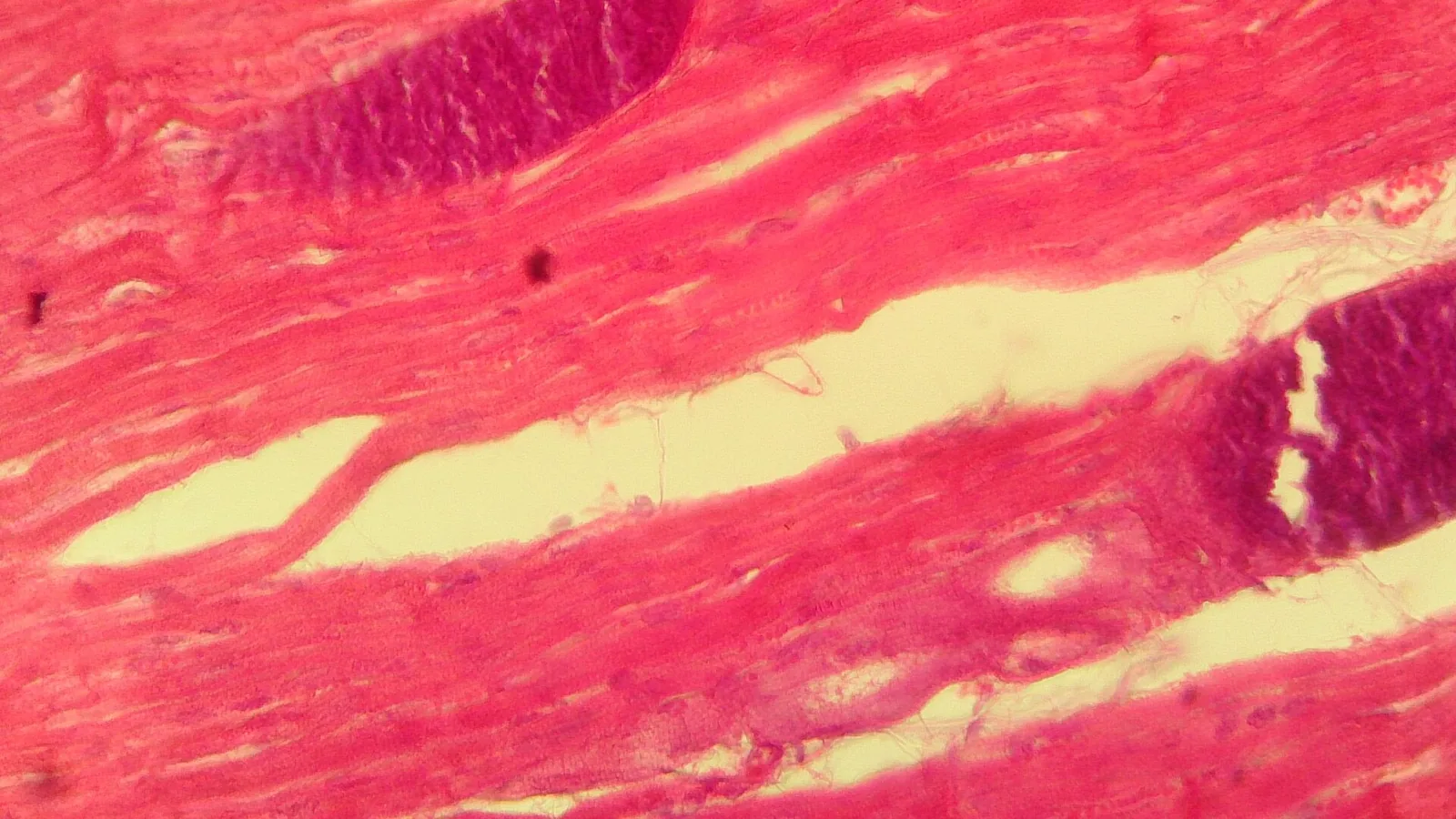
Key Takeaways
- Major helminthic pathogens in sheep include nematodes (Haemonchus contortus, Teladorsagia circumcincta), trematodes (Fasciola hepatica, Dicrocoelium dendriticum), and cestodes (Moniezia spp.). H. contortus causes anemia and hypoproteinemia through blood-feeding, while F. hepatica leads to hepatic necrosis and fibrosis.
- Transmission is heavily influenced by environmental factors (temperature, moisture) and grazing management, with the periparturient rise in ewes being a significant source of pasture contamination for lambs. Nematodirus battus exhibits synchronized larval emergence in spring, and D. dendriticum requires terrestrial snails and ants as intermediate hosts.
- Diagnosis integrates clinical signs (anemia, diarrhea, weight loss), fecal egg counts (FEC) using McMaster or FLOTAC, coproculture for larval identification, and serological markers like serum pepsinogen. Molecular diagnostics (PCR, qPCR) offer enhanced sensitivity for species identification.
- Anthelmintic resistance is a critical threat, necessitating integrated parasite management (IPM) strategies. These include targeted selective treatment (TST) based on FAMACHA scoring for haemonchosis, strategic grazing, and genetic selection for parasite resistance.
- Treatment options include benzimidazoles, macrocyclic lactones, and imidazothiazoles, but resistance necessitates careful drug rotation and monitoring via fecal egg count reduction tests (FECRT). Triclabendazole is effective against F. hepatica, while closantel and oxyclozanide target immature Paramphistomum.
- Emerging control strategies include vaccine development targeting specific parasite antigens and biological control agents like nematophagous fungi, aiming to reduce reliance on chemical anthelmintics.
Etiology and Classification of Major Helminths
Parasitic worms (helminths) of sheep are taxonomically diverse and include nematodes (roundworms), trematodes (flukes), and cestodes (tapeworms) [<a href="#ref-1">1</a>, <a href="#ref-2">2</a>, <a href="#ref-3">3</a>]. The most clinically and economically significant group is the order Strongylida, encompassing abomasal and intestinal nematodes such as Haemonchus contortus, Teladorsagia circumcincta, Trichostrongylus species, and Nematodirus battus [<a href="#ref-4">4</a>, <a href="#ref-5">5</a>]. H. contortus, the barber pole worm, is a blood-feeding nematode of the abomasum that causes anemia and hypoproteinemia in small ruminants worldwide [<a href="#ref-5">5</a>]. Other major nematodes include Cooperia curticei (small intestine) and Oesophagostomum species (large intestine), the latter causing nodular lesions [<a href="#ref-6">6</a>].
Trematode infections are dominated by Fasciola hepatica (liver fluke), Dicrocoelium dendriticum (lancet fluke), and Paramphistomum species (rumen fluke) [<a href="#ref-7">7</a>, <a href="#ref-8">8</a>]. F. hepatica causes fasciolosis, a disease characterized by hepatic necrosis, cholangitis, and fibrosis [<a href="#ref-9">9</a>]. D. dendriticum inhabits the bile ducts and is associated with a chronic, often subclinical, hepatitis [<a href="#ref-7">7</a>, <a href="#ref-10">10</a>]. Acute paramphistomosis, caused by the massive migration of immature Paramphistomum flukes through the small intestinal wall, has been reported as a cause of profuse watery diarrhea and rapid death in sheep [<a href="#ref-8">8</a>].
Cestode infections in sheep are primarily caused by Moniezia species (M. expansa, M. benedeni), Avitellina centripunctata, and Stilesia hepatica [<a href="#ref-11">11</a>]. These tapeworms reside in the small intestine or bile ducts, with Moniezia species transmitted via oribatid mite intermediate hosts [<a href="#ref-11">11</a>]. Avitellina lahorea has been molecularly characterized in sheep and goats in India.
Epidemiology and Parasite Transmission
The epidemiology of parasitic helminths in sheep is governed by climatic factors, grazing management, host immunity, and parasite biology [<a href="#ref-2">2</a>, <a href="#ref-12">12</a>, <a href="#ref-13">13</a>]. Pasture contamination with infective larvae (L3 for most trichostrongylids) occurs when eggs shed in feces develop to the infective stage under suitable temperature and moisture conditions [<a href="#ref-4">4</a>, <a href="#ref-14">14</a>]. H. contortus thrives in warm, moist environments, with larval establishment rates averaging 24% in naive hosts, though this rate decreases with host age and prior exposure [<a href="#ref-4">4</a>]. The periparturient rise in fecal egg counts (FEC) in ewes is a major source of pasture contamination for lambs [<a href="#ref-1">1</a>].
Nematodirus battus has a unique epidemiology: eggs require a period of cold conditioning followed by spring warming to hatch, leading to synchronized mass emergence of larvae, often before lambs have developed significant immunity. Teladorsagia circumcincta is prevalent in temperate regions and can undergo hypobiosis (arrested larval development) in the abomasal mucosa, allowing survival over winter [<a href="#ref-13">13</a>]. D. dendriticum requires two intermediate hosts: terrestrial snails (first) and ants (second), making its transmission dependent on ant populations [<a href="#ref-7">7</a>, <a href="#ref-10">10</a>]. F. hepatica requires lymnaeid snails as the intermediate host, with outbreaks linked to wet summers and autumns [<a href="#ref-9">9</a>]. Acute paramphistomosis has been documented in the UK, with heavy rainfall and flooding facilitating snail intermediate host proliferation [<a href="#ref-8">8</a>].
Coinfections with multiple helminth species are common [<a href="#ref-15">15</a>]. A study in Deccani sheep documented concurrent endo- and ectoparasitic infections, highlighting the complex parasitic burden in grazing flocks [<a href="#ref-15">15</a>]. Prevalence surveys in Brazil and Pakistan have reported high variability in H. contortus burdens, with FECs in naive lambs reaching over 6,000 eggs per gram (epg) and worm burdens exceeding 2,800 adult worms per animal in some seasons. Molecular studies have revealed substantial genetic diversity within H. contortus populations, with multiple haplotypes present within single geographic regions, complicating the development of uniform control strategies.
The worms sheep get vary by region and management system. In the tropics and subtropics, H. contortus is the dominant pathogen, while in temperate zones, Teladorsagia and Trichostrongylus species predominate [<a href="#ref-5">5</a>, <a href="#ref-13">13</a>]. Cooperia curticei is a common small-intestinal nematode in grazing sheep, often occurring with other species. The classification of Trichostrongylus vitrinus location during development shows that this species invades the small intestinal mucosa, causing villous atrophy and catarrhal enteritis.
Clinical Signs and Pathogenesis
Clinical manifestations of helminthiasis in sheep depend on the parasite species, burden, host age, and nutritional status [<a href="#ref-1">1</a>, <a href="#ref-16">16</a>]. Haemonchosis presents as progressive anemia, pale mucous membranes, submandibular edema (bottle jaw), weakness, and anorexia [<a href="#ref-5">5</a>, <a href="#ref-6">6</a>]. The blood-feeding activity of adult H. contortus causes an estimated blood loss of 0.05 to 0.2 mL per worm per day, leading to hypoproteinemia and iron deficiency [<a href="#ref-5">5</a>]. Hyperacute deaths in lambs can occur due to massive blood loss before visible signs develop. Teladorsagia circumcincta and Trichostrongylus species cause protein-losing enteropathy with inappetence, weight loss, and diarrhea [<a href="#ref-17">17</a>]. Diarrhea associated with gastrointestinal parasites is multifactorial, involving both direct mucosal damage from worm feeding and the host inflammatory response.
Acute fasciolosis results in sudden death or severe depression due to hepatic necrosis and hemorrhage from migrating juvenile flukes [<a href="#ref-9">9</a>]. Chronic fasciolosis is characterized by weight loss, anemia, hypoalbuminemia, and submandibular edema [<a href="#ref-9">9</a>]. D. dendriticum infections produce a predominantly T-lymphocyte (CD3+) dominated hepatic inflammatory response, with fibrosis and bile duct hyperplasia correlating positively with worm burden, while leukocyte infiltration shows a negative correlation [<a href="#ref-7">7</a>, <a href="#ref-10">10</a>]. A study of D. dendriticum in Naemi sheep described enlarged, darkened livers with thickened bile ducts and periportal fibrosis [<a href="#ref-10">10</a>].
Acute paramphistomosis is distinct; it is caused by the migration of thousands of immature flukes through the duodenal and jejunal mucosa, provoking a severe, profuse watery diarrhea that can be rapidly fatal in lambs and ewes [<a href="#ref-8">8</a>]. Cestode infections, particularly heavy Moniezia burdens, can cause unthriftiness, occasional diarrhea, and intestinal obstruction in lambs, though many infections are subclinical [<a href="#ref-11">11</a>].
The pathogenesis of parasitic diarrhea, termed larval hypersensitivity scouring, involves an exaggerated type I hypersensitivity reaction to ingested trichostrongylid larvae in previously sensitized animals, even when adult worm burdens are low. This syndrome highlights the role of host immunity in the clinical expression of parasitism. Oesophagostomum species cause nodular lesions in the intestinal wall, which can rupture and cause peritonitis [<a href="#ref-6">6</a>].
Diagnosis
Diagnosis of parasitic worms in sheep relies on a combination of clinical history, signalment, and laboratory methods [<a href="#ref-18">18</a>]. Fecal egg count (FEC) using the modified McMaster technique is the cornerstone of quantitative diagnosis [<a href="#ref-4">4</a>, <a href="#ref-7">7</a>]. FEC is expressed as eggs per gram of feces and provides an estimate of adult female worm fecundity [<a href="#ref-4">4</a>]. However, FEC correlates variably with total worm burden, particularly in mixed infections; a meta-analysis found an average FEC at necropsy of 908.5 epg for H. contortus, but with high inter-study variability [<a href="#ref-4">4</a>]. Coproculture is used to differentiate trichostrongylid larvae (L3) by morphological features, allowing species-level identification [<a href="#ref-17">17</a>].
For trematode diagnosis, sedimentation techniques are more sensitive than flotation for detecting Fasciola and Paramphistomum eggs, which are large and operculated [<a href="#ref-8">8</a>]. The FLOTAC and Mini-FLOTAC techniques have shown higher sensitivity for low-intensity infections in sheep. In acute paramphistomosis, FEC may be negative because immature flukes have not yet reached patency; diagnosis depends on postmortem examination demonstrating vast numbers of small, pinkish, migrating flukes in the small intestinal wall [<a href="#ref-8">8</a>]. Standard worm washes of the abomasum and small intestine are essential for definitive necropsy diagnosis [<a href="#ref-18">18</a>].
Biochemical markers, such as elevated liver enzymes (GGT, GLDH) and pepsinogen levels, support the diagnosis of hepatic and abomasal parasitism, respectively [<a href="#ref-7">7</a>]. Serum pepsinogen levels rise in ostertagiosis (Teladorsagiosis) due to abomasal mucosal disruption and increased pH, allowing pepsinogen leakage from chief cells. Hypoalbuminemia and anemia (decreased packed cell volume, PCV) are characteristic of haemonchosis [<a href="#ref-5">5</a>].
Molecular diagnostics offer enhanced sensitivity and specificity. PCR-based methods, including conventional PCR and quantitative PCR (qPCR), can detect and quantify helminth DNA from fecal samples or adult worms [<a href="#ref-11">11</a>]. The ITS-2 region of ribosomal DNA and the mitochondrial nad4 gene are commonly used for species identification and population genetic studies in H. contortus. A study of Moniezia species using the cox1 gene revealed four distinct genetic variants in sheep from Saudi Arabia [<a href="#ref-11">11</a>]. Molecular characterization of Avitellina lahorea has also been achieved using ribosomal and mitochondrial markers. Metagenomic sequencing approaches can detect mixed helminth infections without prior species bias.
Postmortem examination is critical for definitive diagnosis. Adult H. contortus are readily visible in the abomasum due to their characteristic barber pole (red and white striped) appearance [<a href="#ref-5">5</a>]. D. dendriticum adults are small (5-15 mm) and found in the bile ducts, often accompanied by cholangitis and fibrosis [<a href="#ref-10">10</a>]. The nodular lesions of Oesophagostomum are palpable and visible on the serosal surface of the large intestine [<a href="#ref-6">6</a>]. Histopathological examination of liver and intestinal tissue reveals species-specific pathology, including fibrosis, bile duct hyperplasia, and inflammatory cell infiltrates [<a href="#ref-7">7</a>, <a href="#ref-10">10</a>].
Treatment
Anthelmintic therapy remains the primary treatment for helminth infections in sheep [<a href="#ref-5">5</a>, <a href="#ref-6">6</a>]. The major chemical classes include benzimidazoles (e.g., fenbendazole, albendazole), macrocyclic lactones (e.g., ivermectin, moxidectin), and imidazothiazoles (e.g., levamisole) [<a href="#ref-19">19</a>]. Benzimidazoles bind to beta-tubulin, inhibiting microtubule polymerization and impairing glucose uptake in the parasite [<a href="#ref-6">6</a>, <a href="#ref-19">19</a>]. Macrocyclic lactones potentiate glutamate-gated chloride channels, causing hyperpolarization and paralysis of nematodes and arthropods [<a href="#ref-19">19</a>]. The physiological site of action for macrocyclic lactones has been localized to the pharyngeal and somatic musculature of trichostrongylid nematodes [<a href="#ref-19">19</a>].
Fenbendazole at a higher dose rate (22 mg/kg) has been shown to achieve complete shedding of Oesophagostomum eggs in Nellore Brown sheep, though the practice may select for resistance if used repeatedly [<a href="#ref-6">6</a>]. Treatment of acute paramphistomosis must address the immature flukes; closantel and oxyclozanide are effective against Paramphistomum species, but benzimidazoles are not reliably efficacious against migrating juveniles [<a href="#ref-8">8</a>]. For chronic fasciolosis, triclabendazole is effective against all stages of F. hepatica, but resistance is an increasing concern [<a href="#ref-9">9</a>].
The widespread emergence of anthelmintic resistance (AR) is an existential threat to sheep health management [<a href="#ref-5">5</a>]. Resistance to benzimidazoles is mediated by mutations in the beta-tubulin isotype 1 gene at codon 200 (Phe-to-Tyr). Resistance to macrocyclic lactones is polygenic and involves changes in P-glycoprotein efflux pumps and glutamate-gated chloride channel subunits [<a href="#ref-19">19</a>]. The lack of association between resistance to multiple drug classes suggests that resistance evolves independently for each compound. A proof-of-concept study demonstrated that targeting resident bacteria within H. contortus using antibiotics (tetracycline, ampicillin-gentamicin combinations) could cause larval mortality, suggesting a novel, albeit experimental, therapeutic avenue.
Vaccination is a developing alternative strategy. A vaccine cocktail of four antigens (KTSPIDP, VGHC1, CRTA, and CAL) derived from newly excysted juveniles of F. hepatica induced a strong IgG1 response in sheep but did not reduce fluke burden or egg output, although liver pathology was significantly reduced [<a href="#ref-9">9</a>]. For H. contortus, native antigens such as H11 (a microsomal aminopeptidase) and H-gal-GP (a galactose-containing glycoprotein complex) have shown partial efficacy in vaccine trials, but recombinant versions have struggled to replicate this protection, likely due to improper glycosylation [<a href="#ref-5">5</a>]. Modulation of the eosinophil response via IL-5 vaccination in H. contortus infected sheep confirmed that eosinophils are critical effectors against adult worms, with reduced eosinophil levels leading to higher worm burdens and longer, more fecund female worms [<a href="#ref-20">20</a>].
Control Strategies
Integrated parasite management (IPM) seeks to reduce reliance on anthelmintics through a combination of grazing management, targeted selective treatment (TST), genetic selection, and biological control [<a href="#ref-5">5</a>, <a href="#ref-12">12</a>]. Grazing strategies such as resting pastures, rotational grazing with cattle (which are less susceptible to some sheep nematodes), and alternate grazing with other livestock species can reduce the density of infective larvae on pasture [<a href="#ref-21">21</a>]. Cross-transmission between cattle and sheep is possible for some species (e.g., Trichostrongylus axei) but not all, making mixed grazing a viable tool for certain parasite control goals [<a href="#ref-21">21</a>].
FAMACHA scoring is a practical TST tool for haemonchosis, where individual animals are assessed for anemia based on ocular mucous membrane color, and only anemic animals are treated [<a href="#ref-5">5</a>]. This approach preserves anthelmintic-susceptible worms in refugia (unselected parasite populations on pasture), slowing the development of AR. Breeding for resistance to gastrointestinal nematodes is an effective long-term strategy; worm-resistant sheep show lower FECs and higher PCV under challenge [<a href="#ref-4">4</a>, <a href="#ref-20">20</a>]. However, resistant animals may exhibit an increased propensity for larval hypersensitivity scouring, so dag (breech soiling) score is considered a separate trait from FEC in breeding programs.
The introduction of Spirulina platensis extract has demonstrated in vitro anthelmintic activity against Moniezia species, causing morphological damage to the scolex and tegument, suggesting a possible future role for natural products in control programs [<a href="#ref-11">11</a>]. However, no in vivo trials have confirmed this effect.
Biological control using nematophagous fungi (e.g., Duddingtonia flagrans) that trap and kill larvae in feces has been investigated but has not achieved widespread commercial adoption. Management of the snail intermediate hosts for F. hepatica and D. dendriticum through drainage and the use of molluscicides can reduce fluke transmission, though these measures are often impractical at scale.
Strategic anthelmintic treatments timed to coincide with periods of high parasite transmission (e.g., pre-lambing, weaning) can reduce pasture contamination. The detection of AR through fecal egg count reduction tests (FECRT) is essential for monitoring drug efficacy and guiding product selection [<a href="#ref-5">5</a>]. The use of combination anthelmintics (two or more drugs from different classes) can delay the onset of resistance, provided the parasite population is not already resistant to any of the components.
The following Mermaid diagram summarizes the diagnostic and management decision pathway for parasitic worms in sheep.
flowchart TD
 A["Flock with clinical signs: diarrhea, anemia, weight loss"] --> B{"Collect fecal samples"}
 B --> C["Perform FEC via McMaster or FLOTAC"]
 C --> D{"FEC > threshold?"}
 D -->|"No"| E["Assess non-parasitic causes: nutrition, bacteria, viruses"]
 D -->|"Yes"| F["Perform coproculture or PCR for species ID"]
 F --> G{"Identify dominant species"}
 G -->|"Haemonchus"| H["FAMACHA score; treat anemic sheep with efficacious anthelmintic"]
 G -->|"Trichostrongylus/Teladorsagia"| I["Treat with benzimidazole or levamisole; monitor FECRT"]
 G -->|"Fasciola/Paramphistomum"| J["Treat with flukicide; assess snail habitat"]
 H & I & J --> K["Implement IPM: grazing rotation, TST, genetic selection"]
 K --> L["Monitor FEC and clinical signs regularly"]
 L --> M{"Resistance suspected?"}
 M -->|"Yes"| N["Perform FECRT; switch drug class if resistance confirmed"]
 M -->|"No"| O["Continue IPM; maintain refugia"]
 N --> O
Conclusions
Parasitic worms in sheep represent a complex and dynamic challenge to sustainable livestock production. The diversity of nematodes, trematodes, and cestodes requires species-specific diagnostic approaches and tailored management plans. The increasing prevalence of anthelmintic resistance demands a paradigm shift away from blanket treatment toward evidence-based, integrated control programs. Advances in molecular diagnostics, immunopathology, and vaccine development offer hope for more sustainable control, but continued research into host-parasite interactions at the molecular and population level is essential.
Related Clinical & Scientific Guides
- Tick-Borne Diseases in Dogs: Pathogens, Clinical Signs, Diagnosis, and Prevention
- Toxoplasmosis in Cats and the Risk of Brain Infection in Humans
- Dog Heartworm and Tick-Borne Disease Prevention