Coenurus cerebralis in Sheep: Gid or Sturdy, Taenia multiceps Larval Cestode Infection, and Nervous Signs
By Dr. Zubair Khalid, DVM, MS, PhD ·
Key Takeaways
- Coenurus cerebralis, the larval stage of Taenia multiceps, causes gid or sturdy in sheep, a significant parasitic neurological disease resulting from cyst development within the central nervous system.
- Infection occurs via ingestion of embryonated eggs shed by canid definitive hosts, with oncospheres migrating to the CNS to develop into fluid-filled cysts causing mechanical compression and inflammation.
- Clinical signs are neurological, including circling, head pressing, ataxia, and altered behavior, with diagnosis supported by CSF analysis showing elevated protein and pleocytosis, and definitive confirmation via advanced imaging (CT/MRI) or postmortem examination.
- Molecular diagnostics, particularly PCR targeting mitochondrial genes like CO1 and NADH1, are crucial for accurate identification and epidemiological studies, differentiating T. multiceps from other coenurus-forming cestodes.
- Treatment is challenging due to limited drug penetration into the CNS; surgical intervention is the most reliable option for individual animals, while herd-level control focuses on deworming definitive hosts and preventing environmental contamination.
- Promising vaccine development using recombinant oncosphere antigens has demonstrated significant reduction in cyst burden in experimental models, indicating potential for future prophylactic strategies.
Introduction
Coenurus cerebralis is the metacestode (larval) stage of the tapeworm Taenia multiceps (syn. Multiceps multiceps), which causes a neurological disease in sheep known colloquially as gid or sturdy [<a href="#ref-1">1</a>, <a href="#ref-2">2</a>]. This condition represents one of the most important parasitic neurological disorders of small ruminants globally, with significant economic impact due to mortality, reduced productivity, and carcass condemnation at slaughter [<a href="#ref-3">3</a>, <a href="#ref-4">4</a>]. The disease results from the development of a fluid-filled, unilocular or multilocular cyst (coenurus) within the central nervous system, most commonly in the cerebrum, leading to progressive and often fatal neurological signs [<a href="#ref-5">5</a>, <a href="#ref-6">6</a>].
Etiology and Life Cycle
Taenia multiceps is a cyclophyllidean cestode belonging to the family Taeniidae [<a href="#ref-2">2</a>, <a href="#ref-7">7</a>]. The definitive hosts are canids, primarily domestic dogs and wild canids such as foxes and wolves, which harbor the adult tapeworm in the small intestine [<a href="#ref-2">2</a>, <a href="#ref-8">8</a>]. Gravid proglottids or free eggs are shed in the feces of infected canids [<a href="#ref-2">2</a>]. Sheep become infected upon ingestion of embryonated eggs containing a hexacanth oncosphere [<a href="#ref-2">2</a>, <a href="#ref-9">9</a>].
Once ingested, the oncosphere penetrates the intestinal wall and enters the bloodstream, preferentially migrating to the central nervous system (CNS) [<a href="#ref-2">2</a>, <a href="#ref-5">5</a>]. Within the brain or spinal cord, the oncosphere develops into a coenurus over a period of 2 to 8 months [<a href="#ref-5">5</a>, <a href="#ref-6">6</a>]. The coenurus is a translucent, fluid-filled cyst containing multiple protoscolices attached to the inner germinal layer [<a href="#ref-1">1</a>, <a href="#ref-6">6</a>]. The presence of the growing cyst causes mechanical compression, inflammation, and necrosis of adjacent neural tissue, which gives rise to the characteristic clinical signs [<a href="#ref-1">1</a>, <a href="#ref-6">6</a>]. When a definitive host ingests the brain or spinal cord of an infected sheep, protoscolices evaginate and attach to the intestinal mucosa, developing into adult tapeworms, thus completing the life cycle [<a href="#ref-2">2</a>, <a href="#ref-10">10</a>].
Clinical Signs and Pathogenesis
Nervous Signs
The clinical presentation of cerebral coenurosis is primarily neurological and reflects the location and size of the intracranial cyst [<a href="#ref-4">4</a>, <a href="#ref-5">5</a>, <a href="#ref-11">11</a>]. The most frequently observed signs include:
- Circling (giddiness) toward the side of the lesion [<a href="#ref-4">4</a>, <a href="#ref-6">6</a>].
- Head pressing against objects [<a href="#ref-4">4</a>].
- Ataxia, incoordination, and stumbling [<a href="#ref-6">6</a>].
- Partial or complete blindness, often contralateral to the cyst [<a href="#ref-4">4</a>].
- Changed behavior including depression, dullness, or aggression [<a href="#ref-4">4</a>].
- Recumbency and seizure activity in advanced cases [<a href="#ref-6">6</a>].
Clinical progression is typically chronic, with signs developing over weeks to months as the cyst enlarges and intracranial pressure increases [<a href="#ref-4">4</a>, <a href="#ref-6">6</a>]. Acute presentations with rapid neurological deterioration have also been reported [<a href="#ref-4">4</a>].
Pathophysiology
Cysts can range from 2 to 10 cm in diameter and most frequently occupy one cerebral hemisphere, often the parietal or frontal lobe [<a href="#ref-1">1</a>, <a href="#ref-5">5</a>]. Less commonly, cysts may be located in the brainstem, cerebellum, or cervical spinal cord [<a href="#ref-5">5</a>, <a href="#ref-11">11</a>]. Rare cases of non-cerebral coenurosis in sheep and goats, involving subcutaneous or muscular tissues, have been documented but are less common than the cerebral form [<a href="#ref-5">5</a>, <a href="#ref-12">12</a>, <a href="#ref-13">13</a>, <a href="#ref-14">14</a>, <a href="#ref-15">15</a>].
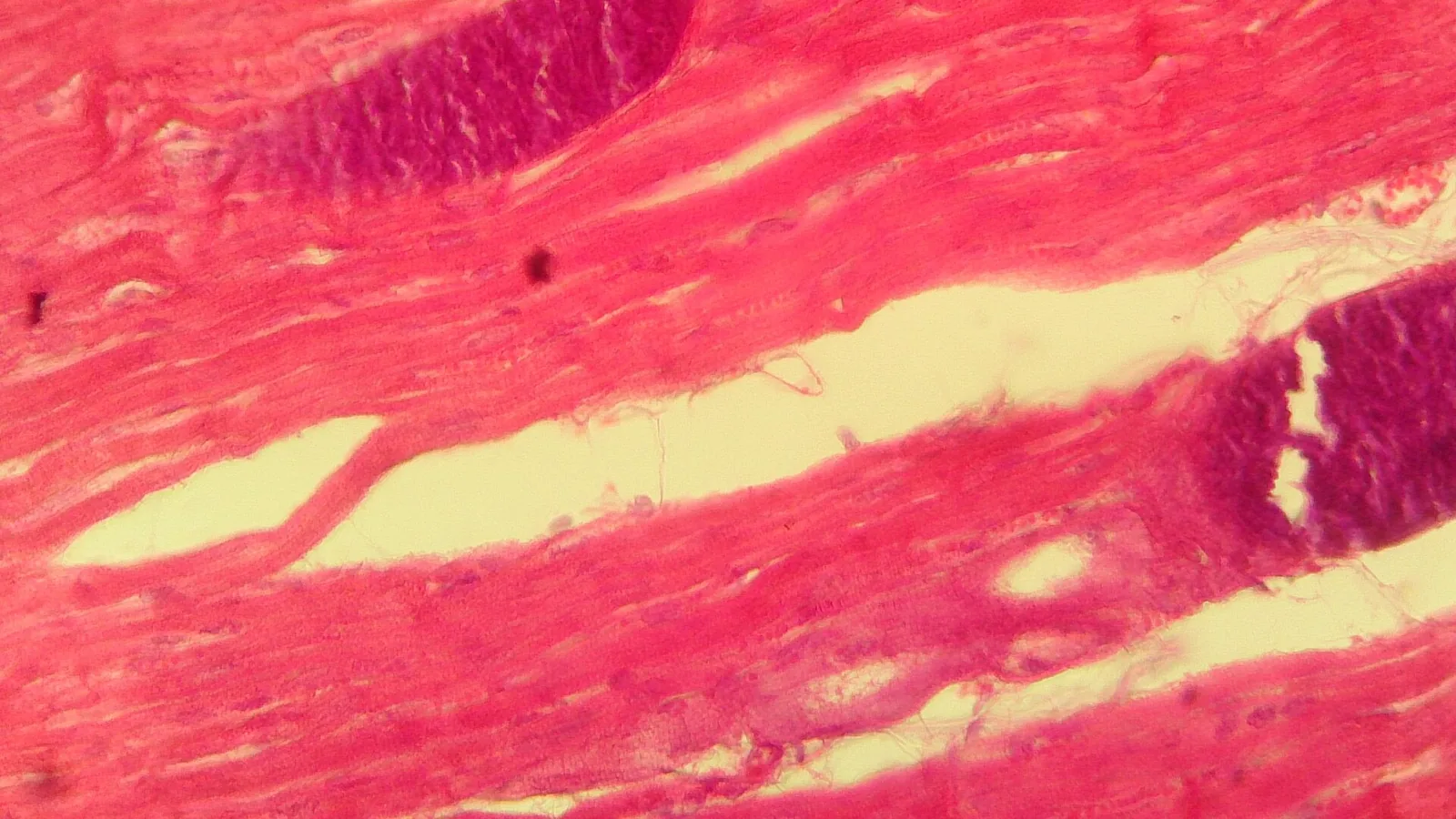
Histopathological examination reveals a space-occupying lesion with compression of adjacent neuropil, perilesional edema, gliosis, and infiltration of mononuclear inflammatory cells (lymphocytes, plasma cells, macrophages, and eosinophils) [<a href="#ref-1">1</a>, <a href="#ref-6">6</a>]. Attia et al. [<a href="#ref-1">1</a>] demonstrated increased levels of pro-inflammatory cytokines (interleukin-1 beta, tumor necrosis factor-alpha) and anti-inflammatory cytokines (interleukin-10) in the cerebrospinal fluid (CSF) of affected sheep, confirming a robust local immune response. The germinal membrane of the cyst is lined by protoscolices and contains scattered calcareous corpuscles [<a href="#ref-6">6</a>]. Degenerating cysts incite a more intense granulomatous reaction [<a href="#ref-6">6</a>].
Diagnosis
Antemortem diagnosis relies on a combination of clinical examination, CSF analysis, and advanced imaging modalities. Postmortem confirmation is achieved at necropsy or slaughter with histopathological and molecular characterization [<a href="#ref-1">1</a>, <a href="#ref-4">4</a>].
Clinical and Cerebrospinal Fluid Analysis
The presence of typical neurological signs in a sheep from a flock with known coenurosis history is highly suggestive [<a href="#ref-4">4</a>]. CSF analysis often reveals elevated total protein concentration and nucleated cell count, with a mixed pleocytosis consisting of lymphocytes, eosinophils, and occasionally neutrophils [<a href="#ref-1">1</a>, <a href="#ref-16">16</a>]. Zobba et al. [<a href="#ref-16">16</a>] described CSF findings in 24 sheep with chronic coenurosis, noting significantly increased protein levels (mean 0.78 g/L) compared to healthy controls. However, these findings are not pathognomonic and require differentiation from other causes of ovine neurological disease [<a href="#ref-4">4</a>].
Imaging
Cranial radiography may reveal thinning of the skull or localized periosteal reaction over the site of a large cyst [<a href="#ref-4">4</a>]. Ultrasonography through the intact fontanelles or over craniotomy defects can visualize the cyst in some cases [<a href="#ref-4">4</a>]. Computed tomography (CT) and magnetic resonance imaging (MRI) provide definitive antemortem diagnosis by revealing a well-defined, fluid-filled, spherical lesion with contrast-enhancing capsule and varying degrees of perilesional edema [<a href="#ref-4">4</a>, <a href="#ref-17">17</a>].
Molecular Diagnostics
Molecular identification and genotyping of T. multiceps using mitochondrial (e.g., cytochrome c oxidase subunit 1, CO1; NADH dehydrogenase subunit 1, NADH1; 12S ribosomal RNA) and nuclear markers (e.g., enolase, lactate dehydrogenase) are now standard for confirmatory diagnosis and epidemiological studies [<a href="#ref-9">9</a>, <a href="#ref-12">12</a>, <a href="#ref-14">14</a>, <a href="#ref-15">15</a>, <a href="#ref-18">18</a>, <a href="#ref-19">19</a>, <a href="#ref-20">20</a>]. These methods are crucial for differentiating T. multiceps from other coenurus-forming cestodes such as T. serialis or T. gaigeri [<a href="#ref-14">14</a>, <a href="#ref-15">15</a>, <a href="#ref-19">19</a>, <a href="#ref-21">21</a>].
Celik et al. [<a href="#ref-18">18</a>] demonstrated high genetic variability among T. multiceps isolates from sheep in Turkey using CO1 and NADH1 sequences, identifying multiple haplotypes. Similarly, Rostami et al. [<a href="#ref-20">20</a>] used CO1 and 12S rRNA to characterize Iranian isolates. Amrabadi et al. [<a href="#ref-12">12</a>] compared cerebral and non-cerebral coenurosis using glycolytic enzyme (enolase) and mitochondrial markers, providing evidence for potential strain variation associated with tissue tropism.
Differential Diagnosis
The differential diagnosis for ovine neurological disease presenting with circling and head pressing includes:
| Condition | Etiology | Key Differentiating Features |
|---|---|---|
| Coenurosis (Gid) | Taenia multiceps | Chronic progressive signs, CSF inflammation, imaging shows cyst |
| Listeriosis | Listeria monocytogenes | Acute onset, unilateral facial paralysis, fever, silage feeding history |
| Enterotoxemia (Pulpy Kidney) | Clostridium perfringens Type D | Acute seizures, opisthotonos, glycosuria, peracute death |
| Cerebrocortical Necrosis (Polioencephalomalacia) | Thiamine deficiency | Acute blindness, head pressing, response to thiamine therapy |
| Brain Abscess | Trueperella pyogenes etc. | Focal signs, fever, neutrophilia, imaging shows abscess with ring enhancement |
The distinction between gid and Listeria monocytogenes infection (circling disease) is particularly important; listeriosis typically presents with rapid onset, fever, and unilateral cranial nerve deficits, whereas gid is chronic and afebrile [<a href="#ref-4">4</a>].
Molecular Epidemiology and Genetic Diversity
Substantial genetic variation exists among T. multiceps isolates from different geographical regions and between cerebral and non-cerebral locations [<a href="#ref-12">12</a>, <a href="#ref-13">13</a>, <a href="#ref-14">14</a>, <a href="#ref-15">15</a>, <a href="#ref-18">18</a>, <a href="#ref-19">19</a>, <a href="#ref-20">20</a>]. Analysis of mitochondrial CO1 and NADH1 sequences has revealed multiple haplotypes across the Middle East, Africa, Europe, and Asia [<a href="#ref-9">9</a>, <a href="#ref-18">18</a>, <a href="#ref-20">20</a>]. This diversity has implications for diagnostic assay design and vaccine development.
Li et al. [<a href="#ref-7">7</a>] provided the first draft genome of T. multiceps, revealing 11,989 predicted protein-coding genes and providing insights into parasite biology and potential drug targets. Transcriptomic studies by Wu et al. [<a href="#ref-22">22</a>] further elucidated gene expression patterns in the adult and larval stages. Heat-shock proteins (HSPs) [<a href="#ref-23">23</a>] and glycolytic enzymes such as lactate dehydrogenase [<a href="#ref-24">24</a>] and enolase [<a href="#ref-12">12</a>] have been characterized as potential vaccine candidates or diagnostic markers.
Treatment and Control
Medical Therapy
Treatment of clinical coenurosis with anthelmintics remains challenging because the blood-brain barrier limits drug penetration into the cyst [<a href="#ref-4">4</a>]. Verster and Tustin [<a href="#ref-25">25</a>] reported that praziquantel at high doses (50 mg/kg for 5 days) reduced cyst viability in some experimentally infected sheep but did not consistently eliminate established cysts. Surgical intervention (trephination and cyst aspiration or craniotomy) is the only reliable treatment for valuable individual animals with accessible cerebral cysts [<a href="#ref-4">4</a>].
Surgical Intervention
The standard surgical approach involves locating the cyst via clinical signs (circling direction) and imaging, then creating a burr hole over the cranium to aspirate the cyst fluid and remove the germinal membrane [<a href="#ref-4">4</a>]. Success rates are moderate, with the best outcomes achieved when cysts are in the frontal or parietal lobes and not deeply seated [<a href="#ref-4">4</a>]. Perioperative anti-inflammatory and antibiotic therapy are recommended [<a href="#ref-4">4</a>].
Vaccination
Considerable progress has been made toward vaccination against T. multiceps infection in sheep. Verster and Tustin [<a href="#ref-26">26</a>, <a href="#ref-27">27</a>] demonstrated that immunization with oncosphere extracts induced partial protection against experimental challenge. Gauci et al. [<a href="#ref-28">28</a>] showed that vaccination with recombinant oncosphere antigens (45W, 18kD, and 8kD families) significantly reduced susceptibility to T. multiceps infection, achieving 80-90% reduction in cyst numbers in a sheep challenge model. Varcasia et al. [<a href="#ref-29">29</a>] conducted a preliminary field trial in Sardinia using an oncosphere antigen vaccine and observed a 72% reduction in natural infection incidence. These findings indicate that a commercial vaccine for ovine coenurosis is feasible.
Herd-Level Control
Effective control requires breaking the parasite life cycle. Key measures include:
- Regular deworming of farm dogs with praziquantel (5 mg/kg) at 6-8 week intervals [<a href="#ref-2">2</a>].
- Preventing dogs from accessing sheep carcasses and raw brain tissue [<a href="#ref-2">2</a>].
- Prompt removal and disposal of infected carcasses by rendering or incineration [<a href="#ref-2">2</a>].
- Pasture rotation and hygiene to reduce egg contamination [<a href="#ref-4">4</a>].
- Quarantine and treatment of newly introduced dogs [<a href="#ref-2">2</a>].
Public Health Considerations
Coenurosis is a rare zoonosis, with fewer than 100 human cases reported globally, most caused by T. multiceps or T. serialis [<a href="#ref-17">17</a>, <a href="#ref-30">30</a>, <a href="#ref-31">31</a>, <a href="#ref-32">32</a>, <a href="#ref-33">33</a>, <a href="#ref-34">34</a>, <a href="#ref-35">35</a>]. Human infection occurs through accidental ingestion of cestode eggs, with larvae typically developing in the CNS, subcutaneous tissue, or eye [<a href="#ref-17">17</a>, <a href="#ref-30">30</a>, <a href="#ref-34">34</a>]. The vast majority of infections occur in livestock-rearing regions where sheep and dogs coexist [<a href="#ref-2">2</a>, <a href="#ref-3">3</a>]. However, per the scope of this reference, detailed human clinical discussion is omitted.
Diagnostic Workflow
The following Mermaid diagram illustrates the recommended diagnostic approach for a suspect coenurosis case in sheep:
flowchart TD
 A["Sheep with neurological signs: circling, head pressing, ataxia"] --> B{"Clinical history & physical exam"}
 B --> C["Routine CSF analysis"]
 C --> D{"Elevated protein & pleocytosis?"}
 D -- Yes --> E["Advanced imaging: CT/MRI"]
 D -- No --> F["Consider other differentials: listeriosis, polio, abscess"]
 E --> G{"Cystic structure consistent with Coenurus?"}
 G -- Yes --> H["Antemortem diagnosis: coenurosis"]
 G -- No --> I["Further workup for alternative etiology"]
 H --> J["Consider surgical treatment or euthanasia"]
 J --> K["Postmortem confirmation: necropsy, histopathology, molecular testing"]
 K --> L["PCR for CO1, NADH1, 12S rRNA"]
 L --> M["Genetic characterization & haplotype assignment"]