Parasitic Infections in Poultry: Helminths and Protozoa in Meat and Eggs
By Dr. Zubair Khalid, DVM, MS, PhD ·
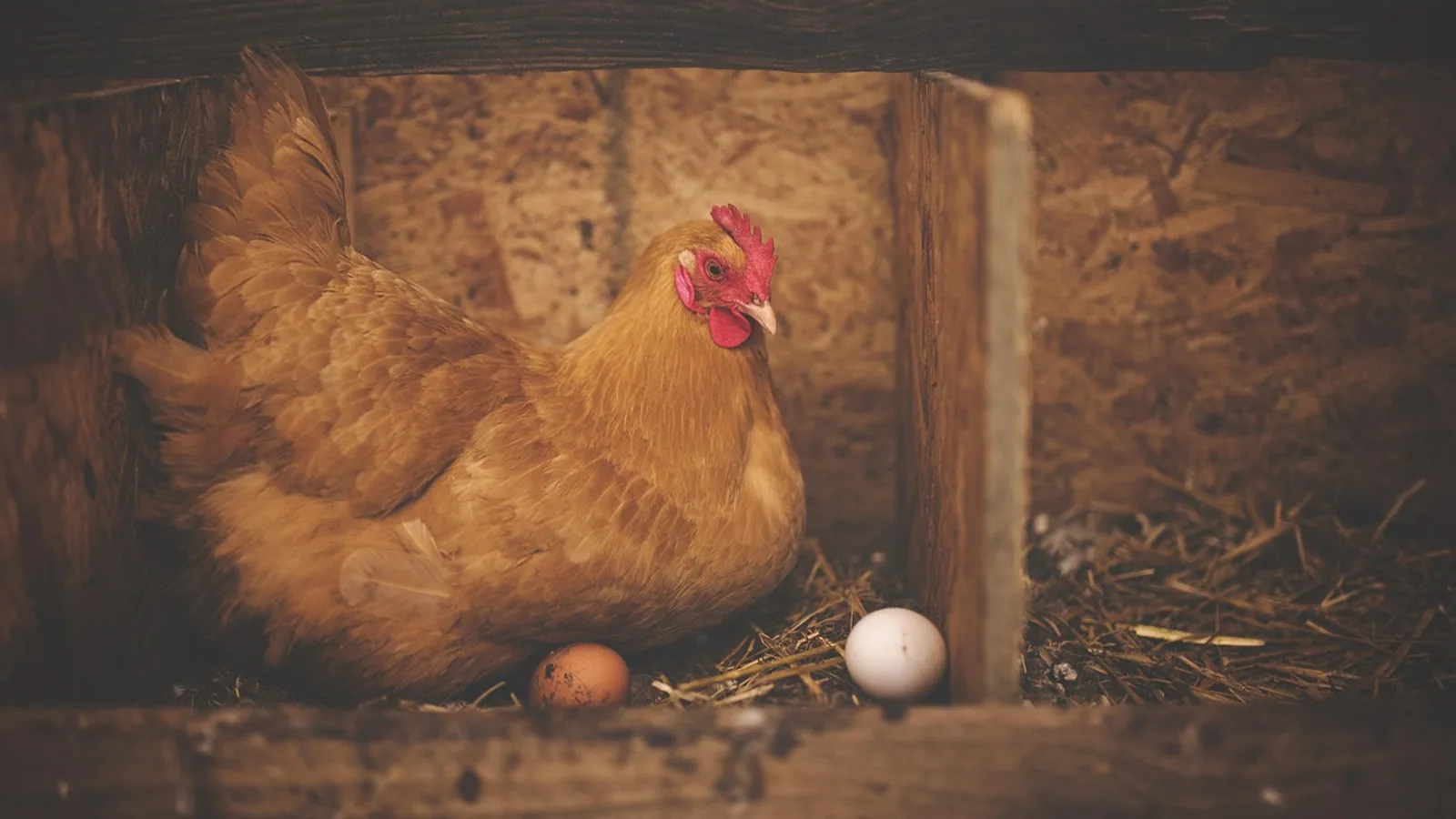
Key Takeaways
- Poultry endoparasites, primarily helminths (nematodes, cestodes, trematodes) and protozoa (coccidia, Histomonas, Cryptosporidium), cause significant economic losses through reduced productivity and mortality.
- Transmission predominantly occurs via the fecal-oral route, with helminth eggs requiring environmental sporulation and protozoan oocysts exhibiting varied infectivity and resistance.
- Key diagnostic methods include fecal flotation for egg/oocyst detection, necropsy for gross pathology, histopathology for tissue-stage identification, and molecular techniques like PCR for species-specific confirmation.
- Coccidiosis (Eimeria spp.) is the most economically significant protozoan disease, characterized by intestinal lesions and diarrhea, while Histomonas meleagridis causes severe cecal and liver pathology in turkeys.
- Contamination of meat and eggs is primarily through fecal shedding, with Toxoplasma gondii being a notable zoonotic risk in undercooked poultry meat; proper cooking to 74°C eliminates parasitic viability.
- Integrated control strategies involve biosecurity, strategic anthelmintic/anticoccidial use (e.g., benzimidazoles, ionophores, chemical coccidiostats), and vaccination against coccidiosis.
Parasitic infections in commercial poultry flocks cause substantial economic losses through reduced growth rates, decreased egg production, feed conversion inefficiency, and mortality [<a href="#ref-1">1</a>]. Helminths and protozoa are the two major endoparasite groups affecting gastrointestinal, respiratory, and reproductive tissues. Contamination of poultry meat and eggs with parasitic stages poses both product quality concerns and, for a limited subset of agents, zoonotic risks. This article reviews the etiology, epidemiology, clinical signs, pathology, diagnostics, treatment, and control of helminth and protozoan infections in chickens, turkeys, and other galliform poultry, with specific attention to chicken parasites in eggs and chicken parasites in meat.
Etiology and Classification
Poultry endoparasites are taxonomically divided into helminths (nematodes, cestodes, trematodes) and protozoa (apicomplexans, flagellates, amoebae) [<a href="#ref-1">1</a>, <a href="#ref-2">2</a>].
Helminths
Nematodes (roundworms): The most common species include Ascaridia galli (large roundworm), Heterakis gallinarum (cecal worm), Capillaria spp. (hairworms), and Syngamus trachea (gapeworm) [<a href="#ref-1">1</a>, <a href="#ref-3">3</a>]. Ascaridia galli resides in the small intestine, while Heterakis gallinarum inhabits the ceca [<a href="#ref-1">1</a>, <a href="#ref-2">2</a>]. Capillaria species affect the crop, esophagus, or intestine [<a href="#ref-3">3</a>]. Syngamus trachea attaches to the tracheal mucosa, causing gaping respiration [<a href="#ref-4">4</a>].
Cestodes (tapeworms): Raillietina spp. (e.g., R. cesticillus, R. tetragona) and Choanotaenia infundibulum are the most prevalent cestodes in poultry [<a href="#ref-1">1</a>, <a href="#ref-5">5</a>]. They require intermediate hosts such as beetles, ants, or houseflies [<a href="#ref-5">5</a>].
Trematodes (flukes): Echinostoma spp. and Prosthogonimus spp. are occasional parasites. Prosthogonimus infects the oviduct and can cause egg abnormalities [<a href="#ref-1">1</a>, <a href="#ref-6">6</a>].
Protozoa
Coccidia: Eimeria species are obligate intracellular apicomplexans that infect intestinal epithelial cells [<a href="#ref-7">7</a>]. Nine recognized species infect chickens, with E. tenella, E. necatrix, E. acervulina, E. maxima, and E. brunetti being the most pathogenic [<a href="#ref-7">7</a>, <a href="#ref-8">8</a>]. Eimeria infections cause coccidiosis, the most economically significant parasitic disease in poultry [<a href="#ref-8">8</a>].
Histomonas meleagridis: A flagellated protozoan that causes histomoniasis (blackhead disease) in turkeys and, less commonly, chickens [<a href="#ref-9">9</a>]. It is transmitted within Heterakis gallinarum eggs and by free-living cecal nematode larvae [<a href="#ref-9">9</a>, <a href="#ref-10">10</a>].
Cryptosporidium: Cryptosporidium baileyi and C. meleagridis infect the respiratory tract, bursa of Fabricius, and intestinal epithelium [<a href="#ref-11">11</a>]. Cryptosporidium meleagridis has zoonotic potential [<a href="#ref-11">11</a>].
Other protozoa: Trichomonas gallinae (avian trichomoniasis), Leucocytozoon spp., Plasmodium gallinaceum (avian malaria), and Toxoplasma gondii (rare in poultry, but tissue cysts can persist in meat) [<a href="#ref-2">2</a>, <a href="#ref-12">12</a>].
Epidemiology and Transmission
Transmission dynamics differ between helminths and protozoa but generally follow a fecal-oral cycle [<a href="#ref-1">1</a>, <a href="#ref-2">2</a>]. Helminth eggs are shed in feces and become infective after embryonation in the environment [<a href="#ref-1">1</a>]. Earthworms can serve as transport hosts for Ascaridia galli eggs [<a href="#ref-1">1</a>, <a href="#ref-13">13</a>]. Heterakis gallinarum eggs remain viable for years in soil and can carry Histomonas meleagridis [<a href="#ref-9">9</a>, <a href="#ref-10">10</a>].
Coccidia sporulate under appropriate temperature and humidity; sporulated oocysts are highly resistant to disinfectants [<a href="#ref-7">7</a>, <a href="#ref-8">8</a>]. Cryptosporidium oocysts are immediately infectious upon excretion [<a href="#ref-11">11</a>]. Flies, beetles, and other arthropods act as mechanical vectors for both helminth eggs and protozoan oocysts [<a href="#ref-5">5</a>, <a href="#ref-14">14</a>].
Clinical Signs and Pathology
Clinical manifestations depend on parasite burden, host age, nutritional status, and concurrent infections [<a href="#ref-1">1</a>, <a href="#ref-2">2</a>]. Subclinical infections are common in adult flocks, while clinical disease is more frequent in young birds [<a href="#ref-7">7</a>].
Helminth Infections
Ascaridia galli: Heavy infections cause intestinal obstruction, reduced feed conversion, diarrhea, and decreased egg production [<a href="#ref-1">1</a>, <a href="#ref-13">13</a>]. Gross pathology reveals thickened intestinal mucosa, petechiae, and catarrhal enteritis [<a href="#ref-1">1</a>, <a href="#ref-15">15</a>]. Histology shows villous atrophy and eosinophilic infiltration [<a href="#ref-15">15</a>].
Heterakis gallinarum: Usually nonpathogenic in small numbers, but is a vector for Histomonas meleagridis [<a href="#ref-9">9</a>, <a href="#ref-10">10</a>]. Heavy burdens can cause cecal typhlitis [<a href="#ref-1">1</a>].
Capillaria spp.: Infections of the crop and esophagus lead to thickened mucosa, diphtheritic membranes, and anorexia [<a href="#ref-3">3</a>, <a href="#ref-16">16</a>]. Intestinal Capillaria cause hemorrhagic enteritis [<a href="#ref-16">16</a>].
Syngamus trachea: Larvae migrate to the trachea, causing tracheitis, coughing, and gaping (open-mouthed breathing) [<a href="#ref-4">4</a>]. Death from asphyxiation occurs in severe cases [<a href="#ref-4">4</a>].
Cestodes: Large numbers cause intestinal obstruction, weight loss, and diarrhea [<a href="#ref-5">5</a>]. The scolex attachment sites show nodular lesions [<a href="#ref-1">1</a>].
Trematodes: Prosthogonimus infection of the oviduct causes egg peritonitis, misshapen eggs, and reduced lay [<a href="#ref-6">6</a>].
Protozoan Infections
Coccidiosis: Acute cecal coccidiosis (E. tenella) produces bloody diarrhea, high mortality, and cecal cores (clotted blood and necrotic debris) [<a href="#ref-7">7</a>, <a href="#ref-8">8</a>]. E. necatrix causes intestinal distension and hemorrhagic foci [<a href="#ref-7">7</a>]. E. acervulina presents with whitish duodenal plaques and mild diarrhea [<a href="#ref-7">7</a>]. E. maxima causes catarrhal enteritis with orange-tinged mucus [<a href="#ref-7">7</a>]. E. brunetti leads to necrotic enteritis of the lower intestine [<a href="#ref-7">7</a>].
Histomoniasis: Turkeys develop characteristic sulfur-yellow droppings, depression, and cyanosis of the head (blackhead) [<a href="#ref-9">9</a>]. Pathology shows concentric necrotic foci in the liver and severe cecal ulceration with caseous cores [<a href="#ref-9">9</a>, <a href="#ref-10">10</a>]. Chickens are more resistant, often showing only cecal lesions [<a href="#ref-9">9</a>].
Cryptosporidiosis: Respiratory form presents with coughing, dyspnea, and airsacculitis [<a href="#ref-11">11</a>]. Intestinal form causes diarrhea and poor growth [<a href="#ref-11">11</a>]. Microscopy reveals endogenous stages on the brush border of epithelial cells [<a href="#ref-11">11</a>].
Trichomoniasis: Trichomonas gallinae causes caseous necrotic lesions in the mouth, pharynx, and crop (avian trichomoniasis) [<a href="#ref-12">12</a>].
Chicken Parasites in Eggs
Parasitic contamination of table eggs occurs via two main routes: transovarial transmission (inside the egg) and fecal contamination of the shell [<a href="#ref-1">1</a>, <a href="#ref-17">17</a>]. Among helminths, Prosthogonimus flukes can be found within developing eggs, leading to misshapen or discolored eggs [<a href="#ref-6">6</a>]. Nematode larvae (e.g., Ascaridia galli) occasionally migrate into the oviduct and become incorporated into the egg contents [<a href="#ref-1">1</a>, <a href="#ref-13">13</a>]. However, the most common egg-associated parasites are protozoan. Cryptosporidium baileyi has been isolated from egg contents, though its significance for food safety is unclear [<a href="#ref-11">11</a>]. Toxoplasma gondii tissue cysts do not occur within eggs unless the reproductive tract is infected, which is rare in poultry [<a href="#ref-2">2</a>]. Fecal contamination of shells with coccidial oocysts or helminth eggs is a biosecurity and grading issue but generally does not lead to internal contamination unless shells are cracked [<a href="#ref-17">17</a>]. Proper washing and candling reduce external contamination [<a href="#ref-17">17</a>].
Chicken Parasites in Meat
Poultry meat (muscle tissue) is not a typical site for helminth or protozoan stages of most poultry-specific parasites [<a href="#ref-1">1</a>, <a href="#ref-2">2</a>]. Ascaridia galli larvae are occasionally found in the intestinal wall but rarely invade skeletal muscle [<a href="#ref-1">1</a>, <a href="#ref-13">13</a>]. Heterakis gallinarum is confined to the cecal lumen [<a href="#ref-1">1</a>]. Cestode cysticerci (larval stages) do not develop in poultry meat because poultry are definitive hosts, not intermediate hosts, for the common tapeworms [<a href="#ref-5">5</a>]. However, Toxoplasma gondii can form tissue cysts in the muscles and organs of infected chickens [<a href="#ref-12">12</a>]. Cryptosporidium meleagridis endogenous stages are found in epithelial cells only, not in muscle [<a href="#ref-11">11</a>]. Meat contamination during processing (fecal spillage) can introduce helminth eggs or coccidial oocysts onto carcass surfaces [<a href="#ref-14">14</a>, <a href="#ref-17">17</a>]. Effective evisceration techniques and postmortem inspection reduce this risk [<a href="#ref-17">17</a>].
Diagnostic Approaches
Accurate diagnosis relies on a combination of clinical observation, necropsy, and laboratory methods [<a href="#ref-1">1</a>, <a href="#ref-2">2</a>].
Fecal Examination
Qualitative flotation (using saturated sodium chloride or zinc sulfate) is the standard for detecting helminth eggs and coccidial oocysts [<a href="#ref-1">1</a>, <a href="#ref-18">18</a>]. Quantitative methods (McMaster counting chamber) determine egg or oocyst per gram (OPG) counts [<a href="#ref-18">18</a>]. Centrifugal flotation improves sensitivity for low-burden infections [<a href="#ref-18">18</a>].
Necropsy and Gross Pathology
Direct examination of intestinal contents and mucosal scrapings reveals adult helminths, cestode segments, and coccidial lesions [<a href="#ref-1">1</a>]. Wet mounts of fresh cecal or tracheal scrapings can show motile trophozoites of Histomonas or Trichomonas [<a href="#ref-9">9</a>, <a href="#ref-12">12</a>]. Lesion scoring (e.g., Johnson and Reid method for coccidiosis) provides severity assessment [<a href="#ref-7">7</a>].
Histopathology
Formalin-fixed, paraffin-embedded tissues stained with hematoxylin and eosin allow visualization of endogenous parasite stages (schizonts, gametocytes, villous atrophy) [<a href="#ref-7">7</a>, <a href="#ref-11">11</a>]. Special stains (Giemsa, modified acid-fast for Cryptosporidium) aid species identification [<a href="#ref-11">11</a>].
Molecular Diagnostics
PCR and quantitative PCR (qPCR) assays are available for species-specific detection of Eimeria, Histomonas meleagridis, Cryptosporidium, and Ascaridia galli [<a href="#ref-13">13</a>, <a href="#ref-19">19</a>, <a href="#ref-20">20</a>]. Multiplex PCR panels can differentiate multiple species from a single fecal sample [<a href="#ref-19">19</a>]. High-throughput sequencing (metabarcoding) enables comprehensive parasite community profiling [<a href="#ref-20">20</a>].
Serology
ELISA-based antibody detection is used primarily for flock-level surveillance of Eimeria exposure and for Toxoplasma gondii screening [<a href="#ref-7">7</a>, <a href="#ref-12">12</a>]. Serology is less useful for individual diagnosis due to persistent antibody titers [<a href="#ref-7">7</a>].
flowchart TD
 A["Clinical signs or routine monitoring"] --> B{"Collect samples"}
 B --> C["Fresh feces"]
 B --> D["Necropsy tissue"]
 C --> E["Fecal flotation / McMaster count"]
 E --> F["Eggs/oocysts detected?"]
 F -->|"Yes"| G["Identify morphology: helminth eggs vs coccidial oocysts"]
 F -->|"No"| H["Consider alternative diagnosis or low burden"]
 G --> I["PCR for species confirmation if needed"]
 D --> J["Gross lesion scoring and mucosal scrapings"]
 J --> K["Histopathology +/- special stains"]
 K --> L["PCR on tissue for specific protozoa"]
 I --> M["Treatment and control decision"]
 L --> M
Treatment and Control
Integrated parasite management combines strategic anthelmintic and anticoccidial use, biosecurity, environmental hygiene, and vaccination where available [<a href="#ref-1">1</a>, <a href="#ref-7">7</a>, <a href="#ref-17">17</a>].
Anthelmintics
Benzimidazoles: Fenbendazole (feed additive) and flubendazole are effective against Ascaridia, Heterakis, and Capillaria [<a href="#ref-1">1</a>, <a href="#ref-13">13</a>]. Resistance has been reported in some nematode populations [<a href="#ref-13">13</a>].
Macrocyclic lactones: Ivermectin and doramectin are used off-label in poultry; efficacy against Ascaridia is variable [<a href="#ref-1">1</a>, <a href="#ref-21">21</a>].
Piperazine: Effective against adult Ascaridia but not against larval stages or other nematodes [<a href="#ref-1">1</a>].
Praziquantel: The drug of choice for cestodes; administered in feed [<a href="#ref-1">1</a>, <a href="#ref-5">5</a>].
Trematocides: Not routinely used; infected flocks are culled [<a href="#ref-6">6</a>].
Antiprotozoals
Anticoccidials: Ionophores (monensin, salinomycin, lasalocid) and chemical coccidiostats (diclazuril, toltrazuril) are fed prophylactically in starter rations [<a href="#ref-7">7</a>, <a href="#ref-8">8</a>]. Resistance to ionophores is widespread [<a href="#ref-8">8</a>]. Shuttle programs (rotating between ionophores and chemicals) are common [<a href="#ref-8">8</a>].
Histomoniasis: No approved treatments in many countries; nitarsone was banned due to arsenic concerns [<a href="#ref-9">9</a>]. Prevention relies on controlling Heterakis and avoiding co-mingling of turkeys with chickens [<a href="#ref-9">9</a>].
Cryptosporidiosis: Supportive care; paromomycin and halofuginone are used experimentally but not licensed in poultry [<a href="#ref-11">11</a>].
Trichomoniasis: Metronidazole or ronidazole administered in water [<a href="#ref-12">12</a>].
Vaccination
Live attenuated Eimeria vaccines (e.g., Coccivac, Paracox) are administered to day-old chicks via spray or drinking water to establish controlled immunity [<a href="#ref-7">7</a>, <a href="#ref-22">22</a>]. Vaccination is a key component of coccidiosis control in breeder and layer flocks where drug resistance is problematic [<a href="#ref-22">22</a>].
Biosecurity and Management
All-in/all-out production systems, thorough cleaning and disinfection between flocks, and litter management reduce environmental parasite loads [<a href="#ref-1">1</a>, <a href="#ref-17">17</a>]. Oocysts and helminth eggs are resistant to many disinfectants; formaldehyde or high-temperature composting is required [<a href="#ref-1">1</a>, <a href="#ref-8">8</a>]. Control of intermediate hosts (beetles, flies) through insecticide application and screen netting reduces cestode and Heterakis transmission [<a href="#ref-5">5</a>, <a href="#ref-14">14</a>]. Providing clean feed and water eliminates fecal contamination sources [<a href="#ref-17">17</a>].
Monitoring and Surveillance
Regular fecal egg counts (monthly) and lesion scoring at slaughter help guide treatment timing [<a href="#ref-1">1</a>, <a href="#ref-7">7</a>]. Antimicrobial sensitivity testing for Eimeria isolates (using anticoccidial sensitivity tests) informs drug rotation decisions [<a href="#ref-8">8</a>].
Food Safety Implications
Most helminth and protozoan parasites specific to poultry are not transmissible to humans through consumption of properly cooked meat or eggs [<a href="#ref-2">2</a>, <a href="#ref-17">17</a>]. Toxoplasma gondii is the notable exception, as tissue cysts in undercooked poultry meat can cause toxoplasmosis in humans [<a href="#ref-12">12</a>]. Cryptosporidium meleagridis is potentially zoonotic, though documented cases from poultry are rare [<a href="#ref-11">11</a>]. Ascaridia galli eggs and coccidial oocysts are not human pathogens [<a href="#ref-1">1</a>]. Cooking poultry meat to an internal temperature of 74 degrees C kills all parasitic stages [<a href="#ref-17">17</a>]. Thorough cooking of eggs to firm yolk and white eliminates viability of any potential parasites [<a href="#ref-17">17</a>]. The primary food safety concern associated with chicken parasites in meat and chicken parasites in eggs is therefore aesthetic and regulatory, rather than a consistent public health risk [<a href="#ref-17">17</a>]. Nevertheless, post-processing contamination (fecal spillage) can introduce organisms that, while not causing parasitic infection, indicate poor hygiene and potential bacterial pathogen presence [<a href="#ref-17">17</a>].
Conclusion
Helminth and protozoan infections remain significant constraints to poultry health and productivity worldwide. The most economically important infections are coccidiosis (caused by Eimeria spp.), ascaridiosis (Ascaridia galli), and histomoniasis (Histomonas meleagridis). Parasitic contamination of poultry meat and eggs is largely a fecal hygiene issue, with the exception of Toxoplasma gondii. Integrated control, including biosecurity, strategic chemotherapy, vaccination, and monitoring, is essential to maintain flock health and product safety. For related information, refer to the companion articles on Parasitic Infections in Chickens, Poultry Coccidiosis, and Poultry Parasites in Meat and Eggs: Food Safety and Public Health Concerns.