Parasites in Poultry Meat and Eggs: A Comprehensive Guide
By Dr. Zubair Khalid, DVM, MS, PhD ·
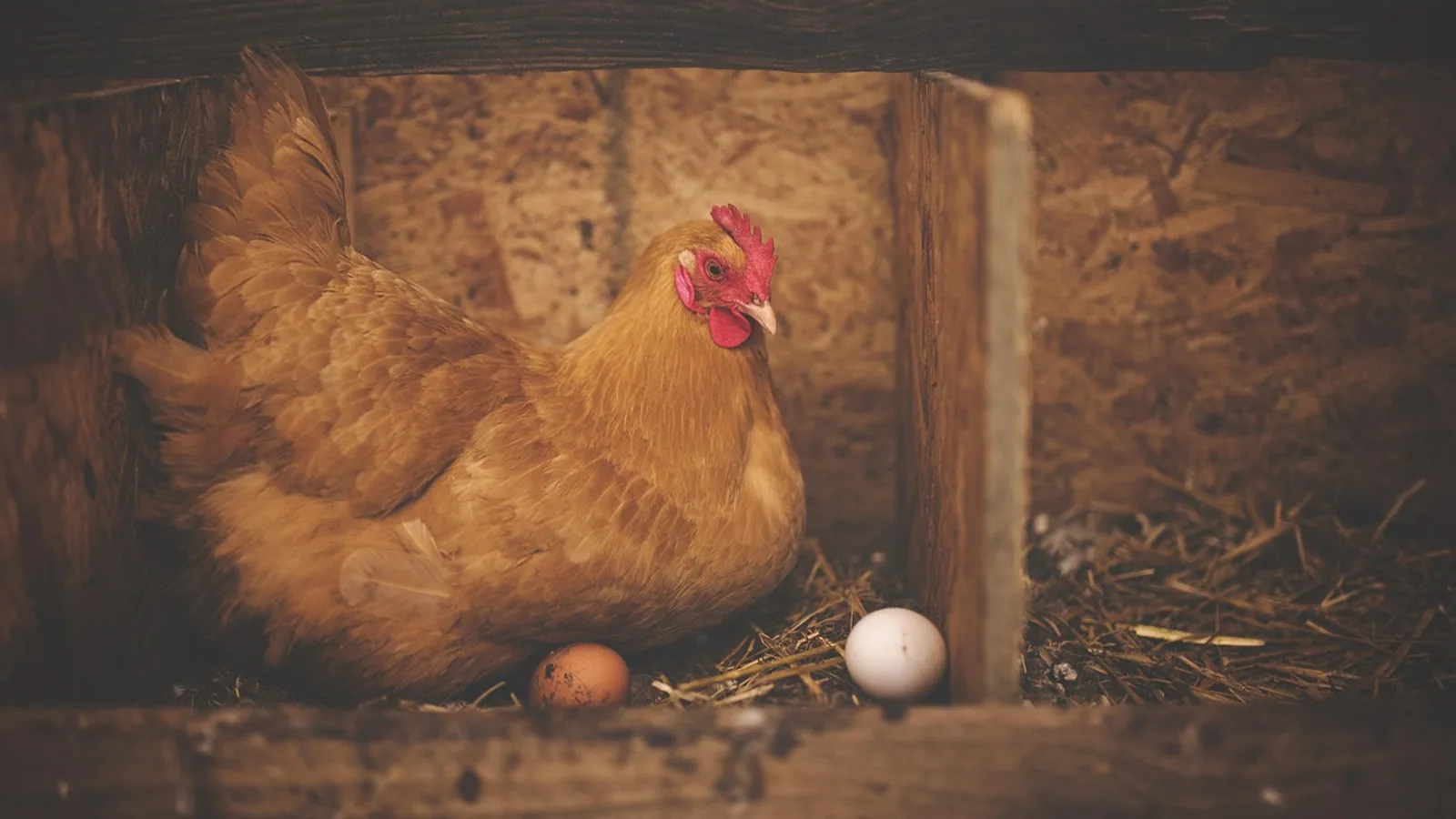
Key Takeaways
- Poultry meat and eggs can be contaminated with endoparasites (e.g., Ascaridia galli larvae in muscle, Raillietina proglottids) and ectoparasites (e.g., Dermanyssus gallinae debris on eggshells).
- Diagnostic approaches include fecal flotation for helminth eggs, microscopy for protozoa, and molecular methods like multiplex PCR for precise species identification of nematodes and cestodes.
- Toxocara species larvae can persist in chicken muscle tissue, posing a potential zoonotic risk if meat is undercooked, while Neospora caninum DNA has been detected in both meat and eggs.
- Dermanyssus gallinae infestations in laying hens lead to egg contamination with mite feces and blood, impacting food quality and potentially acting as a vector for pathogens.
- Control strategies involve strict biosecurity, effective litter management to reduce oocyst and egg loads, and targeted anthelmintic or acaricide treatments, with novel systemic options like fluralaner showing efficacy.
1. Introduction and Scope
Parasitic infections in poultry represent a significant concern for veterinary medicine, affecting both bird health and the safety of derived products such as meat and eggs. The presence of parasites in poultry meat and eggs is a multifaceted issue involving endoparasites (nematodes, cestodes, and protozoa) and ectoparasites (mites and ticks) that can directly or indirectly contaminate these products [<a href="#ref-1">1</a>, <a href="#ref-2">2</a>]. This article provides a comprehensive, publication-grade reference on the etiology, epidemiology, clinical pathology, diagnostics, treatment, and control of parasites relevant to poultry meat and egg production. The focus is strictly on veterinary and food safety aspects, excluding human clinical trials unless direct host-range parallels are drawn.
The term "chicken parasites in meat" refers to the detection of parasitic stages (larvae, cysts, or ova) within muscle tissue or the contamination of carcasses during processing. Similarly, "chicken parasites in eggs" encompasses the presence of parasites within the egg contents or on the eggshell surface. These contamination routes are critical for understanding the transmission dynamics of parasites from poultry to the food chain [<a href="#ref-3">3</a>, <a href="#ref-4">4</a>].
2. Etiological Classification of Poultry Parasites
Parasites affecting poultry can be broadly classified into helminths (nematodes, cestodes, trematodes), protozoa, and arthropods (ectoparasites). Each group has distinct mechanisms of interaction with the host and the potential to contaminate meat and eggs.
2.1 Helminths
Nematodes: The most prevalent nematodes in poultry include Ascaridia galli, Heterakis gallinarum, and Capillaria spp. [<a href="#ref-4">4</a>, <a href="#ref-5">5</a>]. A. galli is a large roundworm that resides in the small intestine. Its larvae can undergo tissue migration, potentially entering the intestinal wall and, in heavy infections, being found in the liver or muscle tissue [<a href="#ref-4">4</a>, <a href="#ref-6">6</a>]. H. gallinarum is a cecal worm that is a primary vector for Histomonas meleagridis [<a href="#ref-7">7</a>]. Toxocara species, though primarily parasites of mammals, have been documented in chickens, with larvae persisting in muscle tissue [<a href="#ref-8">8</a>, <a href="#ref-9">9</a>, <a href="#ref-10">10</a>]. The presence of Toxocara larvae in chicken meat is a documented phenomenon, with studies showing that Toxocara cati larvae can retain high infectivity in experimentally infected chickens [<a href="#ref-10">10</a>]. This represents a direct pathway for chicken parasites in meat.
Cestodes: Tapeworms of the genus Raillietina are common in free-range poultry. These cestodes attach to the intestinal mucosa using scolex hooks. Proglottids are shed in feces and can contaminate eggs and meat during processing [<a href="#ref-5">5</a>, <a href="#ref-11">11</a>].
Trematodes: Although less common, trematodes such as Echinostoma spp. can infect poultry that ingest infected intermediate hosts (snails). These flukes reside in the intestinal tract and can be detected in fecal samples [<a href="#ref-4">4</a>].
2.2 Protozoa
Coccidia: Eimeria species are obligate intracellular parasites of the intestinal epithelium. They are host-specific and cause coccidiosis, a disease characterized by enteritis, diarrhea, and reduced growth [<a href="#ref-1">1</a>, <a href="#ref-12">12</a>]. While Eimeria oocysts are primarily shed in feces, they can contaminate eggshells in litter-based systems [<a href="#ref-1">1</a>].
Histomonas meleagridis: This flagellate protozoan causes histomonosis (blackhead disease) in turkeys and, less frequently, in chickens. It is transmitted via H. gallinarum eggs and can cause severe liver and cecal pathology [<a href="#ref-7">7</a>].
Blastocystis: This is a common intestinal protozoan found in poultry. It has been identified in commercial quails and turkeys, and its role in disease is still under investigation [<a href="#ref-13">13</a>, <a href="#ref-14">14</a>].
Neospora caninum: This apicomplexan parasite is primarily associated with cattle but has been detected in chicken meat and eggs using molecular methods [<a href="#ref-3">3</a>]. This finding is significant as it demonstrates a potential for chicken parasites in eggs and meat to be of zoonotic concern.
Toxoplasma gondii: While T. gondii is a major zoonotic pathogen, its prevalence in poultry is variable. Studies have shown that free-range chickens can be exposed to T. gondii through contaminated soil or feed [<a href="#ref-15">15</a>].
Haemosporidia: Avian haemosporidians, including Plasmodium and Leucocytozoon, are vector-borne parasites that infect red blood cells. They are transmitted by mosquitoes and blackflies, respectively [<a href="#ref-16">16</a>]. These parasites can cause anemia and reduced egg production.
2.3 Ectoparasites
Dermanyssus gallinae (Poultry Red Mite): This is a hematophagous mite that feeds on the blood of birds at night. It is a major pest in layer facilities, causing anemia, reduced egg production, and dermatitis [<a href="#ref-17">17</a>, <a href="#ref-18">18</a>, <a href="#ref-19">19</a>, <a href="#ref-20">20</a>]. The mite can also act as a vector for pathogens such as Salmonella and E. coli [<a href="#ref-18">18</a>]. Its presence in egg-laying facilities directly contributes to the contamination of eggs with mite debris and feces.
Ornithonyssus sylviarum (Northern Fowl Mite): This mite is a permanent ectoparasite that lives on the bird's feathers and skin. It causes irritation, feather loss, and can lead to anemia in heavy infestations [<a href="#ref-20">20</a>].
Knemidocoptes mutans (Scaly Leg Mite): This mite burrows into the skin of the legs, causing hyperkeratosis and deformation. It is a common parasite in older birds [<a href="#ref-20">20</a>].
Argas persicus (Fowl Tick): This soft tick is a blood-feeding parasite that can transmit Borrelia anserina (avian spirochetosis) [<a href="#ref-20">20</a>].
3. Epidemiology and Transmission Dynamics
The epidemiology of parasites in poultry is heavily influenced by management systems. Free-range and backyard flocks have a higher prevalence of helminths and coccidia compared to intensively housed birds [<a href="#ref-2">2</a>, <a href="#ref-12">12</a>, <a href="#ref-21">21</a>, <a href="#ref-22">22</a>]. This is due to direct access to contaminated soil, intermediate hosts (earthworms, beetles), and fecal material [<a href="#ref-4">4</a>, <a href="#ref-5">5</a>].
3.1 Prevalence in Meat and Eggs
The detection of parasites in poultry meat and eggs is a function of the parasite's life cycle and the processing methods.
Nematodes in Meat: Ascaridia galli larvae can be found in the intestinal wall and, in cases of heavy infection, may migrate to the liver or muscle tissue [<a href="#ref-4">4</a>, <a href="#ref-6">6</a>]. The presence of Toxocara spp. larvae in chicken muscle has been confirmed in multiple studies, with Toxocara cati larvae showing high persistence and infectivity [<a href="#ref-8">8</a>, <a href="#ref-9">9</a>, <a href="#ref-10">10</a>]. This is a critical pathway for chicken parasites in meat.
Protozoa in Eggs: Neospora caninum DNA has been detected in both chicken meat and eggs using PCR, indicating a potential for vertical transmission or contamination during processing [<a href="#ref-3">3</a>]. Toxoplasma gondii can be present in the tissues of infected birds, and consumption of undercooked meat is a known risk factor for human infection [<a href="#ref-15">15</a>].
Ectoparasites in Eggs: Dermanyssus gallinae infestations lead to the contamination of eggs with mite feces, blood spots, and dead mites. This can cause egg discoloration and consumer rejection [<a href="#ref-17">17</a>, <a href="#ref-19">19</a>, <a href="#ref-23">23</a>]. The presence of D. gallinae in egg-laying facilities is a direct source of chicken parasites in eggs.
3.2 Risk Factors
Key risk factors for parasite contamination in poultry products include:
- Housing System: Free-range systems have higher exposure to soil-borne parasites [<a href="#ref-2">2</a>, <a href="#ref-21">21</a>].
- Litter Management: Poor litter management increases the load of coccidia oocysts and helminth eggs [<a href="#ref-12">12</a>].
- Biosecurity: Inadequate biosecurity allows for the introduction of ectoparasites via fomites or wild birds [<a href="#ref-7">7</a>].
- Nutrition: Poor nutrition can lead to immunosuppression, increasing susceptibility to parasites [<a href="#ref-6">6</a>].
4. Clinical Signs and Pathology
The clinical presentation of parasitic infections in poultry varies depending on the parasite species and the intensity of infection.
4.1 Helminth Infections
Ascaridia galli: Heavy infections cause weight loss, diarrhea, and reduced egg production. Pathologically, there is catarrhal enteritis with the presence of large worms in the intestinal lumen [<a href="#ref-4">4</a>, <a href="#ref-6">6</a>]. The liver may show focal necrosis due to larval migration [<a href="#ref-6">6</a>].
Heterakis gallinarum: This cecal worm is often subclinical but is a critical vector for H. meleagridis. The pathology involves cecal inflammation and the presence of worms in the cecal pouches [<a href="#ref-7">7</a>, <a href="#ref-24">24</a>].
Raillietina spp.: These tapeworms cause enteritis and can lead to intestinal obstruction in heavy infections. The presence of proglottids in feces is a diagnostic sign [<a href="#ref-11">11</a>].
4.2 Protozoan Infections
Eimeria spp.: Coccidiosis is characterized by bloody or mucoid diarrhea. The pathology involves destruction of the intestinal epithelium, leading to malabsorption and dehydration [<a href="#ref-1">1</a>, <a href="#ref-12">12</a>].
Histomonas meleagridis: This causes characteristic "blackhead" lesions: circular, necrotic foci in the liver and a thickened, caseous cecal core [<a href="#ref-7">7</a>].
4.3 Ectoparasite Infections
Dermanyssus gallinae: Infestation leads to anemia, reduced egg production, and dermatitis. The mites cause intense pruritus, leading to feather loss and skin damage [<a href="#ref-17">17</a>, <a href="#ref-19">19</a>, <a href="#ref-25">25</a>]. The immune response to D. gallinae involves the production of IgY antibodies [<a href="#ref-25">25</a>].
5. Diagnostic Approaches
Diagnosis of parasites in poultry meat and eggs requires a combination of macroscopic, microscopic, and molecular techniques.
5.1 Macroscopic and Microscopic Examination
- Fecal Flotation: This is the standard method for detecting nematode and cestode eggs. The use of saturated salt or sugar solutions allows for the separation of eggs from fecal debris [<a href="#ref-21">21</a>, <a href="#ref-26">26</a>].
- Automated Fecal Egg Count (FEC) Systems: These systems use image analysis to quantify A. galli ova, improving throughput and accuracy [<a href="#ref-26">26</a>].
- Direct Smear: Used for detecting motile protozoa like Histomonas and Blastocystis [<a href="#ref-13">13</a>].
- Oocyst Counting: For Eimeria species, a McMaster counting chamber is used to quantify oocysts per gram of feces [<a href="#ref-1">1</a>].
5.2 Molecular Diagnostics
- Multiplex PCR: This is used for the simultaneous detection of multiple species. For example, a multiplex PCR has been developed to discriminate between Heterakis gallinarum, H. beramporia, and H. indica [<a href="#ref-24">24</a>]. Another multiplex PCR can detect three Raillietina species [<a href="#ref-11">11</a>].
- High-Throughput Sequencing: This is used for microbial community profiling of the intestinal tract, allowing for the identification of all parasites present in a sample [<a href="#ref-27">27</a>].
- Real-Time PCR (qPCR): This is used for the quantification of D. gallinae DNA in environmental samples and for detecting Neospora caninum in meat and eggs [<a href="#ref-3">3</a>].
5.3 Serology
- ELISA: Enzyme-linked immunosorbent assays are used to detect antibodies against Toxocara and D. gallinae in chicken serum [<a href="#ref-25">25</a>, <a href="#ref-28">28</a>]. The avidity of IgY antibodies can be measured to differentiate between recent and chronic infections [<a href="#ref-28">28</a>].
5.4 Diagnostic Workflow
The following Mermaid diagram illustrates a diagnostic workflow for a poultry flock suspected of having parasites in meat or eggs.
graph TD
 A["Clinical Signs: Diarrhea, Anemia, Reduced Egg Production"] --> B{"Type of Sample?"}
 B --> C["Fecal Sample"]
 B --> D["Meat/Egg Sample"]
 C --> E["Fecal Flotation & Microscopy"]
 E --> F{"Helminth Eggs Detected?"}
 F -->|"Yes"| G["Identify Species: Ascaridia, Heterakis, Raillietina"]
 F -->|"No"| H["Oocyst Detection: Eimeria"]
 D --> I["DNA Extraction & PCR"]
 I --> J{"Target: Neospora caninum?"}
 J -->|"Yes"| K["Report: Zoonotic Risk"]
 J -->|"No"| L{"Target: Toxocara?"}
 L -->|"Yes"| M["Confirm Larval Presence"]
 L -->|"No"| N["Ectoparasite Screening"]
 N --> O["Environmental Swab for D. gallinae"]
 O --> P["PCR or Microscopy"]
 P --> Q["Treatment Decision"]
 Q --> R["Anthelmintic or Acaricide"]
6. Treatment and Control
Treatment strategies must be tailored to the specific parasite and the production system.
6.1 Anthelmintics
- Fenbendazole and Levamisole: These are broad-spectrum anthelmintics effective against A. galli and H. gallinarum [<a href="#ref-29">29</a>]. They are administered via drinking water or feed.
- Fluralaner: This is a novel systemic antiparasitic that is effective against D. gallinae and O. sylviarum [<a href="#ref-19">19</a>, <a href="#ref-30">30</a>]. It is administered orally and provides long-lasting protection.
- Silica-based Acaricides: These are used for the physical control of D. gallinae by desiccating the mites [<a href="#ref-31">31</a>].
6.2 Acaricides
- Terpene Combinations: Carvacrol, thymol, and menthol have shown acaricidal activity against D. gallinae [<a href="#ref-17">17</a>, <a href="#ref-32">32</a>]. These can be used in traps or as spray treatments.
- Cold Atmospheric Pressure Plasma: This is a novel physical method that can kill all life stages of D. gallinae [<a href="#ref-33">33</a>].
6.3 Control Strategies
- Biosecurity: Strict biosecurity measures, including the use of footbaths and preventing contact with wild birds, are essential [<a href="#ref-7">7</a>].
- Litter Management: Regular removal of litter and composting can reduce the load of helminth eggs and coccidia oocysts [<a href="#ref-12">12</a>].
- Vaccination: Live attenuated Eimeria vaccines are available for broiler breeders [<a href="#ref-1">1</a>].
- Integrated Pest Management (IPM): This involves the use of traps, biological control agents, and acaricides to manage D. gallinae populations [<a href="#ref-17">17</a>, <a href="#ref-31">31</a>].
7. Food Safety Implications
The presence of parasites in poultry meat and eggs has direct implications for food safety. While most poultry parasites are not zoonotic, some, such as Toxocara and Neospora caninum, can pose a risk to human health if the meat is undercooked [<a href="#ref-3">3</a>, <a href="#ref-8">8</a>, <a href="#ref-15">15</a>]. The detection of Toxocara larvae in chicken muscle is a significant finding, as it demonstrates that chickens can act as paratenic hosts for these parasites [<a href="#ref-8">8</a>, <a href="#ref-9">9</a>, <a href="#ref-10">10</a>]. Similarly, the presence of D. gallinae in egg-laying facilities can lead to the contamination of eggs with allergens and pathogens [<a href="#ref-17">17</a>, <a href="#ref-19">19</a>].
8. Conclusion
Parasites in poultry meat and eggs represent a complex challenge for veterinary medicine and food safety. The detection of helminth larvae, protozoan cysts, and ectoparasite debris in these products requires a multi-faceted diagnostic approach. Control relies on integrated management strategies that combine biosecurity, anthelmintic treatment, and environmental control. The continued development of molecular diagnostics and novel acaricides will be critical for managing these infections in the future.