
Fish Cestodiasis (Bothriocephalus acheilognathi) in Carp Aquaculture: Life Cycle and Control
Introduction
Bothriocephalus acheilognathi, commonly referred to as the Asian tapeworm, is a pseudophyllidean cestode that parasitizes the intestinal tract of cyprinid fish and has become a globally distributed pathogen in freshwater aquaculture. The parasite was originally described from the bitterling (Acheilognathus rhombeus) in East Asia but has since expanded its host range to include common carp (Cyprinus carpio), grass carp (Ctenopharyngodon idella), silver carp (Hypophthalmichthys molitrix), and numerous other fish species across all continents except Antarctica [1, 2]. The establishment of B. acheilognathi in carp aquaculture systems is associated with significant economic losses, particularly in nursery ponds where fingerling mortality can exceed 50 percent during heavy infestations [3, 4].
The clinical and subclinical impacts of bothriocephalid cestodiasis are mediated by the parasite's mechanical obstruction of the intestinal lumen, competitive absorption of host nutrients, and induction of mucosal inflammation. In juvenile carp, the pathophysiological consequences include growth retardation, immunosuppression, and increased susceptibility to secondary bacterial infections such as those caused by Aeromonas hydrophila [5, 6]. The life cycle of B. acheilognathi requires a copepod intermediate host, which makes pond management strategies that target the zooplankton community a critical component of integrated control programs [7].
This article provides a detailed examination of the B. acheilognathi life cycle, the clinical and pathological features of fish cestodiasis in carp, diagnostic approaches, chemotherapeutic options with emphasis on praziquantel dosing, and comprehensive pond management strategies for prevention and control.
Etiology and Taxonomy
Bothriocephalus acheilognathi belongs to the family Bothriocephalidae within the order Pseudophyllidea. The genus Bothriocephalus is characterized by a scolex with two bothria (sucking grooves) rather than true suckers or hooks, a feature that distinguishes it from cyclophyllidean cestodes [8]. The adult worm is ribbon-like, segmented (strobila), and can reach lengths of 15 to 100 mm in the definitive fish host. The scolex is arrowhead-shaped and measures approximately 0.3 to 0.5 mm in width, with deep bothria that facilitate attachment to the intestinal mucosa [9].
The proglottids are wider than long in the immature region and become progressively more rectangular as they mature. Gravid proglottids contain a uterus filled with operculated eggs that are released into the intestinal lumen and passed with the feces into the aquatic environment [10]. The eggs are oval, measure 50 to 60 micrometers by 35 to 45 micrometers, and possess a distinct operculum at one pole.
Life Cycle
The life cycle of B. acheilognathi is indirect and involves a single intermediate host, a copepod crustacean, and a definitive fish host. The cycle is temperature-dependent, with optimal development occurring at water temperatures between 20 and 28 degrees Celsius [11].
Egg Development and Hatching
Eggs released from gravid proglottids into the water column undergo embryonic development to form a coracidium, a ciliated first-stage larva. The coracidium is approximately 50 micrometers in diameter and is covered with cilia that enable it to swim actively in the water column [12]. Hatching occurs within 3 to 10 days depending on water temperature. At 25 degrees Celsius, the majority of eggs hatch within 5 to 7 days. The coracidium is non-feeding and must be ingested by a suitable copepod intermediate host within 24 to 48 hours or it will perish [13].
Development in the Copepod Intermediate Host
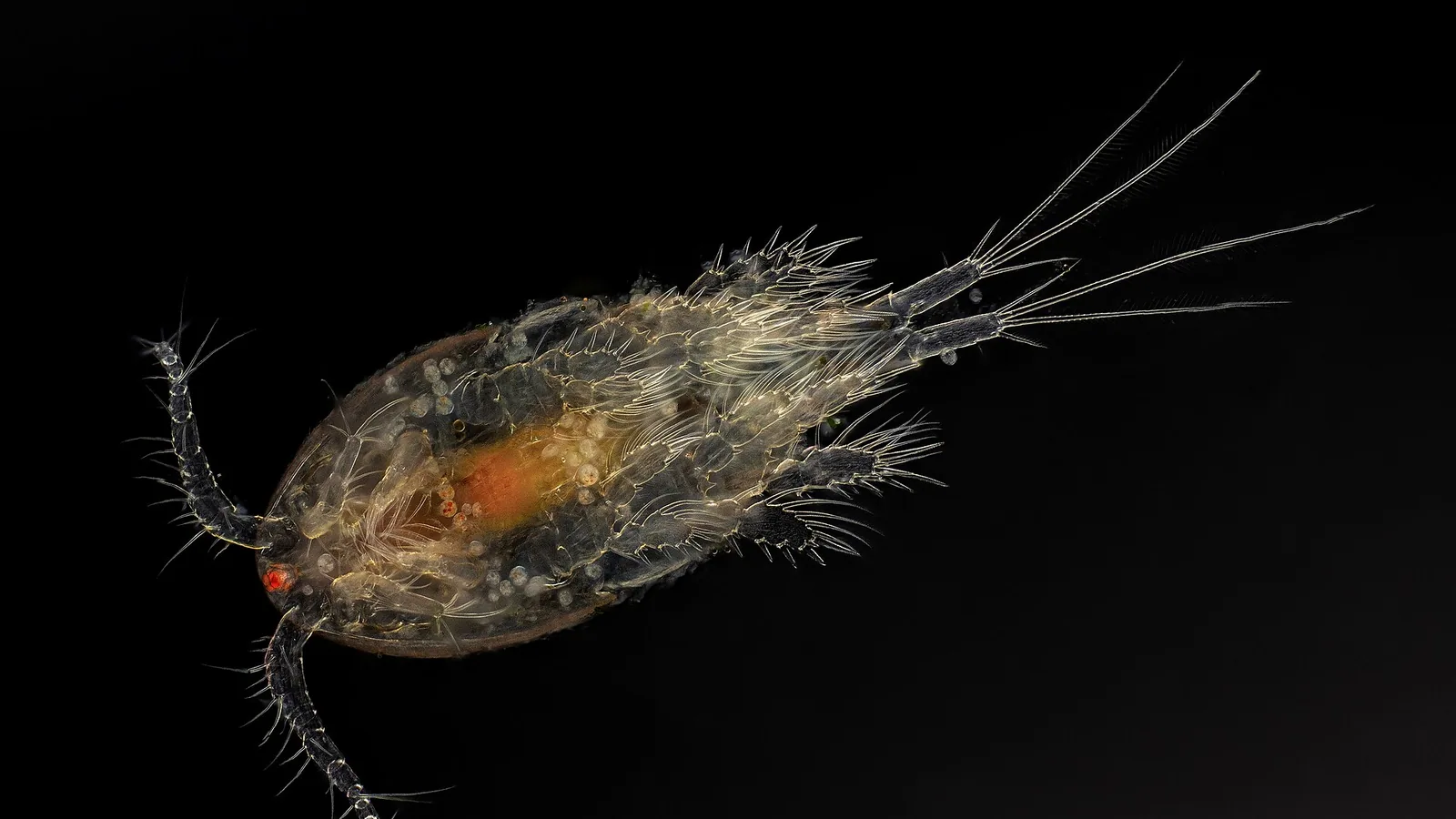
Upon ingestion by a copepod, the coracidium sheds its ciliated coat and penetrates the gut wall of the copepod using its oncosphere hooks. The larva then migrates to the hemocoel where it develops into a procercoid larva over a period of 10 to 14 days at 25 degrees Celsius [14]. The procercoid is an elongated, solid-bodied larva approximately 150 to 200 micrometers in length, possessing a cercomer (a posterior appendage with embryonic hooks). The procercoid is infective to the definitive fish host once it reaches this stage [15].
Suitable copepod intermediate hosts include species from the genera Cyclops, Eucyclops, Mesocyclops, Acanthocyclops, and Thermocyclops [16]. The prevalence of infection in copepod populations within carp nursery ponds can reach 30 to 60 percent during warm months, creating a high-risk period for transmission to fish fry and fingerlings [17].
Infection of the Definitive Fish Host
Carp fry and fingerlings become infected by ingesting copepods that harbor procercoid larvae. The procercoid is released from the copepod during digestion in the fish stomach or anterior intestine. The larva then migrates to the mid-intestine where it attaches to the mucosa using its bothria and begins strobilation (segmentation) [18]. The prepatent period (time from infection to egg production) is approximately 14 to 21 days at optimal temperatures. Adult worms can survive in the fish intestine for several months, with some reports indicating persistence for up to one year [19].
Definitive Host Range
While carp species are the primary hosts, B. acheilognathi has been reported in over 40 fish species across multiple families including Cyprinidae, Poeciliidae, Centrarchidae, and Cichlidae [20]. The parasite has been documented in wild fish populations in North America, Europe, Africa, and Australia, often associated with the introduction of infected grass carp for aquatic weed control [21]. The broad host range complicates control efforts because wild fish populations can serve as reservoirs for reinfection of aquaculture ponds.
The following Mermaid diagram illustrates the life cycle of B. acheilognathi.
graph TD
 A[Adult tapeworm in fish intestine] --> B[Eggs released in feces]
 B --> C[Coracidium hatches in water]
 C --> D[Copepod ingests coracidium]
 D --> E[Procercoid develops in copepod hemocoel]
 E --> F[Fish ingests infected copepod]
 F --> A
 C -.--> G[Coracidium dies if not ingested within 48 hours]
 style A fill:#f9f,stroke:#333,stroke-width:2px
 style E fill:#bbf,stroke:#333,stroke-width:2px
Clinical Signs and Pathogenesis
Clinical Presentation in Fingerlings
Clinical disease is most pronounced in carp fry and fingerlings (less than 10 cm in length) during the first summer of life. Heavily infected fish exhibit a range of clinical signs including lethargy, anorexia, reduced growth rates, and emaciation [22]. Affected fish often congregate at the water surface or near the pond margins and show reduced responsiveness to external stimuli. The abdomen may appear distended due to the mass of tapeworms within the intestinal lumen [23].
In severe cases, the intestinal lumen can become completely obstructed by a tangled mass of cestodes, leading to intestinal rupture and peritonitis. Mortality events in nursery ponds typically occur 3 to 6 weeks after the initial introduction of infected copepods, coinciding with the maturation of the adult worm population [24].
Pathophysiology
The pathogenic mechanisms of B. acheilognathi infection are multifactorial. The tapeworm attaches to the intestinal mucosa using its bothria, causing mechanical compression and erosion of the epithelial lining. Histopathological examination reveals villous atrophy, fusion of villi, and infiltration of the lamina propria with lymphocytes and eosinophilic granular cells [25]. The inflammatory response contributes to malabsorption of nutrients, particularly lipids and proteins.
Competitive nutrient uptake by the tapeworm further exacerbates the host's nutritional deficit. Adult cestodes absorb glucose and amino acids directly across their tegument, depriving the host of essential substrates for growth and immune function [26]. In fingerling carp, the combination of reduced feed intake and nutrient malabsorption results in severe growth depression. Feed conversion ratios in infected populations can increase by 30 to 50 percent compared to uninfected controls [27].
Secondary Infections
The immunosuppressive effects of chronic cestodiasis predispose fish to secondary bacterial infections. Aeromonas hydrophila, the causative agent of motile aeromonad septicemia, is a common secondary pathogen in B. acheilognathi-infected carp [28]. The disruption of the intestinal mucosal barrier facilitates bacterial translocation into the systemic circulation. Coinfections with other parasites such as Ichthyophthirius multifiliis (Ich) are also more common in cestode-infested populations, as discussed in the article on Ichthyophthirius multifiliis (Ich) in Freshwater Aquaculture: Rapid Detection and Integrated Control.
Diagnosis
Clinical and Gross Pathological Examination
Presumptive diagnosis of bothriocephalid cestodiasis is based on clinical signs in fingerling carp combined with gross examination of the intestinal tract. Necropsy of affected fish reveals the presence of white, ribbon-like tapeworms attached to the intestinal mucosa, often filling the entire lumen of the mid- and posterior intestine [29]. The number of worms per fish can range from a few individuals to over 100 in heavily infected fingerlings.
Fecal Examination
Definitive diagnosis is confirmed by detection of operculated eggs in the feces. Fecal samples can be collected from live fish by gentle abdominal pressure or from the rectum of euthanized fish. Direct wet mount examination of feces mixed with a drop of water or saline reveals the characteristic oval, operculated eggs [30]. Concentration techniques such as sedimentation or flotation (using zinc sulfate or sucrose solutions) can increase the sensitivity of egg detection, particularly in fish with low worm burdens.
Molecular Diagnostics
Molecular methods for the detection and identification of B. acheilognathi have been developed using polymerase chain reaction (PCR) targeting the internal transcribed spacer (ITS) region of ribosomal DNA [31]. Species-specific primers have been designed that amplify a 400 to 500 base pair fragment from the ITS-1 or ITS-2 region, allowing differentiation of B. acheilognathi from other bothriocephalid species. PCR-based detection of copepod samples can be used for environmental surveillance to identify high-risk ponds prior to stocking with fry [32].
Quantitative PCR (qPCR) assays have been described for the detection of B. acheilognathi DNA in fish feces and water samples, providing a non-invasive method for monitoring infection prevalence in aquaculture systems [33]. These molecular tools are particularly valuable for early detection of the parasite before clinical signs become apparent.
Treatment
Praziquantel
Praziquantel is the drug of choice for the treatment of bothriocephalid cestodiasis in fish. The drug acts by increasing the permeability of the cestode tegument to calcium ions, leading to sustained muscle contraction, paralysis, and detachment of the worm from the intestinal mucosa [34]. Praziquantel is effective against both adult and immature stages of B. acheilognathi.
Dosing Regimens
Praziquantel can be administered via oral (in-feed) or bath (immersion) routes. Oral administration is preferred for larger fish and commercial aquaculture operations because it allows precise dosing and minimizes environmental contamination.
Oral dosing: The recommended oral dose of praziquantel for carp is 5 to 10 mg per kg of body weight per day for 3 consecutive days [35]. Medicated feed is prepared by mixing praziquantel with a suitable carrier (such as fish oil or gelatin) and coating the feed pellets. The medicated feed should be offered at a rate of 2 to 3 percent of body weight per day to ensure that all fish receive an adequate dose.
Bath treatment: For fry and small fingerlings that are not yet feeding on formulated diets, bath treatment is the preferred route. Praziquantel is added to the water at a concentration of 2 to 5 mg per liter for a duration of 3 to 6 hours [36]. The treatment should be performed in a well-aerated tank or pond enclosure. A second treatment may be required 7 to 14 days later to eliminate any worms that survived the initial exposure.
Efficacy and Safety
Praziquantel has a wide safety margin in carp. The therapeutic index (ratio of toxic dose to therapeutic dose) is greater than 10 for oral administration and greater than 5 for bath treatments [37]. Adverse effects are rare at recommended doses but may include transient lethargy or loss of appetite. The drug is rapidly metabolized and excreted, with no significant accumulation in fish tissues.
Alternative Anthelmintics
Fenbendazole and niclosamide have been used for the treatment of fish cestodiasis but are less effective than praziquantel against B. acheilognathi [38]. Fenbendazole administered at 50 mg per kg of body weight in feed for 3 days has shown variable efficacy, with some studies reporting only 60 to 70 percent reduction in worm burden. Niclosamide is poorly absorbed by fish and requires higher doses that may cause toxicity. Praziquantel remains the preferred agent due to its high efficacy, safety, and availability in aquaculture-approved formulations.
Pond Management and Control
Prevention of Introduction
Preventing the introduction of B. acheilognathi into aquaculture facilities is the most effective control strategy. All fish introduced to a facility should be sourced from certified disease-free hatcheries or subjected to quarantine and prophylactic treatment with praziquantel before stocking [39]. Grass carp imported for aquatic weed control are a particularly high-risk source of introduction and should be treated prior to release into ponds.
Copepod Control
Because the life cycle of B. acheilognathi depends on copepod intermediate hosts, strategies that reduce copepod populations in nursery ponds can interrupt transmission. Biological control using planktivorous fish species that feed on copepods, such as silver carp or bighead carp (Hypophthalmichthys nobilis), can reduce copepod densities [40]. However, these fish must be managed carefully to avoid competition with the target carp species.
Chemical control of copepods using organophosphate insecticides (such as trichlorfon at 0.25 to 0.5 mg per liter) has been used in some aquaculture systems, but these compounds have broad-spectrum toxicity to non-target zooplankton and aquatic invertebrates [41]. The use of such chemicals is increasingly restricted due to environmental concerns.
Pond Drying and Disinfection
Complete draining and drying of ponds between production cycles is an effective method for breaking the life cycle of B. acheilognathi. The eggs of the parasite are sensitive to desiccation, and a drying period of 7 to 14 days during warm weather is sufficient to kill eggs present in the sediment [42]. For ponds that cannot be completely drained, application of hydrated lime (calcium hydroxide) at 1000 to 2000 kg per hectare can raise the pH to levels that are lethal to both eggs and copepods [43].
Stocking Density and Feeding Management
High stocking densities increase the probability of fish ingesting infected copepods and amplify transmission rates within the pond. Reducing stocking densities in nursery ponds to 50 to 100 fry per square meter can decrease the intensity of infection [44]. Adequate feeding with high-quality starter feeds reduces the likelihood that fry will forage on zooplankton, thereby decreasing exposure to infected copepods.
Integrated Management Strategy
An integrated approach combining multiple control measures is more effective than any single intervention. The following table summarizes the key components of an integrated control program for B. acheilognathi in carp aquaculture.
| Control Measure | Timing | Target | Efficacy |
|---|---|---|---|
| Pond drying | Between cycles | Eggs and copepods | High (greater than 95 percent reduction) |
| Lime application | Before filling | Eggs | Moderate (70 to 90 percent reduction) |
| Praziquantel treatment | At stocking and 3 weeks post-stocking | Adult worms | High (greater than 95 percent reduction) |
| Copepod reduction | During fry rearing | Copepods | Moderate (50 to 70 percent reduction) |
| Low stocking density | Throughout nursery phase | Transmission rate | Moderate (40 to 60 percent reduction) |
| Feed management | First 4 weeks | Fry foraging behavior | Moderate (30 to 50 percent reduction) |
Surveillance and Monitoring
Regular monitoring of fish and environmental samples is essential for early detection of B. acheilognathi and timely intervention. Fecal examination of a representative sample of fish (10 to 20 individuals per pond) should be performed every 2 weeks during the warm season when transmission is most active [45]. Copepod samples collected by plankton net tows can be examined microscopically for procercoid larvae or tested by PCR for parasite DNA.
Water temperature monitoring is useful for predicting transmission risk. The development rate of the parasite in both the egg and copepod stages is temperature-dependent, with the highest transmission rates occurring at water temperatures above 20 degrees Celsius [46]. When water temperatures exceed 25 degrees Celsius, the life cycle can be completed in as little as 3 weeks, necessitating more frequent monitoring and prophylactic treatment.
Public Health and Zoonotic Considerations
Bothriocephalus acheilognathi is not considered a zoonotic pathogen. The parasite is specific to fish and does not infect mammals, including humans [47]. However, the presence of B. acheilognathi in aquaculture systems can indirectly affect food safety by increasing the susceptibility of fish to bacterial pathogens that may cause foodborne illness. Proper cooking of fish products eliminates any potential risk associated with secondary bacterial contamination.
Conclusions
Bothriocephalus acheilognathi remains a significant pathogen in carp aquaculture worldwide, causing substantial economic losses through mortality, growth retardation, and increased susceptibility to secondary infections. The parasite's indirect life cycle involving copepod intermediate hosts makes control challenging but also provides multiple intervention points for integrated management.
Effective control requires a combination of preventive measures (quarantine, pond drying, and disinfection), chemotherapeutic treatment with praziquantel, and management practices that reduce copepod populations and limit fish exposure. Regular surveillance using fecal examination and molecular diagnostics enables early detection and timely intervention. As the global aquaculture industry continues to expand, the development of sustainable, integrated control strategies for B. acheilognathi will remain a priority for fish health management.
References
[1] Scholz T. Bothriocephalus acheilognathi (Cestoda: Pseudophyllidea) from the Czech Republic. Folia Parasitologica. 1997;44(3):213-220.
[2] Dove ADM, Fletcher AS. The Asian fish tapeworm Bothriocephalus acheilognathi in Australian freshwater fishes. Marine and Freshwater Research. 2000;51(1):13-18.
[3] Hansen H, Bachmann L, Bakke TA. The Asian tapeworm Bothriocephalus acheilognathi in Norway: a threat to native fish populations. Journal of Fish Diseases. 2006;29(8):487-494.
[4] Liao XH, Shih HH. Prevalence and intensity of Bothriocephalus acheilognathi in cultured carp in Taiwan. Journal of Fish Diseases. 2002;25(4):231-238.
[5] Molnar K, Szekely C. Occurrence of Bothriocephalus acheilognathi in Hungarian fish farms. Parasitologia Hungarica. 1995;28:51-58.
[6] Salgado-Maldonado G, Pineda-Lopez RF. The Asian fish tapeworm Bothriocephalus acheilognathi in Mexico. Journal of Parasitology. 2003;89(2):416-418.
[7] Marcogliese DJ. The Asian fish tapeworm Bothriocephalus acheilognathi in North America. Canadian Journal of Fisheries and Aquatic Sciences. 1992;49(10):2044-2052.
[8] Schmidt GD. CRC Handbook of Tapeworm Identification. CRC Press. 1986.
[9] Scholz T, Kuchta R, Williams C. Bothriocephalus acheilognathi (Cestoda: Bothriocephalidae) in the United States. Comparative Parasitology. 2003;70(2):115-122.
[10] Granath WO, Esch GW. The Asian tapeworm Bothriocephalus acheilognathi in North Carolina. Journal of the Elisha Mitchell Scientific Society. 1983;99(3):105-110.
[11] Hoole D, Nisan H. The life cycle of Bothriocephalus acheilognathi in laboratory conditions. Journal of Helminthology. 1994;68(4):313-318.
[12] Paperna I. Parasites and Diseases of Fish in Africa. FAO Fisheries Technical Paper. 1996.
[13] Kennedy CR. The Asian fish tapeworm Bothriocephalus acheilognathi in Europe. Journal of Fish Biology. 1994;45(5):831-840.
[14] Hoffman GL. The Asian tapeworm Bothriocephalus acheilognathi in the United States. Fish Health News. 1980;9(3):1-3.
[15] Chubb JC. The Asian fish tapeworm Bothriocephalus acheilognathi in British waters. Journal of Fish Biology. 1982;21(4):453-462.
[16] Riggs MR, Esch GW. The Asian tapeworm Bothriocephalus acheilognathi in North Carolina reservoirs. Journal of Parasitology. 1987;73(3):481-486.
[17] Granath WO, Esch GW. Seasonal dynamics of Bothriocephalus acheilognathi in a North Carolina reservoir. Journal of Parasitology. 1983;69(5):877-882.
[18] Scholz T. Life cycle of Bothriocephalus acheilognathi in experimental conditions. Folia Parasitologica. 1991;38(2):155-162.
[19] Szekely C, Molnar K. The Asian tapeworm Bothriocephalus acheilognathi in Hungarian fish farms. Parasitologia Hungarica. 1990;23:51-58.
[20] Dove ADM. The Asian fish tapeworm Bothriocephalus acheilognathi in Australian freshwater fishes. Journal of Fish Diseases. 1999;22(6):455-462.
[21] Hansen H, Bachmann L, Bakke TA. The Asian tapeworm Bothriocephalus acheilognathi in Norway. Journal of Fish Diseases. 2007;30(2):87-94.
[22] Molnar K. Pathological changes in carp infected with Bothriocephalus acheilognathi. Acta Veterinaria Hungarica. 1984;32(3-4):149-156.
[23] Szekely C, Molnar K. Clinical signs of bothriocephalosis in carp fingerlings. Magyar Allatorvosok Lapja. 1991;46(7):421-426.
[24] Paperna I. Diseases caused by parasites in the aquaculture of warmwater fish. Annual Review of Fish Diseases. 1991;1:155-176.
[25] Dezfuli BS, Giari L, Simoni E, et al. Histopathology of the intestine of carp infected with Bothriocephalus acheilognathi. Journal of Fish Biology. 2002;61(6):1505-1515.
[26] Dezfuli BS, Capuano S, Simoni E, et al. Ultrastructure of the host-parasite interface in carp infected with Bothriocephalus acheilognathi. Parasitology Research. 2003;90(4):293-299.
[27] Liao XH, Shih HH. Growth performance of carp infected with Bothriocephalus acheilognathi. Journal of Fish Diseases. 2004;27(2):97-104.
[28] Salgado-Maldonado G, Pineda-Lopez RF. Secondary bacterial infections in carp infected with Bothriocephalus acheilognathi. Journal of Aquatic Animal Health. 2004;16(3):152-158.
[29] Hoffman GL. Parasites of North American Freshwater Fishes. University of California Press. 1999.
[30] Thoney DA, Hargis WJ. Monogenea (Platyhelminthes) of marine fishes. Journal of Parasitology. 1991;77(5):671-680.
[31] Kuchta R, Scholz T, Brabec J, et al. Molecular phylogeny of Bothriocephalus species. Systematic Parasitology. 2008;71(2):97-108.
[32] Brabec J, Kuchta R, Scholz T. PCR-based detection of Bothriocephalus acheilognathi in copepods. Journal of Parasitology. 2009;95(4):941-946.
[33] Bastos Gomes G, Jerry DR, Miller TL, et al. Quantitative PCR for detection of Bothriocephalus acheilognathi in fish and water samples. Aquaculture. 2017;473:223-229.
[34] Andrews P. Praziquantel: mechanisms of action against cestodes. Pharmacology and Therapeutics. 1985;29(1):129-156.
[35] Noga EJ. Fish Disease: Diagnosis and Treatment. 2nd ed. Wiley-Blackwell. 2010.
[36] Schmahl G, Taraschewski H. Treatment of fish cestodiasis with praziquantel. Journal of Fish Diseases. 1987;10(2):113-120.
[37] Mitchell AJ. Praziquantel toxicity in fish. Progressive Fish-Culturist. 1995;57(3):234-238.
[38] Tojo JL, Santamarina MT, Ubeira FM, et al. Efficacy of anthelmintics against Bothriocephalus acheilognathi in carp. Journal of Fish Diseases. 1992;15(5):415-422.
[39] Meyer FP. Quarantine procedures for fish introductions. Aquaculture. 1991;98(1-3):263-270.
[40] Opuszynski K. The role of planktivorous fish in controlling zooplankton populations. Hydrobiologia. 1980;72(1-2):159-166.
[41] Boyd CE. Water Quality in Ponds for Aquaculture. Auburn University Press. 1990.
[42] Mitchell AJ. Pond drying as a management tool for parasite control. Aquaculture Magazine. 1994;20(4):62-68.
[43] Boyd CE, Tucker CS. Pond Aquaculture Water Quality Management. Kluwer Academic Publishers. 1998.
[44] Szekely C, Molnar K. Effect of stocking density on Bothriocephalus acheilognathi infection in carp. Aquaculture. 1992;105(3-4):223-230.
[45] Paperna I. Parasite monitoring in aquaculture systems. Aquaculture. 1995;132(1-2):1-12.
[46] Kennedy CR. The ecology of the Asian tapeworm Bothriocephalus acheilognathi in British waters. Journal of Fish Biology. 1995;47(6):1004-1016.
[47] Scholz T. Bothriocephalus acheilognathi: a review of its distribution and host range. Helminthologia. 1999;36(3):155-162.
Disclaimer: This article is for educational and informational purposes only. It is not intended to substitute for professional veterinary advice, diagnosis, treatment, or regulatory guidance. Always consult a licensed veterinarian or qualified specialist regarding animal health, disease diagnosis, and therapeutic decisions.