Gain of Function Research: Definition, Methods, and Debate
By Dr. Zubair Khalid, DVM, MS, PhD ·
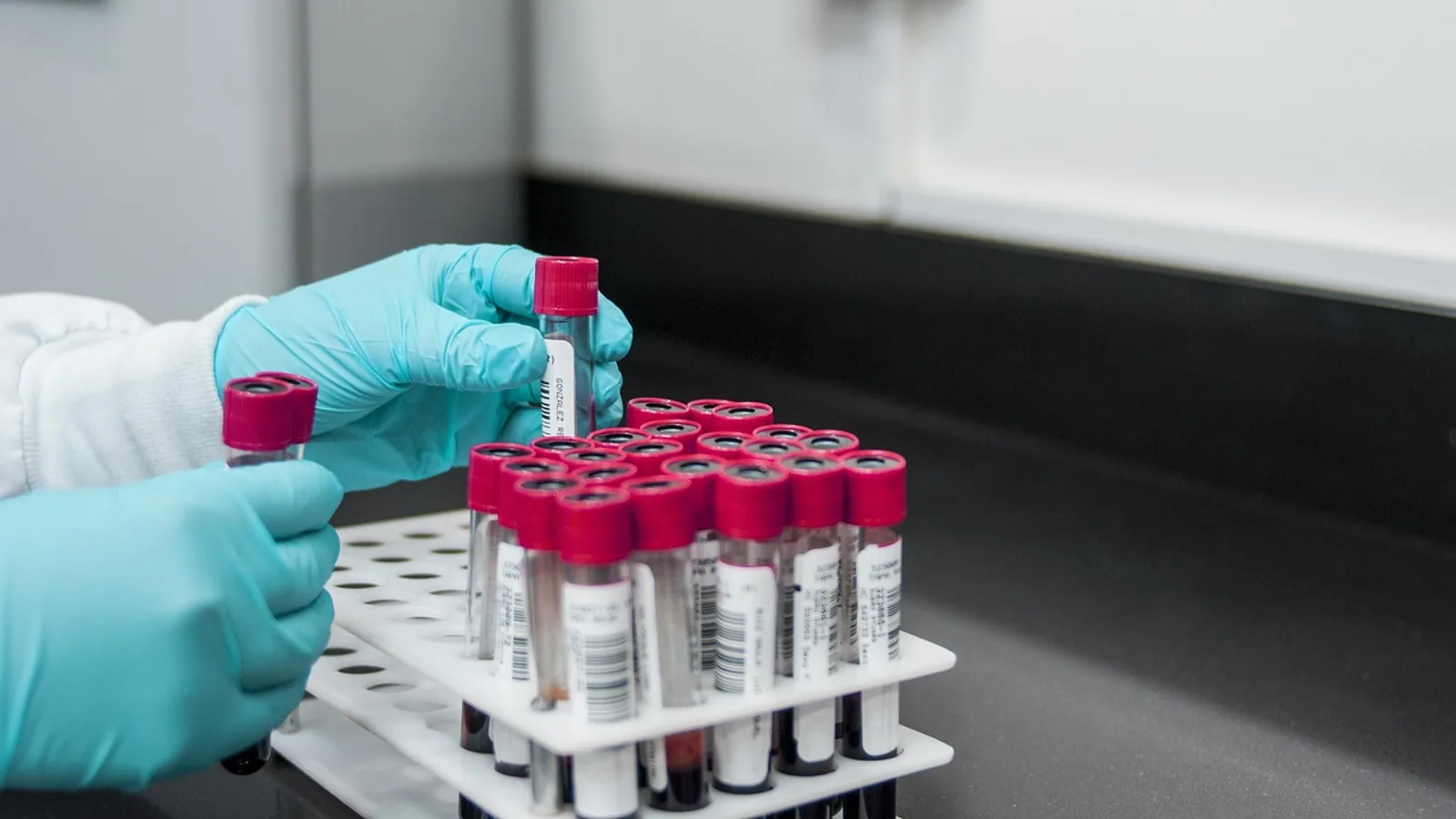
Gain of function research is any experiment that gives an organism a new or enhanced biological capability, such as higher transmissibility, greater virulence, a wider host range, immune evasion, or resistance to a drug or vaccine [1]. The term covers everything from giving a bacterium antibiotic resistance in a teaching lab to engineering a virus to spread by air between mammals, and that enormous range is the root of most confusion about it.
Why does the definition matter so much? Because the same phrase describes work that is routine, safe, and foundational to medicine and work that could, in the worst case, seed a pandemic. Gain of function experiments helped establish that DNA is the genetic material, identified cellular receptors, and revealed the role of oncogenes in cancer [2]. The same logic, applied to influenza or coronaviruses, can create a pathogen with pandemic potential [3]. Regulators, journals, and institutions therefore have to separate ordinary gain of function from a small, high-consequence subset, and they have to do it with definitions precise enough to be enforceable.
What Is Gain of Function Research?
Gain of function research is the deliberate experimental enhancement of a biological property in an organism through genetic change [1]. The change can be a single point mutation, a deletion that removes a brake on a pathway, a gene inserted from another organism, or the accumulation of mutations through repeated passage.
Two features define the category. First, the change must be introduced or selected on purpose, not merely observed. Second, the result must be a new or increased function. If an experiment removes a capability, it is loss of function research, the mirror image and an equally powerful tool for establishing causality in biology [2].
Gain of Function Versus Loss of Function
Loss of function experiments break something and observe the consequence. Knock out a receptor and see whether the virus still enters the cell. Gain of function experiments add something and observe the consequence. Give a virus a new receptor-binding change and see whether it enters a new cell type.
The two are complementary. A classic example is receptor identification: a gain of function approach expresses a candidate receptor in cells that normally resist infection and tests whether the virus now enters, while a loss of function approach removes the receptor from susceptible cells and tests whether entry is blocked [2]. Together they build a causal argument that neither alone can make.
Gain of Function Versus Routine Reverse Genetics
Reverse genetics is the set of techniques used to recover a virus from cloned DNA or RNA. It lets a researcher start from a sequence and produce a live virus carrying chosen changes. Reverse genetics is a platform. Gain of function is a goal.
Most reverse genetics work is not gain of function. Rescuing a seasonal influenza strain to study its polymerase, or rebuilding a virus to match a circulating field sequence, changes nothing about the virus's biological capability. It becomes gain of function only when the recovered virus carries a change that enhances a property such as transmissibility, virulence, or host range [1]. This distinction matters in practice because oversight frameworks attach to the property being enhanced, not to the technique used to build the virus.
The Regulatory Subset: GOFROC, DGoF, and DURC
Three overlapping labels describe the dangerous end of the spectrum.
Gain of function research of concern (GOFROC) is gain of function work on enhanced potential pandemic pathogens, meaning pathogens that could be harmful to humans on a global scale [1].
Dangerous gain of function (DGoF) is a parallel term used in the regulatory literature. A systematic review of nearly 20,100 PubMed papers that mentioned gain of function resolved only 145 that appeared to describe dangerous gain of function, which is under 1% of the total [4]. That number is the single most useful corrective to public discussion of the topic: the overwhelming majority of gain of function work has nothing to do with dangerous pathogens, and a large share of the papers that use the term are reviews or policy analyses rather than experiments [4].
Dual-use research of concern (DURC) is a broader category. It covers any legitimate life science research that could be misapplied to cause significant harm, whether or not it involves gain of function [5]. The seven DURC criteria are the standard screen used to judge whether a specific experiment crosses that line [4].
Summary Table: Key Terms Compared
| Term | What changes | Direction of change | Typical oversight |
|---|---|---|---|
| Gain of function | A biological property is added or enhanced | Increase | Depends on the property and the agent |
| Loss of function | A biological property is removed or reduced | Decrease | Standard institutional review |
| Reverse genetics | A virus is recovered from cloned sequence | Neutral by itself | Standard institutional review |
| GOFROC | Gain of function on enhanced potential pandemic pathogens | Increase, high consequence | Enhanced review, possible national-level review |
| DGoF | Gain of function meeting dangerous criteria | Increase, high consequence | Enhanced review |
| DURC | Any research misusable to cause harm | Not defined by direction | Institutional and federal DURC review |
Common Methods in Gain of Function Research
Four method families account for most gain of function work. They differ in how directly the researcher controls the genetic change.
Serial Passage
Serial passage is the oldest and least targeted method. A virus is grown in a series of hosts or cell cultures, and at each round the population that replicates best in the new host is carried forward. Mutations that improve fitness in the new host accumulate by natural selection rather than by design.
Serial passage is how researchers ask whether a virus can adapt to a new host, not whether a specific mutation does enhance a property. The classic application is airborne transmission studies in mammals, where a virus that does not transmit by air is passaged until it does, or fails to [3]. The method produces a population, not a defined genotype, so the resulting phenotype must be mapped back to specific changes by sequencing and reverse genetics.
Site-Directed Mutagenesis
Site-directed mutagenesis changes one or a few nucleotides at a chosen position. A polymerase chain reaction with a mismatched primer, or a modern equivalent such as a CRISPR-directed base edit, installs the change in a plasmid. The mutated gene is then expressed or rescued into a virus.
This is the most controlled gain of function method. The researcher knows exactly what changed and can attribute any phenotype to that change. It is also the method most often used to test a hypothesis generated by surveillance: a mutation seen in a field isolate is introduced into a reference strain to ask whether it explains an observed change in receptor binding, replication, or virulence [1].
Reverse Genetics
Reverse genetics recovers a virus from cloned cDNA or from RNA transcribed in vitro. For influenza, the standard system cotransfects cells with eight plasmids, one per viral segment, plus support plasmids expressing the viral polymerase and nucleoprotein. For coronaviruses, bacterial artificial chromosomes or infectious cDNA clones serve the same purpose.
Reverse genetics is what makes the other methods interpretable. Serial passage gives a phenotype but a messy genotype. Site-directed mutagenesis gives a clean genotype but needs a way to build the virus. Reverse genetics supplies that way, and it is the reason modern gain of function studies can test single mutations in a defined background [1].
Receptor-Binding and Host-Range Studies
Receptor-binding studies measure whether a viral attachment protein engages a new receptor. Common formats include hemagglutination assays, glycan microarray binding, surface plasmon resonance, and pseudotype entry assays in which a reporter virus bearing the test glycoprotein is applied to cells expressing a candidate receptor.
Host-range studies extend this to whole organisms or primary cell panels from different species. The question is whether a change in the attachment protein, or in an internal protein such as the polymerase, allows replication in a host that was previously resistant [1].
Biological Containment as a Method
One of the more important methodological developments is biological containment. In a biologically contained influenza system, the essential hemagglutinin gene is deleted from the viral genome and supplied in trans by engineered cells, so the virus can replicate only in those cells. A reporter gene such as Renilla luciferase replaces hemagglutinin, allowing real-time quantitative readout of replication kinetics. Researchers demonstrated that biologically contained H1N1 and H5N1 particles retained wild-type sensitivity to approved antivirals including oseltamivir and zanamivir [6]. This approach lets gain of function substitutions be studied with a built-in barrier to escape.
Biosafety Levels and Oversight
Biosafety levels are graded combinations of engineering controls, personal protective equipment, and work practices matched to the risk of the agent. The four levels build on each other.
BSL-2 covers agents of moderate hazard that cause human disease of varying severity. Work is done on an open bench with a biological safety cabinet for procedures that generate aerosols. Most teaching and diagnostic microbiology, including work with antibiotic resistance in common bacteria, sits here.
BSL-3 covers agents that can cause serious or lethal disease through inhalation. All work is done in a biological safety cabinet inside a controlled-access laboratory with directional airflow, sealed penetrations, and respiratory protection. Most work with highly pathogenic avian influenza and with SARS-CoV-2 falls here.
BSL-4 covers agents that cause severe, often fatal disease for which no vaccine or treatment exists, or that pose a high risk of aerosol transmission. It adds positive-pressure suits or a class III cabinet, dedicated air and waste decontamination, and the highest level of personnel training and medical surveillance.
Institutional biosafety committees (IBCs) review research involving recombinant DNA and infectious agents at the local level. An IBC assesses the agent, the proposed modifications, the containment level, and the training of personnel, then approves, modifies, or rejects the protocol. IBC review is the first gate for essentially all gain of function work in the United States, and it is where the practical judgment about containment is usually made.
Table: Experiment Type, Biosafety Level, and Oversight
| Experiment type | Typical biosafety level | Oversight layer |
|---|---|---|
| Antibiotic resistance marker in a lab strain of E. coli | BSL-1 to BSL-2 | IBC for recombinant DNA |
| Seasonal influenza reverse genetics | BSL-2 | IBC |
| Drug resistance mutation in a BSL-3 bacterial pathogen | BSL-3 | IBC |
| Highly pathogenic avian influenza replication studies | BSL-3 | IBC, plus enhanced review if a property is enhanced |
| Enhanced transmissibility in a potential pandemic pathogen | BSL-3 or BSL-4 | IBC, plus national-level review under the P3CO framework |
| Work with agents requiring maximum containment | BSL-4 | IBC, plus national-level review where applicable |
The table is a guide to typical practice, not a rule. The containment level follows the agent and the modification, and an IBC can require a higher level than the agent alone would suggest.
How Gain of Function Work Is Tested in Practice
A modern gain of function study usually follows a defined sequence. The researcher starts from a surveillance signal, such as a mutation appearing repeatedly in field sequences. Site-directed mutagenesis installs the mutation in a cloned genome. Reverse genetics rescues the virus. In vitro assays measure receptor binding, entry, and replication. Animal or primary cell studies measure host range and pathogenesis. Sequencing confirms that the rescued virus carries only the intended changes.
The endpoint is not the phenotype itself. The endpoint is a causal claim: this change, in this background, produces this effect. That claim is what makes the work useful for surveillance, vaccine strain selection, and antiviral assessment [1]. A biologically contained reporter system can shorten the loop by allowing replication kinetics to be measured in real time without producing a fully infectious enhanced virus [6].
Why the Debate Exists
The debate has two sides that both rest on real evidence.
The case for gain of function work is epistemic and practical. Gain of function and loss of function experiments are the tools that establish causality in biology, and the products of gain of function work include synthetic insulin, growth factors, and monoclonal antibodies, all made by giving cells a new function of synthesizing a medically important product [2]. Applied to pandemic preparedness, the argument is that understanding the genetic determinants of adaptation improves surveillance, vaccine design, and antiviral assessment [6].
The case against exceptionally dangerous gain of function work is that the risk is not confined to the laboratory. Experiments designed to create novel, potentially pandemic strains of influenza, for example by enhancing airborne transmissibility of highly virulent avian strains in mammals, present a biosafety risk that extends well beyond the experimenter. An accidental release could lead to global spread [3]. The argument is that for this narrow class of experiments, biosafety considerations should shape the choice of experimental objective and design from the start, rather than being settled after the design is fixed [3].
The COVID-19 pandemic validated parts of both arguments and undercut others, and it prompted calls to rethink how this class of experiments is approached [7]. One concrete lesson from the debate is definitional. Improving biosafety measures requires a more precise definition of which experiments actually raise safety concerns, because a term that covers both a resistance marker and an enhanced pandemic pathogen cannot guide policy [8].
The Regulatory Timeline
2014: the U.S. funding pause. Two studies on avian influenza viruses initiated a global debate and a temporary pause on federal funding for gain of function experiments of concern in the United States [1].
2017: the P3CO framework. The pause ended with a new regulatory framework built around the concept of a potential pandemic pathogen that could be created by the experiment, commonly called the P3CO framework. It created a review path for a defined subset of experiments rather than a blanket rule [1].
2024: the DURC-PEPP policy. The 2024 U.S. Government Policy for Oversight of Dual Use Research of Concern and Pathogens with Enhanced Pandemic Potential, known as the DURC-PEPP policy, was designed to unify DURC review with review of pathogens with enhanced pandemic potential [5]. Its planned implementation was superseded by Executive Order 14,292, and a revised or replacement federal policy remained under development [5].
International context. In the European Union and China, gain of function and DURC work is mainly covered by legislation for laboratory safety and genetically modified organisms rather than by a dedicated gain of function rule [1]. Broader governance proposals draw on the World Health Organization's 2022 Global Guidance Framework for the Responsible Use of the Life Sciences and the ISO 35001:2019 biorisk management standard [5].
Quick Review
- Gain of function research enhances a biological property such as transmissibility, virulence, host range, immune evasion, or drug resistance [1].
- Loss of function removes a property. The two approaches are complementary tools for establishing causality [2].
- Reverse genetics is a platform, not a category of gain of function work. It becomes gain of function only when the recovered virus carries an enhancing change.
- Serial passage, site-directed mutagenesis, reverse genetics, and receptor-binding studies are the four core method families.
- Biosafety levels run from BSL-2 to BSL-4, and institutional biosafety committees are the first review gate for essentially all recombinant work.
- Under 1% of papers that use the term gain of function describe dangerous gain of function, and over 40% of those are reviews or policy papers [4].
- The U.S. regulatory path runs from the 2014 funding pause to the 2017 P3CO framework to the 2024 DURC-PEPP policy, whose implementation was superseded [5][1].
Common Mistakes and Limitations
Treating every gain of function experiment as dangerous. The term spans antibiotic resistance markers in E. coli and enhanced pandemic pathogens. A review of nearly 20,100 papers found only 145 that appeared to describe dangerous gain of function, and most experimental gain of function papers concerned antimicrobial resistance in pathogens [4]. Blanket statements about the category are almost always wrong.
Confusing reverse genetics with gain of function. Rescuing a virus from cloned sequence is a technique. Whether the work is gain of function depends entirely on what property the rescued virus has.
Assuming a mutation seen in the field is a gain of function mutation. A mutation that rises in frequency during an outbreak may be a founder effect, a compensatory change, or a hitchhiker. Causality requires introducing the change into a defined background and measuring the phenotype.
Assuming a phenotype from serial passage maps to one mutation. Passaged populations carry many changes. Attributing an airborne transmission phenotype to a single substitution without reverse genetics confirmation is a common overreach.
Assuming BSL-4 is always the right answer for enhanced pathogens. Containment follows the agent and the specific modification. Some enhanced potential pandemic pathogen work is done at BSL-3 with enhanced practices, and an IBC can raise the level when the modification warrants it.
Expecting the regulatory picture to be settled. The 2024 DURC-PEPP policy was superseded before implementation, and a replacement remained under development [5]. Researchers should confirm current requirements with their institutional biosafety committee rather than relying on a published summary.
Limitation. This article describes definitions, methods, and regulatory structure. It cannot assess the risk of any specific experiment. That judgment belongs to an institutional biosafety committee and, for the narrow high-consequence subset, to national-level review.
Frequently Asked Questions
What is gain of function research in simple terms?
Gain of function research is any experiment that gives an organism a new or stronger biological ability, such as the capacity to infect a new host, spread more easily, or resist a drug [1].
Is gain of function research the same as reverse genetics?
No. Reverse genetics is a technique for recovering a virus from cloned sequence. It becomes gain of function work only when the recovered virus carries a change that enhances a biological property [1].
How common is dangerous gain of function research?
It is rare. A review of nearly 20,100 PubMed papers mentioning gain of function identified only 145 that appeared to describe dangerous gain of function, which is under 1% of the total [4].
What biosafety level is used for gain of function research?
It depends on the agent and the modification. Routine work is done at BSL-2, work with highly pathogenic agents at BSL-3, and work with the most dangerous agents at BSL-4. An institutional biosafety committee sets the required level.
What was the 2014 U.S. gain of function funding pause?
It was a temporary pause on federal funding for a defined subset of gain of function experiments of concern, triggered by two avian influenza studies. It ended in 2017 with the P3CO framework [1].
What is the P3CO framework?
P3CO stands for potential pandemic pathogen care and oversight. It is the 2017 U.S. review framework for gain of function experiments that could create a potential pandemic pathogen, and it replaced the 2014 funding pause with a defined review path [1].
flowchart TD
    A[Proposed experiment] --> B{Does it enhance a property}
    B -->|No| C[Standard review]
    B -->|Yes| D[Gain of function work]
    D --> E{Is the agent a potential pandemic pathogen}
    E -->|No| F[Institutional biosafety committee review]
    E -->|Yes| G[Enhanced review]
    G --> H[National level review]
    F --> I[Assign biosafety level]
    H --> I
    I --> J[Perform work under containment]
Related Articles
- The Portfolio vs. Cover Letter Debate
- Cat Weight Gain Causes
- Gain computational biology experience as a student
- Enhancer RNA: Function, Mechanism, and Detection Methods
- Double Helix BL: Structure, Function, and Study Methods
- Enhancer Regions: Mechanisms, Functions, and Study Methods
- Cyclospora Testing: Methods, Staining, and Interpretation
Sources
- Gain-of-function research.
- The Epistemic Value of Gain of Function Experiments.
- Why Do Exceptionally Dangerous Gain-of-Function Experiments in Influenza?
- Discerning dangerous gain of function: most gain of function (GoF) research does not involve infectious microbes.
- A national framework for managing dual-use research of concern: integrating biosecurity, public health, and research governance.
- Application of a Biologically Contained Reporter System To Study Gain-of-Function H5N1 Influenza A Viruses with Pandemic Potential.
- Rethinking Gain-of-Function Experiments in the Context of the COVID-19 Pandemic.
- COVID-19 and the gain of function debates: Improving biosafety measures requires a more precise definition of which experiments would raise safety concerns.