Embryonic Stem Cells: Properties, Uses and Ethics
By Dr. Zubair Khalid, DVM, MS, PhD ·
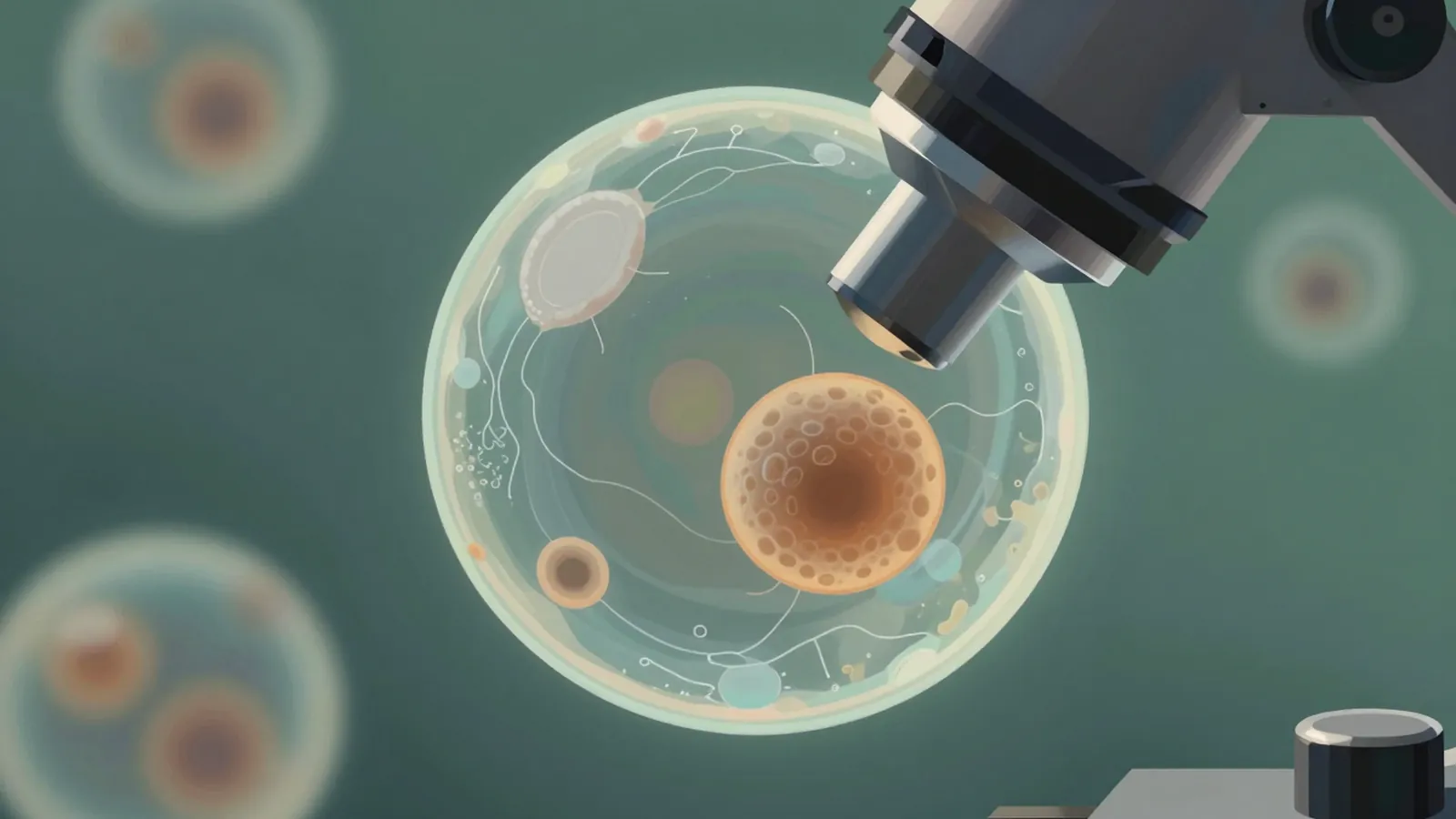
Embryonic stem cells are pluripotent cells derived from the inner cell mass of a blastocyst, the early embryo stage that in humans spans roughly days 4 to 7 after fertilization (Embryonic Stem Cells; Embryonic stem cell). Because they can self-renew indefinitely in culture and differentiate into derivatives of all three germ layers, they are studied for cell replacement therapies, disease modeling and tissue engineering (Human Embryonic Stem Cell Research; Embryonic stem cell; Embryonic stem cells).
Isolating the inner cell mass destroys the blastocyst, which is why the field carries a persistent ethical debate over the moral status of pre-implantation embryos (Embryonic stem cell). Laboratory work must also manage practical risks: teratoma formation and unwanted immune responses have been reported in research and clinical settings.
Key Points
- ESCs come from the inner cell mass of the blastocyst, a pre-implantation embryo of about 50 to 150 cells at 4 to 5 days post fertilization in humans (Embryonic stem cell).
- They are pluripotent: they generate ectoderm, endoderm and mesoderm, the three germ layers that give rise to the more than 220 cell types of the adult body.
- Pluripotency separates them from adult stem cells, which are multipotent and produce only a limited range of cell types.
- Under defined conditions they self-renew indefinitely while undifferentiated; culture must prevent clumping and keep the cells unspecialized, often using serum with leukemia inhibitory factor or serum-free media.
- Human ESC lines are usually derived from surplus embryos created for in vitro fertilization (Stem cells: What they are and what they do).
- Reported adverse effects include tumor formation and unwanted immune responses, and these must be addressed before large-scale clinical trials (Embryonic stem cell; Embryonic stem cells).
At a Glance
| Item | Summary |
|---|---|
| Origin | Inner cell mass of a day-5 blastocyst (Embryonic Stem Cells) |
| Hallmark | Pluripotency across all three germ layers |
| Growth | Self-renewal in culture with feeders or defined media (Embryonic stem cells) |
| Uses | Disease modeling, drug testing, developmental biology (Stem cells: What they are and what they do) |
| Ethics | Embryo destruction, consent, and country-specific rules (Human Embryonic Stem Cell Research) |
| Alternatives | Adult stem cells and induced pluripotent stem cells |
Embryonic stem cells are pluripotent cells from the inner cell mass of the blastocyst, and laboratory lines are expanded as undifferentiated cell populations (Embryonic Stem Cells; Embryonic stem cells). Their research value comes from broad differentiation potential, while their use raises consent and embryo-destruction questions governed by country-specific rules (Stem cells: What they are and what they do; Human Embryonic Stem Cell Research; Embryonic stem cell).
What Are Embryonic Stem Cells?
Embryonic stem cells are pluripotent cells taken from the inner cell mass of the early mammalian embryo (Embryonic Stem Cells). In humans, the source is a blastocyst donated for research after informed consent and ethics review (Human Embryonic Stem Cell Research). The cells can form ectoderm, mesoderm, and endoderm derivatives, and they can self-renew in culture (Embryonic Stem Cells; Embryonic stem cells). The name refers to the tissue of origin. It does not name a disease, a drug, or a finished treatment (Embryonic stem cell).
Definition and Origin
A blastocyst is an early embryo stage, not a fetus and not a specialized organ (Embryonic Stem Cells; Embryonic stem cell). The inner cell mass is a small group of cells inside the blastocyst; the outer layer supports implantation and does not become the stem cell line (Embryonic stem cell). Derivation removes the inner cell mass and destroys the blastocyst, which is the central ethical issue in this field. Human lines come from embryos created for in vitro fertilization that are no longer needed for reproduction (Human Embryonic Stem Cell Research). Donation requires consent, ethics review, and compliance with local rules.
What a Laboratory Line Is
A laboratory embryonic stem cell line is a population of dividing cells, not an intact embryo (Embryonic Stem Cells). A line can be frozen, thawed, expanded, and shared, so a study may use cells many passages removed from the original blastocyst (Embryonic stem cells). Human lines typically carry a normal diploid karyotype and can divide extensively. They express surface markers such as SSEA-3, SSEA-4, TRA-1-60, and TRA-1-81 and show high telomerase activity (Embryonic Stem Cells; Embryonic stem cells). These features support long-term culture and are used in quality control.
| Question | Answer |
|---|---|
| Is it an embryo? | No. A line is a cultured cell population (Embryonic Stem Cells). |
| Is it pluripotent? | Yes. It can form all three germ layers. |
| Is it a therapy? | No. A line is a research material, and clinical use requires separate testing (Embryonic stem cells). |
| Is it the same as an adult stem cell? | No. Adult stem cells are multipotent (Embryonic stem cell). |
How They Differ from Other Stem Cells
Embryonic stem cells
Pluripotency and Differentiation
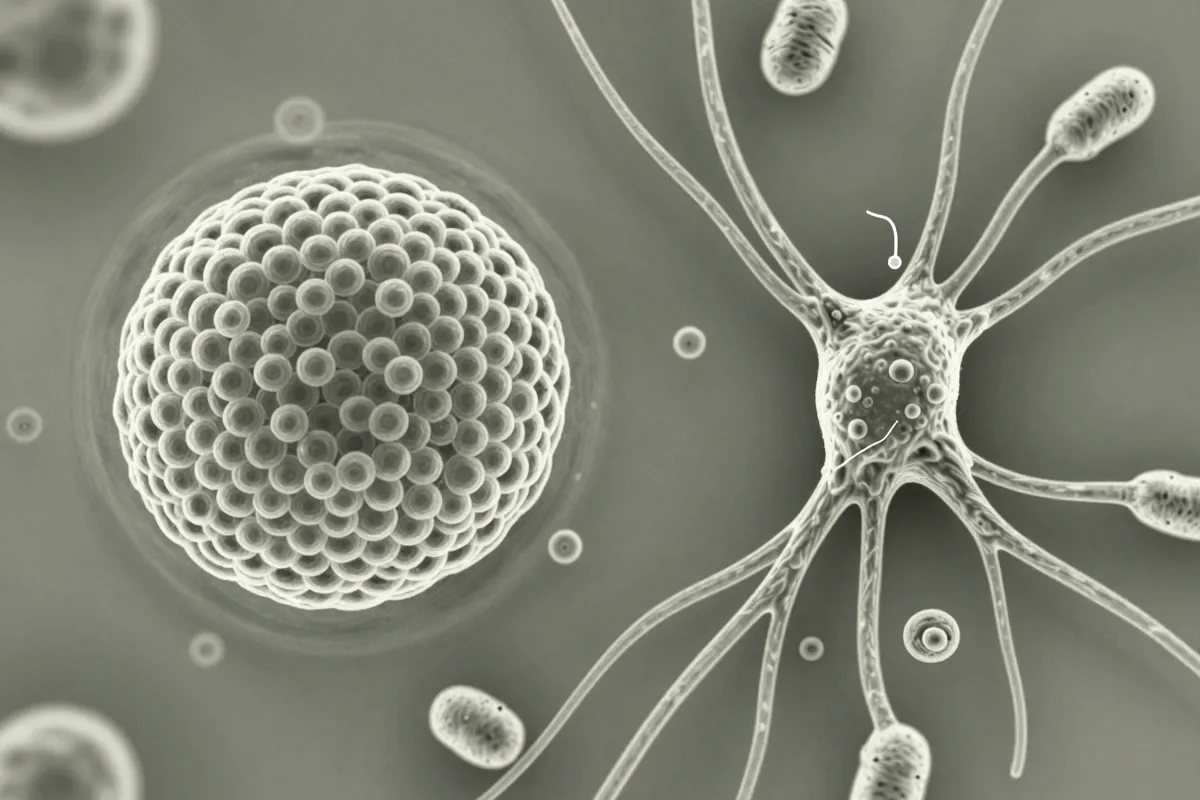
Pluripotency is the capacity of a single cell to give rise to derivatives of all three germ layers: ectoderm, mesoderm and endoderm. Embryonic stem cells hold this state while they keep dividing, and the daughter cells inherit the same open set of options (Embryonic Stem Cells). Differentiation is the controlled loss of those options, and in the lab it is driven by signals supplied in a set order.
What the three germ layers build
| Germ layer | Representative derivatives |
|---|---|
| Ectoderm | neurons, glia, skin epithelium |
| Mesoderm | heart muscle, blood cells, bone, kidney tubules |
| Endoderm | pancreatic beta cells, liver, lung, gut lining |
Every mature cell type in the body comes from one of these layers. Pluripotency stops short of totipotency: ES cells do not build the placenta or the extraembryonic tissues, and they cannot organize into a complete embryo on their own.
Signals that steer fate
Three pathways appear in most protocols: BMP, Activin and Wnt (Embryonic Stem Cells). Each gives different outcomes depending on dose and timing. A short pulse of a factor can push cells toward one lineage, while sustained signaling pushes them toward another. Protocols therefore state not only which factors are used but the day each is added and the day each is withdrawn.
Directed differentiation
With the correct sequence, human ES cells are driven into neurons, heart muscle and pancreatic beta cells (Embryonic stem cells). Most protocols move the population through a precursor stage before the mature cell appears, and each stage has its own medium. Success is judged by the share of cells carrying the target marker, since a single positive result by microscopy can hide a mostly unaltered culture.
Spontaneous differentiation
When the factors that hold the undifferentiated state are removed, or when colonies become crowded and merge, ES cells differentiate on their own and produce mixed populations (Embryonic Stem Cells). That is useful for the teratoma assay and for early screens, and it is a problem when a defined cell type is needed. Overgrown colonies, dense dishes and delayed passaging all raise the share of spontaneously differentiated cells.
Confirming cell identity
Differentiation is checked with marker genes and proteins (Embryonic stem cells), transcripts by qPCR and proteins by immunostaining or flow cytometry. An undifferentiated culture should show pluripotency markers in most cells. A differentiated culture should show lineage markers in the expected proportion. Morphology alone is not enough: a colony can look healthy and still be a mixture.
The teratoma assay
The classic in vivo test for pluripotency is the teratoma assay. Injected cells form a tumor containing tissues from all three germ layers (Embryonic Stem Cells). The assay confirms that a line is still pluripotent, but it says nothing about what a particular differentiation protocol produced, and it requires an immunodeficient animal host.
Organoids
ES cells also self-organize into three-dimensional organoids when given the right matrix and signal sequence, and these structures model aspects of organ development and disease (Embryonic stem cells). Organoids sit alongside two-dimensional cultures: the flat culture is easier to control and image, while the organoid captures spatial organization and cell-to-cell contact that a dish cannot.
Embryonic vs Adult and Induced Pluripotent Stem Cells
Three cell types dominate stem cell work: embryonic stem cells, adult tissue stem cells and induced pluripotent stem cells. They differ in origin, in how much they can become, and in the ethical questions they carry (Human Embryonic Stem Cell Research). Comparing them on those four axes, origin, potency, ethical status and availability, keeps the discussion grounded in what each cell can actually do.
Embryonic stem cells
Human ES cells come from the inner cell mass of a blastocyst and can develop into all or nearly all tissues of the body (Human Embryonic Stem Cell Research). Their combination of pluripotency and long-term self-renewal makes them the reference cell type for studies of early human development (Embryonic Stem Cells).
Adult stem cells
Adult stem cells live within tissues, where they replace cells lost to wear, injury and turnover. They are usually multipotent, meaning they produce a limited set of cell types, not the full range (Stem cells: What they are and what they do). Blood-forming stem cells in bone marrow are the familiar example: they rebuild the blood system, and they do not turn into neurons or heart muscle.
Induced pluripotent stem cells
iPSCs are adult cells reprogrammed back to a pluripotent state, with pluripotency comparable to that of ES cells (Stem cells: What they are and what they do). Because they are made from a tissue sample, they avoid the use of embryos (Human Embryonic Stem Cell Research). A patient-specific iPSC line also allows a disease to be studied in the patient's own genetic background.
Comparison at a glance
| Feature | Embryonic stem cells | Adult stem cells | Induced pluripotent stem cells |
|---|---|---|---|
| Source | inner cell mass of a blastocyst (Human Embryonic Stem Cell Research) | resident cells of adult tissues (Stem cells: What they are and what they do) | reprogrammed adult cells |
| Potency | pluripotent, all three germ layers (Embryonic Stem Cells) | usually multipotent | pluripotent, like ES cells |
| Embryo involved | yes; derivation destroys the blastocyst | no | no |
| Ethical debate | central, tied to embryo destruction | limited | avoids embryo use |
| Teratoma formation | yes in immunodeficient models (Embryonic stem cells) | not a defining property of the cell type | yes |
| Main research role | benchmark for pluripotency | tissue repair and regeneration studies | disease modeling and drug screening |
Shared safety work
Both ES and iPS cells can form teratomas, so the same work on directed differentiation, purification and safety testing applies to both (Embryonic stem cells). A graft that still contains undifferentiated cells carries risk whichever pluripotent source produced it. Progress on one cell type therefore transfers to the other.
Why ES cells remain the benchmark
Pluripotency tests, marker panels and differentiation protocols were first worked out in ES cells, and new pluripotent lines are judged against them (Embryonic Stem Cells). iPSCs are compared with ES cells for potency, stability and differentiation behavior. The comparison is not settled by one number: a line that outperforms on expansion may lag on stability, and the choice of cell type follows the question being asked.
Growing and Maintaining Embryonic Stem Cells in the Lab
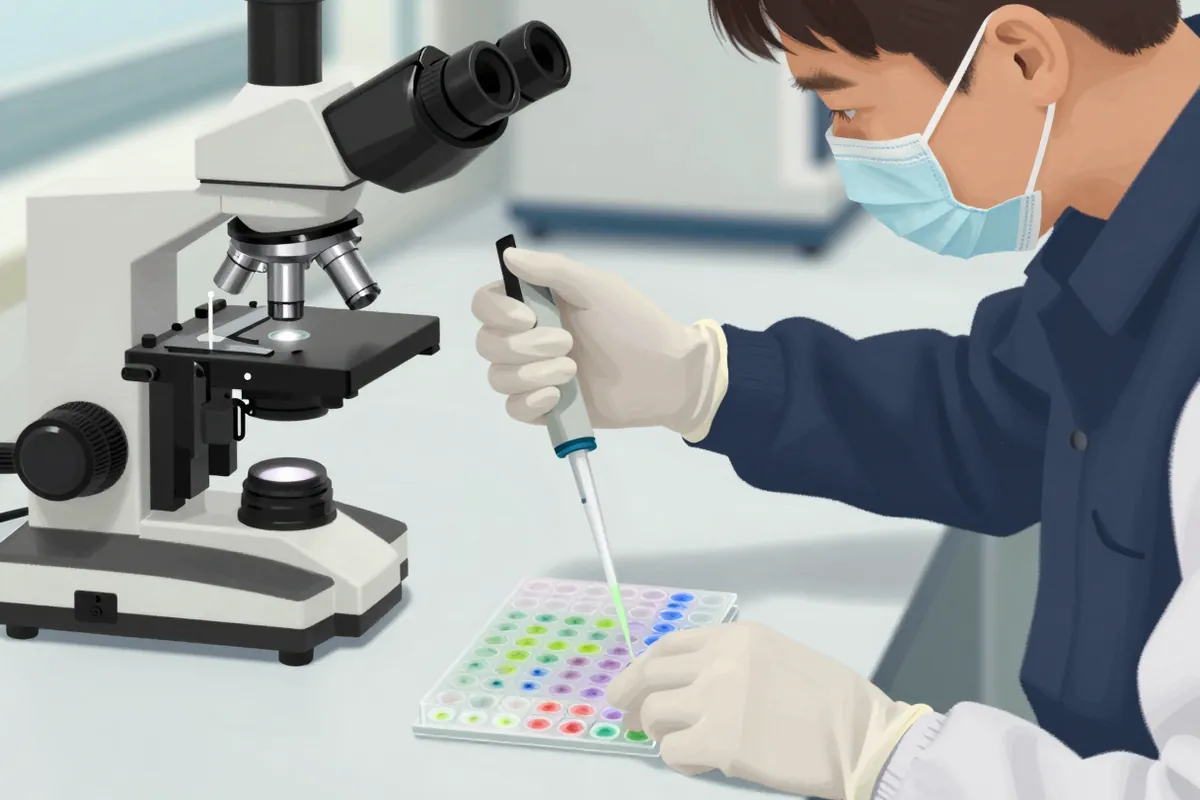
Human ES cells grow as flat colonies attached to a surface. They stay undifferentiated only when the substrate, the medium and the handling schedule all support an unspecialized state. One lapse in the schedule can leave a culture partly differentiated and unsuitable for a controlled experiment.
Getting the surface right
Feeder layers of inactivated fibroblasts, or defined matrices, keep colonies attached and healthy (Embryonic stem cells). Feeder-based culture supplies attachment and soluble factors, but it brings variability and animal-derived material into the dish. Defined matrices give more reproducible, chemically specified conditions, and many labs use them for human ES cells.
The medium
Culture media include bFGF and other factors that block differentiation (Embryonic Stem Cells). The medium is usually changed often enough to keep factor levels steady, since unstable medium shifts the balance toward differentiation. Medium lots are recorded because a change of lot can alter growth rate and colony morphology.
Passaging
Colonies are split before they merge and lose their edges. Passaging is done by enzyme treatment or by mechanical cutting of colony pieces (Embryonic stem cells). Mechanical cutting leaves clumps that settle and attach well, while enzyme-based passaging is faster but depends on careful timing: too long in the enzyme damages cells, too short leaves colonies stuck to the dish. Passage number is recorded at every split.
Routine quality control
| Check | What it detects | Typical method |
|---|---|---|
| Karyotype | chromosome gains or losses (Embryonic Stem Cells) | G-banded metaphase spreads |
| Pluripotency markers | loss of the undifferentiated state | immunostaining, flow cytometry, qPCR |
| Colony morphology | spontaneous differentiation | daily microscopy |
| Mycoplasma | hidden contamination that alters growth (Embryonic stem cells) | PCR or culture |
| Viral testing | contamination from feeder or donor material | screening of source materials |
| Sterility | bacterial and fungal contamination | visual check and culture |
Contamination control
Mycoplasma and viral testing protect cultures and results (Embryonic stem cells). Mycoplasma is the harder problem because it does not always change the appearance of a culture, yet it can shift growth rate, metabolism and differentiation. Viral contamination matters most for feeder material and for any cell lot intended for clinical work.
Banking and reproducibility
Cryopreservation banks early-passage cells for reproducibility (Embryonic stem cells). Working from a single banked lot reduces drift between experiments. Each vial should carry its passage number, karyotype result and marker profile so that a later user can confirm the identity of the line.
Records that matter
A culture record that lists passage number, split ratio, matrix lot, medium lot and any deviation is the difference between a reproducible result and an anecdote. When a differentiation experiment fails, the record usually shows whether the starting culture or the protocol was at fault.
Research and Medical Applications
Modeling development and disease
Human ES cells model early development and genetic disease (Embryonic Stem Cells). Because the cells can be differentiated into the cell type of interest, a disease-causing mutation can be studied in the tissue it actually affects, at stages that are hard to reach in a patient. Differentiation itself becomes the experiment: protocols reveal the order in which lineages appear and the signals that time each step.
Drug screening and toxicity
ES-derived heart and liver cells are used in drug screening (Embryonic stem cells). Cardiomyocytes let a lab see whether a compound changes beating rate or rhythm, and hepatocytes show whether a compound is metabolized into something harmful. Human cells answer questions that animal cells answer poorly, particularly for drugs that act on human-specific channels or enzymes.
Cell therapy targets
Clinical trials have tested ES-derived cells for eye disease (Human Embryonic Stem Cell Research). Blood, brain and pancreatic cells are active differentiation targets (Embryonic Stem Cells). Each target has its own difficulty: blood cells must mature and function in circulation, neural cells must survive in the central nervous system, and beta cells must release insulin in response to glucose.
| Application area | Derived cell type | Current status |
|---|---|---|
| Early development and disease models | multiple lineages | active research (Embryonic Stem Cells) |
| Drug safety screening | cardiomyocytes, hepatocytes | research and service use (Embryonic stem cells) |
| Eye disease therapy | retinal cells | clinical trials (Human Embryonic Stem Cell Research) |
| Blood, brain and pancreas | blood, neural and beta cells | differentiation research, experimental use |
Clinical status
No broad ES cell therapy is approved for general use (Stem cells: What they are and what they do). Most human use remains experimental and regulated (Human Embryonic Stem Cell Research). That means oversight by research ethics committees, documented consent from embryo donors, and safety monitoring after any transplant. It also means that a clinic offering an ES cell treatment as routine care is outside the current evidence base.
What the lab can and cannot do yet
Directed differentiation can produce the desired cell in useful numbers, and it cannot yet guarantee a pure population. Teratoma risk, immune rejection and long-term survival of grafts remain open problems (Embryonic stem cells). Each of these is a research question with a measurable endpoint, which is why the field advances through controlled trials instead of case reports.
Ethical and Legal Questions
The laboratory methods are settled enough to write as a protocol. The argument around them is not. Human embryonic stem cells are taken from the inner cell mass of a blastocyst, an embryo at about day 4 to day 7 of development, and deriving a new line consumes that embryo (Embryonic Stem Cells; Human Embryonic Stem Cell Research). Nearly every ethical and legal question follows from that fact.
The moral status debate
If a pre-implantation embryo carries the moral status of a person, then destroying it to obtain cells is equivalent to ending a life, and medical promise does not offset the loss. If the early embryo carries special but limited status, then donation with consent and strict oversight can be justified by the expected benefit to patients. The positions rest on different premises about personhood and potential, and no experiment settles them (Human Embryonic Stem Cell Research). Ethics boards, legislatures and public consultations therefore revisit the same arguments with new evidence attached.
Where the embryos come from
Embryos used in research are usually surplus embryos from in vitro fertilization, created for a family's own treatment and no longer needed for it (Stem cells: What they are and what they do; Human Embryonic Stem Cell Research). They would otherwise be discarded. Donation for research is a separate decision from the decision to stop treatment, and consent is meant to be specific. It covers the donation itself, the types of research permitted, and in some settings the possibility that commercial products could be developed from the resulting cells (Human Embryonic Stem Cell Research).
Consent and its limits
A consent discussion usually has to answer three questions:
- Does the donor understand that the embryo will be used to create cell lines and will not be transferred?
- How wide is the permission for future research, including work the donor may find objectionable?
- Does the donor accept that lines can be shared between laboratories and used in commercial development?
Foreseeing every use is hard, because a cell line can outlive the donor's ability to anticipate what will be done with it. Oversight systems handle this by limiting the uses to which lines may be put or by allowing withdrawal before a line is distributed (Human Embryonic Stem Cell Research).
How policies differ
National rules range from permissive to restrictive (Human Embryonic Stem Cell Research). A rough map of the spectrum:
| Approach | Typical shape of the rule |
|---|---|
| Permissive with oversight | New lines may be derived from donated IVF embryos with ethics approval (Human Embryonic Stem Cell Research) |
| Restricted | Derivation is limited or banned while work on imported lines continues |
| Prohibitive | Derivation and some or all embryo-derived research are prohibited |
National law is not the only constraint. Funders, institutions and journals add conditions, so a project legal in one country may be refused funding in another (Human Embryonic Stem Cell Research).
Oversight in practice
Ethics committees review protocols before work begins. Registries record which lines exist and how they were derived. Reporting requirements track what was done with them and what went wrong (Human Embryonic Stem Cell Research). The aim is traceability: a line should be tied to a documented consent and a documented derivation.
Do reprogrammed cells end the debate?
Induced pluripotent stem cells are made from adult cells and need no embryo. They reduce demand for embryo-derived lines and have taken over some research questions (Stem cells: What they are and what they do). They have not ended the ethical argument, because embryo-derived lines remain a reference for pluripotency work and new derivations still occur (Stem cells: What they are and what they do; Human Embryonic Stem Cell Research). The debate now runs alongside the science as well as in front of it.
Safety and Clinical Hurdles
A transplanted cell is not a pill. It can divide, migrate and change behavior after grafting, and the outcome depends on the site, the dose and the immune response of the recipient. These features explain why embryonic stem cell therapy has moved slowly into patients.
Teratomas and leftover undifferentiated cells
The best known hazard is tumor formation. Undifferentiated embryonic stem cells injected into an animal can form teratomas, disorganized growths containing tissues from all three germ layers (Embryonic Stem Cells). A transplant preparation that carries even a small fraction of undifferentiated cells can seed such a growth in a patient. Differentiation protocols are therefore judged by how completely they remove pluripotent cells, as well as by how well they produce the wanted cell type.
Immune rejection
Grafted cells can be recognized as foreign. Rejection is possible unless the cells are matched to the recipient or the recipient receives immunosuppression (Stem cells: What they are and what they do). Matching is complicated by the limited number of available lines and by the time needed to select and test them.
Genetic stability in culture
Cells passaged for long periods can acquire chromosome changes and mutations (Embryonic stem cells). A variant that gains a growth advantage can spread through a culture and dominate it. Banks prefer low-passage, well-characterized lines, and cultures are screened by karyotype and other genomic methods.
Purity, identity and potency
Regulators expect a defined product. Before trials, preparations need purification steps to remove unwanted cells and potency assays that show the cells do what the label claims (Embryonic stem cells). A batch that looks correct under a microscope but fails a functional assay is not ready for a patient.
Delivery, dose and survival
A well-characterized batch still has to reach the target tissue and survive there. Route of administration, cell dose and survival of grafted cells remain uncertain (Human Embryonic Stem Cell Research). A cell that dies soon after injection cannot repair anything, and a dose that works in a mouse may fail in a human.
Long follow-up
Tumors and ectopic tissue can appear late. Long follow-up after transplantation is needed to detect them (Embryonic Stem Cells). That requirement shapes trial design, because a therapy for a slow disease may need years of observation before its safety profile is clear.
| Hurdle | Why it matters | Control measure |
|---|---|---|
| Residual undifferentiated cells | Teratoma formation (Embryonic Stem Cells) | Purification and differentiation checks (Embryonic Stem Cells; Embryonic stem cells) |
| Immune mismatch | Graft rejection (Stem cells: What they are and what they do) | Matching or immunosuppression |
| Genetic change in culture | Altered growth, tumor risk (Embryonic stem cells) | Karyotype and genomic screening |
| Undefined product | Unpredictable effect | Potency assays |
| Poor delivery and survival | No therapeutic effect (Human Embryonic Stem Cell Research) | Delivery route and dose studies |
| Late adverse effects | Tumors, ectopic tissue | Long-term follow-up |
None of these problems is unique to embryo-derived cells, but together they explain why most uses remain in research and why clinical translation is slow (Human Embryonic Stem Cell Research).
Common Misconceptions About Embryonic Stem Cells
Few areas of biology attract as much confusion as this one. The table below pairs the common claims with what the evidence and policy record actually show.
| Myth | What is accurate |
|---|---|
| Embryonic stem cells come from abortions | Most lines come from donated surplus IVF embryos (Stem cells: What they are and what they do; Human Embryonic Stem Cell Research) |
| Embryonic stem cells are the same as adult stem cells | Origin and potency differ; embryonic cells are pluripotent (Stem cells: What they are and what they do) |
| Embryonic stem cell therapy is routine | Most applications remain in research (Human Embryonic Stem Cell Research) |
| Embryonic stem cells always form tumors | Controlled differentiation and purification reduce the risk (Embryonic Stem Cells) |
| Every country bans this research | Policies range from permissive to restrictive |
| Induced pluripotent cells make embryonic lines obsolete | Both are used in research |
The abortion claim
Embryonic stem cells are isolated from the inner cell mass of a blastocyst, an embryo created when an egg is fertilized in an IVF laboratory (Stem cells: What they are and what they do; Human Embryonic Stem Cell Research). Abortion is not a source of these lines. The claim persists because both topics involve the moral status of early human life, and opponents of the research sometimes merge the two arguments.
The equivalence claim
Pluripotency is the defining property of embryonic stem cells: under the right signals they can give rise to cells of all three germ layers. Adult stem cells are multipotent and produce a limited set of cell types (Stem cells: What they are and what they do). Treating the two as interchangeable leads to inflated expectations for adult cell therapies and to unfair dismissal of embryonic lines as a research tool.
The routine therapy claim
Stem cell clinics advertise treatments for a long list of conditions. For embryonic stem cells, most of that work is still experimental; the applications described in reviews are goals for laboratories, not established practice (Human Embryonic Stem Cell Research). A patient offered an embryonic stem cell injection outside a registered trial should ask which regulator approved the product and which published data support it.
The tumor claim
Teratoma formation is a real risk when undifferentiated cells are transplanted (Embryonic Stem Cells). It is also a risk that laboratory work is designed to control: differentiation protocols that remove pluripotent cells before grafting reduce the chance of disorganized growth. The risk explains the emphasis on purity testing, not a reason to abandon the field.
The blanket ban claim
Some countries permit derivation with ethics approval, others restrict it, and others prohibit it (Human Embryonic Stem Cell Research). Researchers must follow the law where the work is done, and often the additional rules of funders and institutions.
The obsolescence claim
Reprogrammed adult cells avoid embryo destruction and have widened access to pluripotent cells (Stem cells: What they are and what they do). Embryonic lines are still used as a benchmark for pluripotency and differentiation, and new lines are still derived where policy allows (Stem cells: What they are and what they do; Human Embryonic Stem Cell Research). The two cell types answer different research questions and often appear in the same paper.
Related Guides
- The Four Principles of Clinical Research Ethics: Covers core clinical research ethics principles relevant to embryo studies
- Ethical Considerations in Research with Human Participants: A Guide to IRB Approval: Guides IRB approval and ethical handling of human research participants
- What Are Research Ethics? Core Principles and Definitions: Defines research ethics principles and terminology for informed readers
- Beneficence in Research Ethics: Balancing Risks and Benefits: Explains beneficence and risk-benefit balancing in research ethics
- Stem Cell Therapy: A Decision Framework for Patients and Clinicians: Offers a decision framework for evaluating stem cell therapy claims
- Stem Cell Transplants: A Guide to Donation and Recipient Care: Explains transplant donation and recipient care for stem cell procedures
- Ethical Review of International Research: Discusses ethical review for international research and country-specific rules
- Informed Consent for Vulnerable Populations: Explains informed consent protections for vulnerable research populations
Frequently Asked Questions
What are embryonic stem cells?
Embryonic stem cells are pluripotent cells taken from the inner cell mass of a blastocyst, an early stage of the developing embryo lasting from about day 4 to day 7 (Embryonic Stem Cells). Pluripotency means they can differentiate into the three primary germ layers, ectoderm, endoderm and mesoderm, which give rise to the more than 220 cell types found in the adult human body (Embryonic stem cell). Under defined laboratory conditions they self-renew indefinitely while remaining undifferentiated, and they maintain a normal karyotype with high telomerase activity.
Where do embryonic stem cells come from?
They are isolated from the inner cell mass of a blastocyst, the early embryo stage that human embryos reach roughly 4 to 5 days after fertilization, when they consist of about 50 to 150 cells (Embryonic stem cell). In practice, the embryos come from in vitro fertilization clinics, where surplus early-stage embryos are donated for research (Stem cells: What they are and what they do). Isolating the inner cell mass with techniques such as immunosurgery destroys the blastocyst, which is the origin of the ethical debate surrounding this work.
What is the difference between embryonic and adult stem cells?
The key difference is potency. Embryonic stem cells are pluripotent, so they can generate cells of all three germ layers and, in principle, every tissue type in the body (Embryonic stem cell). Adult stem cells are multipotent, meaning they can only produce a limited number of cell types, usually those of the tissue in which they reside. Embryonic cells also self-renew indefinitely in culture under defined conditions, while adult stem cells are scarcer in tissue and harder to expand to large numbers in the lab.
Are embryonic stem cells used to treat diseases today?
Not as routine, approved therapy. Most work remains preclinical, and clinical use is a goal for many laboratories (Embryonic stem cell). Potential uses under study include diabetes and heart disease, along with cell models of genetic disorders and cellular repair. Researchers have reported adverse effects in research and clinical processes, including tumor formation and unwanted immune responses. Those problems, plus the need for reliable, controlled differentiation, must be addressed before large clinical trials can be considered (Embryonic stem cells).
Why are embryonic stem cells controversial?
Deriving them destroys the blastocyst, so the debate centers on whether a pre-implantation embryo has the same moral consideration as a later embryo or a person (Embryonic stem cell). Some people object on religious or ethical grounds to creating embryos for research or to using surplus embryos left over from fertility treatment (Stem cells: What they are and what they do). Others support the work because of its potential in tissue engineering and regenerative medicine (Embryonic stem cells). Because positions differ, regulation varies between countries, and alternative cell sources receive attention partly to reduce reliance on embryos.
Can induced pluripotent stem cells replace embryonic stem cells?
Induced pluripotent stem cells are made by reprogramming mature adult cells back to a pluripotent state, so their production does not require the destruction of an embryo. They can be generated from a patient's own tissue, which reduces the risk of immune rejection. They are now widely used in disease modeling and drug screening, and many laboratories treat them as a practical substitute for embryonic lines. Limits remain, including imperfect reprogramming and possible genetic or epigenetic abnormalities, so embryonic stem cells are still used as a reference in research.
References and Further Reading
- Embryonic Stem Cells - NCBI, ncbi.nlm.nih.gov
- Embryonic stem cell, en.wikipedia.org
- Human Embryonic Stem Cell Research, hrpp.research.virginia.edu
- Embryonic stem cells - PMC, pmc.ncbi.nlm.nih.gov
- Stem cells: What they are and what they do, mayoclinic.org