Lactobacillus: Bacteria, Benefits and Uses
By Dr. Zubair Khalid, DVM, MS, PhD ·

Lactobacillus is a genus of gram-positive, rod-shaped, non-spore-forming bacteria in the family Lactobacillaceae, and its members are among the most common probiotics used in food and supplements (Lactobacillus; Lactobacillus). They live naturally in the human digestive tract and vagina, where they ferment sugars into lactic acid and help limit colonization by harmful microbes (Lactobacillus; Lactobacillus - an overview).
The genus was reorganized in 2020. Until then it contained 261 species that differed widely in genetics, ecology, and metabolism, and the taxonomic revision moved many former Lactobacillus species into 25 separate genera (Lactobacillus). What remains in the genus Lactobacillus is metabolically uniform: all species are homofermentative, meaning they convert hexoses through glycolysis to lactate as the main end product, and they do not express pyruvate formate lyase. Most are aerotolerant anaerobes or microaerophilic, and their tolerance of oxygen depends on manganese.
Key Points
- Lactobacillus cells are gram-positive rods that do not form endospores; most species grow as aerotolerant anaerobes or microaerophiles and generally do not require iron for growth (Lactobacillus; Lactobacillus).
- A 2020 taxonomic revision split the former genus of 261 species, reassigning many of them to 25 genera, so several familiar probiotic names now belong to other genera (Lactobacillus).
- All species in the genus are homofermentative, producing lactate from hexoses by glycolysis; they lack pyruvate formate lyase, and most do not ferment pentoses.
- Lactobacilli are a major component of the human and animal microbiota at sites such as the digestive system and female genital tract, and they form biofilms that help them persist in harsh conditions.
- Vaginal lactobacilli act as a defense against invading pathogens by producing bactericidal compounds and metabolites and by modulating the local environment (Importance of Lactobacilli for Human Health).
- Lactobacilli are used as probiotics in foods such as yogurt and have been applied to diarrhea, vaginal infections, and skin disorders including eczema, though mechanisms and individual responses still need more research (Lactobacillus; Lactobacillus spp. for Gastrointestinal Health).
At a Glance
| Feature | Summary |
|---|---|
| What it is | Gram-positive, rod-shaped lactic acid bacteria |
| Main product | Lactic acid made from sugar fermentation |
| Where found | Gut, mouth, vagina, fermented foods, plants |
| Common uses | Probiotics, yogurt, cheese, silage |
| Safety | Generally safe; rare risk in immunocompromised people |
| Evidence | Strain specific; strongest for some diarrheas |
Lactobacillus is a genus of gram-positive bacteria in the family Lactobacillaceae, and lactobacilli are among the most common probiotics found in foods such as yogurt (Lactobacillus). Health effects are strain specific, so a product is best judged by the exact strain it contains and the evidence behind that strain (Lactobacillus spp. for Gastrointestinal Health).
What Lactobacillus Is: Shape, Gram Stain and Metabolism
Lactobacillus is a genus of gram-positive bacteria within the family Lactobacillaceae (Lactobacillus). The cells are rod shaped and do not form endospores. In a Gram stain they retain crystal violet and appear purple, which reflects the thick peptidoglycan layer in the cell wall.
Cell Shape and Gram Stain
Lactobacillus cells are straight or slightly curved rods that often grow in chains (Lactobacillus). Chain formation gives a stained smear a linked, beaded appearance. Because no endospores are produced, a spore stain remains negative. Rod size and shape vary between species, so shape alone does not identify an isolate. Laboratory identification combines Gram reaction, growth pattern, and the sugars a strain can ferment.
Oxygen and Growth
Lactobacilli are aerotolerant anaerobes or microaerophilic organisms, meaning they grow with or without oxygen (Lactobacillus). Oxygen is not used for respiration in the usual sense. Most species tolerate it, and some can respire when heme and menaquinone are present in the growth medium. Aerotolerance is manganese dependent, a property studied in detail in Lactiplantibacillus plantarum, formerly Lactobacillus plantarum. Lactobacilli generally do not require iron for growth, which sets them apart from many other bacteria.
Sugar Fermentation
Lactobacilli ferment sugars into organic acids. Homofermentative species metabolize hexoses by glycolysis to lactate as the major end product. Heterofermentative species use the phosphoketolase pathway and produce lactate, carbon dioxide, and acetate or ethanol (Lactobacillus). All species in the genus Lactobacillus are homofermentative, do not express pyruvate formate lyase, and most do not ferment pentoses. Pentose metabolism in L. crispatus is strain specific and was acquired by lateral gene transfer. Across the group, the main product is lactic acid, which is why these organisms are classed as lactic acid bacteria (Lactobacillus).
Genome and Classification
Lactobacillus genomes have a low guanine and cytosine content (Lactobacillus). The genus has long been grouped with other lactic acid bacteria, a functional grouping based on shared fermentation products (Lactobacillus - an overview). The family Lactobacillaceae is the only family of lactic acid bacteria that includes both homofermentative and heterofermentative organisms, and within the family the fermentation type is shared by all strains of a genus.
Where Lactobacillus Lives in Nature and the Body
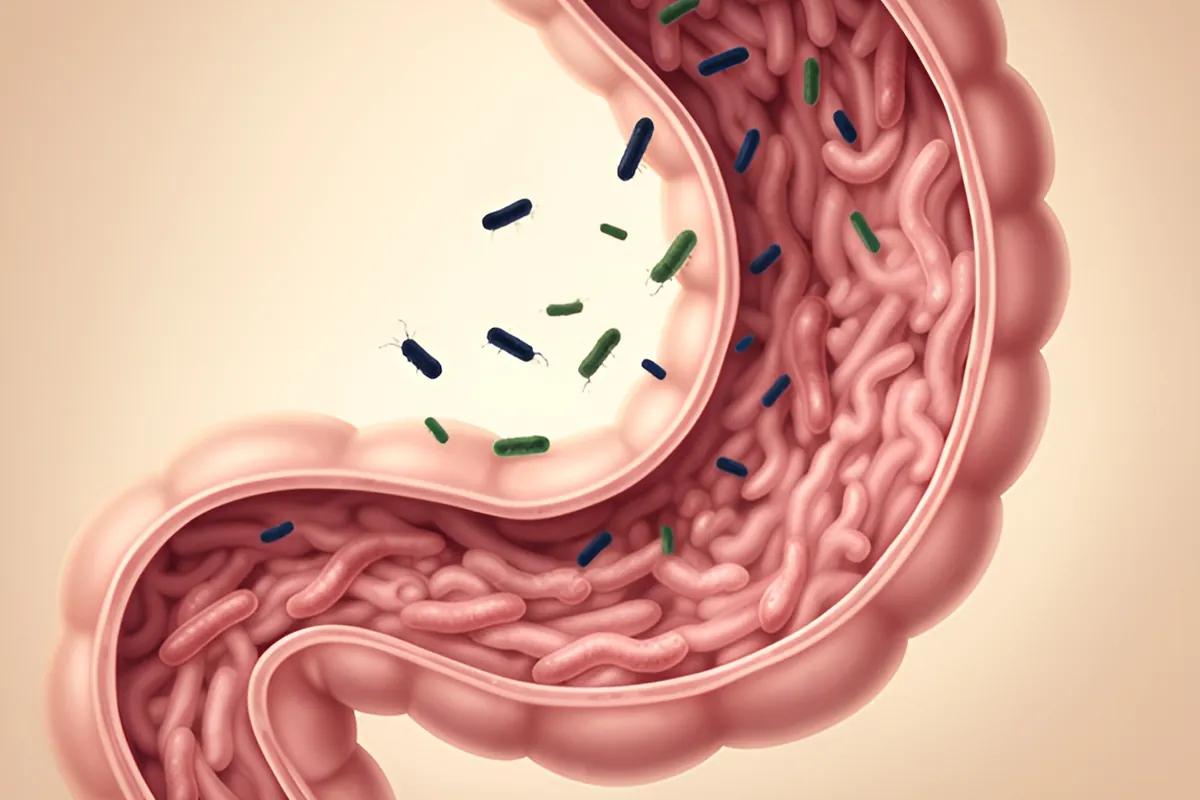
Lactobacillus species are a significant component of the human and animal microbiota at several body sites, including the digestive system and the female genital system (Lactobacillus). They also occur widely outside the body, in fermented foods, plants, soil, and the digestive tracts of farm animals.
In the Human Body
Lactobacilli are part of the normal microbiota of healthy people and are found in the mouth, gut, vagina, and skin (Importance of Lactobacilli for Human Health). In the vagina they form a major part of the resident microbiota and produce bactericidal compounds and metabolites that help defend against invading pathogens. Lactobacillus forms biofilms in the vaginal and gut microbiota, which allows the organisms to persist in harsh environmental conditions and maintain ample populations (Lactobacillus). The relationship with the host is mutualistic: the bacteria protect the host against potential invasions by pathogens, and the host provides a source of nutrients.
In Food and Fermentation
Fermented foods are a major reservoir. Yogurt, cheese, and sauerkraut all depend on lactic acid bacteria, including Lactobacillus species, for acid production, flavor, and preservation (Lactobacillus). In these foods the bacteria are present in high numbers while the fermentation is active and, in many products, remain viable at the time of eating.
In the Environment and Agriculture
Lactobacilli are found on plants, in soil, in silage, and in spoiled food (Lactobacillus). They are also part of the rumen and digestive tract microbiota of farm animals (Lactobacillus - an overview). In silage, the same acid production that sours milk preserves chopped forage by lowering pH and limiting the growth of spoilage organisms.
Why Location Matters
The site an organism occupies shapes its behavior. A strain adapted to the vaginal environment faces different pH, oxygen, and nutrient conditions than a strain adapted to plant material or milk. This is one reason a species name alone says little about what a product will do in the body (Lactobacillus spp. for Gastrointestinal Health).
Major Species and How They Differ
The genus contains many named species, and they are not interchangeable. Common species discussed in human health and food production include L. acidophilus, L. casei, L. rhamnosus, and L. plantarum (Lactobacillus spp. for Gastrointestinal Health). Dairy fermentations rely on organisms such as L. bulgaricus and L. helveticus (Lactobacillus).
Common Species and Their Typical Settings
| Species | Typical setting |
|---|---|
| L. acidophilus | Dairy products and probiotic preparations studied for gastrointestinal health (Lactobacillus spp. for Gastrointestinal Health) |
| L. casei | Dairy products and probiotic preparations |
| L. rhamnosus | Probiotic strains studied in gastrointestinal research |
| L. plantarum | Plant and food fermentations; now named Lactiplantibacillus plantarum (Lactobacillus) |
| L. bulgaricus | Yogurt starter culture (Lactobacillus) |
| L. helveticus | Dairy starter culture |
What Separates Them
Species differ in which sugars they can use and how much acid they tolerate (Lactobacillus - an overview). Those differences decide where an organism can grow: a strain that handles low pH thrives in a ripening cheese or a fermenting vegetable, while a strain with different sugar preferences may not. Some strains are studied as probiotics, while others serve mainly as starter cultures that acidify food (Lactobacillus spp. for Gastrointestinal Health). Even within one species, strains can differ in the traits that matter for health, which is why studies and product labels usually name the strain, not just the species.
Taxonomy After 2020
Until 2020, the genus Lactobacillus comprised 261 species that were phylogenetically, ecologically, and metabolically diverse. A taxonomic revision reassigned many former Lactobacillus species to 25 genera (Lactobacillus). L. plantarum, for example, is now classified as Lactiplantibacillus plantarum. The practical effect is that older papers, product labels, and culture catalogs may use the former names, while newer literature uses the revised ones. Both names refer to the same organism, and a search for either will usually find the relevant work.
Reading a Label
A product that lists only "Lactobacillus spp." gives limited information. A label that names the species and strain, such as a specific L. rhamnosus strain, allows the buyer to check whether that strain has been studied for the intended use (Lactobacillus spp. for Gastrointestinal Health).
How Lactobacillus Ferments Food
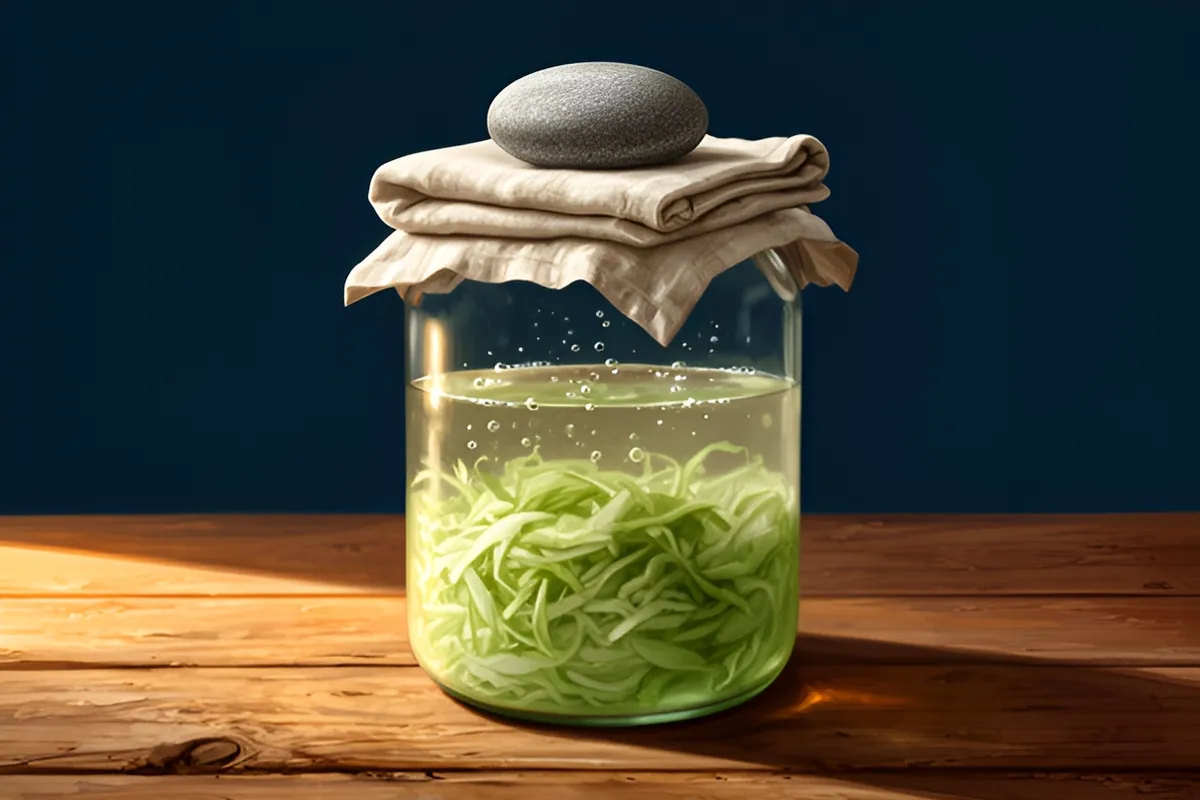
Lactobacillus takes its name from the end product of its main metabolic route: lactic acid. When these rod-shaped bacteria grow in milk, vegetable brine, or bread dough, they consume sugars and release acid that changes flavor, texture, and keeping quality (Lactobacillus). The same reaction that sours milk also preserves vegetables and helps leaven bread.
Two Routes to Lactic Acid
Lactic acid bacteria use two broad fermentation patterns (Lactobacillus).
- Homofermentative. Hexoses are metabolized by glycolysis, and lactate is the major end product (Lactobacillus).
- Heterofermentative. Hexoses are metabolized by the phosphoketolase pathway, giving lactate, carbon dioxide, and acetate or ethanol as major end products.
The two patterns are not spread evenly across the family. In the family Lactobacillaceae, homofermentative or heterofermentative metabolism is shared by all strains of a genus (Lactobacillus). After the 2020 taxonomic revision, the species that remain in the genus Lactobacillus are all homofermentative, do not express pyruvate formate lyase, and most do not ferment pentoses. Organisms that ferment sugars by the heterofermentative route now sit in other genera of the same family.
| Feature | Homofermentative | Heterofermentative |
|---|---|---|
| Core pathway | Glycolysis | Phosphoketolase |
| Major end products | Lactate | Lactate, CO2, acetate or ethanol |
| Gas production | Little or none | Carbon dioxide |
| Pentose sugars | Rarely used | Often used |
| Genus placement after 2020 | Lactobacillus species | Mostly other Lactobacillaceae genera |
What Happens in a Fermenting Batch
A fermentation follows a predictable sequence.
- Sugars become available. Milk supplies lactose, cabbage and other vegetables supply glucose and fructose, and flour dough supplies maltose and other sugars released by grain enzymes.
- Lactobacilli take up the sugars and convert them to lactic acid (Lactobacillus).
- The acid lowers the pH of the food.
- The lower pH slows many spoilage organisms and pathogens, which helps preserve the food.
- Acid also acts on proteins. In milk, casein proteins lose their stability and aggregate, which thickens the product into yogurt or sets a cheese curd.
Lactobacilli tolerate oxygen without using it, and they do not form endospores (Lactobacillus). That combination lets them survive in open brine tanks, sealed jars, and the low-oxygen interior of a cheese wheel.
Foods Built by Lactobacillus
| Food | Main sugar source | Fermentation job | Result |
|---|---|---|---|
| Yogurt | Lactose in milk | Acidify milk, coagulate casein | Tang and thick body |
| Cheese | Lactose in milk | Acidify curd, shape ripening | Flavor, texture, keeping quality |
| Sauerkraut | Sugars in cabbage | Acidify the brine | Sour taste, preservation |
| Kimchi | Sugars in vegetables | Lactic fermentation of the vegetable mix | Sour, slightly fizzy character |
| Sourdough | Maltose and other flour sugars | Acidify dough alongside yeasts | Sour flavor and gas bubbles |
The tang and the bubbles are fermentation products, not additives (Lactobacillus - an overview). Heterofermentative organisms release carbon dioxide, which leavens bread and gives some vegetable ferments a light fizz (Lactobacillus; Lactobacillus - an overview).
Lactobacillus in the Gut: Digestion, Immunity and Barrier
Lactobacillus species are a significant component of the human and animal microbiota at several body sites, including the digestive system and the female genital system (Lactobacillus). They form biofilms in the gut and vaginal microbiota, which helps them persist in harsh conditions and hold their populations. The relationship is mutualistic: the bacteria help protect the host against invasion by pathogens, and the host supplies nutrients.
Where They Sit
Lactobacilli are aerotolerant anaerobes or microaerophilic rods that do not form endospores (Lactobacillus). In the gut they live in the lumen and near the mucus layer, often as part of mixed biofilms. In the vagina they are normally a major part of the microbiota. They generally do not require iron for growth, which separates them from many other gut bacteria.
Digestion
- Lactobacilli help break down lactose and some dietary fibers (Lactobacillus spp. for Gastrointestinal Health).
- They produce lactic acid and short-chain fatty acids as fermentation products (Importance of Lactobacilli for Human Health).
- The acid they generate lowers the local pH, which shapes which other organisms can grow.
Lactic acid produced in the gut is not wasted. Other members of the microbiota can use it as a substrate, and the short-chain fatty acids that result feed the cells lining the colon and influence the local environment (Importance of Lactobacilli for Human Health).
Barrier and Immunity
- Lactobacilli compete with pathogens for nutrients and for space on the gut surface (Lactobacillus spp. for Gastrointestinal Health).
- They interact with gut immune cells and with the mucus layer that covers the epithelium (Importance of Lactobacilli for Human Health).
- Vaginal lactobacilli produce bactericidal compounds and metabolites and modulate the local environment, which makes them a defense against invading pathogens.
The mucus layer is the physical barrier between the microbiota and the cells beneath it. When lactobacilli adhere to mucus and to epithelial surfaces, they occupy binding sites that pathogens would otherwise use, and their metabolites signal to immune cells in the underlying tissue (Lactobacillus spp. for Gastrointestinal Health; Importance of Lactobacilli for Human Health).
Antibiotic-Associated Diarrhea
One of the most studied gut effects is the reduction of diarrhea linked to antibiotics (Lactobacillus spp. for Gastrointestinal Health). Antibiotics disturb the resident community, and lactobacilli are among the organisms used to try to restore balance during and after treatment. The evidence supports an association between Lactobacillus probiotics and gut benefits, but the exact mechanisms and the size of the benefit for any one person still need more work.
What This Means in Practice
Gut effects depend on the strain, the dose, and the state of the person's own microbiota (Lactobacillus spp. for Gastrointestinal Health). A product that helps one person may do little for another, and direct comparisons between studies are difficult because they use different strains, different combinations, and different conditions.
Probiotic Uses and What the Evidence Shows
Lactobacilli are among the most common probiotics found in food such as yogurt, and they are applied in attempts to help treat diarrhea, vaginal infections, and skin disorders such as eczema (Lactobacillus). The evidence behind those uses is uneven. Some conditions have been examined in controlled trials, while others rest on smaller studies and mechanistic work (Lactobacillus spp. for Gastrointestinal Health).
Antibiotic-Associated and Infectious Diarrhea
- Lactobacillus probiotics have been studied for diarrhea that follows antibiotic treatment (Lactobacillus spp. for Gastrointestinal Health).
- They have also been studied for infectious diarrhea, where the goals are shorter duration and less severe symptoms.
- Reviews report strong associations between various Lactobacillus probiotics and health benefits, while noting that mechanisms and individual responses need more research.
Vaginal Health
Vaginal lactobacilli are a major part of the normal vaginal microbiota (Lactobacillus). They produce bactericidal compounds and metabolites and modulate the local environment, which makes them a defense against invading pathogens (Importance of Lactobacilli for Human Health). This biology is the basis for studying Lactobacillus products in bacterial vaginosis and other vaginal conditions.
Lactose Intolerance
Symptoms of lactose intolerance may be eased by Lactobacillus (Lactobacillus spp. for Gastrointestinal Health). The proposed route is breakdown of lactose by bacterial enzymes in the gut, which reduces the amount of undigested sugar reaching the colon. Effects vary between products and between people.
Strain and Dose Determine the Effect
Effects are strain specific and dose dependent (Lactobacillus spp. for Gastrointestinal Health). Two products can carry the same species name and behave differently, because the properties that matter sit at the strain level. Studies are hard to compare directly when they use different single strains, different combinations, and different host conditions.
| Condition | What is studied | State of the evidence |
|---|---|---|
| Antibiotic-associated diarrhea | Prevention or reduction during antibiotic courses | Studied; may reduce diarrhea (Lactobacillus spp. for Gastrointestinal Health) |
| Infectious diarrhea | Duration and severity of symptoms | Studied |
| Bacterial vaginosis and vaginal health | Restoration of lactobacilli in the vaginal microbiota | Researched; lactobacilli are a normal defense (Lactobacillus; Importance of Lactobacilli for Human Health) |
| Lactose intolerance | Symptom relief with dairy foods | May ease symptoms |
| General gut health | Barrier function, inflammation, immune signaling | Strong associations reported; mechanisms still under study |
Reading Claims on a Product
Evidence strength varies by condition and by product (Lactobacillus - an overview). A label that lists a species without a strain designation gives little information about what has been tested. When a claim names a specific strain and a specific condition, that pairing is what the studies apply to (Lactobacillus spp. for Gastrointestinal Health). Dose also matters, since a product that delivers too few viable cells cannot reproduce the conditions of a successful trial.
Lactobacillus in Animals and Veterinary Use
Lactobacillus is a significant component of human and animal microbiota and is recognized for its use as a probiotic agent (Lactobacillus - an overview). In animals, the genus appears in three roles: as normal resident flora, as a fermentation culture in feed, and as a supplement given for gut health.
Normal Flora in Animals
Lactobacilli are part of the normal flora of the rumen, the intestinal tract, and the urogenital tract (Lactobacillus - an overview). They are aerotolerant anaerobes or microaerophilic rods that do not form endospores, and they form biofilms that help them persist in harsh conditions (Lactobacillus). In the rumen they work alongside a dense community of other bacteria, protozoa, and fungi that break down plant material.
Silage and Fermented Feed
Lactic acid fermentation is the basis of silage making. Sugars in the cut forage are converted to lactic acid, the pH falls, and the acid preserves the crop for storage and later feeding (Lactobacillus - an overview). The same principle applies to other fermented livestock feeds. A well-managed fermentation keeps acid production fast and the final pH low, which limits spoilage organisms.
Probiotics for Calves, Poultry and Pigs
Lactobacillus preparations are given as probiotics to calves, poultry, and pigs (Lactobacillus - an overview). The usual aim is support of gut health after a period of stress or after antibiotic treatment (Importance of Lactobacilli for Human Health). Common stress points in production animals include transport, weaning, diet change, crowding, and heat.
| Animal | Typical setting | Aim of use |
|---|---|---|
| Calves | Around weaning, transport, or diet change | Support gut health after stress (Lactobacillus - an overview; Importance of Lactobacilli for Human Health) |
| Poultry | Feed or water during stressful periods | Support gut health after stress or antibiotics (Lactobacillus - an overview; Importance of Lactobacilli for Human Health) |
| Pigs | Around weaning and diet transitions | Support gut health after stress (Lactobacillus - an overview; Importance of Lactobacilli for Human Health) |
| Ruminants | Silage and fermented feed | Preserve forage through lactic acid fermentation (Lactobacillus - an overview) |
Strain Choice Differs by Species
Strain choice differs for each animal species (Lactobacillus - an overview). A strain selected for a
Safety, Side Effects and Cautions
Lactobacillus species have a long history of use in fermented foods, and for healthy consumers at normal doses they are generally safe (Lactobacillus spp. for Gastrointestinal Health). That general record does not mean every product suits every person. Risk depends on the strain, the dose, the health of the person taking it, and how the product was stored before use.
Who Can Use Lactobacillus Safely
For healthy people taking normal doses, Lactobacillus probiotics are generally safe (Lactobacillus spp. for Gastrointestinal Health). Side effects that do get reported tend to be mild and digestive: gas, bloating, and loose stools in the first days of use. These usually settle as the gut adjusts.
Fermented foods containing lactobacilli, such as yogurt, have a long history of everyday consumption. The safety record of food and the safety record of concentrated supplements are not identical, because supplement doses can be far higher than what a serving of food provides.
Groups That Need Extra Caution
Serious infections linked to probiotic lactobacilli are rare and have been reported mainly in severely ill patients (Lactobacillus spp. for Gastrointestinal Health). The pattern matters more than the raw numbers. People whose immune defenses are weakened, people with indwelling medical devices, and people with damaged intestinal barriers carry the highest theoretical risk.
Caution is warranted in:
- People receiving immunosuppressive therapy or with congenital immune defects (Lactobacillus spp. for Gastrointestinal Health)
- Patients with central venous lines, where bacteria can seed the bloodstream
- Critically ill patients in intensive care
- People with short bowel syndrome or severe mucosal damage
- Infants who are premature or seriously ill
In these groups, a clinician should decide whether a probiotic is appropriate. Live bacteria that are harmless in a healthy gut can behave differently when the gut wall is injured or the immune system cannot contain them.
Product-Related Cautions
Some products carry live bacteria and added sugars (Lactobacillus - an overview). That matters for people managing diabetes and for anyone watching calorie intake. Sugar content appears on the nutrition panel; bacterial content is not always stated clearly.
Storage and expiry instructions on the label should be followed (Lactobacillus - an overview). A product that required refrigeration and sat in a warm warehouse may contain far fewer viable cells than the label claims. Expired products should be discarded.
When to Stop
Stop use and seek medical advice if fever, chills, persistent abdominal pain, or blood in the stool develops after starting a probiotic. These symptoms are uncommon and usually have other causes, but they deserve assessment.
Common Misconceptions About Lactobacillus
The word Lactobacillus gets used loosely in advertising, in conversation, and in product names. Several common beliefs about it do not match the microbiology.
Misconception: All Lactobacillus Strains Behave the Same Way
Strain-level differences are real. Different strains within the same species can have different effects, and comparisons across studies are difficult because researchers use different strains, combinations, and doses, and because individuals respond differently (Lactobacillus spp. for Gastrointestinal Health). A product labeled with one strain cannot be assumed to work like a product labeled with another.
Misconception: A Higher CFU Count Always Means a Better Product
CFU stands for colony forming units, a count of cells able to grow. A larger number on the box does not guarantee a better outcome (Lactobacillus - an overview). What matters is whether the strain has been studied for the intended use, whether the count is guaranteed at end of shelf life, and whether the cells are still alive when the product is used.
Misconception: Lactobacillus Is One Species
Lactobacillus is a genus, not a species (Lactobacillus). Until 2020 the genus contained 261 species that differed in genetics, ecology, and metabolism; a taxonomic revision then reassigned many former Lactobacillus species to 25 genera. Species such as L. acidophilus and L. crispatus are distinct organisms with distinct properties. Members of the genus are gram-positive, rod-shaped, non-spore-forming bacteria in the family Lactobacillaceae (Lactobacillus; Lactobacillus).
Misconception: Probiotics Can Replace Medical Treatment for Infection
Probiotics are not a substitute for antibiotics or other treatment when a bacterial infection requires them (Lactobacillus spp. for Gastrointestinal Health). Evidence supports certain Lactobacillus strains for specific gastrointestinal uses, and research continues into how these effects are produced and how much individual variation exists. Self-treating a serious infection with a probiotic delays effective care.
Misconception: Yogurt and Capsules Always Have Equal Effects
Yogurt and capsules differ in strain content, dose, viability, and the food matrix around the bacteria (Lactobacillus - an overview). A serving of yogurt may deliver a different number and mix of organisms than a capsule, and storage conditions affect both. Neither form is automatically superior; the choice depends on the strain studied for the goal and the dose needed.
| Common claim | What the evidence supports |
|---|---|
| All strains are equivalent | Effects are strain-specific; study designs vary (Lactobacillus spp. for Gastrointestinal Health) |
| More CFU is always better | Count alone does not predict benefit (Lactobacillus - an overview) |
| Lactobacillus is one species | It is a genus of many species (Lactobacillus) |
| Probiotics replace antibiotics | They do not replace treatment for infection |
| Yogurt equals capsules | Form, dose, and strain differ |
How to Choose and Store Lactobacillus Products
Labels vary widely in how much information they give. A few checks separate a product with a traceable identity from one that cannot be evaluated at all.
Read the Full Name on the Label
A well-labeled product lists genus, species, and strain (Lactobacillus spp. for Gastrointestinal Health). "Lactobacillus acidophilus" names genus and species; a strain designation follows, often as letters and numbers. Strain matters because effects are strain-specific, and studies are conducted on particular strains. Products that list only a "lactobacillus blend" without species or strain names give the buyer no way to check the evidence.
Understand CFU Counts
Look for a CFU count stated at end of shelf life (Lactobacillus - an overview). A number stated "at time of manufacture" can overstate what remains months later, since viable cells decline during storage. Counts are usually written in billions, for example 10 billion CFU per capsule. A higher number is not automatically better; the strain and the studied dose matter more.
Storage and Handling
Follow the label. Refrigerate products when the label requires it (Lactobacillus - an overview). Keep containers closed, away from moisture and heat, and out of direct sunlight. Do not decant capsules into unlabeled containers. Check the expiry date before each use and discard products that are past it.
What to Avoid
Avoid supplements with unlisted or vague strains (Lactobacillus - an overview). Treat these with caution as well:
- Products with no CFU count or no expiry date
- Products making broad disease claims without naming a strain
- Powders or liquids with no storage instructions
- Imports with labels in a language the buyer cannot read
Ask Before Use During Serious Illness
Ask a clinician before use during serious illness (Lactobacillus spp. for Gastrointestinal Health). This applies to people who are immunocompromised, who have central venous lines, who are critically ill, or who are recovering from major gastrointestinal surgery. In these situations the decision should be made with medical supervision.
| Check | Why it matters |
|---|---|
| Genus, species, strain listed | Effects are strain-specific (Lactobacillus spp. for Gastrointestinal Health) |
| CFU stated at end of shelf life | Viable count declines over time (Lactobacillus - an overview) |
| Storage instructions followed | Heat and moisture reduce viability |
| No vague or unlisted strains | Unknown content cannot be evaluated |
| Clinician consulted in serious illness | Rare infection risk in vulnerable patients |
Related Guides
- Can Cats Eat Yogurt? Probiotic Gut Health Benefits
- Probiotics for Cats: Gut Health Benefits and Antibiotic Use
- Probiotics in Newborns: Benefits and Safety
- Gut Health Probiotics for Dogs
- Side Effects of Probiotics for Dogs Gut Health
- Natural Probiotics for Dogs and Gut Health
- How Probiotics for Dogs Support Gut Health
- Probiotics For Dogs Gut Health Powder
- DNA Extraction from Gram-Positive Bacteria: Overcoming the Cell Wall Barrier
- Stain Precipitate vs. Gram-Positive Cocci: A Side-by-Side Visual Guide
- Necrotic Enteritis in Broiler Chickens: Clostridium perfringens Virulence Factors, Gut Microbiome, and Probiotic Control Strategies: Probiotic control strategies for chicken gut disease and microbiome
- Healthy Gut Probiotics for Dogs: General guide to healthy gut probiotics for dogs
Frequently Asked Questions
What is Lactobacillus?
Lactobacillus is a genus of gram-positive, rod-shaped bacteria in the family Lactobacillaceae. They do not form endospores and grow as aerotolerant anaerobes or microaerophiles (Lactobacillus; Lactobacillus). Until 2020 the genus contained 261 species, and a taxonomic revision reassigned many of them to 25 genera (Lactobacillus). Lactobacilli ferment sugars mainly to lactic acid, and most species are homofermentative, meaning lactate is the major end product. They form a significant part of the human and animal microbiota, including the digestive system and female genital system (Lactobacillus; Lactobacillus - an overview).
Is Lactobacillus a probiotic?
Many Lactobacillus species are used as probiotics, and lactobacilli are among the most common probiotics found in foods such as yogurt (Lactobacillus). A probiotic is a live microorganism that delivers a health benefit to the host. Research links various Lactobacillus strains to gastrointestinal and other health benefits, although the mechanisms behind those effects still need further study (Lactobacillus spp. for Gastrointestinal Health). Results depend on the specific strain, the combination used, and the individual, which makes direct comparisons between products difficult. Not every species in the genus is used as a probiotic.
What foods contain Lactobacillus?
Lactobacillus species grow during natural fermentation, and yogurt is the best known food source (Lactobacillus; Lactobacillus spp. for Gastrointestinal Health). Other fermented dairy products, including cultured milks, commonly carry lactobacilli. Fermented vegetables such as sauerkraut and kimchi, certain fermented meats, and sourdough bread also contain them. The strains and viable numbers vary widely between products, and not every fermented food retains live cultures after processing. Checking the label for a named strain and a viable count is the practical way to know what a product actually provides.
What does Lactobacillus do in the body?
Lactobacilli form a significant part of the microbiota at sites such as the digestive system and female genital system, and they build biofilms that help them persist in harsh conditions (Lactobacillus). The relationship with the host is mutualistic: the bacteria protect against invasion by pathogens, and the host supplies nutrients. In the vagina, lactobacilli defend against invading pathogens by producing bactericidal compounds and metabolites and by modulating the local environment (Importance of Lactobacilli for Human Health). Sugar fermentation produces lactic acid, which lowers pH in these niches. Strains also interact with the gut barrier and immune signaling (Lactobacillus spp. for Gastrointestinal Health).
Is Lactobacillus safe to take every day?
Lactobacillus probiotics are widely consumed in foods and supplements, and reviews describe them as generally well tolerated (Lactobacillus spp. for Gastrointestinal Health). Daily use over long periods is common in commercial products. Safety depends on the strain, the dose, and the person taking it. People who are immunocompromised, critically ill, or have a central venous catheter may face higher risk and should speak with a clinician before daily use. Infants and pregnant women should also seek medical advice. Because benefits vary by strain and by individual, daily use is best matched to a specific goal.
Can Lactobacillus cause infection?
Lactobacilli are normal, generally harmless members of the microbiota, but they can rarely behave as opportunistic pathogens. Infections have been reported mainly in people who are immunocompromised, have serious underlying disease, or have indwelling medical devices such as catheters. The risk from probiotic products is considered low in healthy people. Anyone with a weakened immune system, a central line, or a damaged heart valve should discuss probiotic use with a clinician first. Lactobacilli can also be hard to distinguish from sample contamination in laboratory cultures.
References and Further Reading
- Lactobacillus, en.wikipedia.org
- Lactobacillus, britannica.com
- Lactobacillus - an overview, sciencedirect.com
- Importance of Lactobacilli for Human Health - PMC, pmc.ncbi.nlm.nih.gov
- Lactobacillus spp. for Gastrointestinal Health - PMC, pmc.ncbi.nlm.nih.gov