Candida albicans: Biology, Infections and Treatment
By Dr. Zubair Khalid, DVM, MS, PhD ·
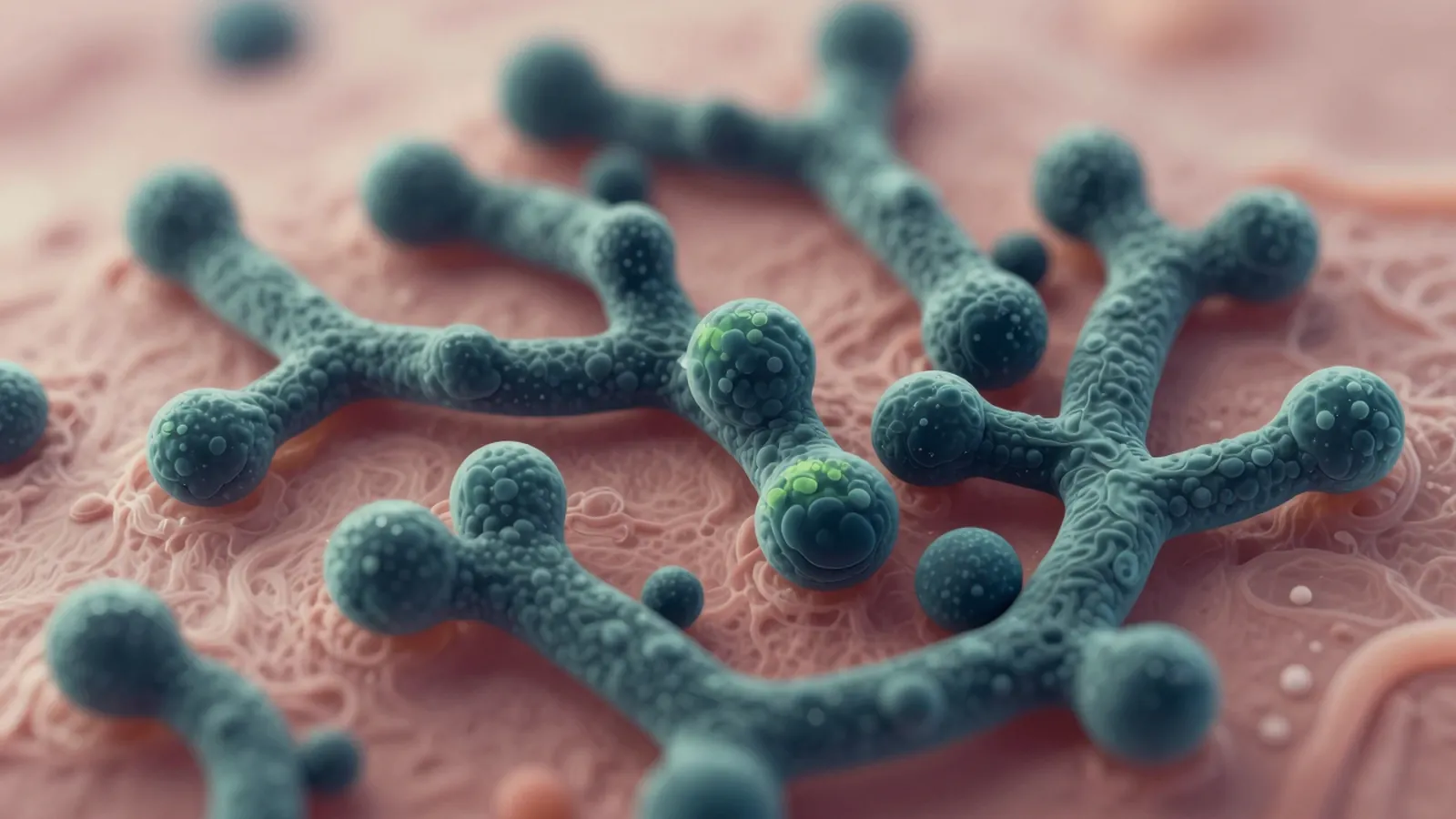
Candida albicans is a yeast, a single-celled fungus, that normally lives in small amounts on the skin and in the mouth, intestines and vagina without causing any harm (What Is Candida Albicans? An Overview). It turns into a problem when the balance between this yeast and the body's healthy bacteria is disturbed, allowing the yeast to overgrow and produce an infection called candidiasis, which doctors treat with antifungal drugs.
Candida albicans is the most common species of Candida yeast and the most frequent cause of both mucosal and systemic fungal infections in people (Candida albicans—The Virulence Factors and Clinical ...). It is an opportunistic pathogen: usually a harmless member of the gut flora, it can invade tissue when the immune system is weakened or the normal microbiota is disrupted, and the resulting illness ranges from superficial mouth and genital infections to bloodstream infection with a high death rate (Candida albicans—The Virulence Factors and Clinical ...; Candida albicans).
Key Points
- Candida albicans is carried as part of the normal flora in about 50% of the population and is detected in the gastrointestinal tract and mouth of 40 to 60% of healthy adults (Candida albicans—The Virulence Factors and Clinical ...; Candida albicans).
- Candidiasis spans a wide spectrum, from localized superficial infections of skin and mucous membranes, such as oral thrush and vaginal yeast infection, to invasive disease involving multiple organ systems (Candida albicans—The Virulence Factors and Clinical ...; Candidiasis).
- The shift from harmless colonizer to pathogen is driven by dysbiosis of the resident microbiota, immune dysfunction and damage to the mucosal intestinal barrier (Candida albicans—The Virulence Factors and Clinical ...).
- The reversible yeast-to-hypha transition is a central feature of C. albicans pathogenicity, and the organism also forms biofilms, making it the fungal species most often isolated from biofilms on implanted medical devices and human tissue (Candida albicans; Candida albicans: A Major Fungal Pathogen of Humans).
- Candida albicans accounts for roughly 75% of all Candida infections, with an estimated 150 million mucosal infections and about 200,000 deaths each year from invasive and disseminated disease (Candida albicans: A Major Fungal Pathogen of Humans).
- A mortality rate of about 40% has been reported for patients with systemic candidiasis caused by C. albicans, and the presence of the organism in blood defines candidemia, the invasive form of the infection (Candida albicans—The Virulence Factors and Clinical ...; Candida albicans).
- Treatment relies on antifungal drugs, and uncomplicated genital candidiasis is not classified as a sexually transmitted infection, since sexual activity may shift the local balance but does not itself cause the overgrowth (What Is Candida Albicans? An Overview).
At a Glance
| Feature | Summary |
|---|---|
| Habitat | Opportunistic yeast found on skin and mucosal surfaces (What Is Candida Albicans? An Overview) |
| Superficial disease | Overgrowth causes superficial candidiasis (Candidiasis) |
| Invasive disease | Affects immunocompromised patients (Candida albicans: A Major Fungal Pathogen of Humans) |
| Diagnosis | Microscopy, culture, and molecular methods |
| Treatment | Depends on infection site and host risk |
Candida albicans is a common yeast that can shift from harmless colonization to infection when host defenses or microbiota balance change (What Is Candida Albicans? An Overview; Candida albicans: A Major Fungal Pathogen of Humans). Clinical decisions rest on the infection site, host risk, and laboratory identification of the species (Candidiasis).
What Is Candida albicans?
Candida albicans is a yeast-like fungus and a common member of the human microbiota (What Is Candida Albicans? An Overview; Candida albicans). It normally lives in small amounts on skin and in the mouth and intestines (What Is Candida Albicans? An Overview). Healthy bacteria in the microbiome help keep its growth in check. The organism becomes a clinical problem when that balance breaks and yeast overgrowth causes candidiasis.
A Dimorphic and Polymorphic Fungus
C. albicans grows as budding yeast and can produce hyphae (Candida albicans—The Virulence Factors and Clinical ...; Candida albicans). This ability to switch between forms is a central feature of its biology and pathogenicity (Candida albicans: A Major Fungal Pathogen of Humans). The yeast-to-hypha transition is reversible and responds to environmental signals. C. albicans colonizes the oropharyngeal cavity, gastrointestinal tract, vaginal tract, and skin of healthy people (Candida albicans—The Virulence Factors and Clinical ...). It is detected in the gastrointestinal tract and mouth in 40-60% of healthy adults (Candida albicans).
Commensal Balance and Pathogenic Shift
The commensal state depends on a balance between host immunity and fungal virulence factors (Candida albicans—The Virulence Factors and Clinical ...). Disruption of resident microbiota, immune dysfunction, and damage to the mucosal barrier can allow infection. Infections range from localized superficial mucocutaneous disease to invasive disease involving multiple organ systems. In immunocompromised people, C. albicans can become pathogenic under a range of conditions (Candida albicans). Candidiasis is often observed in HIV-infected patients.
Clinical Importance and Species Identification
C. albicans is the most common species of Candida yeast (What Is Candida Albicans? An Overview). It accounts for about 75% of all Candida infections (Candida albicans: A Major Fungal Pathogen of Humans). It is the most common causative agent of mucosal and systemic Candida infections (Candida albicans—The Virulence Factors and Clinical ...). The global burden includes more than 150 million mucosal infections and about 200,000 deaths per year from invasive and disseminated disease in susceptible populations. Laboratory methods include microscopy, culture, and molecular testing (Candidiasis). Species identification supports epidemiology and treatment planning because Candida species can differ in clinical behavior.
| Feature | Summary |
|---|---|
| Growth forms | Budding yeast and hyphae (Candida albicans—The Virulence Factors and Clinical ...; Candida albicans) |
| Normal habitat | Skin, mouth, intestines, gastrointestinal and vaginal tract (What Is Candida Albicans? An Overview; Candida albicans—The Virulence Factors and Clinical ...) |
| Disease spectrum | Superficial mucosal disease to invasive infection (Candida albicans—The Virulence Factors and Clinical ...) |
| Clinical share | About 75% of Candida infections (Candida albicans: A Major Fungal Pathogen of Humans) |
Where It Lives and How It Spreads
C. albicans has a broad human reservoir. It is carried on mucosal surfaces and skin, often without symptoms (What Is Candida Albicans? An Overview; Candida albicans—The Virulence Factors and Clinical ...). The main clinical question is not whether the organism is present, but whether host conditions have allowed it to overgrow (Candida albicans—The Virulence Factors and Clinical ...; Candida albicans: A Major Fungal Pathogen of Humans).
Normal Colonization Sites
C. albicans normally colonizes the mouth and oropharynx, the gastrointestinal tract, the vagina, and the skin (What Is Candida Albicans? An Overview; Candida albicans—The Virulence Factors and Clinical ...). The gastrointestinal tract is the main body reservoir (Candida albicans—The Virulence Factors and Clinical ...). In healthy people, the organism is present in small amounts on skin and in the mouth and intestines (What Is Candida Albicans? An Overview). C. albicans can also survive outside the human body (Candida albicans).
Endogenous Infection
Most infections arise from the patient's own flora (Candida albicans: A Major Fungal Pathogen of Humans). The transition from commensal to pathogen follows dysbiosis of resident microbiota, immune dysfunction, and damage to the mucointestinal barrier (Candida albicans—The Virulence Factors and Clinical ...). Healthy bacteria help control yeast growth, so disruption of that bacterial balance can permit overgrowth (What Is Candida Albicans? An Overview). This is why candidiasis is often described as an opportunistic infection (What Is Candida Albicans? An Overview; Candida albicans: A Major Fungal Pathogen of Humans).
Healthcare Settings and Devices
Hand hygiene matters in healthcare settings (Candidiasis). Contaminated devices can introduce infection. C. albicans is the most common fungal species isolated from biofilms formed on implanted medical devices or human tissue (Candida albicans). The presence of C. albicans in blood is associated with candidemia and invasive Candida infection (Candida albicans—The Virulence Factors and Clinical ...). Device care and hand hygiene are therefore part of fungal infection control.
Perinatal and Sexual Transmission
Newborns can acquire Candida during birth (Candida albicans). C. albicans is not a sexually transmitted infection (What Is Candida Albicans? An Overview). Sexual activity can change the balance of yeast and bacteria, but sex does not cause candidiasis.
| Route | Key point |
|---|---|
| Endogenous overgrowth | Most infections arise from the patient's own flora (Candida albicans: A Major Fungal Pathogen of Humans) |
| Hands and equipment | Hand hygiene and device care matter (Candidiasis) |
| Birth canal | Newborn acquisition is possible (Candida albicans) |
| Sexual contact | C. albicans is not an STI; balance may change (What Is Candida Albicans? An Overview) |
Biology, Morphology, and Biofilms
C. albicans is studied for its shape shifting, its ability to form biofilms, and its robust cell wall (Candida albicans—The Virulence Factors and Clinical ...; Candida albicans). These features help explain why the organism can colonize surfaces, persist on medical devices, and invade tissue when host defenses fail (Candida albicans—The Virulence Factors and Clinical ...; Candida albicans: A Major Fungal Pathogen of Humans).
Yeast Growth and Hyphal Transition
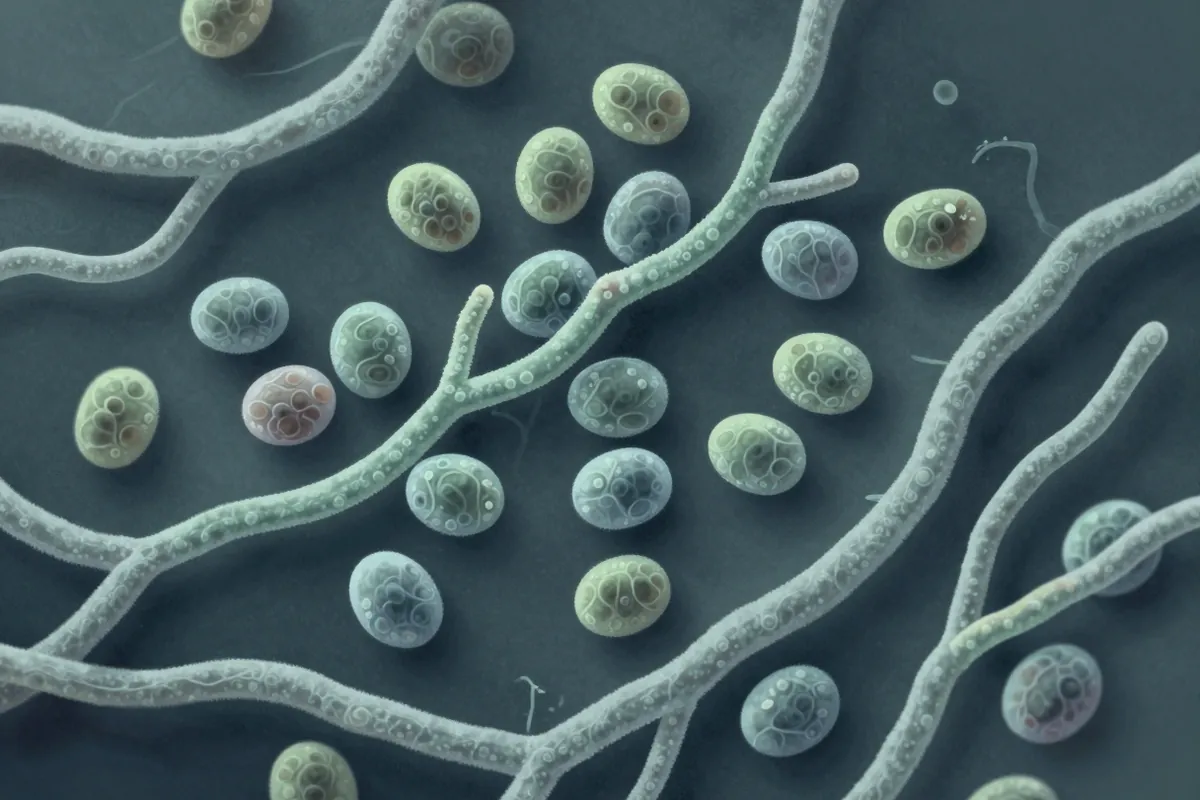
C. albicans grows as budding yeast (Candida albicans). Yeast cells reproduce by budding. Under permissive conditions, the fungus can produce hyphae (Candida albicans—The Virulence Factors and Clinical ...). Hyphae help invade tissue and evade immune cells. The reversible yeast-to-hypha transition is a central feature of C. albicans pathogenicity (Candida albicans: A Major Fungal Pathogen of Humans).
| Form | Main feature | Role |
|---|---|---|
| Yeast | Budding cells (Candida albicans) | Common growth form |
| Hypha | Filamentous growth (Candida albicans—The Virulence Factors and Clinical ...) | Tissue invasion and immune evasion |
Morphogenetic Switching
Morphogenetic switching responds to temperature and pH (Candida albicans—The Virulence Factors and Clinical ...). Morphological plasticity is a central tenet of C. albicans pathogenicity (Candida albicans: A Major Fungal Pathogen of Humans). Multiple forms exist, including chlamydospores, gray cells, gastrointestinal induced transition cells, and white and opaque cells. Chromatin-mediated epigenetic regulation influences morphological switching and biofilm formation.
Biofilms on Devices and Tissues
Biofilms form on catheters and medical devices (Candida albicans—The Virulence Factors and Clinical ...). C. albicans is the most common fungal species isolated from biofilms on implanted medical devices or human tissue (Candida albicans). Biofilm formation is influenced by epigenetic regulation (Candida albicans: A Major Fungal Pathogen of Humans). A device surface gives yeast a solid substrate for attachment and community growth. Biofilms on catheters and medical devices are a recognized clinical problem in Candida infection.
Cell Wall Architecture
The C. albicans cell wall contains chitin, glucan, and mannoproteins (Candida albicans—The Virulence Factors and Clinical ...). These components form the outer interface between the fungus and the host. The cell wall supports fungal shape and surface interactions during colonization and infection.
Virulence Factors and Immune Response
Candida albicans is a common commensal fungus, and the shift from colonization to infection reflects a disturbed balance between fungal virulence traits and host defenses (Candida albicans—The Virulence Factors and Clinical ...). The main virulence traits act at distinct steps: attachment, tissue injury, and immune evasion. Innate and adaptive immunity normally keep the yeast in check, so the outcome depends on both the fungus and the host (Candida albicans: A Major Fungal Pathogen of Humans).
Adhesion and tissue damage
Adhesins attach yeast cells to epithelial surfaces and to abiotic materials (Candida albicans—The Virulence Factors and Clinical ...). This attachment is an early step in colonization and in device-associated infection. Secreted aspartic proteases damage host tissue. Protease activity can weaken mucosal barriers and support local spread. Adhesion and proteolysis together allow the fungus to persist at a site and injure the tissue it contacts.
Morphology and phenotypic switching
Morphological plasticity is a central feature of C. albicans pathogenicity (Candida albicans: A Major Fungal Pathogen of Humans). The reversible yeast-to-hypha transition is widely studied as a mechanism that supports invasion and biofilm behavior. Phenotypic switching helps the fungus escape immune detection (Candida albicans—The Virulence Factors and Clinical ...). Switching can alter surface features and change how the fungus interacts with host cells. These changes do not create a new organism; they allow one species to adapt to different host environments (Candida albicans—The Virulence Factors and Clinical ...; Candida albicans: A Major Fungal Pathogen of Humans).
Innate recognition and control
Innate immune cells recognize fungal cell wall components (Candida albicans: A Major Fungal Pathogen of Humans). Recognition sets off responses that recruit phagocytes and shape inflammation. Neutrophils and macrophages control invasive growth. These cells are central to containing hyphae and limiting dissemination. When recognition or phagocyte function is weak, the same virulence factors that support colonization can drive tissue invasion.
Immunosuppression and invasive risk
Immunosuppression raises the risk of invasive disease (Candidiasis). Conditions or treatments that impair T cell function, neutrophil number, or mucosal immunity reduce the host's ability to contain Candida. In that setting, local overgrowth can progress to bloodstream infection or deep organ involvement.
| Factor | Main action | Host or clinical consequence |
|---|---|---|
| Adhesins | Attach to epithelial and abiotic surfaces (Candida albicans—The Virulence Factors and Clinical ...) | Colonization and device attachment |
| Secreted aspartic proteases | Damage host tissue | Barrier injury and local spread |
| Phenotypic switching | Change surface features | Immune escape |
| Cell wall components | Recognized by innate cells (Candida albicans: A Major Fungal Pathogen of Humans) | Immune activation |
| Neutrophils and macrophages | Control invasive growth | Containment of hyphae |
| Immunosuppression | Weakens host defense (Candidiasis) | Higher risk of invasive disease |
The balance between these factors and host immunity determines whether C. albicans remains a harmless colonizer or becomes an invasive pathogen (Candida albicans—The Virulence Factors and Clinical ...; Candidiasis).
Types of Candidiasis
Candidiasis is a fungal infection caused by an overgrowth of Candida yeast (What Is Candida Albicans? An Overview). Candida albicans can produce different syndromes depending on the site it affects. The main categories are mucosal, cutaneous, bloodstream, invasive, and device-related infection (What Is Candida Albicans? An Overview; Candidiasis). Site and host status guide the clinical label, and the same organism can appear in more than one category over time (What Is Candida Albicans? An Overview; Candidiasis).
Mucosal candidiasis
Oral thrush causes white patches and soreness in the mouth (What Is Candida Albicans? An Overview). Discomfort can interfere with eating and drinking. Vulvovaginal candidiasis causes itching, burning, and discharge. These infections are common and are treated with antifungals. Esophageal candidiasis is another mucosal form and is listed among the clinical types of Candida infection (Candidiasis). Mucosal disease can occur when local bacteria, hormones, or immune defenses change.
Cutaneous candidiasis
Cutaneous candidiasis affects warm, moist skin folds (What Is Candida Albicans? An Overview). Skin folds that stay warm and moist create favorable conditions for yeast growth. The infection is superficial, but it can persist when the area remains damp. Cutaneous candidiasis is distinct from mucosal disease because it involves the skin surface and skin folds.
Bloodstream and invasive candidiasis
Bloodstream infection is called candidemia (Candidiasis). Candidemia is serious because yeast in blood can reach deep organs. Invasive candidiasis can affect organs and deep tissues. The term covers infection beyond the mucosal surface, including disseminated disease. Fever and sepsis can be the presenting signs.
Catheter-related candidemia
Catheter-related candidemia is a healthcare-associated infection (Candidiasis). Intravascular catheters are abiotic surfaces to which C. albicans can adhere (Candida albicans—The Virulence Factors and Clinical ...). Adhesion to a device can lead to biofilm formation (Candida albicans—The Virulence Factors and Clinical ...; Candida albicans). The device is part of the clinical context, and the infection is classified as healthcare-associated.
| Type | Main site | Key features |
|---|---|---|
| Oral thrush | Mouth and throat | White patches and soreness (What Is Candida Albicans? An Overview) |
| Vulvovaginal candidiasis | Vulva and vagina | Itching, burning, and discharge |
| Cutaneous candidiasis | Warm, moist skin folds | Superficial skin infection |
| Candidemia | Blood | Bloodstream infection (Candidiasis) |
| Invasive candidiasis | Deep organs and tissues | Organ and deep tissue involvement |
| Catheter-related candidemia | Bloodstream with a vascular catheter | Healthcare-associated infection |
The categories overlap in practice: mucosal disease can occur with immune suppression, and candidemia can lead to invasive disease (Candidiasis). Accurate labeling matters because the site guides sampling and treatment (What Is Candida Albicans? An Overview; Candidiasis).
Risk Factors and Symptoms
Candida albicans is normally held in balance by the bacterial microbiome and host immunity (What Is Candida Albicans? An Overview). Risk rises when antibiotics, drugs, metabolic disease, or immune suppression disturb that balance (What Is Candida Albicans? An Overview; Candidiasis). The same risk factor can produce different syndromes depending on the site of overgrowth (What Is Candida Albicans? An Overview; Candidiasis). Symptoms follow the site of infection, and invasive disease can present with systemic signs (Candidiasis).
Medications and metabolic conditions
Antibiotics, corticosteroids, and diabetes increase risk (What Is Candida Albicans? An Overview). Antibiotics can reduce the healthy bacteria that help balance the yeast and prevent overgrowth. Corticosteroids and diabetes are recognized risk factors for candidiasis. In each case, the common pathway is a change in local or systemic defense that allows yeast to overgrow.
Immune suppression
HIV, cancer therapy, and transplants impair defenses (Candidiasis). These conditions and treatments can reduce cellular immunity and increase the risk of esophageal or invasive candidiasis. The degree of immune suppression matters: more severe impairment carries a higher risk of deep infection.
Symptoms by site
Symptoms vary by site and immune status (Candidiasis). Oral thrush causes white patches and soreness (What Is Candida Albicans? An Overview). Oral pain can impair eating and drinking. Vulvovaginal candidiasis causes itching, burning, and discharge. Cutaneous candidiasis causes a rash in warm, moist skin folds. Invasive disease may cause symptoms related to the affected organ, and fever can be the main sign.
Warning signs
Fever and sepsis suggest bloodstream infection (Candidiasis). In a patient with risk factors, fever that persists without a clear bacterial source should raise concern for candidemia. Invasive candidiasis can affect deep organs, so imaging and blood cultures may be needed during evaluation. Symptoms alone cannot distinguish Candida from other infections; laboratory testing is required.
| Risk category | Examples | Effect |
|---|---|---|
| Medications | Antibiotics, corticosteroids (What Is Candida Albicans? An Overview) | Disturb microbiome or immune response |
| Metabolic | Diabetes | Higher risk of candidiasis |
| Immune suppression | HIV, cancer therapy, transplant (Candidiasis) | Impaired defenses and invasive risk |
| Local conditions | Warm, moist skin folds | Favor cutaneous infection |
Risk factors often overlap, and a patient may have several at once (What Is Candida Albicans? An Overview; Candidiasis). A careful history helps interpret symptoms and guides
Treatment and Antifungal Resistance
Antifungal therapy for candidiasis is chosen by the site of infection, the Candida species, and the condition of the host. Superficial mucosal and skin infections are usually managed with topical drugs, while bloodstream and deep-organ infections need systemic treatment, often combined with removal of the infected focus.

Topical Therapy for Superficial Infections
Topical agents treat many superficial infections, including vaginal and cutaneous candidiasis, and they keep systemic drug exposure low (Candidiasis). Nystatin is widely used for oral thrush, and topical azoles such as clotrimazole and miconazole are common for vaginal and skin disease. Oral thrush in an otherwise healthy adult usually clears with a short course of topical treatment once the trigger is addressed. Esophageal disease is different: topical drugs do not coat the esophageal mucosa reliably, so systemic azoles are used. Denture stomatitis needs treatment of the denture as well as the mucosa, since yeast persists in the acrylic surface and returns after each course if the prosthesis is not cleaned.
Systemic Therapy for Invasive Disease
Systemic antifungals are used for invasive disease (Candidiasis). Echinocandins are first-line for many cases of candidemia, particularly in patients who are critically ill, have had recent azole exposure, or are infected with a species likely to be azole resistant. Once the patient is stable and the isolate proves susceptible, therapy is often narrowed to fluconazole.
| Class | Examples | Usual role |
|---|---|---|
| Echinocandins | caspofungin, micafungin, anidulafungin | First-line for many cases of candidemia (Candidiasis) |
| Azoles | fluconazole, voriconazole, posaconazole | Mucosal disease and step-down therapy for susceptible isolates |
| Polyenes | nystatin (topical), amphotericin B (systemic) | Superficial disease for nystatin; refractory invasive infection for amphotericin B |
Azole Resistance
Azole resistance is increasing in some Candida species (Candidiasis). Resistance is described most often in non-albicans species, though it occurs in C. albicans as well. The main mechanisms are drug efflux pumps, point mutations in the target enzyme Erg11, and biofilm growth that reduces drug penetration. Species identification and susceptibility testing therefore matter, especially after prior azole treatment or when a patient fails to improve on empirical therapy. Candida auris, a species that spreads in health care settings and is often resistant to several classes, has made susceptibility testing more important in hospital outbreaks.
Source Control and Treatment Duration
Catheter removal is important in catheter-related candidemia (Candidiasis). A retained line is a persistent nidus, and antifungal therapy alone frequently fails while the device stays in place. Treatment duration depends on the site of infection and the response to therapy. Mucosal infections generally clear within days to a few weeks. Uncomplicated candidemia is treated for a period after blood cultures clear and symptoms resolve, while endocarditis, osteomyelitis, and other deep-seated infections require prolonged courses and, in some cases, surgery. Repeat cultures and clinical review guide the decision to stop.
Prevention and Control
Most candidiasis begins with the patient's own yeast, so prevention targets the conditions that let a commensal organism become a pathogen. The practical measures fall into skin and mucosal care, careful use of antimicrobials, control of underlying disease, and hospital practice around lines and devices.
Skin and Mucosal Care
Keep skin folds clean and dry (What Is Candida Albicans? An Overview). Moisture trapped in the groin, under the breasts, in the diaper area, or in the axillae favors yeast growth, so drying thoroughly, changing wet clothing promptly, and using a barrier cream all help. Good oral hygiene reduces oral candidiasis risk. Brushing the teeth and tongue, cleaning dentures daily, removing them at night, and rinsing the mouth after inhaled corticosteroids limit the yeast burden in the mouth.
Antimicrobial Stewardship
Use antibiotics and steroids only when needed (Candidiasis). Broad-spectrum antibiotics remove the bacteria that normally compete with Candida, and corticosteroids blunt local immune defenses. When a course is necessary, the shortest effective duration is preferred, and patients should be watched for mucosal symptoms during and after treatment. With inhaled steroids, rinsing and spitting after each dose reduces oral deposition. Prolonged topical steroid use on the face and in skin folds has a similar effect.
Control of Underlying Conditions
Control diabetes and other underlying conditions (Candidiasis). Hyperglycemia raises glucose in saliva and vaginal secretions and impairs neutrophil function, so glycemic control reduces recurrence. In people with HIV, effective antiretroviral therapy lowers the rate of oral and esophageal candidiasis. Poorly fitting dentures, dry mouth from medications, and untreated iron or folate deficiency also deserve attention when thrush keeps returning.
Infection Control in Health Care Settings
Follow infection control for hospitalized patients (Candidiasis). Hand hygiene, cleaning of shared equipment, and contact precautions for resistant species reduce transmission. Antifungal stewardship and central line bundles lower rates of candidemia in intensive care units.
Devices and Prostheses
Clean and manage indwelling medical devices (Candidiasis). Central venous catheters, urinary catheters, and drains should be removed as soon as they are no longer needed. Dentures need daily cleaning, and prosthetic valves or joints that become infected may require surgical management.
| Setting | Action | Reason |
|---|---|---|
| Skin folds | Keep clean and dry (What Is Candida Albicans? An Overview) | Removes moisture that supports yeast growth |
| Mouth and dentures | Oral hygiene, clean dentures | Lowers oral yeast burden |
| Antibiotics and steroids | Use only when needed (Candidiasis) | Preserves competing flora and local immunity |
| Diabetes | Maintain glycemic control | Reduces yeast overgrowth and recurrence |
| Hospital | Follow infection control guidance | Limits spread between patients |
| Lines and devices | Review need, remove early | Removes the biofilm surface |
Common Misconceptions About Candida albicans
Candida albicans attracts more misinformation than most organisms, partly because it is both a normal resident and a pathogen. The misconceptions below account for much of the confusion among patients and students.
"If Candida Is Found, the Person Has an Infection"
Candida albicans is detected in the gastrointestinal tract and mouth in 40-60% of healthy adults (Candida albicans). Finding Candida does not always mean active infection (Candidiasis). A positive culture from a non-sterile site such as sputum, a wound swab, or a vaginal swab often reflects colonization. Diagnosis rests on symptoms, and for invasive disease on culture from a normally sterile site such as blood.
"Oral Thrush Means Poor Hygiene"
Oral thrush is not a sign of poor hygiene alone (What Is Candida Albicans? An Overview). Antibiotics, inhaled corticosteroids, dry mouth, dentures, diabetes, and immune suppression are common triggers, and infants and older adults develop it without any hygiene failure. Treatment addresses the yeast and the underlying cause.
"Vaginal Candidiasis Is a Sexually Transmitted Infection"
Vaginal candidiasis is not classified as a sexually transmitted infection (What Is Candida Albicans? An Overview). Sexual activity can disturb the balance of the vaginal microbiome, but sex does not cause the infection, and partners are not routinely treated.
"Invasive Candidiasis Is a Harmless Yeast Problem"
Invasive candidiasis is not a harmless yeast infection (Candidiasis). A mortality rate of 40% has been reported for patients with systemic candidiasis due to C. albicans (Candida albicans), and invasive and disseminated disease causes an estimated 200,000 deaths each year worldwide (Candida albicans: A Major Fungal Pathogen of Humans). Bloodstream infection is a medical emergency.
"Antifungals Can Be Started Without Confirmation"
Antifungal treatment should not start without diagnosis when possible (Candidiasis). Cultures and susceptibility testing identify the species, guide drug choice, and avoid unnecessary exposure that drives resistance. Empirical therapy in a deteriorating high-risk patient is a clinical judgment, and blood cultures should be drawn before the first dose.
"Probiotics Can Replace Antifungal Drugs"
Probiotics are not a substitute for antifungals in invasive disease (Candidiasis). Evidence for probiotic use in preventing recurrence is limited, and no probiotic treats candidemia or deep-organ infection.
The common thread is that Candida albicans is a normal resident whose behavior depends on the host. Symptoms and sterile-site cultures, not the mere presence of yeast, define disease.
Related Guides
- Canine Parvovirus: Symptoms, Diagnosis, Treatment & Prevention: Canine parvovirus guide for severe intestinal barrier disease
- Helicobacter pylori Infection in Cats and Ferrets: Gastric Ulcer Pathogenesis, Diagnosis, and Treatment: Gastric infection reference for gastrointestinal symptoms and microbiota disruption
- Mycobacterial Infections in Cats: Signs, Diagnosis, and Treatment: Systemic mycobacterial infection context in immunosuppressed cats
- Snake Respiratory Infection: Symptoms, Causes, Diagnosis and Veterinary Treatment
- Ball Python Respiratory Infection Signs and Treatment
Frequently Asked Questions
What is Candida albicans?
Candida albicans is a yeast, a single-celled fungus, that lives in and on the human body. It is usually found in small amounts on the skin, in the mouth, and in the intestines, and it is the most common Candida species (What Is Candida Albicans? An Overview). Roughly half of healthy people carry it as part of their normal microbiota (Candida albicans—The Virulence Factors and Clinical ...). It normally causes no trouble because bacteria in the microbiome keep it in check. When that balance shifts, the yeast can overgrow and cause candidiasis, which ranges from superficial mucosal infections to life-threatening invasive disease (Candida albicans—The Virulence Factors and Clinical ...; Candida albicans).
Is Candida albicans a sexually transmitted infection?
No. Candida albicans is not a sexually transmitted infection. The yeast already lives in and on the body, and it overgrows when the balance of yeast and healthy bacteria changes (What Is Candida Albicans? An Overview). Sexual activity can disturb that balance, but having sex does not cause an infection. Candida is commonly part of the normal vaginal flora, and it produces symptoms only when it overgrows (Candida albicans—The Virulence Factors and Clinical ...). Because the fungus is part of the normal flora, a yeast infection is not managed as a sexually transmitted disease (What Is Candida Albicans? An Overview; Candida albicans—The Virulence Factors and Clinical ...).
What are the symptoms of Candida albicans infection?
Symptoms depend on the site. Oral thrush causes creamy white patches on the tongue, inner cheeks, or throat, sometimes with soreness or altered taste. Vulvovaginal candidiasis causes itching, burning, and thick discharge. Skin infection produces red, itchy rashes in moist folds such as the groin or under the breasts. Invasive candidiasis, seen mainly in hospitalized or immunocompromised people, causes fever and signs of organ involvement (Candida albicans—The Virulence Factors and Clinical ...; Candida albicans). Many carriers have no symptoms at all, because the yeast causes problems only when it overgrows (What Is Candida Albicans? An Overview).
How is Candida albicans diagnosed?
Diagnosis begins with the pattern of symptoms and a physical exam. A clinician collects a sample from the affected area, such as a scraping of oral patches, vaginal discharge, or a skin swab. Laboratory staff examine it under a microscope for budding yeast cells and hyphae, and culture it to identify the species. Identifying C. albicans helps guide treatment, since other Candida species can cause similar illness. In suspected invasive disease, blood cultures are important, because Candida in the bloodstream defines candidemia (Candida albicans—The Virulence Factors and Clinical ...).
How is Candida albicans treated?
Mild mucosal and skin infections are treated with antifungal drugs, often as a topical cream, ointment, or oral gel (What Is Candida Albicans? An Overview). Vaginal yeast infections may be treated with topical agents or a short course of oral antifungal medicine. Oral thrush in healthy adults usually responds to topical treatment, while people with weakened immunity may need systemic therapy. Invasive candidiasis requires intravenous antifungals given in hospital. Treatment choice depends on the site, severity, and immune status, and recurrent infections may prompt a search for an underlying cause.
How can Candida albicans infection be prevented?
Prevention centers on keeping the normal balance between yeast and bacteria. Avoid unnecessary antibiotics, which can wipe out the bacteria that hold Candida in check (What Is Candida Albicans? An Overview). Keep skin folds clean and dry, change out of wet clothing promptly, and practice good oral hygiene. People with diabetes should keep blood sugar well controlled. For recurrent vaginal yeast infections, avoid douching and scented products, and discuss preventive antifungal options with a clinician. Healthy people do not need special measures, because Candida albicans is a normal part of the body's flora.
References and Further Reading
- What Is Candida Albicans? An Overview, my.clevelandclinic.org
- Candida albicans—The Virulence Factors and Clinical ..., pmc.ncbi.nlm.nih.gov
- Candida albicans, en.wikipedia.org
- Candidiasis, cdc.gov
- Candida albicans: A Major Fungal Pathogen of Humans, pmc.ncbi.nlm.nih.gov