
Point-of-Care Molecular Diagnostics for Feline Upper Respiratory Pathogens: FHV-1, FCV, and Bordetella
Introduction
Feline upper respiratory tract disease (URTD) represents a multifactorial syndrome of high morbidity in domestic cat populations worldwide. The primary viral agents are feline herpesvirus type 1 (FHV-1) and feline calicivirus (FCV), while the bacterium Bordetella bronchiseptica contributes as a primary or co-infecting pathogen [1]. Clinical differentiation among these agents is unreliable due to overlapping signs including serous to mucopurulent ocular and nasal discharge, conjunctivitis, sneezing, and oral ulceration. Traditional diagnostic methods such as virus isolation and bacterial culture are time-intensive and require specialized laboratory infrastructure. Serological assays suffer from poor sensitivity in acute infection and cannot distinguish active from past exposure. Consequently, molecular diagnostics have become the reference standard for definitive etiological identification. The emergence of point-of-care (POC) molecular platforms promises to bridge the gap between laboratory-grade sensitivity and the clinical need for rapid, on-site results. This article provides an exhaustive technical review of the biophysical principles, assay architectures, and validation data underpinning POC molecular diagnostics for FHV-1, FCV, and B. bronchiseptica.
Pathogen Biology and Clinical Context
Feline Herpesvirus Type 1
FHV-1 is an enveloped, double-stranded DNA virus belonging to the family Herpesviridae, subfamily Alphaherpesvirinae [1]. The viral genome is approximately 126 kilobase pairs in length and encodes at least 78 open reading frames. Primary replication occurs in the mucosal epithelium of the upper respiratory tract and conjunctiva. Following acute infection, the virus establishes lifelong latency in the trigeminal ganglia. Reactivation is triggered by stress, immunosuppression, or corticosteroid administration, leading to recurrent clinical episodes and intermittent viral shedding. The envelope glycoproteins, particularly glycoprotein B (gB), glycoprotein C (gC), and glycoprotein D (gD), mediate host cell attachment and membrane fusion. The gB gene is a highly conserved target for molecular detection assays [1].
Feline Calicivirus
FCV is a non-enveloped, single-stranded positive-sense RNA virus classified within the family Caliciviridae, genus Vesivirus [1]. The genome is approximately 7.7 kilobases and encodes a single major capsid protein (VP1) as well as a minor structural protein (VP2). The virus exhibits high genetic diversity due to the error-prone nature of its RNA-dependent RNA polymerase. This diversity complicates molecular assay design, as primer and probe binding sites must target highly conserved regions, typically within the RNA-dependent RNA polymerase gene or the 5' untranslated region. FCV is resistant to many common disinfectants due to its non-enveloped structure, facilitating environmental persistence and fomite transmission. A hypervirulent biotype, termed virulent systemic feline calicivirus (VS-FCV), causes systemic disease with high mortality, underscoring the need for rapid and accurate diagnosis.
Bordetella bronchiseptica
B. bronchiseptica is a Gram-negative, aerobic coccobacillus belonging to the phylum Proteobacteria [1]. It is a primary respiratory pathogen in cats, particularly in multi-cat environments such as shelters and breeding catteries. The bacterium expresses several virulence factors including filamentous hemagglutinin, adenylate cyclase toxin, and a type III secretion system. These factors facilitate adherence to ciliated respiratory epithelium and subversion of host immune responses. Co-infection with FHV-1 or FCV is common and may exacerbate clinical severity. Molecular detection of B. bronchiseptica typically targets the adenylate cyclase toxin gene (cyaA) or the flagellin gene (flaA).
Principles of Point-of-Care Molecular Diagnostics
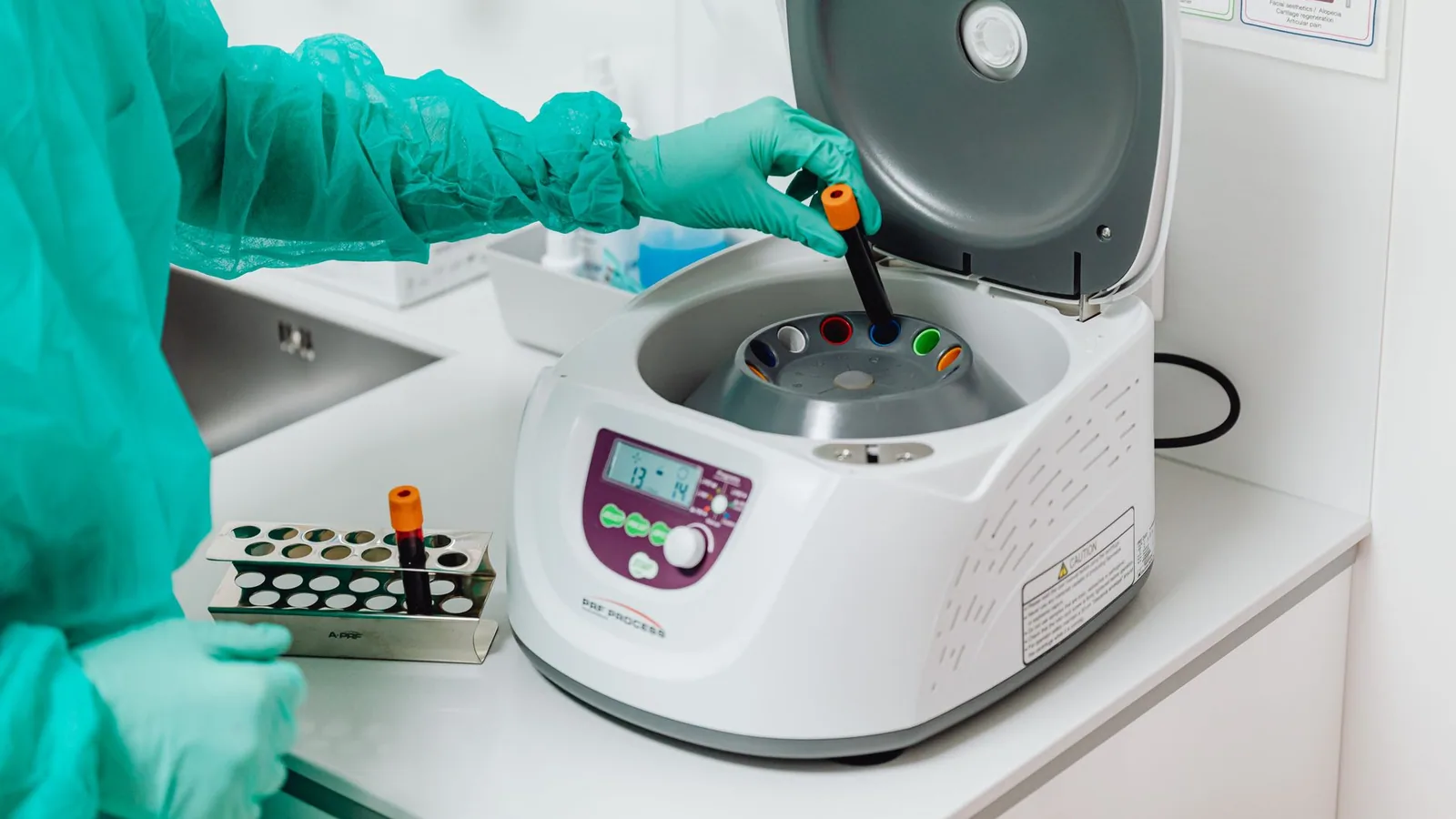
POC molecular diagnostics integrate nucleic acid extraction, amplification, and detection into a single, miniaturized, and often automated platform. The core biophysical requirement is the ability to amplify target nucleic acid sequences with high specificity and sensitivity while maintaining robustness to sample matrix inhibitors. Two major amplification chemistries dominate the POC landscape: polymerase chain reaction (PCR) and isothermal amplification methods.
Miniaturized Polymerase Chain Reaction
Conventional PCR relies on thermal cycling to denature double-stranded DNA, anneal sequence-specific primers, and extend the nascent strand using a thermostable DNA polymerase. POC PCR systems achieve thermal cycling through resistive heating elements, thin-film heaters, or infrared irradiation. Microfluidic chambers reduce reaction volumes to 1-10 microliters, decreasing thermal mass and enabling rapid temperature transitions. Real-time detection is accomplished via fluorescence monitoring of hydrolysis probes (e.g., TaqMan) or DNA-binding dyes (e.g., SYBR Green). The limit of detection for POC PCR assays targeting FHV-1 is typically in the range of 10-100 genome copies per reaction [1].
Isothermal Amplification Methods
Isothermal amplification eliminates the need for thermal cycling by employing enzymes that unwind DNA strands or synthesize new strands at a constant temperature. Loop-mediated isothermal amplification (LAMP) uses a set of four to six primers recognizing six to eight distinct regions on the target sequence. The Bst DNA polymerase large fragment possesses strand displacement activity, allowing autocyclic amplification. LAMP reactions are typically performed at 60-65 degrees Celsius and produce a characteristic ladder-like banding pattern on gel electrophoresis. Real-time detection is achieved through turbidimetry (measurement of magnesium pyrophosphate precipitate) or fluorescence using intercalating dyes. Recombinase polymerase amplification (RPA) employs a recombinase enzyme to form primer-template complexes, a single-stranded DNA binding protein to stabilize the displaced strand, and a strand-displacing DNA polymerase. RPA operates at a constant temperature of 37-42 degrees Celsius, making it highly amenable to low-power POC devices. Nicking endonuclease amplification reaction (NEAR) and helicase-dependent amplification (HDA) represent additional isothermal strategies with varying enzyme requirements and reaction kinetics.
Droplet Digital PCR
Droplet digital PCR (ddPCR) represents a distinct paradigm in which the sample is partitioned into thousands of nanoliter-sized droplets prior to amplification [1]. Each droplet functions as an independent reaction chamber. Following endpoint PCR, the fluorescence of each droplet is measured, and the absolute target copy number is calculated using Poisson statistics. This approach provides absolute quantification without reliance on standard curves and offers superior precision for low-abundance targets. A ddPCR assay for FHV-1 has been developed and validated, demonstrating high analytical sensitivity and specificity [1]. The assay targets the gB gene and can discriminate between FHV-1 and other feline herpesviruses. The limit of detection was reported as 1.6 copies per reaction, with a dynamic range spanning five orders of magnitude [1]. While ddPCR is not yet a true POC technology due to the requirement for droplet generation and fluorescence reading instrumentation, its principles inform the development of next-generation digital POC platforms.
Assay Design and Target Selection
The selection of genomic targets for POC molecular assays is governed by several criteria: sequence conservation across circulating strains, absence of homology with host genome or commensal flora, and amenability to primer and probe design constraints. For FHV-1, the glycoprotein B (gB) gene is the most commonly targeted region due to its high conservation among field isolates [1]. For FCV, the RNA-dependent RNA polymerase (RdRp) gene and the 5' untranslated region are preferred targets. For B. bronchiseptica, the adenylate cyclase toxin (cyaA) gene provides species-specific detection. Multiplex assays capable of simultaneous detection of all three pathogens are under development. These assays require careful optimization of primer and probe concentrations to avoid cross-reactivity and competition for reagents.
Sample Types and Preprocessing
The choice of sample type directly impacts assay performance. For feline URTD, the recommended sample types include conjunctival swabs, oropharyngeal swabs, and nasal swabs. Flocked swabs with synthetic fibers (e.g., nylon or polyester) provide superior cell collection and release compared to cotton swabs. Swabs are placed into a transport medium containing a chaotropic agent or a nuclease-free buffer. For POC platforms, sample preprocessing is often integrated into the cartridge. Lysis buffers containing guanidinium isothiocyanate or proteinase K disrupt viral capsids and bacterial cell walls, releasing nucleic acids. Magnetic bead-based extraction or silica membrane filtration captures nucleic acids while removing inhibitors such as mucopolysaccharides and hemoglobin. The total nucleic acid extraction time for POC systems is typically 5-15 minutes.
Analytical Performance Characteristics
Analytical sensitivity, expressed as the limit of detection (LoD), is the lowest concentration of target nucleic acid that can be reliably detected. For FHV-1 ddPCR, the LoD has been established at 1.6 copies per reaction [1]. For POC PCR and isothermal assays, LoD values typically range from 10 to 100 genome copies per reaction. Analytical specificity is assessed by testing against a panel of related and unrelated pathogens. For FHV-1 assays, cross-reactivity testing against feline calicivirus, feline immunodeficiency virus, feline leukemia virus, and B. bronchiseptica should demonstrate no amplification. Similarly, B. bronchiseptica assays must not amplify commensal Bordetella species or other respiratory bacteria. Diagnostic sensitivity and specificity are determined by comparing POC assay results to a reference standard, typically laboratory-based real-time PCR or virus isolation. Clinical validation studies must include samples from both symptomatic and asymptomatic cats to assess performance across the disease spectrum.
Workflow and Decision Tree
The following Mermaid diagram illustrates a representative decision tree for the application of POC molecular diagnostics in a feline URTD case.
flowchart TD
 A[Cat presenting with URTD signs] --> B[Collect conjunctival, oropharyngeal, or nasal swab]
 B --> C[Insert swab into POC cartridge]
 C --> D[Automated nucleic acid extraction within cartridge]
 D --> E{Amplification method}
 E --> F["PCR-based: thermal cycling with fluorescence detection"]
 E --> G["Isothermal: LAMP or RPA at constant temperature"]
 F --> H[Real-time fluorescence readout]
 G --> H
 H --> I{Interpretation}
 I --> J[Positive for FHV-1, FCV, or B. bronchiseptica]
 I --> K[Negative for all targets]
 J --> L[Initiate pathogen-specific therapy and biosecurity measures]
 K --> M["Consider alternative diagnoses: fungal, parasitic, or non-infectious causes"]
 L --> N["Monitor clinical response; consider repeat testing if no improvement"]
 M --> N
Comparison of POC Platforms
The following table summarizes key technical parameters for the major POC molecular amplification strategies applicable to feline respiratory pathogens.
| Parameter | Miniaturized PCR | LAMP | RPA | ddPCR |
|---|---|---|---|---|
| Temperature requirement | Thermal cycling (60-95 degrees C) | Isothermal (60-65 degrees C) | Isothermal (37-42 degrees C) | Thermal cycling (60-95 degrees C) |
| Time to result | 20-60 minutes | 15-45 minutes | 10-30 minutes | 2-3 hours |
| Limit of detection (copies/reaction) | 10-100 | 10-100 | 1-10 | 1-10 |
| Multiplexing capability | Moderate (4-6 targets) | Low (2-3 targets) | Moderate (4-5 targets) | High (via droplet fluorescence) |
| Instrument complexity | Moderate | Low | Low | High |
| Suitability for true POC | High | High | High | Low to moderate |
Challenges and Limitations
Despite significant advances, several challenges impede the widespread adoption of POC molecular diagnostics for feline URTD. First, the high genetic diversity of FCV necessitates continuous monitoring of circulating strains to ensure primer and probe binding sites remain conserved. Second, sample matrix effects, particularly from mucoid secretions, can inhibit amplification reactions. Third, the cost per test remains higher than that of conventional antigen detection assays, limiting adoption in resource-constrained settings. Fourth, the interpretation of positive results must account for the possibility of subclinical shedding, particularly for FHV-1, which can be detected in latently infected cats during reactivation episodes. Quantitative assays, such as ddPCR, may help differentiate active infection from low-level shedding by establishing clinically relevant threshold values [1].
Future Directions
The integration of microfluidics, lab-on-a-chip technology, and smartphone-based readout systems will further reduce the size and cost of POC molecular platforms. Digital isothermal amplification, which partitions the reaction into thousands of microwells or droplets, combines the simplicity of isothermal chemistry with the absolute quantification capability of ddPCR. Multiplexed panels that simultaneously detect FHV-1, FCV, B. bronchiseptica, and other respiratory pathogens (e.g., Chlamydia felis, Mycoplasma felis) will provide comprehensive diagnostic coverage. The incorporation of internal amplification controls and sample adequacy markers will enhance assay reliability. Finally, the development of lyophilized reagent formulations will eliminate cold chain requirements, facilitating deployment in field and shelter settings.
Conclusion
Point-of-care molecular diagnostics represent a transformative advancement in the management of feline upper respiratory tract disease. The ability to rapidly and accurately identify FHV-1, FCV, and B. bronchiseptica directly at the site of care enables timely therapeutic intervention, informed biosecurity decisions, and reduced empirical antimicrobial use. The biophysical principles underlying these assays, including miniaturized PCR, isothermal amplification, and droplet digital PCR, provide the analytical performance necessary for clinical decision-making. Continued innovation in microfluidics, reagent stabilization, and multiplexing will further expand the accessibility and utility of these technologies in veterinary practice.
References
[1] Zhou Y, Wu D, Tang M, et al. Development and Validation of a Droplet Digital PCR Assay for Detection of Feline Herpesvirus Type-1. Vet Sci. 2025. URL: https://pubmed.ncbi.nlm.nih.gov/41295745/ *** Disclaimer: This article is for educational and informational purposes only. It is not intended to substitute for professional veterinary advice, diagnosis, treatment, or regulatory guidance. Always consult a licensed veterinarian or qualified specialist regarding animal health, disease diagnosis, and therapeutic decisions.