Zoonotic Risk of Feline Upper Respiratory Infections in Cats: Bacterial Pathogens and Human Health
By Dr. Zubair Khalid, DVM, MS, PhD ·
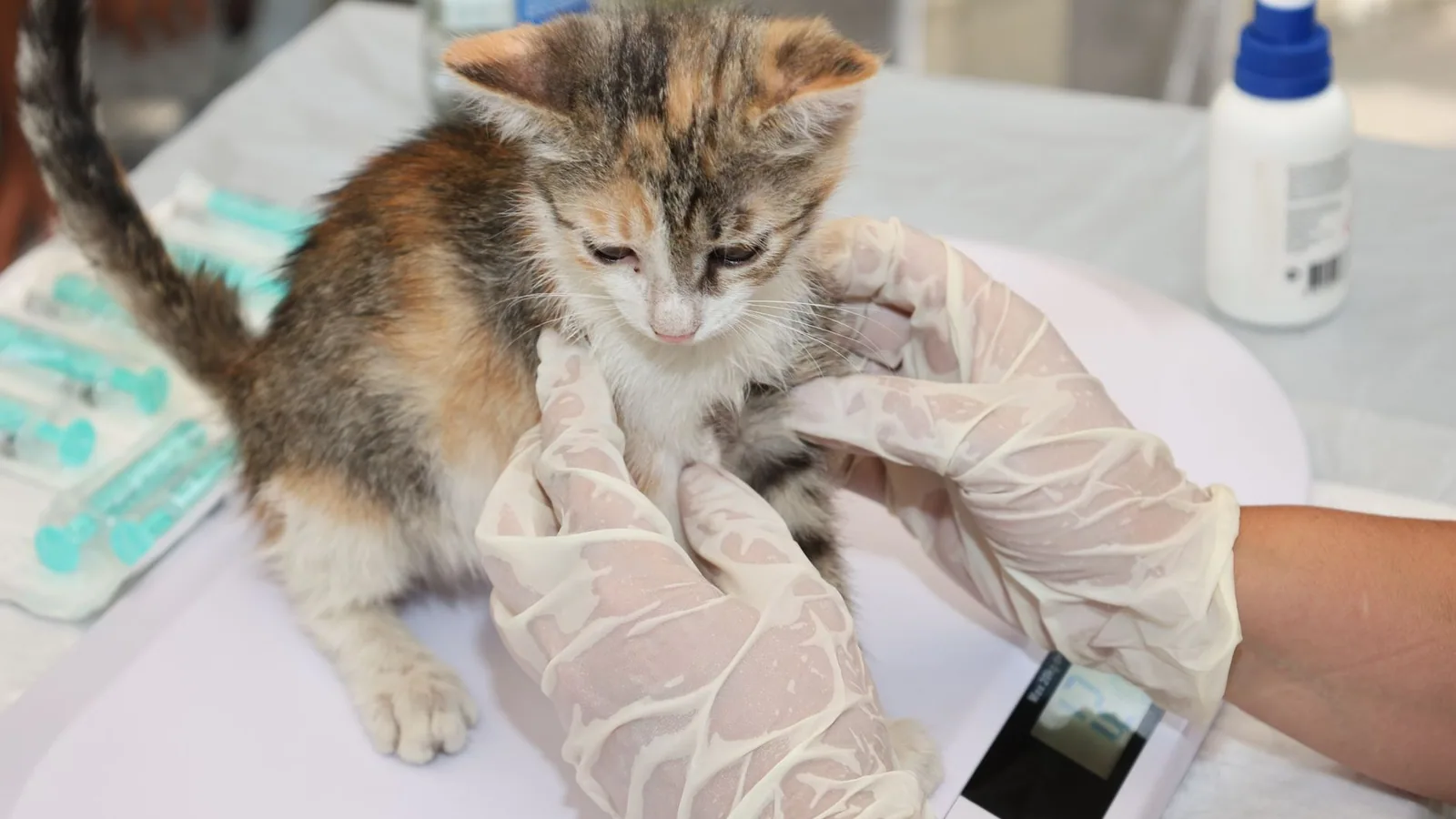
Key Takeaways
- Feline upper respiratory infections (URIs) are frequently complicated by bacterial pathogens including Bordetella bronchiseptica, Chlamydia felis, and Mycoplasma felis, which can pose a zoonotic risk.
- Bordetella bronchiseptica is a Gram-negative coccobacillus transmitted via respiratory secretions, causing tracheobronchitis and bronchopneumonia in cats, and can manifest as a pertussis-like illness in humans, particularly the immunocompromised.
- Chlamydia felis, an obligate intracellular bacterium, primarily causes conjunctivitis in cats and has been implicated in human conjunctivitis and keratitis following direct contact with infected ocular discharges.
- Mycoplasma felis, a cell wall-deficient bacterium, contributes to URI syndromes and conjunctivitis in cats; human infections are rare but have been reported in severely immunocompromised individuals.
- Diagnostic confirmation relies on sample collection (conjunctival/nasal swabs) followed by cytology, bacterial culture (e.g., MacConkey agar for B. bronchiseptica), and molecular methods like PCR, which is the gold standard for C. felis and M. felis.
- Treatment for bacterial feline URIs typically involves doxycycline, with duration varying by pathogen (e.g., 4 weeks for C. felis), and prevention strategies include vaccination for B. bronchiseptica and C. felis, coupled with stringent biosecurity and hand hygiene to mitigate zoonotic transmission.
Feline upper respiratory infections (URIs) represent a complex of viral and bacterial diseases that are highly prevalent in domestic cat populations. While viral agents such as feline herpesvirus-1 (FHV-1) and feline calicivirus (FCV) are frequently primary incitants, secondary bacterial infections often exacerbate clinical disease and prolong recovery. The question of whether a cat respiratory infection is contagious to humans is a critical public health concern, particularly for immunocompromised individuals, veterinary personnel, and households with young children. This article provides an exhaustive review of the bacterial pathogens associated with feline URIs, their zoonotic potential, and the biological mechanisms governing cross-species transmission.
Etiology of Bacterial Feline Upper Respiratory Infections
The bacterial component of feline URI is predominantly attributed to three primary pathogens: Bordetella bronchiseptica, Chlamydia felis, and Mycoplasma felis. Each organism exhibits distinct pathogenic mechanisms, host tropisms, and zoonotic risk profiles.
Bordetella bronchiseptica
Bordetella bronchiseptica is a Gram-negative, aerobic coccobacillus that colonizes the ciliated respiratory epithelium of cats, dogs, and swine. The bacterium expresses filamentous hemagglutinin, pertactin, and a type III secretion system that facilitates adherence to host cells and evasion of mucociliary clearance [<a href="#ref-1">1</a>]. In cats, B. bronchiseptica is a primary cause of infectious tracheobronchitis and bronchopneumonia, particularly in multi-cat environments such as shelters and breeding catteries [<a href="#ref-2">2</a>]. The organism is shed in respiratory secretions and can persist in the environment for several days under favorable conditions of humidity and temperature [<a href="#ref-3">3</a>].
Chlamydia felis
Chlamydia felis is an obligate intracellular Gram-negative bacterium that primarily targets conjunctival epithelial cells. The pathogen employs a biphasic life cycle alternating between infectious elementary bodies and metabolically active reticulate bodies [<a href="#ref-4">4</a>]. In cats, C. felis is a leading cause of conjunctivitis, often presenting with chemosis, serous to mucopurulent ocular discharge, and blepharospasm [<a href="#ref-5">5</a>]. While respiratory signs such as sneezing and nasal discharge are less prominent than with viral infections, C. felis can contribute to the overall URI syndrome [<a href="#ref-6">6</a>].
Mycoplasma felis
Mycoplasma felis is a cell wall-deficient bacterium belonging to the class Mollicutes. Its lack of a peptidoglycan layer renders it intrinsically resistant to beta-lactam antimicrobials and confers a pleomorphic morphology [<a href="#ref-7">7</a>]. M. felis colonizes the upper respiratory tract and conjunctival mucosa, where it adheres via specialized adhesion proteins and generates hydrogen peroxide as a virulence factor [<a href="#ref-8">8</a>]. Clinical manifestations include conjunctivitis, sneezing, and nasal discharge, often in conjunction with viral co-infections [<a href="#ref-9">9</a>].
Epidemiology and Transmission
The epidemiology of bacterial feline URIs is shaped by population density, stress, and co-infection dynamics. B. bronchiseptica is highly contagious among cats, with transmission occurring via direct contact with infected respiratory secretions or fomites [<a href="#ref-10">10</a>]. Seroprevalence studies indicate that up to 80% of cats in high-density shelters may be seropositive for B. bronchiseptica [<a href="#ref-11">11</a>]. C. felis is similarly transmitted through direct contact with ocular and nasal discharges, with kittens and young adults being most susceptible [<a href="#ref-12">12</a>]. M. felis is considered a commensal organism in many cats but can become pathogenic under conditions of immune suppression or viral co-infection [<a href="#ref-13">13</a>].
The central question of whether a cat respiratory infection is contagious to humans requires a pathogen-specific analysis. B. bronchiseptica is a well-documented zoonotic agent, with confirmed cases of human infection, particularly in immunocompromised individuals [<a href="#ref-14">14</a>]. Transmission from cats to humans has been reported in veterinary personnel and pet owners, manifesting as a pertussis-like respiratory illness [<a href="#ref-15">15</a>]. C. felis has been implicated in human conjunctivitis and keratitis, with several case reports documenting transmission from infected cats to their owners [<a href="#ref-16">16</a>]. M. felis is considered a rare zoonotic pathogen, but isolated cases of human infection, including septic arthritis and respiratory disease, have been reported in immunocompromised hosts [<a href="#ref-17">17</a>].
Clinical Signs and Pathology
The clinical presentation of bacterial feline URI overlaps significantly with viral etiologies, necessitating laboratory confirmation for definitive diagnosis.
Feline Clinical Signs
- Ocular signs: Conjunctival hyperemia, chemosis, serous to mucopurulent ocular discharge, and blepharospasm are hallmark features of C. felis infection [<a href="#ref-18">18</a>]. M. felis and B. bronchiseptica can also induce conjunctivitis, though ocular signs are typically less severe with the latter [<a href="#ref-19">19</a>].
- Nasal signs: Sneezing, nasal discharge (serous to mucopurulent), and stertorous breathing are common across all three bacterial pathogens [<a href="#ref-20">20</a>]. Chronic rhinitis and sinusitis may develop in cases of persistent infection or anatomical predisposition [<a href="#ref-21">21</a>].
- Systemic signs: Fever, lethargy, and anorexia are more frequently associated with B. bronchiseptica bronchopneumonia than with C. felis or M. felis infections [<a href="#ref-22">22</a>]. In severe cases, dyspnea and cyanosis may be observed [<a href="#ref-23">23</a>].
Human Clinical Signs
In humans, zoonotic transmission of B. bronchiseptica typically results in a pertussis-like syndrome characterized by paroxysmal coughing, post-tussive vomiting, and inspiratory whoop [<a href="#ref-24">24</a>]. Immunocompromised individuals, including those with HIV/AIDS, organ transplants, or hematologic malignancies, are at elevated risk for severe lower respiratory tract involvement [<a href="#ref-25">25</a>]. C. felis infection in humans presents as follicular conjunctivitis with mucopurulent discharge, often unilateral, and may progress to keratitis if untreated [<a href="#ref-26">26</a>]. M. felis human infections are exceedingly rare but have been documented in patients with hypogammaglobulinemia or other humoral immunodeficiencies [<a href="#ref-27">27</a>].
Diagnostic Approaches
Accurate diagnosis of bacterial feline URI requires a combination of clinical assessment, cytology, culture, and molecular testing.
Sample Collection
- Conjunctival swabs: Sterile polyester-tipped swabs are used to collect epithelial cells from the conjunctival sac for cytology, culture, and PCR [<a href="#ref-28">28</a>].
- Nasal swabs: Deep nasal swabs are collected for bacterial culture and PCR, though contamination with commensal flora is common [<a href="#ref-29">29</a>].
- Oropharyngeal swabs: These are less specific for URI pathogens but may be used in multi-pathogen panels [<a href="#ref-30">30</a>].
Cytology
Cytologic examination of conjunctival and nasal swabs can provide rapid preliminary information. C. felis infection is suggested by the presence of basophilic intracytoplasmic inclusions within epithelial cells on Giemsa or Diff-Quik stained preparations [<a href="#ref-31">31</a>]. B. bronchiseptica appears as small Gram-negative coccobacilli, often in association with neutrophils [<a href="#ref-32">32</a>]. M. felis is not visible on routine cytology due to its small size and lack of cell wall, though its presence may be inferred from the absence of other pathogens in a compatible clinical context [<a href="#ref-33">33</a>].
Bacterial Culture
- Bordetella bronchiseptica: Grows on MacConkey agar and Bordet-Gengou medium, producing characteristic colonies within 48 hours [<a href="#ref-34">34</a>].
- Chlamydia felis: Requires cell culture (e.g., McCoy cells) for isolation, which is labor-intensive and not routinely performed in diagnostic laboratories [<a href="#ref-35">35</a>].
- Mycoplasma felis: Requires specialized mycoplasma broth and agar (e.g., Hayflick’s medium) and incubation in a 5% CO2 atmosphere for 3-7 days [<a href="#ref-36">36</a>].
Molecular Diagnostics
Polymerase chain reaction (PCR) assays are the gold standard for detecting C. felis and M. felis due to their high sensitivity and specificity [<a href="#ref-37">37</a>]. Multiplex PCR panels that simultaneously detect FHV-1, FCV, B. bronchiseptica, C. felis, and M. felis are widely used in veterinary diagnostic laboratories [<a href="#ref-38">38</a>]. Real-time PCR (qPCR) allows for quantification of bacterial load, which may correlate with disease severity [<a href="#ref-39">39</a>].
Serology
Serologic testing for C. felis and B. bronchiseptica is available but of limited diagnostic utility in individual cases due to high background seroprevalence in vaccinated and exposed populations [<a href="#ref-40">40</a>]. Paired serology (acute and convalescent) can support a diagnosis of active infection but is impractical for clinical decision-making [<a href="#ref-41">41</a>].
Treatment and Antimicrobial Therapy
Antimicrobial therapy for bacterial feline URI should be guided by culture and susceptibility testing whenever possible, given the emergence of antimicrobial resistance [<a href="#ref-42">42</a>].
Bordetella bronchiseptica
- First-line agents: Doxycycline (5 mg/kg PO q12h) is the recommended first-line therapy due to its excellent tissue penetration and activity against intracellular pathogens [<a href="#ref-43">43</a>].
- Alternatives: Fluoroquinolones (e.g., marbofloxacin, pradofloxacin) and potentiated sulfonamides are effective but should be reserved for cases of documented resistance or treatment failure [<a href="#ref-44">44</a>].
- Duration: A minimum of 14 days of therapy is recommended, with extended courses for chronic or severe cases [<a href="#ref-45">45</a>].
Chlamydia felis
- First-line agents: Doxycycline (5 mg/kg PO q12h for 4 weeks) is the treatment of choice, as C. felis requires prolonged therapy to eliminate the intracellular organism.
- Alternatives: Azithromycin (10 mg/kg PO q24h) may be used but is associated with higher rates of gastrointestinal adverse effects.
- Topical therapy: Topical tetracycline ophthalmic ointment (q8h) can be used as an adjunct to systemic therapy for conjunctivitis.
Mycoplasma felis
- First-line agents: Doxycycline (5 mg/kg PO q12h) is effective against M. felis due to its activity against cell wall-deficient organisms.
- Alternatives: Fluoroquinolones and macrolides (e.g., azithromycin) are also effective.
- Duration: Treatment for 14-21 days is typically sufficient.
Supportive Care
- Nebulization: Saline nebulization followed by coupage can help mobilize respiratory secretions.
- Nutritional support: Appetite stimulants (e.g., mirtazapine) or assisted feeding may be necessary in anorexic cats.
- Environmental management: Humidification and reduction of environmental stressors (e.g., noise, overcrowding) are critical for recovery.
Control and Prevention
Control of bacterial feline URI in multi-cat environments requires a multi-modal approach encompassing vaccination, biosecurity, and antimicrobial stewardship.
Vaccination
- Bordetella bronchiseptica: Modified live intranasal vaccines are available and provide rapid onset of immunity (within 72 hours). Vaccination is recommended for cats in high-risk environments such as shelters and boarding facilities.
- Chlamydia felis: Inactivated adjuvanted vaccines are available as components of combination vaccines. Vaccination reduces the severity of clinical signs but does not prevent infection or shedding.
- Mycoplasma felis: No commercial vaccine is currently available.
Biosecurity
- Isolation: Infected cats should be isolated from healthy cohorts for a minimum of 14 days.
- Disinfection: B. bronchiseptica is susceptible to quaternary ammonium compounds and bleach (1:32 dilution). C. felis is inactivated by 70% ethanol and 1% sodium hypochlorite. M. felis is readily killed by most disinfectants due to its lack of a cell wall.
- Fomite control: Separate food bowls, water bowls, and litter boxes should be used for infected cats.
Antimicrobial Stewardship
- Culture-guided therapy: Empiric antimicrobial use should be minimized to reduce selection pressure for resistant strains.
- Compliance: Owners should be counseled on the importance of completing the full course of therapy, even if clinical signs resolve.
Zoonotic Risk and Public Health Implications
The zoonotic risk posed by bacterial feline URI pathogens is a significant public health consideration. The question of whether a cat respiratory infection is contagious to humans is answered affirmatively for B. bronchiseptica and C. felis, and conditionally for M. felis.
Risk Groups
- Immunocompromised individuals: Persons with HIV/AIDS, organ transplants, chemotherapy, or congenital immunodeficiencies are at highest risk for severe zoonotic disease.
- Veterinary personnel: Veterinarians, veterinary technicians, and shelter workers have elevated occupational exposure to infected cats.
- Pregnant women: While C. felis has not been associated with adverse pregnancy outcomes, pregnant women should exercise caution due to the theoretical risk of conjunctival infection.
- Young children: Children under 5 years of age may be at increased risk for B. bronchiseptica infection due to incomplete vaccination against pertussis.
Prevention of Zoonotic Transmission
- Hand hygiene: Thorough hand washing with soap and water after handling cats with URI is essential.
- Personal protective equipment: Gloves and eye protection should be worn when handling cats with suspected C. felis or B. bronchiseptica infection.
- Environmental cleaning: Regular disinfection of surfaces and fomites reduces environmental contamination.
- Education: Pet owners should be educated about the zoonotic potential of feline URI pathogens and advised to seek medical attention if they develop respiratory or ocular symptoms after exposure.
Diagnostic Workflow
The following Mermaid diagram illustrates a recommended diagnostic workflow for bacterial feline URI, incorporating zoonotic risk assessment.
flowchart TD
 A["Cat presenting with URI signs"] --> B{"Clinical examination"}
 B --> C["Conjunctivitis predominant?"]
 C -->|"Yes"| D["Collect conjunctival swab"]
 C -->|"No"| E["Collect nasal swab"]
 D --> F["Cytology and PCR for C. felis, M. felis, B. bronchiseptica"]
 E --> G["Bacterial culture and PCR for B. bronchiseptica"]
 F --> H{"Positive for C. felis?"}
 H -->|"Yes"| I["Doxycycline 4 weeks + zoonotic precautions"]
 H -->|"No"| J{"Positive for M. felis?"}
 J -->|"Yes"| K["Doxycycline 2-3 weeks"]
 J -->|"No"| L{"Positive for B. bronchiseptica?"}
 L -->|"Yes"| M["Doxycycline 2 weeks + zoonotic precautions"]
 L -->|"No"| N["Consider viral etiologies FHV-1, FCV"]
 G --> O{"Positive for B. bronchiseptica?"}
 O -->|"Yes"| P["Antimicrobial susceptibility testing + zoonotic precautions"]
 O -->|"No"| Q["Consider other pathogens or non-infectious causes"]
Conclusion
Bacterial feline upper respiratory infections caused by Bordetella bronchiseptica, Chlamydia felis, and Mycoplasma felis represent a significant disease burden in domestic cats and a documented zoonotic risk to humans. The question of whether a cat respiratory infection is contagious to humans is pathogen-dependent, with B. bronchiseptica and C. felis posing the greatest risk. Accurate diagnosis through cytology, culture, and molecular methods is essential for appropriate antimicrobial therapy and infection control. Veterinary professionals must remain vigilant in educating pet owners about zoonotic risks and implementing biosecurity measures to protect both animal and human health.
Related Clinical & Scientific Guides
- Duck Diseases: A Comprehensive Overview for Veterinary Practitioners
- Salmonella Dublin in Cattle: Emerging Pathogen, Diagnostic Challenges, and Public Health Impact
- Mycoplasma Infections in Poultry: Vaccination Strategies and Control Programs