Feline Upper Respiratory Infections: Etiology, Clinical Signs, and Zoonotic Risk Assessment
By Dr. Zubair Khalid, DVM, MS, PhD ·
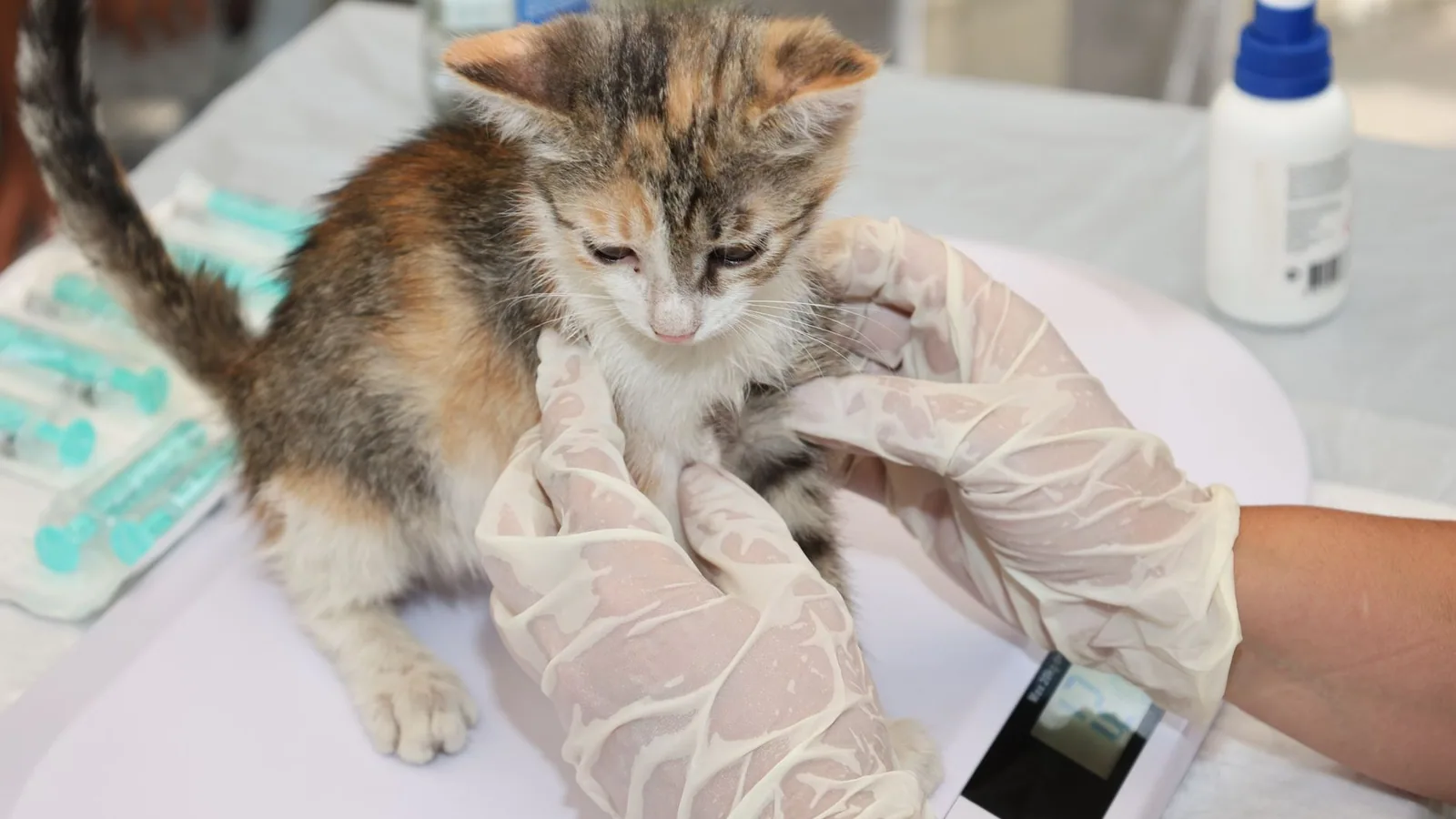
Key Takeaways
- Feline upper respiratory infections (URIs) are primarily caused by feline herpesvirus type 1 (FHV-1) and feline calicivirus (FCV), with significant contributions from bacterial pathogens like Bordetella bronchiseptica and Chlamydia felis.
- Transmission occurs via direct contact with infected secretions (ocular, nasal, oral) and through aerosolized droplets, with fomite transmission being particularly relevant for FCV due to its environmental stability.
- Clinical signs range from serous nasal discharge and sneezing to severe conjunctivitis, oral ulcers, and pneumonia, with FHV-1 capable of causing latent infections and recurrent episodes.
- Diagnostic confirmation often relies on PCR testing of conjunctival and nasal swabs for viral and bacterial agents, while treatment involves supportive care, antiviral therapy (e.g., famciclovir for FHV-1), and targeted antimicrobial therapy (e.g., doxycycline for B. bronchiseptica and C. felis).
- The zoonotic risk is low but present, with Bordetella bronchiseptica potentially causing pertussis-like illness in immunocompromised humans, and Chlamydia felis capable of inducing conjunctivitis through direct contact with ocular secretions.
- Prevention strategies include vaccination against key viral and bacterial pathogens, rigorous environmental disinfection with appropriate virucidal agents, and stress reduction in multi-cat environments.
Feline upper respiratory infections (URIs) represent a complex of contagious diseases caused by a diverse array of viral and bacterial pathogens. These infections are among the most common reasons for veterinary consultation in cats [<a href="#ref-1">1</a>]. The primary etiologic agents include feline herpesvirus type 1 (FHV-1), feline calicivirus (FCV), Bordetella bronchiseptica, and Chlamydia felis [<a href="#ref-1">1</a>, <a href="#ref-2">2</a>]. Mixed infections are frequently observed, and the clinical presentation can vary from mild serous nasal discharge to severe pneumonia [<a href="#ref-3">3</a>]. This article provides an exhaustive review of the etiology, transmission, clinical signs, therapeutic approaches, and zoonotic risk associated with feline URIs, with a particular focus on bacterial pathogens and their potential for cross-species transmission.
Etiology
Viral Agents
Feline herpesvirus type 1 (FHV-1) is an enveloped, double-stranded DNA virus belonging to the family Herpesviridae, subfamily Alphaherpesvirinae [<a href="#ref-1">1</a>]. The virus exhibits a tropism for the epithelium of the upper respiratory tract and conjunctiva, where it causes lytic infection followed by lifelong latency in the trigeminal ganglia [<a href="#ref-1">1</a>, <a href="#ref-2">2</a>]. Reactivation occurs during periods of stress, immunosuppression, or corticosteroid administration, leading to recurrent clinical episodes [<a href="#ref-3">3</a>].
Feline calicivirus (FCV) is a non-enveloped, single-stranded positive-sense RNA virus in the family Caliciviridae [<a href="#ref-1">1</a>]. Multiple antigenic strains exist, with some causing classic oral ulceration and others leading to severe systemic disease (virulent systemic FCV) [<a href="#ref-2">2</a>, <a href="#ref-3">3</a>]. The virus is highly stable in the environment and resistant to many common disinfectants [<a href="#ref-1">1</a>].
Bacterial Agents
Bordetella bronchiseptica is a Gram-negative, aerobic coccobacillus that colonizes the ciliated epithelial cells of the respiratory tract [<a href="#ref-1">1</a>]. It produces several virulence factors including filamentous hemagglutinin, adenylate cyclase toxin, and dermonecrotic toxin, which impair mucociliary clearance and facilitate persistent colonization [<a href="#ref-2">2</a>, <a href="#ref-3">3</a>]. Primary infection with B. bronchiseptica can occur, but it frequently acts as a secondary opportunist following viral damage to the respiratory epithelium [<a href="#ref-1">1</a>].
Chlamydia felis is an obligate intracellular Gram-negative bacterium that primarily causes conjunctivitis but can also contribute to upper respiratory signs [<a href="#ref-1">1</a>]. It survives inside host epithelial cells by evading lysosomal fusion and is shed in ocular and nasal secretions [<a href="#ref-2">2</a>]. C. felis is a common co-pathogen in feline URI outbreaks, especially in multi-cat environments [<a href="#ref-3">3</a>].
Other bacteria that can be isolated from feline URI cases include Mycoplasma species, Streptococcus species, and Escherichia coli, though their primary pathogenic role is less well defined [<a href="#ref-1">1</a>, <a href="#ref-2">2</a>].
How Do Cats Get Respiratory Infections?
Understanding the question "how do cats get respiratory infections" is fundamental to implementing effective control measures. Transmission of feline URI pathogens occurs predominantly through direct contact with infected secretions (ocular, nasal, or oral) [<a href="#ref-1">1</a>]. Aerosolized droplets generated by sneezing can travel short distances (up to 1-2 meters) and infect naïve cats via the respiratory or conjunctival route [<a href="#ref-2">2</a>].
Indirect transmission via fomites (food bowls, bedding, grooming tools, human hands) is particularly important for FCV, which can persist on surfaces for weeks to months [<a href="#ref-1">1</a>]. FHV-1 is more labile in the environment but can be transmitted via contaminated objects for up to 24 hours under favorable conditions [<a href="#ref-2">2</a>]. Stress, overcrowding, poor ventilation, and concurrent disease increase the risk of transmission and disease severity [<a href="#ref-3">3</a>].
Clinical Signs
The clinical signs of feline URI are largely dependent on the etiologic agent, the host's immune status, and the presence of co-infections [<a href="#ref-1">1</a>]. The classic syndrome includes serous to mucopurulent nasal discharge, sneezing, conjunctivitis, ocular discharge, and lethargy [<a href="#ref-2">2</a>]. Fever, anorexia, and dehydration are common in more severe cases [<a href="#ref-3">3</a>].
The following table summarizes the characteristic clinical signs associated with each major pathogen:
| Agent | Predominant Signs | Additional Features |
|---|---|---|
| FHV-1 | Serous to purulent nasal discharge, sneezing, conjunctivitis, keratitis (dendritic ulcers) | Recurrent episodes, corneal sequestrum, symblepharon |
| FCV | Oral ulcers (tongue, palate, lips), nasal discharge, salivation, sneezing | Acute febrile syndrome, pneumonia, virulent systemic FCV with edema and jaundice |
| Bordetella bronchiseptica | Cough (paroxysmal), mucopurulent nasal discharge, fever, tracheobronchitis | Bronchopneumonia in kittens, lymphadenopathy |
| Chlamydia felis | Acute conjunctivitis (chemosis, hyperemia), mild nasal discharge, sneezing | Repeated ocular infections, chronic follicular conjunctivitis |
Kittens, geriatric cats, and those with concurrent retroviral infections (feline immunodeficiency virus, feline leukemia virus) are at higher risk for severe disease and prolonged recovery [<a href="#ref-1">1</a>, <a href="#ref-2">2</a>].
Are Cat Respiratory Infections Dangerous?
The question "are cat respiratory infections dangerous" requires a nuanced answer. Most uncomplicated URIs in adult cats are self-limiting and resolve within 7-14 days with supportive care [<a href="#ref-1">1</a>]. However, certain circumstances elevate the risk of morbidity and mortality. FHV-1 infection can lead to severe keratitis, corneal ulceration with perforation, and secondary bacterial infection [<a href="#ref-2">2</a>]. FCV-associated pneumonia in kittens carries a guarded prognosis, especially when complicated by bacterial bronchopneumonia [<a href="#ref-3">3</a>]. Bordetella bronchiseptica can cause fatal bronchopneumonia in debilitated or very young kittens [<a href="#ref-1">1</a>]. Chronic rhinitis and sinusitis may develop after viral damage to the nasal turbinates, resulting in lifelong clinical signs despite appropriate therapy [<a href="#ref-2">2</a>]. Therefore, while many cases are mild, feline URIs can be dangerous, particularly in vulnerable populations.
Diagnostic Approaches
Diagnosis is often based on clinical signs and signalment, but definitive identification of the causative agent may be necessary for outbreak management, zoonotic risk assessment, or therapeutic planning [<a href="#ref-1">1</a>]. Conjunctival and nasal swabs can be submitted for polymerase chain reaction (PCR) testing, which is the most sensitive and specific method for detecting FHV-1, FCV, C. felis, and B. bronchiseptica [<a href="#ref-2">2</a>]. Virus isolation and bacterial culture with antimicrobial susceptibility testing remain useful, particularly for B. bronchiseptica due to emerging resistance patterns [<a href="#ref-3">3</a>]. Serology is of limited value for acute diagnosis due to the high prevalence of antibodies from natural infection or vaccination [<a href="#ref-1">1</a>]. Diagnostic imaging (radiography, computed tomography) may be indicated for chronic or recurrent cases to evaluate for turbinate destruction, nasal foreign bodies, or polyps [<a href="#ref-2">2</a>].
Treatment
Therapeutic management of feline URI focuses on supportive care, controlling secondary bacterial infections, and reducing clinical signs [<a href="#ref-1">1</a>]. Antiviral therapy for FHV-1 includes oral famciclovir, which has demonstrated efficacy in reducing clinical signs and viral shedding [<a href="#ref-2">2</a>]. Topical ophthalmic antivirals (e.g., cidofovir, trifluridine) are used for herpetic keratitis [<a href="#ref-3">3</a>]. No specific antiviral drugs are licensed for FCV; treatment is supportive [<a href="#ref-1">1</a>].
Antimicrobial therapy is indicated when bacterial infection is confirmed or strongly suspected [<a href="#ref-2">2</a>]. For B. bronchiseptica, tetracyclines (doxycycline) are the drugs of choice, though resistance to some beta-lactams has been reported [<a href="#ref-3">3</a>]. C. felis is also susceptible to doxycycline and azithromycin [<a href="#ref-1">1</a>]. Supportive measures include nebulization, fluid therapy, nutritional support, and administration of appetite stimulants or antiemetics as needed [<a href="#ref-2">2</a>]. Severe cases may require hospitalization and oxygen therapy [<a href="#ref-3">3</a>].
Zoonotic Risk Assessment: Is Cat Respiratory Infection Contagious to Humans?
The question "is cat respiratory infection contagious to humans" is central to a risk assessment. The primary bacterial pathogens of concern for zoonotic transmission are Bordetella bronchiseptica and Chlamydia felis [<a href="#ref-1">1</a>]. B. bronchiseptica is known to cause respiratory disease in humans, particularly in immunocompromised individuals, including those with HIV/AIDS, organ transplant recipients, and patients with structural lung disease [<a href="#ref-2">2</a>]. Human infections typically manifest as pertussis-like illness, bronchitis, or pneumonia [<a href="#ref-3">3</a>]. Transmission occurs via direct contact with infected cats or contaminated respiratory secretions [<a href="#ref-1">1</a>]. The risk to healthy immunocompetent individuals is considered low, but appropriate hygiene (hand washing, avoiding close contact with symptomatic cats) is recommended [<a href="#ref-2">2</a>].
Chlamydia felis has been documented to cause conjunctivitis in humans, especially in owners of cats with active ocular infections [<a href="#ref-1">1</a>]. Human cases are rare and typically respond to tetracycline or macrolide therapy [<a href="#ref-3">3</a>]. The organism is not transmitted via aerosols but rather through direct contact with infectious ocular secretions [<a href="#ref-2">2</a>]. FHV-1 and FCV are not zoonotic and do not cause disease in humans [<a href="#ref-1">1</a>].
A risk assessment matrix is provided below:
| Pathogen | Zoonotic Potential | Human Disease | Primary Route of Transmission to Humans |
|---|---|---|---|
| FHV-1 | None | Not applicable | Not applicable |
| FCV | None | Not applicable | Not applicable |
| Bordetella bronchiseptica | Low (moderate in immunocompromised) | Pertussis-like illness, pneumonia, bronchitis | Inhalation of aerosols, direct contact |
| Chlamydia felis | Low | Follicular conjunctivitis | Direct contact with ocular secretions |
Overall, the zoonotic risk of feline URIs is low for the general population, but veterinary professionals and immunocompromised owners should adopt standard infection control practices [<a href="#ref-1">1</a>, <a href="#ref-2">2</a>].
Prevention and Control
Preventive strategies include routine vaccination against FHV-1, FCV, and C. felis [<a href="#ref-1">1</a>]. Vaccines for B. bronchiseptica are available as intranasal or parenteral formulations and are recommended for cats in high-risk environments (shelters, catteries, boarding facilities) [<a href="#ref-2">2</a>]. Environmental disinfection is critical: FCV requires virucidal agents effective against non-enveloped viruses (e.g., accelerated hydrogen peroxide, sodium hypochlorite), while FHV-1 and bacteria are more easily inactivated [<a href="#ref-3">3</a>]. Reducing stress, optimizing nutrition, and maintaining good ventilation in multi-cat settings lower the incidence of URI [<a href="#ref-1">1</a>].
flowchart TD
 A["Cat presents with URI signs"] --> B{"Diagnostic workup"}
 B --> C["PCR on conjunctival/nasal swabs"]
 C --> D["FHV-1 positive"]
 C --> E["FCV positive"]
 C --> F["B. bronchiseptica positive"]
 C --> G["C. felis positive"]
 C --> H["Negative for all"]
 D --> I["Antiviral therapy + supportive care"]
 E --> J["Supportive care + isolation"]
 F --> K["Doxycycline + supportive care"]
 G --> L["Doxycycline + supportive care"]
 H --> M["Empiric therapy + consider mycoplasma"]
 I --> N["Monitor for corneal lesions"]
 J --> O["Monitor for oral ulcers/pneumonia"]
 K --> P["Assess zoonotic risk to owners"]
 L --> Q["Advise on ocular hygiene"]
Conclusion
Feline upper respiratory infections are complex, multi-etiologic diseases that require a thorough understanding of pathogen characteristics, transmission dynamics, and clinical management. Bacterial pathogens such as Bordetella bronchiseptica and Chlamydia felis play important roles as primary and secondary agents and carry a low but real zoonotic risk. A comprehensive diagnostic approach, appropriate antimicrobial therapy guided by susceptibility testing, and robust preventive strategies are essential for controlling these infections in individual cats and populations. Continued research into host-pathogen interactions and antimicrobial resistance patterns will further refine therapeutic and preventive recommendations.