Feline Respiratory Infections: Etiology, Transmission, and Zoonotic Potential
By Dr. Zubair Khalid, DVM, MS, PhD ·
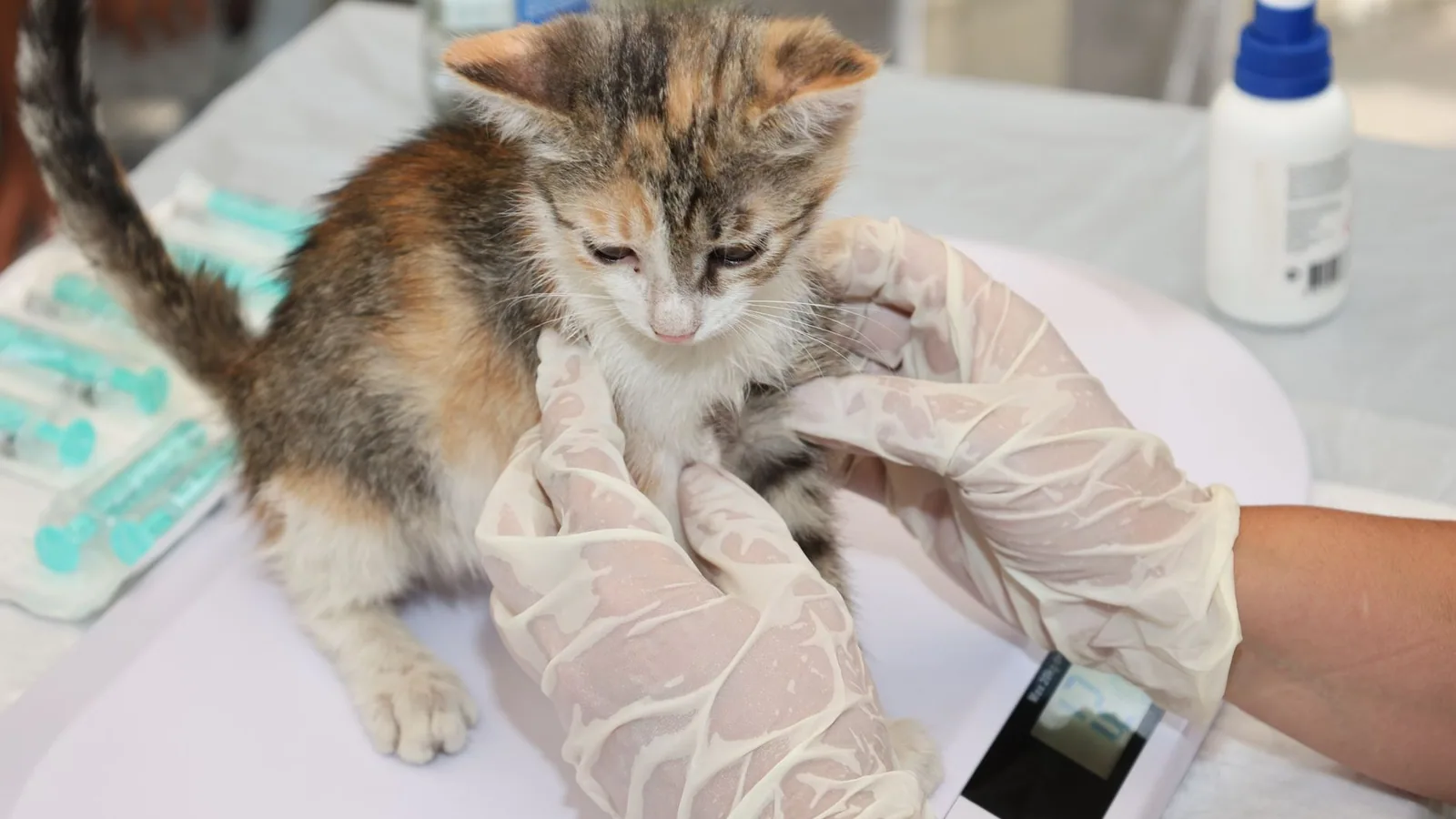
Key Takeaways
- Feline respiratory infections are primarily caused by viral agents such as feline herpesvirus type 1 (FHV-1) and feline calicivirus (FCV), with bacterial pathogens like Bordetella bronchiseptica, Chlamydia felis, and Mycoplasma species acting as primary or secondary contributors.
- Transmission occurs predominantly through direct contact with infected secretions and aerosolized droplets, as well as indirect contact via contaminated fomites, with overcrowding and stress being significant risk factors for spread.
- Diagnostic confirmation relies heavily on molecular methods, particularly multiplex PCR panels, for simultaneous detection of multiple pathogens from swabs or bronchoalveolar lavage fluid, while imaging aids in assessing lower respiratory tract involvement.
- While most feline respiratory pathogens are host-specific, Bordetella bronchiseptica, Chlamydia felis, and certain influenza A viruses (e.g., H5N1) pose a zoonotic risk, particularly to immunocompromised individuals.
- Prevention strategies include vaccination against common viral and bacterial agents, stringent biosecurity measures in multi-cat environments, and management of environmental stressors to bolster feline immune defenses.
- Treatment involves pathogen-specific antimicrobial therapy for bacterial infections (e.g., doxycycline for C. felis) and supportive care, with antiviral agents like famciclovir considered for FHV-1.
Introduction
Feline respiratory infections represent a complex clinical syndrome with a multifactorial etiology involving viral, bacterial, and parasitic pathogens. These infections are among the most common reasons for veterinary consultations in domestic cats and pose significant challenges in diagnosis, treatment, and control [<a href="#ref-1">1</a>, <a href="#ref-2">2</a>]. The clinical presentation of feline respiratory disease is often characterized by ocular and nasal discharge, sneezing, conjunctivitis, and in severe cases, pneumonia [<a href="#ref-3">3</a>, <a href="#ref-4">4</a>]. Understanding the specific etiological agents, their transmission pathways, and their zoonotic potential is critical for effective clinical management and public health risk assessment. This article provides a detailed examination of the bacterial, viral, and parasitic causes of feline respiratory infections, their epidemiological patterns, diagnostic approaches, and the evidence regarding their potential for cross-species transmission.
Etiology of Feline Respiratory Infections
Bacterial Pathogens
Bacterial agents are primary or secondary contributors to feline respiratory disease. The most clinically relevant bacterial pathogens include Bordetella bronchiseptica, Chlamydia felis, and Mycoplasma species.
Bordetella bronchiseptica is a Gram-negative coccobacillus that colonizes the ciliated respiratory epithelium. It is a primary pathogen in cats, particularly in high-density housing environments such as shelters and catteries [<a href="#ref-5">5</a>]. The bacterium produces adhesins and toxins that disrupt mucociliary clearance, facilitating secondary infections. An inactivated vaccine has been developed and evaluated for efficacy in cats, demonstrating a reduction in clinical signs following challenge [<a href="#ref-5">5</a>].
Chlamydia felis is an obligate intracellular bacterium that primarily causes conjunctivitis, though it can be associated with upper respiratory tract signs [<a href="#ref-6">6</a>]. Prevalence studies have identified risk factors including multi-cat households and young age [<a href="#ref-6">6</a>]. The organism has a biphasic life cycle alternating between infectious elementary bodies and replicative reticulate bodies.
Mycoplasma species, particularly Mycoplasma felis and Mycoplasma cynos, are cell-wall deficient bacteria that can act as primary respiratory pathogens. Mycoplasma felis has been isolated from cats with conjunctivitis and lower respiratory tract disease [<a href="#ref-7">7</a>, <a href="#ref-8">8</a>]. Genomic analyses have revealed antimicrobial resistance determinants and virulence factors in these species [<a href="#ref-8">8</a>]. A study on the epidemiology and phylogenetic divergence of feline respiratory mycoplasmas in China demonstrated significant genetic diversity and differential pathogenicity among isolates [<a href="#ref-7">7</a>].
Other bacterial agents include Klebsiella pneumoniae, which has been isolated from respiratory-diseased pet cats, with phenotypic and molecular characterization revealing multidrug resistance profiles [<a href="#ref-9">9</a>]. Pasteurella multocida is another commensal organism that can act as an opportunistic pathogen in the feline respiratory tract.
Viral Pathogens
Viral agents are the most common primary causes of feline upper respiratory tract disease. The two predominant viruses are feline herpesvirus type 1 (FHV-1) and feline calicivirus (FCV).
Feline herpesvirus type 1 (FHV-1) is an enveloped, double-stranded DNA virus belonging to the family Herpesviridae. The virus establishes latency in trigeminal ganglia following primary infection, with reactivation occurring during periods of stress [<a href="#ref-10">10</a>]. The mechanism of FHV-1 entry involves interaction with lipid rafts on the host cell membrane, a process that represents a potential target for antiviral therapy [<a href="#ref-10">10</a>]. Rapid diagnostic methods, including immunochromatographic test strips using fluorescent microspheres, have been developed for FHV-1 detection [<a href="#ref-11">11</a>]. The occurrence and pathology of FHV-1 in cats with respiratory disease have been well documented, with characteristic intranuclear inclusion bodies observed histologically [<a href="#ref-2">2</a>].
Feline calicivirus (FCV) is a non-enveloped, single-stranded RNA virus belonging to the family Caliciviridae. The virus exhibits significant antigenic diversity and is associated with oral ulceration, upper respiratory signs, and in virulent systemic strains, fatal pneumonia and footpad edema [<a href="#ref-4">4</a>, <a href="#ref-12">12</a>]. Reverse genetics systems have been constructed for FCV strains, enabling proteomic analysis of viral replication [<a href="#ref-13">13</a>]. Transcriptomic analyses of infected Crandell-Rees feline kidney (CRFK) cells have revealed host gene expression changes associated with viral infection [<a href="#ref-14">14</a>, <a href="#ref-15">15</a>]. An engineered VP1 mRNA vaccine has demonstrated the ability to induce immunity and provide complete protection against FCV challenge in cats [<a href="#ref-16">16</a>].
Other viral agents include gammaherpesviruses, which have been investigated for their presence in cats with and without upper respiratory tract disease, though their pathogenic role remains unclear [<a href="#ref-17">17</a>]. Influenza A viruses, including highly pathogenic avian influenza H5N1, have emerged as significant pathogens in cats, particularly during outbreaks in poultry populations [<a href="#ref-18">18</a>, <a href="#ref-19">19</a>, <a href="#ref-20">20</a>, <a href="#ref-21">21</a>]. Influenza D virus has also been detected in domestic and stray cats, with serologic evidence of exposure in European cat populations [<a href="#ref-22">22</a>, <a href="#ref-23">23</a>].
Parasitic Pathogens
Parasitic agents, particularly pulmonary nematodes, contribute to feline respiratory disease, especially in cats with outdoor access. Aelurostrongylus abstrusus is the most common lungworm in cats, causing verminous pneumonia [<a href="#ref-24">24</a>, <a href="#ref-25">25</a>, <a href="#ref-26">26</a>]. The parasite has an indirect life cycle involving intermediate hosts such as snails and slugs. Clinical signs range from subclinical infection to severe respiratory distress, particularly in kittens [<a href="#ref-25">25</a>]. Other metastrongyloid parasites, including Troglostrongylus brevior, have been reported in domestic cats in endemic regions [<a href="#ref-27">27</a>]. Diagnosis relies on coprological examination using the Baermann technique and molecular methods [<a href="#ref-24">24</a>, <a href="#ref-27">27</a>].
Transmission Dynamics
How Do Cats Get Respiratory Infections?
Understanding how do cats get respiratory infections is fundamental to implementing effective control measures. Transmission of feline respiratory pathogens occurs primarily through direct contact with infected individuals, fomites, and aerosolized droplets [<a href="#ref-1">1</a>].
Direct contact transmission is the most efficient route for FHV-1, FCV, and B. bronchiseptica. Infected cats shed large quantities of virus or bacteria in ocular, nasal, and oral secretions. Sneezing generates aerosolized particles that can travel short distances and contaminate the immediate environment [<a href="#ref-1">1</a>]. Fomite transmission is particularly important for FCV, which is resistant to many common disinfectants due to its non-enveloped structure.
Indirect transmission through contaminated food bowls, water dishes, bedding, and human hands is a significant route in multi-cat environments. C. felis is shed in ocular secretions and can be transmitted through direct contact or contaminated fomites [<a href="#ref-6">6</a>]. Mycoplasma species are transmitted through close contact and respiratory droplets [<a href="#ref-7">7</a>].
Parasitic transmission occurs through ingestion of intermediate hosts for A. abstrusus or through paratenic hosts such as rodents [<a href="#ref-24">24</a>, <a href="#ref-27">27</a>]. Vertical transmission has not been well documented for most respiratory pathogens, though neonatal infection can occur through contact with infected queens.
Environmental factors that increase transmission risk include overcrowding, poor ventilation, stress, and concurrent disease [<a href="#ref-1">1</a>]. Shelters, catteries, and multi-cat households represent high-risk environments for respiratory pathogen transmission.
Clinical Signs and Pathology
Are Cat Respiratory Infections Dangerous?
The question of are cat respiratory infections dangerous depends on the specific pathogen, host immune status, and presence of co-infections. Uncomplicated upper respiratory tract infections typically cause mild to moderate clinical signs, but severe and life-threatening disease can occur.
Clinical signs of feline respiratory infections include serous to mucopurulent ocular and nasal discharge, sneezing, conjunctivitis, and oral ulceration [<a href="#ref-2">2</a>, <a href="#ref-3">3</a>]. FHV-1 infection is characterized by severe conjunctivitis, keratitis, and corneal ulceration. FCV infection typically presents with oral ulcers on the tongue and hard palate, hypersalivation, and gingivitis [<a href="#ref-4">4</a>, <a href="#ref-28">28</a>]. Virulent systemic FCV strains can cause severe pneumonia, footpad edema, and high mortality [<a href="#ref-4">4</a>].
Lower respiratory tract involvement, including bronchitis and pneumonia, is more common with bacterial pathogens such as B. bronchiseptica and Mycoplasma species [<a href="#ref-5">5</a>, <a href="#ref-7">7</a>]. Pulmonary nematode infections cause granulomatous inflammation and verminous pneumonia, with clinical signs including coughing, dyspnea, and exercise intolerance [<a href="#ref-24">24</a>, <a href="#ref-25">25</a>, <a href="#ref-26">26</a>].
Pathological findings in fatal cases include suppurative bronchopneumonia, interstitial pneumonia, and pulmonary consolidation. Histologically, FHV-1 causes eosinophilic intranuclear inclusion bodies in epithelial cells, while FCV induces cytoplasmic vacuolation and necrosis [<a href="#ref-2">2</a>]. C. felis infection results in conjunctival epithelial hyperplasia and lymphoplasmacytic inflammation [<a href="#ref-6">6</a>].
Acute phase protein responses, including serum amyloid A and haptoglobin, are elevated in cats with respiratory disease and can serve as biomarkers of inflammation and disease severity [<a href="#ref-29">29</a>]. Oxidative stress biomarkers are also altered in FCV-infected cats, reflecting cellular damage [<a href="#ref-30">30</a>].
Diagnostic Approaches
Diagnosis of feline respiratory infections requires a combination of clinical evaluation, laboratory testing, and molecular diagnostics. Sample types include conjunctival swabs, oropharyngeal swabs, nasal swabs, bronchoalveolar lavage fluid, and fecal samples for parasitic examination.
Molecular diagnostics, particularly polymerase chain reaction (PCR) assays, are the gold standard for detecting FHV-1, FCV, C. felis, and Mycoplasma species [<a href="#ref-1">1</a>, <a href="#ref-6">6</a>, <a href="#ref-7">7</a>, <a href="#ref-11">11</a>]. Multiplex PCR panels allow simultaneous detection of multiple pathogens from a single sample [<a href="#ref-31">31</a>]. Automated portable loop-mediated isothermal amplification (LAMP) systems have been developed for point-of-care nucleic acid detection of multiple feline upper respiratory pathogens [<a href="#ref-31">31</a>].
Serological testing is available for some pathogens, including influenza D virus and C. felis, though its utility is limited by the prevalence of prior exposure and vaccination [<a href="#ref-6">6</a>, <a href="#ref-22">22</a>, <a href="#ref-23">23</a>]. Virus isolation and bacterial culture remain reference methods but are time-consuming and require specialized laboratory facilities.
Diagnostic imaging, including thoracic radiography and point-of-care ultrasound, is valuable for assessing lower respiratory tract involvement and pulmonary pathology [<a href="#ref-24">24</a>, <a href="#ref-25">25</a>]. Computed tomography provides detailed assessment of pulmonary lesions but is less commonly used in clinical practice.
Hematological and biochemical analyses, including acute phase protein measurement, support the diagnosis and monitoring of disease severity [<a href="#ref-29">29</a>]. Complete blood counts may reveal leukocytosis or leukopenia depending on the pathogen and stage of infection.
Treatment and Management
Treatment of feline respiratory infections is directed at the specific etiological agent and supportive care for clinical signs. Antimicrobial therapy is indicated for bacterial infections, with selection based on culture and susceptibility testing when possible.
B. bronchiseptica is typically susceptible to tetracyclines, fluoroquinolones, and potentiated sulfonamides [<a href="#ref-5">5</a>]. C. felis is treated with tetracyclines, particularly doxycycline, which achieves high intracellular concentrations [<a href="#ref-6">6</a>]. Mycoplasma species are susceptible to tetracyclines and macrolides, though resistance determinants have been identified [<a href="#ref-8">8</a>]. A systematic review and meta-analysis of antibiotic treatment duration for pneumonia in dogs and cats suggested that shorter courses may be as effective as longer courses for uncomplicated cases [<a href="#ref-32">32</a>].
Antiviral therapy for FHV-1 includes topical and systemic antiviral agents such as famciclovir, which inhibits viral DNA polymerase. Lipid raft inhibitors represent a potential novel antiviral target for FHV-1 [<a href="#ref-10">10</a>]. For FCV, antiviral compounds such as lapachol, a dihydroorotate dehydrogenase inhibitor, have demonstrated in vitro and in vivo activity [<a href="#ref-33">33</a>].
Supportive care includes nutritional support, fluid therapy, and management of ocular and nasal discharge. Nebulization and coupage can help clear respiratory secretions. Severe cases may require hospitalization and oxygen therapy.
Vaccination is a cornerstone of prevention for FHV-1 and FCV. Modified live and inactivated vaccines are available, and an engineered mRNA vaccine has shown promise for FCV [<a href="#ref-16">16</a>]. Vaccination against B. bronchiseptica is available and recommended for high-risk cats [<a href="#ref-5">5</a>].
Zoonotic Potential
Is Cat Respiratory Infection Contagious to Humans?
The question of is cat respiratory infection contagious to humans requires careful consideration of the specific pathogen and its host range. Most common feline respiratory pathogens are host-specific and do not pose a significant zoonotic risk. However, several agents have documented or potential zoonotic importance.
Bordetella bronchiseptica is a zoonotic pathogen that can cause respiratory infections in immunocompromised humans. The bacterium is closely related to Bordetella pertussis, the causative agent of whooping cough in humans. Transmission from cats to humans has been documented, though it is considered rare [<a href="#ref-5">5</a>].
Chlamydia felis has been associated with conjunctivitis in humans following direct contact with infected cats. The zoonotic risk is low but should be considered in immunocompromised individuals and those with close contact with infected animals [<a href="#ref-6">6</a>].
Mycoplasma species, including M. felis, have been isolated from human infections, though zoonotic transmission is considered uncommon [<a href="#ref-7">7</a>, <a href="#ref-8">8</a>]. The risk is higher in immunocompromised individuals.
Influenza A viruses, particularly highly pathogenic avian influenza H5N1, represent a significant zoonotic concern. Cats can become infected through contact with infected poultry or wild birds, and there is evidence of mammalian adaptation and potential for zoonotic transmission [<a href="#ref-18">18</a>, <a href="#ref-19">19</a>, <a href="#ref-20">20</a>, <a href="#ref-21">21</a>, <a href="#ref-34">34</a>]. Occupational exposure among veterinary and other first responders has been documented during H5N1 outbreaks [<a href="#ref-18">18</a>]. Influenza D virus has been detected in cats, but its zoonotic potential remains unclear [<a href="#ref-22">22</a>, <a href="#ref-23">23</a>].
Klebsiella pneumoniae is an opportunistic pathogen in humans and can be transmitted from cats, particularly in healthcare settings [<a href="#ref-9">9</a>]. Multidrug-resistant strains pose a significant public health concern.
Parasitic pathogens such as A. abstrusus are not zoonotic, as they require specific intermediate hosts for completion of their life cycle [<a href="#ref-24">24</a>, <a href="#ref-25">25</a>, <a href="#ref-26">26</a>, <a href="#ref-27">27</a>].
Control and Prevention
Control of feline respiratory infections requires a multifaceted approach including vaccination, biosecurity, and management of environmental risk factors. Vaccination against FHV-1, FCV, and B. bronchiseptica is recommended for all cats, particularly those in high-risk environments [<a href="#ref-5">5</a>, <a href="#ref-16">16</a>].
Biosecurity measures include isolation of infected cats, disinfection of contaminated surfaces, and hand hygiene for personnel. FCV is resistant to many disinfectants, requiring the use of bleach or accelerated hydrogen peroxide-based products.
Management of environmental risk factors includes reducing overcrowding, improving ventilation, and minimizing stress. Nutritional support and management of concurrent diseases are important for maintaining immune function.
Diagnostic Workflow
The following diagram illustrates a diagnostic decision tree for feline respiratory infections:
flowchart TD
 A["Cat presenting with respiratory signs"] --> B{"Clinical examination"}
 B --> C["Ocular/nasal discharge, sneezing, conjunctivitis"]
 B --> D["Coughing, dyspnea, lower respiratory signs"]
 C --> E["Upper respiratory tract infection suspected"]
 D --> F["Lower respiratory tract infection suspected"]
 E --> G["Collect conjunctival and oropharyngeal swabs"]
 F --> H["Collect bronchoalveolar lavage or tracheal wash"]
 G --> I["Perform multiplex PCR for FHV-1, FCV, C. felis, Mycoplasma"]
 H --> I
 I --> J{"Pathogen detected?"}
 J -->|"Yes"| K["Targeted treatment based on pathogen"]
 J -->|"No"| L["Consider bacterial culture and susceptibility"]
 L --> M["Empiric antimicrobial therapy"]
 K --> N["Monitor clinical response"]
 M --> N
 N --> O{"Clinical improvement?"}
 O -->|"Yes"| P["Continue treatment and supportive care"]
 O -->|"No"| Q["Re-evaluate diagnostics, consider imaging"]
 Q --> R["Thoracic radiography or ultrasound"]
 R --> S["Assess for pulmonary pathology"]
 S --> T["Adjust treatment accordingly"]
Conclusions
Feline respiratory infections are caused by a diverse array of bacterial, viral, and parasitic pathogens. The most common agents include FHV-1, FCV, B. bronchiseptica, C. felis, and Mycoplasma species. Transmission occurs primarily through direct contact and fomites, with environmental factors playing a significant role in disease spread. While most feline respiratory pathogens are host-specific, several agents including B. bronchiseptica, C. felis, and influenza A viruses have zoonotic potential, particularly for immunocompromised individuals. Accurate diagnosis using molecular methods, appropriate antimicrobial therapy, and vaccination are essential for effective management and control.