
Zoonotic Pathogens in Livestock: Bacterial and Viral Threats to Human Health
Introduction
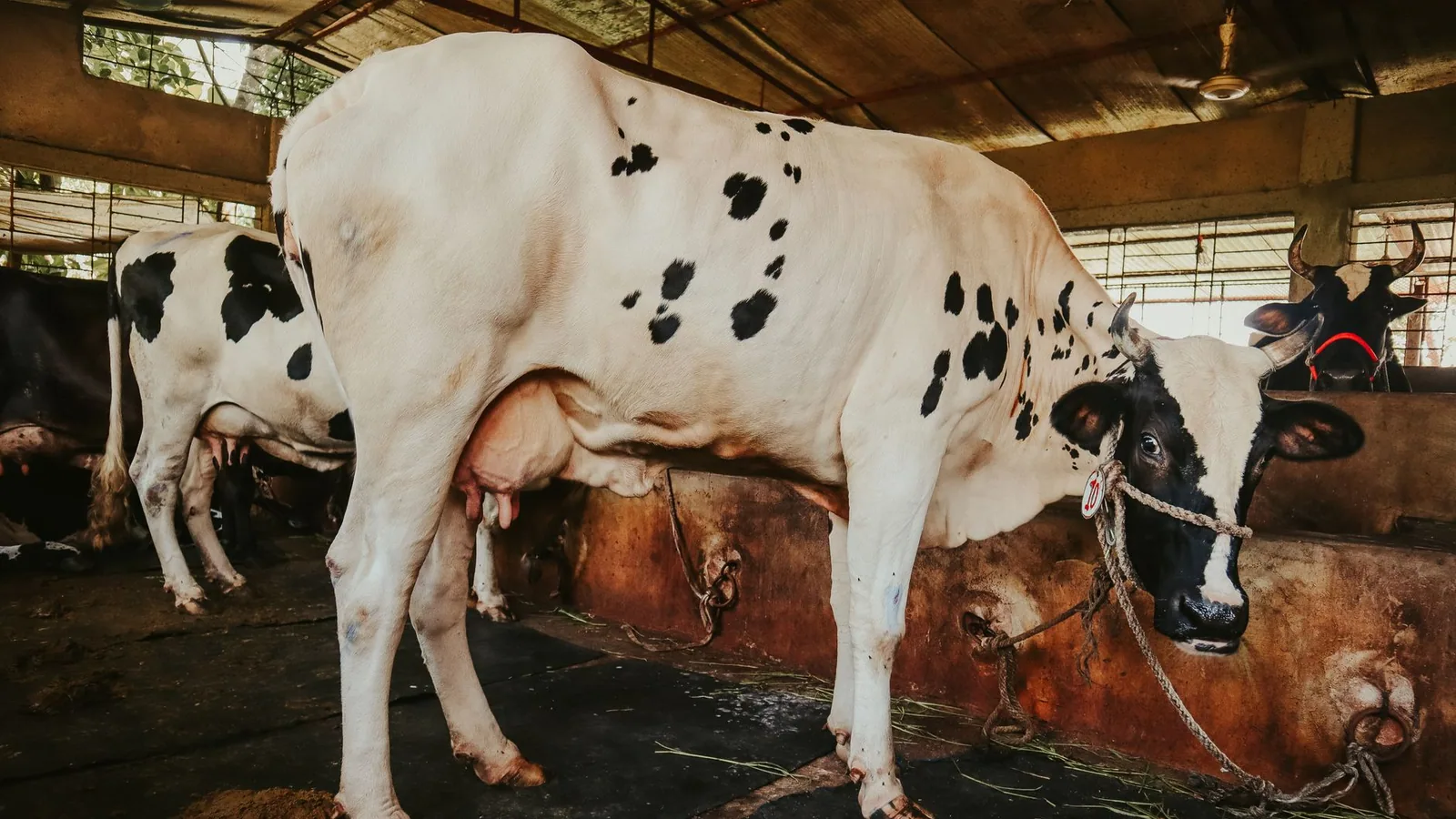
Livestock populations serve as reservoirs for a diverse array of bacterial and viral pathogens capable of crossing species barriers and causing human disease. The interface between animal production systems and human populations creates opportunities for pathogen spillover, amplification, and sustained transmission [10, 30]. Understanding the biological mechanisms of host adaptation, virulence factor expression, and environmental persistence is essential for designing effective surveillance and control programs [49, 65]. This review provides a detailed examination of major bacterial and viral zoonotic agents associated with livestock, with emphasis on molecular pathogenesis, diagnostic methodologies, and the role of antimicrobial resistance (AMR) in shaping zoonotic risk.
Bacterial Zoonotic Pathogens
Bacterial pathogens of livestock origin account for a substantial proportion of foodborne and occupationally acquired infections globally [88, 148]. The following table summarizes key bacterial zoonotic agents, their primary livestock reservoirs, and associated human diseases.
| Pathogen | Primary Livestock Reservoir | Zoonotic Disease(s) | Key References |
|---|---|---|---|
| Brucella abortus, B. melitensis | Cattle, sheep, goats, camels | Brucellosis (undulant fever) | [26, 33, 40, 43, 48, 51, 60, 61, 64, 83, 84] |
| Salmonella enterica serovars | Poultry, swine, cattle, sheep | Salmonellosis (gastroenteritis, typhoid) | [19, 25, 28, 39, 62, 69, 74, 85, 94, 99] |
| Campylobacter jejuni, C. coli | Poultry, cattle, sheep, camelids | Campylobacteriosis (enteritis, Guillain-Barré) | [4, 37, 44, 50] |
| Shiga toxin-producing Escherichia coli (STEC) | Cattle, sheep, goats | Hemorrhagic colitis, hemolytic uremic syndrome | [24, 57, 58, 59, 76] |
| Leptospira spp. | Cattle, swine, sheep, goats | Leptospirosis (Weil's disease) | [8, 15, 23, 47, 52] |
| Coxiella burnetii | Sheep, goats, cattle | Q fever | [18, 21, 54, 60, 96] |
| Listeria monocytogenes | Ruminants (sheep, cattle, goats) | Listeriosis (meningitis, abortion) | [34, 67, 98] |
| Methicillin-resistant Staphylococcus aureus (MRSA) | Swine, poultry, cattle | Skin infections, pneumonia, bacteremia | [7, 66] |
| Streptococcus suis serotype 2 | Swine | Meningitis, septicemia | [16, 35, 72, 73, 79, 80] |
| Mycobacterium bovis | Cattle, goats, camelids | Zoonotic tuberculosis | [14, 30] |
| Bacillus anthracis | Cattle, sheep, goats, swine | Anthrax | [82, 97] |
Brucella Species
Brucellosis remains one of the most widespread zoonotic diseases, with Brucella melitensis and B. abortus as the primary agents in small ruminants and cattle, respectively [33, 61, 83]. The pathogen survives intracellularly within macrophages by subverting host immune responses. Brucella Omp25 activates the unfolded protein response to promote intracellular proliferation and inflammation. Genomic studies have identified essential genes required for B. melitensis survival during macrophage infection. Diagnostic approaches include serological tests (Rose Bengal test, ELISA) and molecular methods such as quantitative PCR targeting IS711 [48, 84]. Microfluidic dielectrophoretic platforms have been developed for rapid manipulation and detection of B. abortus. Vaccination of livestock remains a cornerstone of control, and attenuated vaccine strains such as BA0711 have been characterized at the genomic level.
Salmonella enterica
Non-typhoidal Salmonella serovars are among the leading causes of foodborne gastroenteritis worldwide. Poultry and swine are major reservoirs, with transmission occurring through contaminated meat, eggs, and direct contact [25, 39, 69]. Salmonella Typhimurium interacts with the gut microbiota, and copper availability in the intestinal habitat can filter bacterial populations, affecting colonization resistance. The type III secretion system 1 (T3SS-1) is a key virulence determinant, and natural compounds such as Houttuynia cordata extract have been shown to inhibit T3SS-1 function. Antimicrobial resistance (AMR) in Salmonella is a growing concern, with multidrug-resistant strains isolated from poultry and wildlife [25, 74]. Phage cocktails have been designed to target Salmonella biofilms and provide in vivo protection.
Campylobacter Species
Campylobacter jejuni and C. coli are the most common bacterial causes of human enteritis in many regions, with poultry as the primary reservoir [4, 37]. Whole-genome sequencing has revealed extensive genetic diversity, virulence gene profiles, and AMR determinants in C. jejuni from livestock and wildlife [4, 44]. Seasonal dynamics influence the prevalence of thermotolerant Campylobacter in South American camelids. Urban broiler production systems in Uganda show high rates of Campylobacter contamination and resistance to fluoroquinolones.
Shiga Toxin-Producing Escherichia coli (STEC)
Cattle are the principal reservoir of STEC, which causes hemorrhagic colitis and hemolytic uremic syndrome in humans [57, 76]. Genomic surveillance of STEC in livestock and the environment reveals widespread circulation of serogroups O157, O26, and O103. High-somatic-cell buffalo milk in China contains dominant pathogenic E. coli strains with multiple virulence genes and AMR profiles. Dairy farms in Canada harbor antimicrobial-resistant E. coli with shared resistance genes between cattle and farm environments. Biofilm formation and phylogenetic analyses of E. coli from diarrheic lambs indicate a high prevalence of enterotoxigenic and Shiga toxin genes.
Leptospira Species
Leptospirosis is a globally important zoonosis transmitted through urine-contaminated water and soil. Livestock, including cattle, swine, and feral pigs, serve as maintenance hosts [8, 15]. Leptospira borgpetersenii serovar Hardjo is adapted to cattle and expresses small RNAs that may regulate virulence. The Leptospira interrogans CdaA protein functions as a diadenylate cyclase, contributing to cyclic di-AMP signaling. Seroprevalence studies in Colombia and Puerto Rico highlight the role of bovine farms and feral swine in maintaining leptospiral transmission [8, 15]. Molecular detection using PCR targeting lipL32 is the standard diagnostic approach.
Coxiella burnetii
Q fever is caused by Coxiella burnetii, an obligate intracellular bacterium shed in birth products, milk, and feces of infected sheep, goats, and cattle [18, 54, 60]. Small ruminants are particularly important sources of human outbreaks. Seroprevalence in livestock and occupationally exposed humans in Kenya and Togo indicates widespread exposure [60, 96]. Free-living feral pigs in Brazil have been found to carry C. burnetii, suggesting a role in environmental maintenance. Diagnosis relies on serology (IFA, ELISA) and PCR detection of the IS1111 element.
Listeria monocytogenes
Listeria monocytogenes causes encephalitis and abortion in ruminants and severe invasive disease in immunocompromised humans [34, 67]. The pathogen crosses the blood-brain barrier in goats through disruption of tight junctions and modulation of apoptosis and autophagy. An ActA-based competitive ELISA has been developed for specific diagnosis of ovine listeriosis. Tanshinone IIA has shown protective effects against L. monocytogenes infection in vitro and in vivo.
Methicillin-Resistant Staphylococcus aureus (MRSA)
Livestock-associated MRSA (LA-MRSA) has emerged as a zoonotic threat, particularly in swine and poultry operations [7, 66]. A 12-year nationwide study in South Korea documented MRSA in livestock carcasses, with clonal complex CC398 predominating. MRSA and methicillin-resistant coagulase-negative staphylococci (MRCoNS) have been isolated from livestock, humans, and the environment in Karnataka, India, indicating cross-sectoral transmission. Genomic epidemiology of poultry-associated S. aureus in Pakistan reveals diverse lineages and AMR genes.
Streptococcus suis
Streptococcus suis serotype 2 is a major swine pathogen and an emerging zoonotic agent causing meningitis and septicemia in humans [16, 35, 72, 73, 79]. Whole-genome sequencing of multidrug-resistant serotype 2 isolates reveals a high burden of AMR and virulence genes. Extracellular vesicles from S. suis disrupt macrophage metabolism, promoting pathogenicity. Bacterial ghosts engineered from S. suis have been developed as vaccine candidates. Avian expansion of S. suis suggests that shared antibiotic use drives host jumps.
Other Bacterial Zoonoses
Mycobacterium bovis causes zoonotic tuberculosis, with cattle as the primary reservoir [14, 30]. Non-tuberculous mycobacteria in cattle also pose zoonotic risks. Bacillus anthracis causes anthrax, with outbreaks linked to handling of cattle hides and carcasses. Electrochemical immunodetection of B. anthracis spores has been developed for rapid diagnosis. [Anaplasma phagocytophilum](/knowledge/bacteria/Equine Granulocytic Anaplasmosis/anaplasma-phagocytophilum-equine-granulocytic-anaplasmosis-tick) and A. marginale are tick-borne pathogens of livestock with zoonotic potential [20, 41]. Rickettsia species are detected in ticks infesting livestock and wildlife [9, 38]. Chlamydia abortus causes ovine enzootic abortion and can infect pregnant women [12, 63].
Viral Zoonotic Pathogens
Livestock serve as reservoirs or amplifying hosts for numerous viruses with zoonotic potential. The table below summarizes key viral zoonotic agents.
| Virus | Livestock Reservoir | Zoonotic Disease | Key References |
|---|---|---|---|
| Influenza A virus (H5N1, H7N9, H9N2, H3N2) | Poultry, swine | Avian influenza, swine influenza | [101, 104, 106, 108, 112, 114, 119, 120, 121, 122, 134, 137] |
| Rabies virus (lyssavirus) | Cattle, sheep, goats, dogs | Rabies | [12, 133] |
| West Nile virus | Horses, birds | West Nile fever | |
| Tembusu virus | Ducks, poultry | Tembusu virus disease | |
| Severe fever with thrombocytopenia syndrome virus (SFTSV) | Livestock (goats, cattle) | SFTS | [132, 141] |
| Nipah virus | Swine | Nipah virus encephalitis | [115, 126] |
| Venezuelan equine encephalitis virus (VEEV) | Horses, donkeys | Encephalitis | [107, 128, 136, 139, 142] |
| Chikungunya virus | Non-human primates, livestock? | Chikungunya fever | |
| Orthobunyaviruses (e.g., Akabane) | Cattle, sheep | Congenital abnormalities |
Influenza A Viruses
Influenza A viruses (IAV) of avian and swine origin pose pandemic threats. Highly pathogenic avian influenza H5N1 and H7N9 have caused human fatalities, while H9N2 viruses are enzootic in poultry and occasionally infect humans [104, 114, 120]. Swine influenza viruses, including H3N2 and H1N1, circulate in pig populations and can reassort with human strains [119, 134]. Reverse genetics-based live attenuated vaccines with NS1 truncation provide broad heterologous protection against swine influenza. mRNA vaccine platforms are being explored for universal influenza vaccines. The nicotinamide phosphoribosyltransferase inhibitor FK866 restricts IAV replication by perturbing viral polymerase activity. Dominant HA motif 131/132-NT shapes the phenotype of avian H9N2 virus by modulating agglutination property and receptor specificity. Nanobodies targeting a conserved lateral patch on HA1 confer protection against multiple H7 avian influenza viruses.
Rabies Virus
Rabies is a fatal zoonotic encephalomyelitis caused by lyssaviruses. Livestock, particularly cattle, can be infected through bites from rabid wildlife or dogs [12, 133]. A fatal encephalomyelitis outbreak among dairy cows in India was caused by rabies virus phylogroup-1, with co-occurrence of Chlamydia abortus. One Health strategies emphasizing dog vaccination and livestock surveillance are essential for rabies elimination by 2030.
Flaviviruses
Flaviviruses such as West Nile virus (WNV) and Tembusu virus are transmitted by mosquitoes and can infect livestock and humans [117, 131]. WNV is maintained in an enzootic cycle between birds and mosquitoes, with horses and humans as dead-end hosts. Tembusu virus causes severe disease in ducks and has been detected in mosquitoes in Lao PDR. Severe fever with thrombocytopenia syndrome virus (SFTSV), a tick-borne bunyavirus, has been detected in companion animals and livestock in Korea, with evidence of human infection. Ecological factors influence the epidemiological dynamics of SFTS.
Henipaviruses
Nipah virus (NiV) is a paramyxovirus that emerged in swine and caused severe encephalitis in humans in Malaysia and Bangladesh [115, 126]. Fruit bats are the natural reservoir, and pigs serve as amplifying hosts. A cocktail of human monoclonal antibodies targeting the henipavirus fusion and receptor binding proteins provides cross-species neutralization.
Alphaviruses
Alphaviruses such as Venezuelan equine encephalitis virus (VEEV) and chikungunya virus (CHIKV) are mosquito-borne pathogens that cause encephalitis or arthralgia in humans [107, 128, 136, 139, 142]. VEEV is maintained in an enzootic cycle involving rodents and mosquitoes, with equines acting as amplifying hosts. LRP4 has been identified as an entry receptor for multiple encephalitic alphaviruses. nsP3-FXR co-condensation enables alphavirus replication and represents a targetable vulnerability.
Other Viral Zoonoses
Orthobunyaviruses such as Akabane virus cause congenital abnormalities in cattle and sheep, and some members have zoonotic potential. Metagenomic surveillance of tick-borne viruses in Pakistan has revealed emerging pathogens in livestock, humans, and rats. Viral metagenomics workflows using next-generation sequencing are increasingly used for pathogen discovery and surveillance.
Diagnostic Approaches and Surveillance
Accurate and timely diagnosis of zoonotic pathogens in livestock is critical for outbreak detection and control. Diagnostic methods include culture, serology, and molecular techniques. The following diagram illustrates a typical molecular diagnostic workflow for zoonotic pathogen detection.
graph TD
 A["Sample Collection: blood, feces, milk, tissue"] --> B[Nucleic Acid Extraction]
 B --> C{Targeted or Untargeted?}
 C -->|Targeted| D[Real-time PCR / qPCR]
 C -->|Untargeted| E[Metagenomic NGS]
 D --> F[Amplicon Sequencing or Melting Curve Analysis]
 E --> G["Bioinformatics: read QC, assembly, taxonomic classification"]
 F --> H[Pathogen Identification & Genotyping]
 G --> H
 H --> I[Reporting & One Health Data Sharing]
Molecular diagnostics have advanced significantly. Recombinase polymerase amplification (RPA) combined with CRISPR/Cas12a enables rapid, field-deployable detection of pathogens such as Toxoplasma gondii and can be adapted for bacterial targets. Microfluidic dielectrophoretic platforms allow manipulation and concentration of Brucella abortus for improved detection sensitivity. Electrochemical immunodetection of Bacillus anthracis spores provides a rapid alternative to culture. Whole-genome sequencing and metagenomics are powerful tools for characterizing virulence genes, AMR determinants, and transmission dynamics [58, 76, 150].
Serological methods remain important for herd-level screening. ELISA kits for detection of antibodies against Brucella, Coxiella, and Leptospira are widely used [48, 60, 96]. Competitive ELISA based on ActA has been developed for specific diagnosis of ovine listeriosis.
One Health Implications and Antimicrobial Resistance
Antimicrobial resistance (AMR) is a critical One Health issue, with livestock serving as a reservoir for resistance genes that can transfer to human pathogens [10, 49, 53, 78, 92, 103]. The resistome bridge between livestock and workers requires novel frameworks for early detection and monitoring. Antibiotic resistance genes against last-resort antibiotics (e.g., carbapenems, colistin) are disseminated across the livestock-human-environment nexus. Genomic surveillance of third-generation cephalosporin resistance in E. coli from Korean livestock over 14 years reveals evolutionary trends and genetic determinants. Multidrug-resistant Klebsiella pneumoniae from human and animal hosts in Central China shows shared resistance plasmids. Probiotic-derived bacteriocins offer potential for biofilm control in veterinary settings.
Integrated surveillance combining genomic epidemiology, environmental monitoring, and occupational health data is essential for mitigating zoonotic AMR risks. Vaccination of livestock against key zoonotic pathogens (e.g., brucellosis, Q fever, influenza) reduces pathogen shedding and human exposure [16, 72, 86, 101].
Conclusion
Zoonotic pathogens in livestock represent a persistent threat to global health. Bacterial agents such as Brucella, Salmonella, Campylobacter, STEC, Leptospira, Coxiella, Listeria, MRSA, and Streptococcus suis cause substantial morbidity and mortality in humans. Viral pathogens including influenza A viruses, rabies, flaviviruses, henipaviruses, and alphaviruses have pandemic potential. Advances in molecular diagnostics, genomic surveillance, and One Health approaches are critical for early detection, characterization, and control. Antimicrobial resistance further complicates management and requires coordinated action across human, animal, and environmental health sectors.
References
Shija F, Nonga HE. Cow Milk Risk Factors Associated With Bacterial Contaminations Along Dairy Value Chain in Lushoto and Handeni Districts, Tanzania. Vet Med Sci. 2026. URL: https://pubmed.ncbi.nlm.nih.gov/422
Disclaimer: This article is for educational and informational purposes only. It is not intended to substitute for professional veterinary advice, diagnosis, treatment, or regulatory guidance. Always consult a licensed veterinarian or qualified specialist regarding animal health, disease diagnosis, and therapeutic decisions.