Treponema pedis and Bovine Digital Dermatitis: Lameness in Dairy Cattle
By Dr. Zubair Khalid, DVM, MS, PhD ·
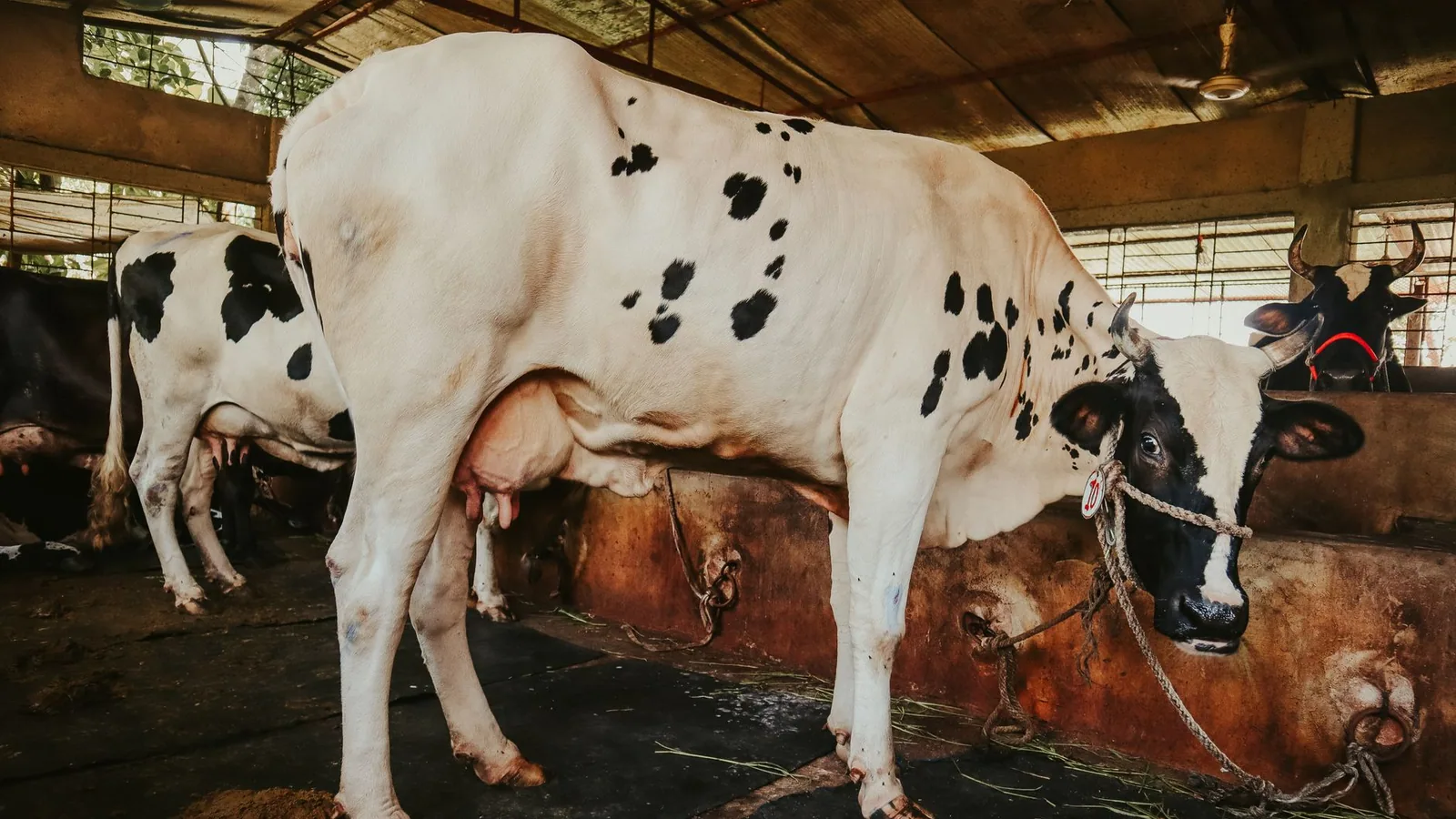
Key Takeaways
- Treponema pedis is a primary spirochetal pathogen implicated in Bovine Digital Dermatitis (BDD), a globally significant cause of lameness in dairy cattle, leading to substantial economic losses through reduced milk yield, impaired fertility, and increased culling.
- BDD pathogenesis involves a polymicrobial biofilm where T. pedis invades bovine epidermis and dermis, triggering inflammation; molecular diagnostics like multiplex qPCR and 16S rRNA sequencing are the gold standard for its detection and quantification.
- Transmission of BDD occurs via direct contact with infected feet and contaminated environments, with treponemes persisting in slurry and on equipment; risk factors include high stocking density, poor hygiene, and wet conditions.
- Topical antimicrobial therapy, historically oxytetracycline and lincomycin, remains a primary treatment, though concerns about antimicrobial resistance necessitate evaluation of alternatives; non-antibiotic options like salicylic acid and phenytoin are also utilized.
- Heavy metal tolerance (e.g., to copper and zinc) has been documented in BDD treponemes, potentially compromising the efficacy of common footbath solutions and driving the need for alternative disinfectants and biosecurity measures.
- While no commercial vaccine exists, research is exploring immunogenic outer membrane proteins of BDD treponemes as potential vaccine targets, alongside immunomodulatory feed additives to influence host immune responses.
Introduction
Bovine digital dermatitis (BDD) is a contagious, infectious cause of lameness in dairy cattle worldwide, characterized by painful, erosive, or proliferative lesions of the digital skin, typically on the plantar aspect of the hind feet [<a href="#ref-1">1</a>, <a href="#ref-2">2</a>, <a href="#ref-3">3</a>]. The disease imposes significant economic losses through reduced milk yield, impaired fertility, increased culling, and compromised animal welfare. The primary etiological agents are spirochetes of the genus Treponema, with Treponema pedis recognized as a key pathogenic species [<a href="#ref-4">4</a>, <a href="#ref-5">5</a>]. This article provides an exhaustive review of T. pedis and its role in BDD, integrating microbiological, molecular diagnostic, epidemiological, and therapeutic perspectives.
Taxonomy and Microbiology of Treponema pedis
Treponema pedis was formally described as a novel species isolated from BDD lesions in dairy cattle. The species belongs to the family Spirochaetaceae, order Spirochaetales, and is closely related to Treponema phagedenis, Treponema medium, and Treponema vincentii [<a href="#ref-6">6</a>, <a href="#ref-7">7</a>]. Phylogenetic analyses based on 16S rRNA gene sequencing and multilocus sequence typing (MLST) have confirmed that T. pedis forms a distinct clade within the treponemes associated with cloven-hoofed animal infections [<a href="#ref-7">7</a>, <a href="#ref-8">8</a>]. The complete genome sequence of T. pedis strain GNW45, isolated from a Korean dairy herd with active BDD, revealed a genome size of approximately 2.8 Mb with a G+C content of 37.8% [<a href="#ref-9">9</a>]. Comparative genomics indicates that T. pedis shares a high degree of synteny with the human oral pathogen Treponema denticola, suggesting a common ancestral origin and conserved virulence mechanisms [<a href="#ref-10">10</a>].
T. pedis is an obligate anaerobe, fastidious in culture, requiring enriched media such as oral treponeme isolation broth or serum-supplemented media [<a href="#ref-11">11</a>, <a href="#ref-12">12</a>]. Filter-assisted culture methods have improved isolation success from BDD lesions [<a href="#ref-11">11</a>]. The organism is motile via periplasmic flagella and exhibits a characteristic helical morphology. Metabolic profiling of T. pedis and T. phagedenis has revealed distinct substrate utilization patterns, with T. pedis preferentially fermenting amino acids and short-chain fatty acids, which may influence community succession within the lesion microbiome [<a href="#ref-13">13</a>].
Pathogenesis and Host-Pathogen Interactions
The pathogenesis of BDD involves a polymicrobial biofilm-like community in which treponemes are the dominant bacterial group [<a href="#ref-5">5</a>, <a href="#ref-14">14</a>]. T. pedis invades the epidermis and dermis of the bovine foot skin, eliciting an inflammatory response characterized by infiltration of neutrophils, macrophages, and lymphocytes [<a href="#ref-15">15</a>, <a href="#ref-16">16</a>]. Histopathological examination of BDD lesions shows marked epidermal hyperplasia, spongiosis, and the presence of spirochetes within the intercellular spaces of the stratum spinosum [<a href="#ref-16">16</a>, <a href="#ref-17">17</a>].
In vitro studies using bovine foot skin fibroblasts demonstrated that T. pedis induces distinct pathogenic mechanisms compared to other treponeme species, including upregulation of matrix metalloproteinases and pro-inflammatory cytokines [<a href="#ref-15">15</a>]. A murine abscess model revealed that T. pedis isolates display variable pathogenicity, with some strains causing severe necrotic lesions while others induce milder inflammation [<a href="#ref-18">18</a>]. The ability of T. pedis to adhere to and invade host cells is mediated by putative outer membrane proteins, including β-barrel proteins that are immunogenic and may serve as vaccine targets. Gene expression analyses of T. phagedenis during infection have shown increased transcription of adherence and metal-ion acquisition genes, a pattern likely shared by T. pedis.
Transcellular penetration of treponemes through keratinocytes has been demonstrated for T. phagedenis in a polarized human keratinocyte model, suggesting a mechanism for breaching the epidermal barrier. Although direct evidence for T. pedis is lacking, the close phylogenetic relationship implies similar invasive capabilities. The host immune response to BDD is characterized by a predominance of CD8+ and γδ-T cells, with a relative lack of CD4+ T cells, which may contribute to chronicity and failure to clear the infection.
Epidemiology and Transmission
BDD is endemic in dairy herds globally, with prevalence estimates ranging from 20% to 80% at the herd level. T. pedis has been detected in BDD lesions across multiple continents, including Europe, North America, Asia, and Australia [<a href="#ref-1">1</a>, <a href="#ref-8">8</a>, <a href="#ref-12">12</a>]. The organism is also found in lesions of contagious ovine digital dermatitis (CODD) in sheep, foot lesions in goats, and hoof canker in horses, indicating a broad host range among cloven-hoofed animals [<a href="#ref-16">16</a>, <a href="#ref-19">19</a>, <a href="#ref-20">20</a>, <a href="#ref-21">21</a>, <a href="#ref-22">22</a>]. Additionally, T. pedis has been isolated from porcine skin ulcers and gingiva, suggesting a potential reservoir in swine [<a href="#ref-23">23</a>, <a href="#ref-24">24</a>, <a href="#ref-25">25</a>, <a href="#ref-26">26</a>]. Experimental inoculation of T. pedis in pigs failed to induce ear necrosis, indicating that host-specific factors are required for disease expression [<a href="#ref-27">27</a>].
Transmission of BDD occurs through direct contact with infected feet and contaminated environments. Treponemes can survive in slurry, on hoof-trimming knives, and in the farm environment for extended periods [<a href="#ref-3">3</a>, <a href="#ref-28">28</a>]. The gastrointestinal tract of cattle and sheep has been proposed as a potential infection reservoir, as treponeme DNA has been detected in feces and intestinal contents [<a href="#ref-29">29</a>]. Molecular detection of Treponema species in foremilk and udder cleft skin suggests that extra-digital sites may contribute to within-herd spread [<a href="#ref-30">30</a>]. Risk factors for BDD include high stocking density, poor hygiene, wet conditions, and frequent movement through contaminated walkways. Herd-level risk factors in New Zealand pasture-based systems include rainfall, soil type, and management practices such as grazing rotation.
Clinical Presentation and Lesion Staging
BDD lesions are typically located on the plantar skin of the hind feet, just proximal to the interdigital cleft [<a href="#ref-3">3</a>]. The M-stage scoring system is widely used to classify lesions: M0 (normal skin), M1 (small active lesion <2 cm), M2 (active ulcerative or proliferative lesion >2 cm), M3 (healing/scab-covered lesion), and M4 (chronic dyskeratotic or hyperkeratotic lesion). T. pedis is most abundant in M2 lesions, with bacterial loads correlating with lesion severity. Pain associated with active lesions leads to characteristic weight-shifting and arched-back posture, and affected cows exhibit increased locomotion scores. The role of transient receptor potential vanilloid type 1 (TRPV1) in hyperalgesia has been investigated, with evidence of increased TRPV1 expression in BDD-affected skin.
Non-healing claw horn lesions, such as sole ulcers and white line disease, have also been associated with treponeme infection, including T. pedis [<a href="#ref-17">17</a>, <a href="#ref-31">31</a>]. This suggests that treponemes may contribute to chronicity in other foot pathologies.
Diagnostic Approaches
Clinical and Visual Diagnosis
Visual inspection of the foot during trimming or in the milking parlor is the primary method for BDD detection. However, interobserver agreement for M-scores can be variable, and early lesions (M1) are easily missed. Borescope examination and trimming chute exams have been evaluated for diagnostic accuracy using Bayesian latent class models.
Molecular Diagnostics
Polymerase chain reaction (PCR) and quantitative PCR (qPCR) are the gold standard for specific detection and quantification of T. pedis and other treponemes. A multiplex qPCR assay targeting T. phagedenis, T. pedis, T. medium, and T. vincentii has been developed and validated on BDD biopsies [<a href="#ref-6">6</a>]. 16S rRNA amplicon sequencing provides a broader view of the lesion microbiome and has been used to profile bacterial communities in BDD lesions of both dairy and beef cattle [<a href="#ref-2">2</a>]. Species-specific 4-plex real-time PCR assays have been applied to Finnish dairy herds, confirming the dominance of T. pedis in active lesions. Comparison of swab, fine-needle aspiration, and biopsy samples for treponeme detection showed that swabs are adequate for qPCR but biopsies provide superior histological correlation [<a href="#ref-32">32</a>].
Serological Diagnostics
Enzyme-linked immunosorbent assays (ELISAs) targeting T. phagedenis antigens have been developed for detection of antibodies in bulk tank milk, providing a herd-level monitoring tool. An in-house ELISA for treponeme antibodies in bulk milk has been proposed as part of a claw health monitoring program. Indirect ELISAs using recombinant proteins have shown promise for individual animal diagnosis, although sensitivity and specificity require further optimization.
Imaging and Novel Technologies
Infrared thermography has been investigated as a non-invasive tool for detecting BDD-associated inflammation, with temperature differences between affected and healthy feet being statistically significant. Computer vision algorithms using digital photographs have been developed to automatically detect BDD lesions, offering potential for automated screening in milking parlor systems.
The following Mermaid diagram summarizes a diagnostic workflow for BDD:
flowchart TD
 A["Clinical lameness examination"] --> B{"Visual foot inspection"}
 B --> C["M-score assessment"]
 C --> D["'Active lesion (M1/M2')"]
 C --> E["'Chronic/healing lesion (M3/M4')"]
 D --> F["Swab or biopsy collection"]
 E --> F
 F --> G["DNA extraction"]
 G --> H["Multiplex qPCR for Treponema spp."]
 H --> I["Quantification of T. pedis, T. phagedenis, etc."]
 I --> J["Interpretation: high treponeme load = active BDD"]
 H --> K["'16S rRNA amplicon sequencing (optional')"]
 K --> L["Microbiome profiling"]
 F --> M["'Bulk tank milk ELISA (herd-level')"]
 M --> N["Herd-level antibody detection"]
 B --> O["'Infrared thermography (adjunct')"]
 O --> P["Temperature differential > threshold"]
 P --> D
Treatment and Control
Antimicrobial Therapy
Topical antimicrobial therapy is the mainstay of BDD treatment. Historically, oxytetracycline spray and lincomycin have been used, but concerns over antimicrobial resistance have prompted evaluation of alternatives [<a href="#ref-33">33</a>]. In vitro susceptibility testing of BDD treponemes, including T. pedis, has shown that conventional agents such as tetracyclines and macrolides remain effective, but heavy metal resistance (e.g., to zinc and copper) has been documented [<a href="#ref-33">33</a>]. Non-antibiotic options include salicylic acid paste, polyurethane wound dressings, and phenytoin. A randomized clinical trial comparing stannous fluoride and zinc sulfate footbath solutions to copper sulfate found that stannous fluoride was as effective as copper sulfate for treatment and prevention. Quaternary ammonium salt-based disinfectants and chelated copper-zinc footbath solutions have also shown efficacy. Glutaraldehyde footbath products are used in some regions.
Non-Antibiotic and Novel Therapies
Methylene blue-mediated antimicrobial photodynamic therapy has been investigated as a non-antibiotic platform for BDD, with in vitro and case report evidence of efficacy. Nanoparticles (e.g., silver, zinc oxide) have demonstrated antimicrobial activity against BDD treponemes in vitro. The use of allyl isothiocyanate as a topical treatment altered the lesion microbiome, reducing treponeme abundance. Phenytoin, a non-antibiotic drug, promoted wound healing in BDD lesions in a clinical trial. Ketoprofen, a non-steroidal anti-inflammatory drug, has been evaluated as an adjunct to topical therapy to reduce pain and inflammation.
Biosecurity and Environmental Control
Footbathing with disinfectants, regular hoof trimming with disinfection of equipment, and maintaining clean, dry walking surfaces are critical for control. Removal of treponemes from hoof knives requires appropriate disinfection protocols; glutaraldehyde and peracetic acid-based disinfectants are effective. Modeling studies have highlighted the importance of reducing transmission through hygiene and cow flow management.
Vaccination and Immunomodulation
No commercial vaccine is currently available for BDD. Immunogenic proteins of T. phagedenis have been identified by phage display, and β-barrel outer membrane proteins of BDD treponemes are being explored as vaccine candidates [<a href="#ref-34">34</a>]. Supplementation with Saccharomyces cerevisiae fermentation product modulated pro-inflammatory cytokine responses in experimentally inoculated cattle, suggesting potential for immunomodulatory feed additives.
Antimicrobial Resistance and Heavy Metal Tolerance
The in vitro susceptibility of BDD treponemes to conventional antimicrobials remains generally favorable, but resistance to heavy metals commonly used in footbath solutions (copper, zinc) has been detected [<a href="#ref-33">33</a>]. This resistance may be mediated by metal efflux pumps and sequestration mechanisms, as suggested by genomic analyses [<a href="#ref-9">9</a>]. The emergence of heavy metal tolerance is a concern because it may reduce the efficacy of footbath formulations and select for resistant treponeme populations.
Computational Biology and Genomic Insights
The availability of complete genome sequences for T. pedis and T. phagedenis has enabled comparative genomic analyses that reveal potential virulence factors, metabolic pathways, and evolutionary relationships [<a href="#ref-9">9</a>, <a href="#ref-10">10</a>]. Flux balance analysis and metabolic network reconstruction have been applied to understand the metabolic interactions between treponemes and other members of the BDD microbiome [<a href="#ref-13">13</a>]. Such computational approaches can identify essential genes and potential drug targets. The use of high-throughput sequencing and bioinformatics pipelines for 16S rRNA amplicon analysis has become standard for characterizing the BDD microbiome [<a href="#ref-2">2</a>, <a href="#ref-14">14</a>]. Machine learning algorithms applied to thermography and computer vision data are being developed for automated BDD detection.
Conclusion
Treponema pedis is a primary etiological agent of bovine digital dermatitis, a debilitating infectious disease of dairy cattle. Advances in molecular diagnostics, including multiplex qPCR and 16S rRNA sequencing, have improved detection and quantification of this fastidious spirochete. Understanding the pathogenesis, epidemiology, and host immune response is essential for developing effective control strategies. Non-antibiotic therapies and improved biosecurity measures are increasingly important in the face of antimicrobial resistance concerns. Continued genomic and computational research will further elucidate the mechanisms of treponeme virulence and host interaction, paving the way for novel interventions.