
Swine Gut Microbiota and Bacterial Pathogens: From Microbiome Dynamics to Acute Diarrhea Syndromes
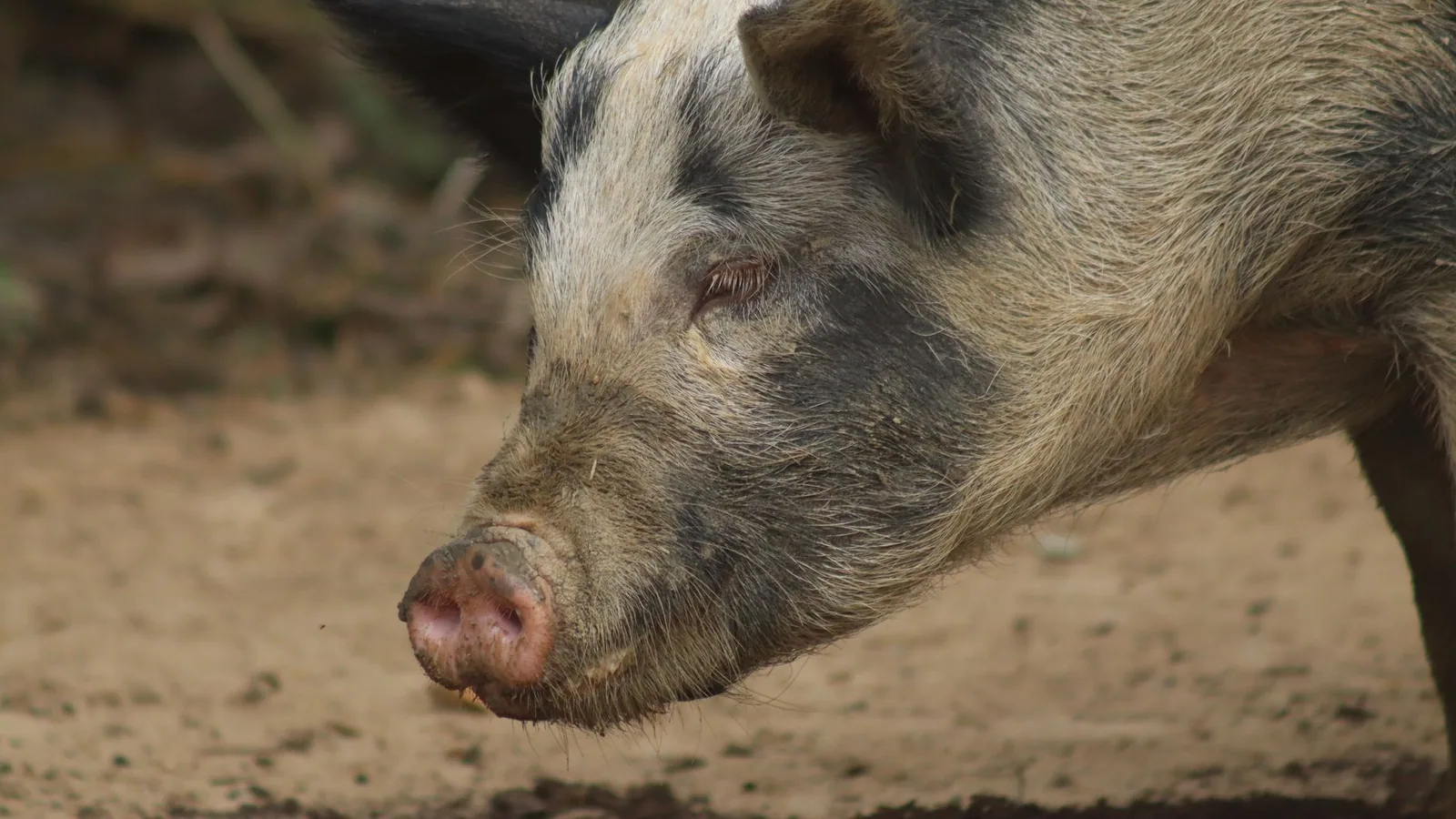
The swine gastrointestinal tract harbors a complex microbial ecosystem that plays a critical role in nutrient metabolism, immune development, and resistance to enteric infections. Disruption of this ecosystem, known as dysbiosis, frequently precedes or accompanies acute diarrhea syndromes in pigs, particularly during the post-weaning period [1, 2]. Acute diarrhea in swine remains a major cause of morbidity, mortality, and economic loss worldwide, with bacterial pathogens such as enterotoxigenic Escherichia coli (ETEC), Salmonella enterica serovar Typhimurium, Brachyspira hyodysenteriae, Clostridium perfringens types A and C, and Campylobacter spp. acting as primary or secondary agents [3, 4, 5, 6, 7]. Understanding the interplay between the resident microbiota and these pathogens is essential for developing effective diagnostic, preventive, and therapeutic strategies.
Swine Gut Microbiome Composition and Dynamics
The core swine gut microbiota is dominated by phyla Firmicutes, Bacteroidetes, Proteobacteria, and Actinobacteria, with composition shifting along the gastrointestinal tract and with age [8, 9]. In healthy piglets, a stable microbial community provides colonization resistance against invading pathogens through competitive exclusion, production of antimicrobial metabolites, and modulation of host immune responses [1, 10]. Dietary components, including fiber composition and feed structure, significantly shape the microbiome [11, 12]. For instance, rye feeding and coarser feed structure have been examined for their effects on Salmonella prevalence in swine herds [11]. The small-molecule metabolome, including cytokinins, is modulated by diet and the gut microbiome, suggesting a bidirectional chemical communication between host and microbes [12].
Mycotoxins such as zearalenone can alter microbial spatial distribution within the chyme and intestinal mucosa, creating localized dysbiosis that may predispose piglets to diarrhea [9]. The metabolomic profile of the colonic environment during infection with B. hyodysenteriae reveals distinct signatures that correlate with disease severity and microbial community shifts [4].
Major Bacterial Pathogens in Acute Swine Diarrhea
Enterotoxigenic Escherichia coli (ETEC)
ETEC is the most common bacterial cause of post-weaning diarrhea in piglets. Pathogenesis involves colonization of the small intestine via fimbrial adhesins followed by secretion of heat-labile (LT) and heat-stable (ST) enterotoxins, which induce chloride and water secretion into the lumen [5, 13]. Co-infection with the protozoan parasite Cystoisospora suis synergistically increases pathogenicity, leading to more severe diarrhea and greater disruption of the gut microbiota [13]. Phage therapy targeting ETEC has shown promise in controlled mini-trials, reducing shedding and clinical signs [5]. Traditional Chinese medicine formulations such as Gegen Qinlian decoction have been shown to alleviate bacterial diarrhea through restoration of colonic water transport via the cAMP/CFTR/AQP3 pathway, mediated by Lactobacillus amylovorus [14].
Salmonella enterica serovar Typhimurium
Salmonella Typhimurium is a major zoonotic pathogen causing enterocolitis in pigs. Its pathogenesis involves invasion of intestinal epithelial cells via a type III secretion system, triggering inflammatory diarrhea [6, 11]. Copper concentration in the intestinal lumen acts as a habitat filter, affecting the interactions between the gut microbiota and Salmonella; high copper levels can reduce colonization resistance [6]. Dietary interventions, including rye feeding and coarser feed structure, have been investigated for their ability to reduce Salmonella prevalence [11]. Probiotic strains of native swine origin have demonstrated prophylactic effects against S. Typhimurium infection by stabilizing the gut microbiome and enhancing immune responses [10].
Brachyspira hyodysenteriae
B. hyodysenteriae is the etiological agent of swine dysentery, a mucohemorrhagic colitis. The spirochete colonizes the large intestine, inducing inflammation and disruption of the mucus barrier. Metabolomic analysis of colonic tissue and luminal contents has identified specific lipid and amino acid metabolic perturbations associated with infection, providing potential biomarkers for diagnosis [4].
Clostridium perfringens Type C
C. perfringens type C causes necrotic enteritis in neonatal piglets, characterized by hemorrhagic diarrhea and high mortality. The bacterium produces beta-toxin, which induces mucosal necrosis. Fecal microbiota transplantation (FMT) from healthy donor pigs (e.g., Hezuo breed) has been shown to alleviate intestinal inflammatory injury in infected piglets by modulating the gut microbiota and strengthening the intestinal barrier [7].
Campylobacter spp.
Campylobacter jejuni and Campylobacter coli are common colonizers of the swine intestine, often without clinical signs, but they can cause diarrhea in young piglets. Colonization alters the gut microbiota composition and microbial metabolite profiles, including short-chain fatty acids and bile acids, which may influence host susceptibility to other pathogens [3].
Other Bacterial Agents
Streptococcus suis serotype 9, primarily associated with systemic disease, can also be detected in the nasal microbiota of nursery piglets, and its presence correlates with alterations in the respiratory microbiome [15]. While not a primary enteric pathogen, S. suis may contribute to polymicrobial interactions that influence gut health. Lawsonia intracellularis, the agent of porcine proliferative enteropathy, is another important enteric pathogen; vaccination against Lawsonia has been studied in field conditions alongside Salmonella monitoring [11].
Microbiome-Pathogen Interactions and Mechanisms
The resident microbiota provides colonization resistance through several mechanisms: competition for nutrients and adhesion sites, production of bacteriocins and short-chain fatty acids (SCFAs), and modulation of host immune responses [1, 16]. SCFAs, particularly butyrate, strengthen the intestinal barrier and reduce inflammation [1]. Biosynthetic reuterin, produced by certain Lactobacillus strains, improves intestinal health by reducing pathogen loads and enhancing mucosal integrity [16].
Co-infections between bacterial pathogens and parasites or viruses are common and often synergistic. Cystoisospora suis infection modulates the gut microbiota and systemic immunity, exacerbating the effects of secondary ETEC infection [17, 13]. Viral infections such as porcine deltacoronavirus (PDCoV) and swine acute diarrhea syndrome coronavirus (SADS-CoV) can also disrupt the microbiota, predisposing pigs to bacterial superinfections [18]. The virome of post-weaned diarrheic pigs shows a higher abundance of enteric viruses compared to healthy cohorts, indicating a complex polymicrobial etiology [19].
The role of antimicrobial resistance (AMR) is critical in the context of bacterial diarrhea. Metagenomic analysis of diarrheal samples reveals a high abundance of tetracycline, beta-lactam, aminoglycoside, and macrolide resistance genes, with Escherichia spp. being major contributors [8]. High-throughput microfluidic platforms enable efficient surveillance of AMR determinants in swine production systems, facilitating targeted interventions [20].
Diagnostic Approaches and Surveillance
Diagnosis of bacterial diarrhea in swine requires a combination of clinical observation, culture, molecular detection, and microbiome analysis. Traditional culture methods remain useful for isolation of ETEC, Salmonella, and Brachyspira, but molecular techniques such as PCR and metagenomic sequencing provide higher sensitivity and the ability to detect mixed infections [8, 19]. Metagenomic analysis can reveal both the core and variable microbiota, including signatures of microbial dark matter (candidate phyla) that may play roles in health and disease [8].
The development of high-throughput microfluidic platforms allows for rapid, multiplexed detection of pathogen-specific genes and AMR markers from fecal samples, enabling real-time surveillance in commercial herds [20]. Metabolomic profiling, as demonstrated for B. hyodysenteriae infection, offers a complementary diagnostic tool based on disease-specific metabolic signatures [4].
The following Mermaid diagram illustrates the diagnostic workflow for acute diarrhea in swine:
flowchart TD
 A[Acute diarrhea in piglets] --> B[Clinical examination and history]
 B --> C{Fecal sample collection}
 C --> D[Microbiological culture and isolation]
 C --> E["Molecular diagnostics: PCR / metagenomics"]
 C --> F[Metabolomic profiling]
 D --> G[Identification of ETEC, Salmonella, Brachyspira, etc.]
 E --> H[Microbiome composition and resistome analysis]
 F --> I[Metabolic signature of infection]
 G --> J[Antimicrobial susceptibility testing]
 H --> J
 I --> K[Integrated diagnosis and targeted therapy]
 J --> K
Therapeutic and Preventive Strategies
Probiotics and Prebiotics
Native swine probiotics, particularly Lactobacillus and Bacillus strains, have demonstrated efficacy in preventing Salmonella Typhimurium infection by stabilizing the gut microbiome and enhancing mucosal immunity [10]. Lactobacillus amylovorus has been specifically implicated in the therapeutic effect of Gegen Qinlian decoction against bacterial diarrhea [14]. Biosynthetic reuterin, a metabolite produced by Limosilactobacillus reuteri, reduces enteric pathogen loads and improves intestinal barrier function [16].
Fecal Microbiota Transplantation (FMT)
FMT from healthy donor pigs has shown remarkable efficacy in alleviating C. perfringens type C-induced necrotic enteritis. The procedure restores beneficial microbial populations and strengthens the intestinal barrier, reducing inflammation and clinical signs [7].
Phage Therapy
Bacteriophage cocktails targeting ETEC have been evaluated in controlled mini-trials, showing a reduction in fecal shedding and diarrhea severity without disrupting the overall microbiota structure [5].
Plant Extracts and Phytochemicals
A variety of plant extracts, including those containing tannins, flavonoids, and essential oils, have been reviewed for their ability to prevent post-weaning diarrhea by inhibiting pathogen adhesion and modulating the microbiota [2]. (-)-Epigallocatechin-3-gallate (EGCG) alleviates diarrhea through suppression of the NMU-NMUR1-ILC2 axis and modulation of microbiota-associated energy metabolism [21]. Dehydroevodiamine has been shown to enhance the efficacy of porcine epidemic diarrhea virus (PEDV) vaccines through immune-gut microbiota modulation, indicating potential as an adjuvant [22].
Antimicrobial Resistance Management
The high prevalence of AMR genes in swine gut microbiomes necessitates prudent antimicrobial use and alternative strategies [8]. High-throughput surveillance platforms can guide targeted therapy and reduce reliance on broad-spectrum antibiotics [20]. Copper supplementation, while sometimes used for growth promotion, must be carefully managed as it can alter the microbiota and affect Salmonella colonization dynamics [6].
Future Directions and Translational Models
Human microbiota-associated pig models provide a valuable tool for studying host-microbe interactions in a controlled setting, allowing translation of findings between species [23]. These models can be used to evaluate the efficacy of novel therapeutics and to dissect the mechanisms by which the microbiota influences susceptibility to bacterial pathogens. Integration of multi-omics approaches (metagenomics, metabolomics, transcriptomics) will further refine our understanding of the complex networks underlying acute diarrhea syndromes in swine.
The following table summarizes key bacterial pathogens and associated therapeutic approaches discussed in this review:
| Pathogen | Disease | Key Interventions | References |
|---|---|---|---|
| ETEC | Post-weaning diarrhea | Phage therapy, probiotics, Gegen Qinlian decoction | [5, 14, 13] |
| Salmonella Typhimurium | Enterocolitis | Probiotics, copper management, feed structure | [10, 11, 6] |
| Brachyspira hyodysenteriae | Swine dysentery | Metabolomic diagnostics, antimicrobials | [4] |
| Clostridium perfringens type C | Necrotic enteritis | FMT, vaccination | [7] |
| Campylobacter jejuni/coli | Mild diarrhea | Microbiome stabilization, probiotics | [3] |
| Lawsonia intracellularis | Proliferative enteropathy | Vaccination | [11] |
The table provides a concise reference for clinicians and researchers.
Conclusion
Acute diarrhea syndromes in swine arise from a complex interplay between bacterial pathogens, the gut microbiota, host immunity, and environmental factors. The resident microbiome plays a central role in determining susceptibility; its disruption facilitates pathogen colonization and disease progression. Advances in molecular diagnostics, including metagenomic sequencing and microfluidic surveillance platforms, have greatly improved our ability to characterize the microbial and resistome landscape of diarrheal disease. Novel therapeutic strategies including probiotics, FMT, phage therapy, and phytochemicals offer alternatives to traditional antimicrobials, addressing the growing challenge of antimicrobial resistance. A multidisciplinary approach integrating microbiome science, veterinary medicine, and computational biology is essential for managing and preventing these economically significant diseases.
References
[1] Wu W, Wang S, Xue C et al. Role of gut microbiota metabolites in maintaining intestinal health and preventing weaning-associated diarrhea in piglets. Anim Nutr. 2026. https://pubmed.ncbi.nlm.nih.gov/41909174/
[2] Jiang X, Xiao H, Huang P. Mechanism of Action of Plant Extracts in Preventing Post-Weaning Diarrhea in Piglets: A Review. Vet Sci. 2026. https://pubmed.ncbi.nlm.nih.gov/42076684/
[3] Rath A, Rautenschlein S, Rzeznitzeck J et al. Consequences of Campylobacter jejuni and Campylobacter coli Colonisation of Piglets on Gut Microbiota and Microbial Metabolites. Microorganisms. 2026. https://pubmed.ncbi.nlm.nih.gov/42197332/
[4] Pérez-Pérez L, Galisteo C, Castillo-Peinado LLS et al. Metabolomic signatures of colonic infection by Brachyspira hyodysenteriae. Vet Res. 2026. https://pubmed.ncbi.nlm.nih.gov/42157352/
[5] Mahmud MR, Uddin MK, Kareljärvi P et al. Impact of phage therapy in post-weaning piglets challenged with ETEC strain in a controlled minitrial. Porcine Health Manag. 2026. https://pubmed.ncbi.nlm.nih.gov/42057154/
[6] Kolenda R, Hassan MM, Arrieta-Gisasola A et al. Copper is an intestinal habitat filter affecting the gut microbiota interactions with Salmonella Typhimurium. Microbiome. 2026. https://pubmed.ncbi.nlm.nih.gov/41904571/
[7] Yang Q, Liang Y, Liu J et al. Fecal microbiota transplantation from Hezuo pigs alleviates intestinal inflammatory injury in Clostridium perfringens type C-infected piglets via modulation gut microbiota and intestinal barrier. BMC Microbiol. 2026. https://pubmed.ncbi.nlm.nih.gov/42231156/
[8] Rituparna De, Mukhopadhyay A, Dutta S. Metagenomic analysis of gut microbiome and resistome of diarrheal fecal samples from Kolkata, India, reveals the core and variable microbiota including signatures of microbial dark matter. Gut Pathogens. 2020. https://www.semanticscholar.org/paper/934095d27728fbcaae5869d1d96b961dc855a5d9 *** Disclaimer: This article is for educational and informational purposes only. It is not intended to substitute for professional veterinary advice, diagnosis, treatment, or regulatory guidance. Always consult a licensed veterinarian or qualified specialist regarding animal health, disease diagnosis, and therapeutic decisions.
[9] Shi J, Gao K, Wang W et al. Effect of Zearalenone on Microbial Spatial Differences in the Chyme and Intestinal Mucosa of Piglets. Toxins (Basel). 2026. https://pubmed.ncbi.nlm.nih.gov/42043025/
[10] Khongkool K, Taweechotipatr M, Payungporn S et al. Prophylactic effects of native swine probiotics on Salmonella Typhimurium infection: evidence from immune responses and gut microbiome stability. World J Microbiol Biotechnol. 2026. https://pubmed.ncbi.nlm.nih.gov/42287552/
[11] Lindhaus JG, Rohn K, Visscher C et al. Examination of Salmonella prevalence and slaughter findings in pigs based on rye feeding, coarser feed structure and vaccination against Lawsonia intracellularis under field conditions. Vet Anim Sci. 2026. https://pubmed.ncbi.nlm.nih.gov/42181092/
[12] Othman EM, Bencurova E, Ferretti P et al. Diet and microbiome shape small-molecule cytokinin pools in mammals. Gut Microbes. 2026. https://pubmed.ncbi.nlm.nih.gov/42286862/
[13] He ZY, Wang LX, Deng XL et al. Co-infection of Cystoisospora suis with enterotoxigenic Escherichia coli synergistically increases pathogenicity in weaned piglets. Parasit Vectors. 2026. https://pubmed.ncbi.nlm.nih.gov/41782115/
[14] Luo ZY, Chen Z, Zhang FL et al. Gegen Qinlian decoction alleviates bacterial diarrhea via Lactobacillus amylovorus-modulated restoration of colonic water transport through the cAMP/CFTR/AQP3 pathway. Microb Pathog. 2026. https://pubmed.ncbi.nlm.nih.gov/41802655/
[15] Lopes CE, Cruz JC, Ferronato A et al. From nose to systemic disease: Nasal bacteria community alterations in nursery piglets infected with Streptococcus suis serotype 9. Res Vet Sci. 2026. https://pubmed.ncbi.nlm.nih.gov/42090895/
[16] Wei Y, Wei Y, Liu C et al. Biosynthetic reuterin improved the intestinal health in pigs. Anim Nutr. 2026. https://pubmed.ncbi.nlm.nih.gov/41969353/
[17] Ye X, Huang YJ, Deng XL et al. Primary infection with Cystoisospora suis modulates systemic immunity and the gut microbiota during secondary infection in piglets. Int J Parasitol. 2026. https://pubmed.ncbi.nlm.nih.gov/41942044/
[18] Cao HT, Sun RJ, Qian QY et al. Molecular characterization and evolutionary dynamics of a recombinant PDCoV strain in a swine diarrhea epidemic with SADS-CoV co-infection. Front Vet Sci. 2026. https://pubmed.ncbi.nlm.nih.gov/41789009/
[19] Dastjerdi A, Davies H, Abu Oun M et al. Virome of post-weaned diarrhoeic pigs and healthy cohorts in England. Virol J. 2026. https://pubmed.ncbi.nlm.nih.gov/41935274/
[20] Guitart-Matas J, Ramayo-Caldas Y, González-Rodríguez O et al. Implementation of a high-throughput microfluidic platform for antimicrobial resistance surveillance in swine production systems. Microb Genom. 2026. https://pubmed.ncbi.nlm.nih.gov/42295179/
[21] Ma Z, Gao L, Hou W et al. (-)-Epigallocatechin-3-gallate alleviates diarrhea in piglets by suppressing the NMU-NMUR1-ILC2 axis and modulating microbiota-associated energy metabolism. Phytomedicine. 2026. https://pubmed.ncbi.nlm.nih.gov/42001834/
[22] Zhang X, Wang H, Li K et al. Dehydroevodiamine enhances PEDV vaccine efficacy through immune-gut microbiota modulation. Vaccine. 2026. https://pubmed.ncbi.nlm.nih.gov/41812636/
[23] Wang SJ, Nian HY, Chen ZH et al. Human Microbiota-Associated Pig Models for Translational Microbiome Research: A Scoping Review. Int J Mol Sci. 2026. https://pubmed.ncbi.nlm.nih.gov/41752122/