
Clostridium septicum and Malignant Edema in Cattle and Sheep
Introduction
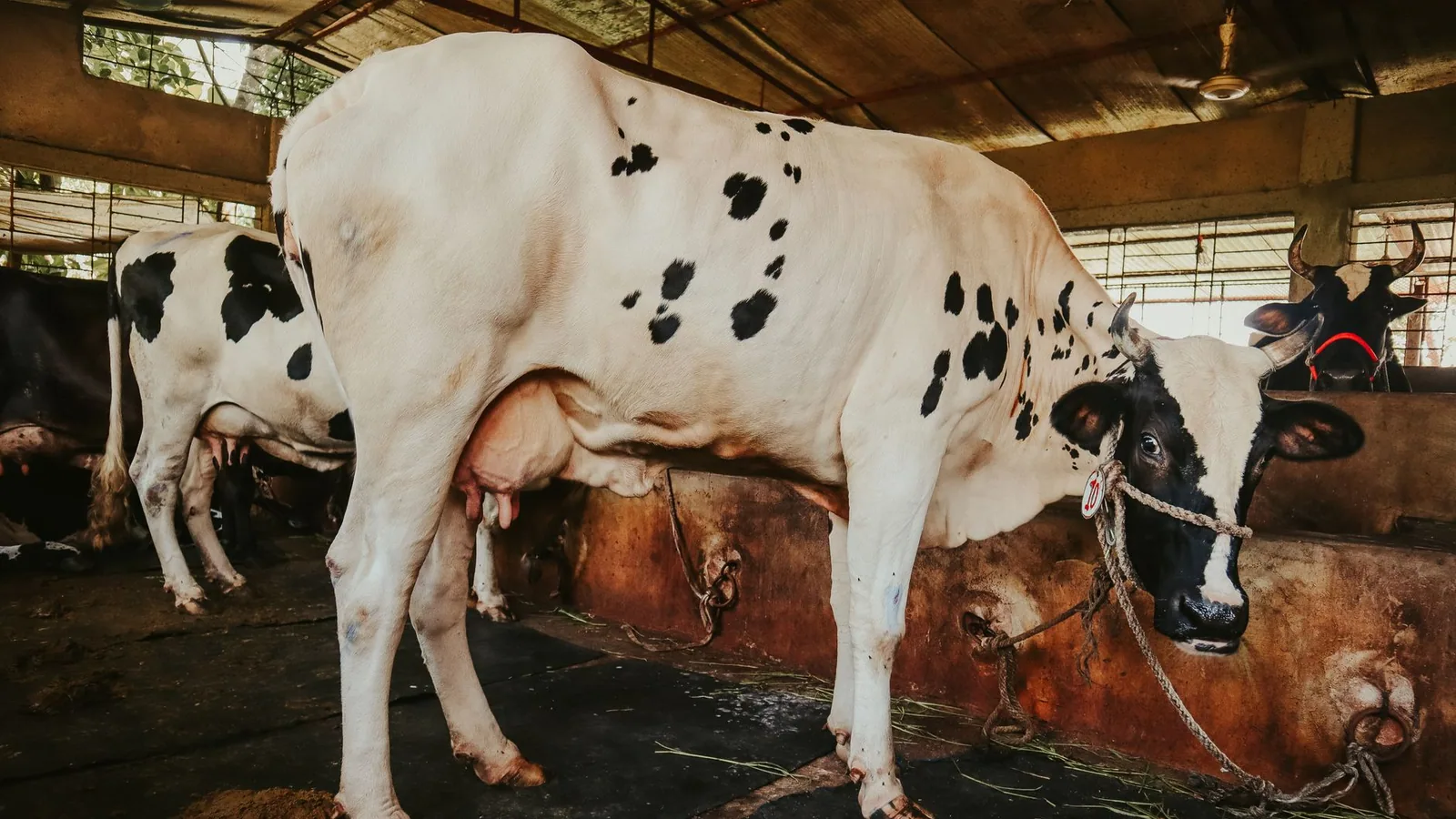
Clostridium septicum is a Gram positive, spore forming, anaerobic rod that ranks among the most important histotoxic clostridia affecting livestock. In cattle and sheep, this pathogen is the primary etiologic agent of malignant edema, a rapidly fatal wound infection characterized by local edema, gas production, and systemic toxemia. The disease is distinct from blackleg caused by Clostridium chauvoei, although both share clinical features and ecological niches. C. septicum also causes braxy (abomasitis) in sheep, clostridial dermatitis in turkeys, and myonecrosis in horses and other species. This reference consolidates current knowledge on C. septicum infection in cattle and sheep, with emphasis on virulence mechanisms, diagnostic approaches, and vaccination.
Etiology and Pathogenesis
C. septicum is classified within the family Clostridiaceae. It produces several extracellular toxins and enzymes that mediate tissue destruction and immune evasion. The principal virulence factor is alpha toxin (ATX), a pore forming hemolysin that belongs to the aerolysin family. ATX binds to glycosylphosphatidylinositol (GPI) anchored proteins on host cell membranes, leading to oligomerization and pore formation. This mechanism activates the NLRP3 inflammasome, driving a robust inflammatory response [1]. The toxin is cytotoxic to many cell types, including endothelial cells, epithelial cells, and macrophages.
In addition to ATX, C. septicum produces hyaluronidase, sialidase, collagenase, and a leucocidin homolog with 71% amino acid identity to Clostridium chauvoei toxin A (CctA) [2]. These enzymes degrade extracellular matrix components, facilitating bacterial spread through tissues. Comparative genomics of five C. septicum strains revealed an open pangenome with 2,311 core genes and 1,429 accessory genes, indicating substantial genetic plasticity [2]. Sialidase, hemolysin, and collagenase genes were conserved across strains, while ATX and hyaluronidase genes displayed greater sequence variability.
Spore germination is a critical early step in infection. C. septicum spores respond to specific bile salts as germinants, a trait mediated by cspC orthologs analogous to those in Clostridioides difficile. Molecular dynamics simulations confirmed structural congruence between C. septicum CspC proteins and the C. difficile bile salt sensor [3]. This bile salt responsiveness may explain the association of C. septicum with abomasal infections in ruminants (braxy) and with gastrointestinal malignancies in humans.
Host immune evasion is facilitated by secreted factors that induce macrophage death. Partially purified extracellular protein fractions (molecular weight greater than or equal to 100 kDa) from C. septicum cultures caused mouse peritoneal macrophage death through autophagy triggered apoptosis, accompanied by increased IL-10 and TNF alpha expression [4]. This cytotoxic activity likely contributes to the rapid progression of malignant edema and the failure of innate immune containment.
Epidemiology
Malignant edema occurs sporadically in cattle and sheep worldwide. The disease is not contagious; it arises when spores are introduced into tissues through wounds. Typical inciting events include shearing cuts, tail docking, ear tagging, parturition injuries, and contaminated injections. C. septicum spores are ubiquitous in soil and the gastrointestinal tract of healthy animals. Subcutaneous injection of contaminated products was implicated in an outbreak affecting 16 of 32 horses in Iceland, where water samples yielded C. septicum although the outbreak strain differed from the environmental isolate [5].
In lambs and goat kids, C. septicum has been identified as a cause of hemorrhagic abomasitis, often in mixed infections with Clostridium perfringens type A and Paeniclostridium sordellii. A study in Turkey detected C. septicum in abomasal samples from neonatal small ruminants alongside other clostridial species [6]. Concurrent infection by C. perfringens type A, C. septicum, and C. sordellii was reported in a mouflon with fatal septic shock and disseminated hemorrhage [7]. These findings underscore the polymicrobial nature of some clostridial disease presentations.
C. septicum also infects turkeys, causing clostridial dermatitis (cellulitis), an emerging disease of economic importance. Experimental infection with field strains demonstrated strain dependent differences in mortality and inflammatory cytokine gene expression (IL-1 beta, IL-6, IFN gamma) [8]. The same research group developed recombinant subunit vaccines for turkeys based on non toxic domains of ATX [9] and later expressed these domains in Lactococcus lactis for oral delivery [10]. Although these studies focus on poultry, the alpha toxin based vaccine strategies have direct relevance to ruminant vaccine development.
Clinical Signs in Cattle and Sheep
Malignant edema in cattle and sheep typically manifests within 12 to 72 hours after wound contamination. Initial signs include local swelling, heat, and pain at the inoculation site. The swelling is initially pitting edematous but rapidly becomes firm and crepitant due to gas accumulation. Affected animals become febrile, depressed, and anorectic. As toxemia progresses, heart rate and respiratory rate increase, and mucous membranes become congested. In peracute cases, death may occur within 24 to 48 hours before extensive local swelling is apparent.
In sheep, C. septicum also causes braxy, an abomasitis associated with ingestion of frozen feed or sudden dietary changes. Braxy presents with abdominal pain, bloat, and rapid death. The pathogenesis involves spore germination in the abomasum following mucosal damage, with ATX mediated necrosis and systemic toxemia.
In cattle, malignant edema most commonly affects the hindlimbs, shoulder, or trunk following injuries or injections. Intramuscular injection of irritant drugs is a known risk factor, as documented in horses [11] and in the Icelandic outbreak where subcutaneous ivermectin injection led to severe cellulitis and death [5].
Pathology
Gross postmortem findings in malignant edema include extensive subcutaneous and intermuscular edema, often blood tinged, with gas bubbles dissecting along fascial planes. Affected muscles appear dark red to black and may have a characteristic "cooked meat" appearance. The overlying skin may be discolored and sloughing. Lymph nodes draining the affected area are enlarged and hemorrhagic.
Histopathology reveals extensive necrosis of muscle fibers and subcutaneous adipose tissue, with infiltration of neutrophils and macrophages. Vasculitis and thrombosis are common. Gram positive rods are visible in affected tissues, often in chains or singly.
In cases of braxy, the abomasal wall is thickened, edematous, and hemorrhagic, with gas accumulation in the submucosa. Histologically, necrotizing inflammation with bacterial colonization of the mucosa and submucosa is observed. Hemorrhagic abomasitis in lambs and goat kids is characterized by necrotizing hemorrhagic inflammation, as described by Kalender et al. [6].
Diagnostics
Definitive diagnosis of malignant edema relies on a combination of clinical history, gross pathology, microscopic examination, and laboratory identification of C. septicum.
Sample Collection and Culture
Swabs or tissue samples from the edge of the lesion, including muscle and subcutaneous tissue, should be collected aseptically. Samples are inoculated onto blood agar and incubated anaerobically at 37 degrees Celsius for 24 to 48 hours. C. septicum colonies are typically irregular, swarming, and beta hemolytic. Gram staining reveals Gram positive rods with subterminal spores. Biochemical profiling or matrix assisted laser desorption/ionization time of flight (MALDI TOF) mass spectrometry can confirm identification.
Molecular Detection
Quantitative real time PCR (qPCR) targeting the alpha toxin gene (csa) provides sensitive and specific detection. A nested qPCR assay incorporating a prior 15 cycle amplification step significantly increased sensitivity and showed high correlation with 16S rRNA gene based relative abundance in turkey farm samples [12]. This assay can be adapted for ruminant diagnostics.
Immunological Methods
Enzyme linked immunosorbent assay (ELISA) for detection of C. septicum toxins in tissue fluids or serum may be used, but cross reaction with other clostridial toxins can occur. Serological testing for antibodies against ATX is used in vaccine efficacy studies.
Differential Diagnoses
Malignant edema must be differentiated from blackleg (C. chauvoei), gas gangrene caused by C. perfringens type A, and anthrax. Blackleg typically affects well muscled animals with no history of wounding, while malignant edema is consistently associated with a wound. C. perfringens type A myonecrosis can produce similar gas and edema but tends to be less rapidly progressive. Bacterial culture and molecular typing are necessary for definitive differentiation.
The following table summarizes key differential features:
| Feature | Malignant Edema (C. septicum) | Blackleg (C. chauvoei) | Gas Gangrene (C. perfringens A) |
|---|---|---|---|
| Wound association | Almost always present | Absent | Often present |
| Affected muscle groups | Around wound site | Heavy muscle groups (e.g., hindlimb, loin) | Variable, often deep wounds |
| Lesion odor | Foul, sweetish | Rancid butter | Foul, sweetish |
| Histopathology | Gram positive rods in chains, edema | Gram positive rods with spores, little edema | Gram positive rods, extensive gas |
| Molecular target | csa (alpha toxin) | cctA (toxin A) | cpa (alpha toxin) |
Treatment
Successful treatment of malignant edema requires early and aggressive intervention. Surgical debridement of necrotic tissue is essential to remove the anaerobic environment and reduce toxin load. The wound should be left open to drain. High doses of parenteral antibiotics, typically penicillin G (20,000 to 40,000 IU/kg) or oxytetracycline, are administered. Non steroidal anti inflammatory drugs and fluid therapy are supportive. Hyperbaric oxygen therapy is not available in field settings. Prognosis is poor once systemic signs are advanced.
Control and Vaccination
Vaccination is the cornerstone of control against clostridial diseases in cattle and sheep. Commercial multivalent clostridial vaccines typically contain C. septicum bacterin or toxoid as a component. However, vaccine efficacy can be variable. A study evaluating an experimental whole cell C. septicum bacterin toxoid oil emulsion vaccine in turkeys found that culture phase at the time of inactivation significantly influenced serum antibody titers, and larger volume doses produced higher immune responses [13].
Recombinant subunit vaccines offer improved safety and consistency. Two non toxic domains of ATX (ntATX D1 and ntATX D2) were identified and expressed in Escherichia coli. Subcutaneous immunization of turkeys with these recombinant proteins, using an oil in water nano emulsion adjuvant, reduced mortality from 46% (adjuvant only control) to 13% in both immunized groups. The ntATX D2 immunized birds showed significantly lower lesion scores and downregulation of pro inflammatory cytokine genes in skin, muscle, and spleen [9]. The same domains were subsequently expressed in Lactococcus lactis for oral delivery; the ntATX D2 vectored vaccine conferred protective immunity in turkeys, with antigen specific serum IgY antibodies and reduced inflammatory gene expression [10].
In ruminants, a detoxified recombinant ATX (rCSAm4/TMD) with four amino acid substitutions and an 11 amino acid deletion showed no cytotoxicity in vitro and protected mice against 5 times the mouse lethal dose of crude ATX. Immunized rabbits produced high titers of neutralizing antibodies that protected against crude ATX challenge [14]. This construct is a promising candidate for braxy and malignant edema vaccines.
Reverse vaccinology approaches have identified additional vaccine targets. A multi epitope chimeric vaccine designed against C. septicum DSM 7534, based on the flagellar biosynthetic protein FliR, demonstrated strong in silico binding to TLR4 and HLA molecules in molecular dynamics simulations [15]. However, in vivo validation is needed.
A review of C. septicum vaccine development [16] emphasizes that traditional toxoid production is time consuming, expensive, and carries biological risk. Recombinant ATX strategies have faced challenges in eliciting protective antibody titers, but the observation that immunized animals survive challenge despite modest antibody levels suggests that non humoral immune mechanisms, including cellular responses, are important.
For field control in cattle and sheep:
- Vaccinate breeding animals with multivalent clostridial vaccines 2 to 4 weeks before parturition.
- Boost lambs and calves at weaning.
- Practice proper wound hygiene and disinfection.
- Avoid contaminated needles and equipment.
- Dispose of carcasses promptly to reduce environmental spore load.
Diagnostic and Management Decision Tree
The following Mermaid diagram outlines a decision pathway for a suspected case of malignant edema in cattle or sheep.
flowchart TD
 A[Acute swelling, edema, gas, fever after wound] --> B{History of wound?}
 B -->|Yes| C[Clinical suspicion of malignant edema]
 B -->|No| D[Consider blackleg or anthrax]
 C --> E["Collect samples: swab, tissue, blood"]
 E --> F["Gram stain: Gram+ rods"]
 F --> G[Culture anaerobically]
 G --> H["Colony morphology: swarming, beta hemolysis"]
 H --> I[Confirm by qPCR targeting csa gene]
 I --> J{Result positive?}
 J -->|Yes| K["Diagnosis: malignant edema"]
 J -->|No| L[Consider other clostridia or aerobic pathogens]
 K --> M["Treat: surgical debridement, penicillin, NSAIDs"]
 M --> N["Outcome: recovery or death"]
 K --> O[Report to herd veterinarian]
 O --> P[Review vaccination status]
 P --> Q[Implement booster vaccination and wound management]
Conclusions
Clostridium septicum remains a significant cause of acute, fatal wound infections in cattle and sheep. Its rapid pathogenesis, driven by alpha toxin and ancillary enzymes, requires prompt diagnosis and intervention. Advances in molecular diagnostics, particularly nested qPCR, have improved detection sensitivity. Recombinant vaccines based on non toxic ATX domains show promise for safer and more effective prophylaxis. Continued genomic surveillance and understanding of spore germination mechanisms will inform future control strategies. Management emphasis should remain on vaccination, wound hygiene, and early treatment.
References
[1] Weidong Jing, Jordan Lo Pilato, Callum Kay et al. Clostridium septicum α-toxin activates the NLRP3 inflammasome by engaging GPI-anchored proteins. Science Immunology, 2022. https://www.semanticscholar.org/paper/308270d1392fd53e1870d9a53e20bc08ce4e82a6
[2] P. Thomas, M. Abdel-Glil, Anbazhagan Subbaiyan et al. First Comparative Analysis of Clostridium septicum Genomes Provides Insights Into the Taxonomy, Species Genetic Diversity, and Virulence Related to Gas Gangrene. Frontiers in Microbiology, 2021. https://www.semanticscholar.org/paper/a6d78a827a4776629b7b6d8fa8af764aa08e78c8
[3] R. Sum, S. J. M. Lim, Ajitha Sundaresan et al. Clostridium septicum manifests a bile salt germinant response mediated by Clostridioides difficile csp gene orthologs. Communications Biology, 2024. https://www.semanticscholar.org/paper/ec7d29addc6bcbb2bd83581ae46bcf98259175a9
[4] RM Ortiz Flores, C. Caceres, TI Cortiñas et al. Exotoxins secreted by Clostridium septicum induce macrophage death: implications for bacterial immune evasion mechanisms at infection sites. bioRxiv, 2024. https://www.semanticscholar.org/paper/449f7bc056833bf42c07fd366d42b72b4f9737ed
[5] C. Oddsdóttir, Ó. Sigurðardóttir, V. Friðriksdóttir et al. Severe subcutaneous infection with Clostridium septicum in a herd of native Icelandic horses. Acta Veterinaria Scandinavica, 2025. https://www.semanticscholar.org/paper/21ce9ef69de30bfa30642d92eb7521dcb8e9a65b
[6] H. Kalender, H. Öngör, N. Timurkaan et al. Detection and molecular characterization of Clostridium perfringens, Paeniclostridium sordellii and Clostridium septicum from lambs and goat kids with hemorrhagic abomasitis in Turkey. BMC Veterinary Research, 2023. https://www.semanticscholar.org/paper/01bf36dabff1c2fb5933fedf8a2086e3c5aa63f2
[7] BZ Milovanović, MM Đorđević, BM Savić et al. Concurrent infection by Clostridium perfringens type A, Clostridium septicum, and Clostridium sordelli in mouflon (Ovis aries musimon) - A case report. Journal of the Hellenic Veterinary Medical Society, 2023. https://www.semanticscholar.org/paper/e97bb284ac8b52723cc1a78ee04a09c1c752d1b0
[8] Valeria Criollo, Feba Ann John, Carissa Gaghan et al. Characterization of immune responses and immunopathology in turkeys experimentally infected with clostridial dermatitis-producing strains of Clostridium septicum. Veterinary Immunology and Immunopathology, 2024. https://www.semanticscholar.org/paper/b7d8af4f9735de10ba40f890ee2613daa721925d
[9] Feba Ann John, Valeria Criollo, Carissa Gaghan et al. Immunization of turkeys with Clostridium septicum alpha toxin-based recombinant subunit proteins can confer protection against experimental Clostridial dermatitis. PLoS ONE, 2024. https://www.semanticscholar.org/paper/31b677d5dd23e1cfe7638d47b6135166398633f4
[10] Feba Ann John, Valeria Criollo, Carissa Gaghan et al. Recombinant Lactococcus lactis-based oral vaccine expressing non-toxic alpha toxin domains of Clostridium septicum can offer protection against Clostridial dermatitis in turkeys. Vaccine, 2025. https://www.semanticscholar.org/paper/6db59ed57bea36f0c3863052782a0489c1ab95a4
[11] Marlane Geribone Seeger, Gabriele Biavaschi Silva, Carolina Sleutjes Machado et al. Myonecrosis caused by Clostridium septicum in a horse from Southern Brazil. Ciência Rural, 2022.
[12] Bishnu Adhikari, G. Tellez-Isaias, Tieshan Jiang et al. Development of real-time PCR assay for quantitative detection of Clostridium septicum. Poultry Science, 2024. https://www.semanticscholar.org/paper/c77d0a4288efbc28640161c5b36b53878de65beb
[13] A. Forga, K. Robbins, Andrew Smith et al. Evaluation of Clostridium septicum hemolytic activity, administration route, and dosage volume of a clostridial dermatitis (cellulitis) bacterin-toxoid on humoral immune response in commercial turkeys. Poultry Science, 2023. https://www.semanticscholar.org/paper/0e146f56cd4723fe7d890cb51b6c84c094cb458b
[14] Jige Du, I. Meki, Qianlin Li et al. A non-toxic recombinant Clostridium septicum α toxin induces protective immunity in mice and rabbits. Toxicon, 2023. https://www.semanticscholar.org/paper/5624998786b9bb68cc453a7e2d24016fe784badd
[15] Muhammad Hassan Khanzada, Ariba Khan, Kanwal Khan et al. A reverse vaccinomics approach for the designing of novel immunogenic multi-epitope vaccine construct against gas gangrene and related colorectal cancer for Clostridium septicum DSM 7534. Human Immunology, 2024. https://www.semanticscholar.org/paper/f9be99f9a05081abe6d0b40f76d318d991ece248
[16] M. Alves, M. R. Ferreira, R. A. Donassolo et al. Clostridium septicum: A review in the light of alpha-toxin and development of vaccines. Vaccine, 2021. https://www.semanticscholar.org/paper/26a2cac276349c89bdf982d4f073bd30d15941cc
[17] Isabele Maurer Amorim, L. G. D. de Oliveira, F. M. Boabaid et al. Clostridium septicum-associated myonecrosis in a dog: case report. Veterinary Research Communications, 2025. https://www.semanticscholar.org/paper/25c304daf11d1b552e9605f2e971260c650c505e
[18] Sharon X. Wang, Miseon Park, Christine V. Summage-West et al. Genome sequence of Clostridium septicum strain WW106, isolated from influent wastewater at a research center with multiple-species research animal facilities. Microbiology Resource Announcements, 2023. https://www.semanticscholar.org/paper/224b0aecc93dffdd57fb4ebd743d91fe1251a47b *** Disclaimer: This article is for educational and informational purposes only. It is not intended to substitute for professional veterinary advice, diagnosis, treatment, or regulatory guidance. Always consult a licensed veterinarian or qualified specialist regarding animal health, disease diagnosis, and therapeutic decisions.