Tenacibaculum maritimum: A Comprehensive Reference on the Etiological Agent of Marine Tenacibaculosis
By Dr. Zubair Khalid, DVM, MS, PhD ·
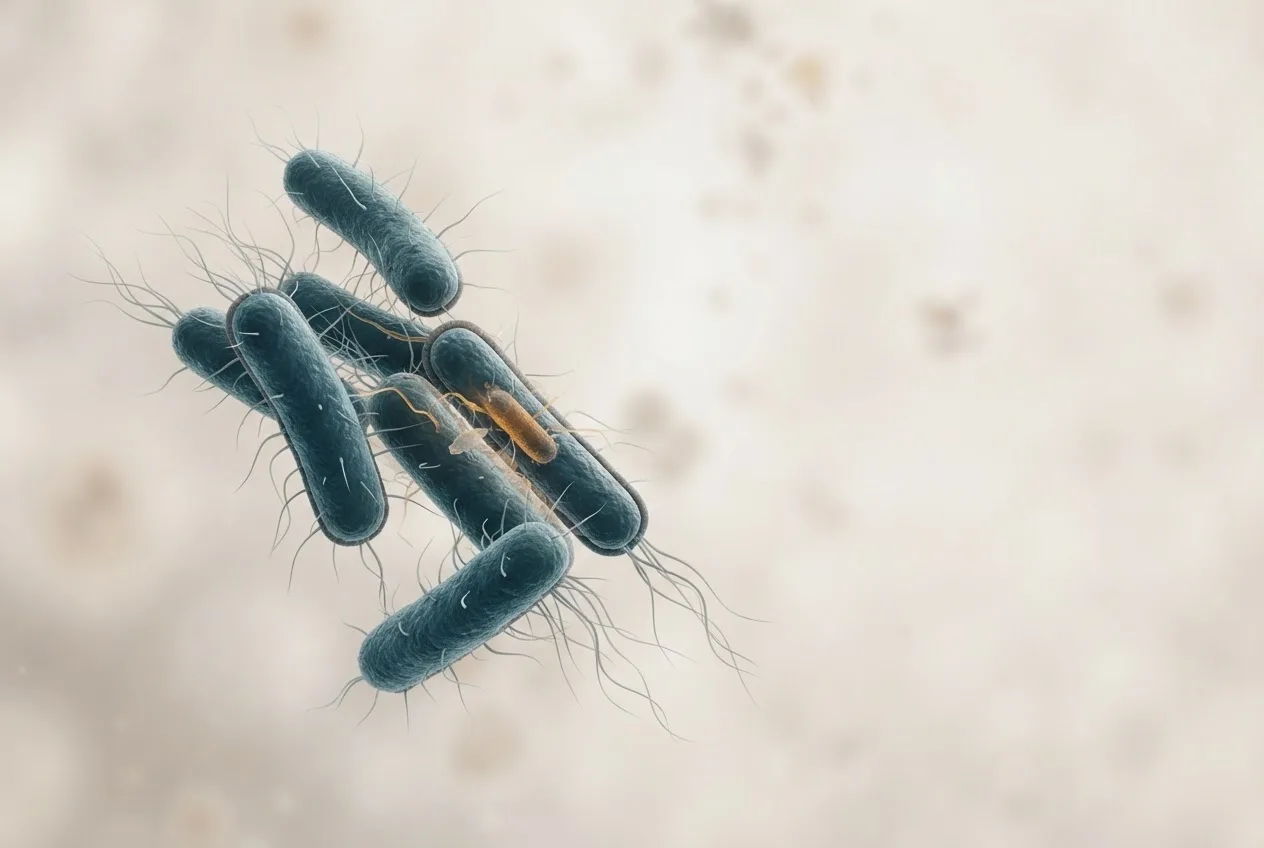
Key Takeaways
- Tenacibaculum maritimum is a Gram-negative, filamentous, gliding bacterium responsible for tenacibaculosis, a significant ulcerative disease affecting a broad spectrum of marine fish species globally, characterized by epidermal ulcers, fin necrosis, and mouth erosion.
- Pathogenesis is mediated by virulence factors including extracellular products (ECPs) with proteolytic and lipolytic enzymes, outer membrane vesicles (OMVs) involved in adhesion and cytotoxicity, and the type IX secretion system (T9SS) for translocating effector proteins.
- Diagnostic approaches integrate microbiological culture on marine-based media, species-specific PCR assays, multiplex PCR for O-antigen serotyping, and MALDI-TOF MS for rapid isolate typing, crucial due to significant antigenic and genetic diversity among strains.
- Transmission occurs horizontally via waterborne exposure through skin or mucosal breaches, with the bacterium capable of forming recalcitrant biofilms on aquaculture infrastructure, complicating antimicrobial treatment and promoting persistent infections.
- Control strategies encompass vaccination (e.g., OMV-based vaccines showing 70% RPS in turbot), nutritional interventions (essential oils, beta-glucans), environmental management, and judicious antimicrobial use, with immersion challenge models being preferred for replicating natural transmission.
- Experimental evidence indicates T. maritimum primarily causes external infections, with systemic septicemia not observed in Chinook salmon, highlighting the importance of immersion challenge models over parenteral inoculation for studying natural disease pathways.
Introduction and Taxonomy
Tenacibaculum maritimum is a Gram-negative, filamentous, gliding bacterium belonging to the family Flavobacteriaceae within the phylum Bacteroidetes [<a href="#ref-1">1</a>]. It is the primary etiological agent of tenacibaculosis, a devastating ulcerative disease affecting many marine fish species globally [<a href="#ref-1">1</a>]. The organism was originally isolated and described from diseased marine fish and has since been recognized as a significant pathogen in both wild and farmed fish populations [<a href="#ref-1">1</a>]. The genus Tenacibaculum comprises several species, but T. maritimum remains the most extensively studied due to its broad host range and economic impact on aquaculture [<a href="#ref-1">1</a>].
Clinical Presentation and Pathology
Tenacibaculosis, also known as mouthrot or yellow mouth disease in salmonids, is characterized by a spectrum of external clinical signs [<a href="#ref-1">1</a>]. These include epidermal ulcers, fin necrosis, tail rot, mouth erosion, and scale loss [<a href="#ref-1">1</a>, <a href="#ref-2">2</a>]. In severe cases, ulceration can expose underlying musculature [<a href="#ref-2">2</a>]. Gross pathological signs observed in experimentally challenged Chinook salmon (Oncorhynchus tshawytscha) include erythematous skin lesions, skin ulcers, fin necrosis, mouth erosion, and gill ulceration [<a href="#ref-2">2</a>]. Exophthalmia has been reported specifically in T. maritimum-challenged fish. Histopathological examination reveals tissue spongiosis, erosion, ulceration, and necrosis ranging from mild to marked, with mats of intralesional bacteria observed on the rostrum, vomer, gill rakers, gill filaments, and body surface.
The disease is primarily an external infection [<a href="#ref-2">2</a>]. Experimental evidence indicates that T. maritimum does not cause systemic septicemia in Chinook salmon, as the bacterium could not be cultured from the anterior kidney of affected fish [<a href="#ref-2">2</a>]. This finding has important implications for experimental challenge models, which must rely on immersion rather than intraperitoneal or intramuscular inoculation to replicate the natural transmission pathway.
Host Range and Geographic Distribution
T. maritimum displays a remarkably broad host range, infecting numerous economically important marine fish species worldwide [<a href="#ref-1">1</a>]. Documented hosts include Atlantic salmon (Salmo salar), Chinook salmon (Oncorhynchus tshawytscha), rainbow trout (Oncorhynchus mykiss), European seabass (Dicentrarchus labrax), gilthead seabream (Sparus aurata), turbot (Scophthalmus maximus), olive flounder (Paralichthys olivaceus), lumpfish (Cyclopterus lumpus), orbicular batfish (Platax orbicularis), and ayu (Plecoglossus altivelis) [<a href="#ref-2">2</a>, <a href="#ref-3">3</a>]. The pathogen has a worldwide distribution, with confirmed isolations from Europe, North America, South America, Asia, and Oceania [<a href="#ref-1">1</a>]. In Chile, T. maritimum has been isolated from diseased Atlantic salmon and rainbow trout, revealing significant antigenic and genetic heterogeneity among isolates. In New Zealand, the pathogen has been confirmed as a cause of tenacibaculosis in farmed Chinook salmon [<a href="#ref-2">2</a>].
Virulence Factors and Pathogenesis
The pathogenesis of T. maritimum is multifactorial, involving a suite of virulence factors that facilitate adhesion, colonization, tissue degradation, and immune evasion [<a href="#ref-1">1</a>]. The complete genome sequence of the type strain NCIMB 2154T has provided significant insights into the genetic basis of virulence. Key virulence determinants include:
Extracellular Products (ECPs) and Secretome
T. maritimum constitutively secretes extracellular products (ECPs) that contain a complex mixture of proteins, including proteolytic and lipolytic enzymes [<a href="#ref-4">4</a>]. The secretome comprises both soluble proteins (S-ECPs) and outer membrane vesicles (OMVs) [<a href="#ref-4">4</a>]. Proteomic analysis of the secretome from a serotype O4 strain identified 641 proteins, including several virulence-related factors [<a href="#ref-4">4</a>]. Soluble ECPs contain putative virulence factors such as sialidase SiaA, chondroitinase CslA, sphingomyelinase Sph, ceramidase Cer, and collagenase Col [<a href="#ref-4">4</a>]. These enzymes are likely involved in the degradation of host tissues, facilitating bacterial invasion and nutrient acquisition [<a href="#ref-4">4</a>].
Outer Membrane Vesicles (OMVs)
OMVs are constitutively produced by T. maritimum through surface blebbing and are specifically enriched in TonB-dependent transporters and type IX secretion system (T9SS) proteins [<a href="#ref-4">4</a>]. OMVs play a key role in virulence by promoting surface adhesion and biofilm formation, and by maximizing the cytotoxic effects of ECPs [<a href="#ref-4">4</a>]. In vitro and in vivo assays have demonstrated that OMVs contribute to the overall pathogenic potential of the bacterium [<a href="#ref-4">4</a>]. The immunogenicity of OMVs has been exploited for vaccine development, with OMV-based vaccines showing significant protection in turbot (RPS = 70%) [<a href="#ref-5">5</a>].
Type IX Secretion System (T9SS)
The T9SS is a critical secretion system in T. maritimum, responsible for the translocation of various virulence factors to the cell surface or extracellular environment. Genome analysis has identified genes encoding T9SS components, including PorP, PorT, and SprA, which are associated with OMVs [<a href="#ref-4">4</a>]. The T9SS is involved in the secretion of adhesins, proteases, and glycoside hydrolases that contribute to host colonization and tissue destruction.
Siderophore-Mediated Iron Acquisition
Iron acquisition is essential for bacterial growth, particularly in the iron-limited environment of host tissues [<a href="#ref-6">6</a>]. T. maritimum produces a suite of amphiphilic, acylated desferrioxamine-like siderophores encoded by the tenABECDC2D2hp1-4 gene cluster [<a href="#ref-6">6</a>, <a href="#ref-7">7</a>]. This cluster is highly similar to the desferrioxamine biosynthesis system in Streptomyces coelicolor but features a unique tenCD duplication/fusion essential for siderophore formation [<a href="#ref-6">6</a>]. A novel analytical strategy, XAD-LC/MS-FBMN-IMS, has been developed to analyze the holo-hydroxamate siderophore composition of T. maritimum cultures, revealing three families of hydroxamate siderophores, including 17 new putative acyl-desferrioxamine-like structures [<a href="#ref-7">7</a>].
Biofilm Formation
T. maritimum is capable of forming biofilms, which are aggregates of microorganisms embedded in a self-produced matrix of extracellular polymeric substances (EPS) [<a href="#ref-8">8</a>]. Biofilm formation poses a dual challenge in aquaculture: it confers recalcitrance to antimicrobial treatments and contributes to persistent infections by forming on facility surfaces such as tanks, nets, cages, and equipment [<a href="#ref-8">8</a>]. A standardized in vitro methodology for biofilm formation and quantification has been established, with optimal conditions defined as 24 hours in marine broth at 25 degrees Celsius using a 200 microliter culture volume [<a href="#ref-8">8</a>].
Induction of Apoptosis
Soluble ECPs from T. maritimum have been shown to induce apoptosis in salmonid epithelial cell lines [<a href="#ref-9">9</a>]. This mechanism may explain the absence of overt inflammation typically reported in mouth rot-infected Atlantic salmon [<a href="#ref-9">9</a>]. Changes in salinity (25, 29, 33 ppt) and temperature (12, 18, 24 degrees Celsius) within ranges observed in Pacific Northwest aquaculture facilities affect bacterial growth and the cytotoxicity of ECPs [<a href="#ref-9">9</a>].
Antigenic and Genetic Diversity
T. maritimum exhibits significant antigenic and genetic heterogeneity, which has important implications for vaccine development and epidemiological surveillance [<a href="#ref-1">1</a>]. Serological characterization has identified up to four serotypes (O1-O4) based on O-antigen variability. The genomic loci responsible for O-antigen biosynthesis have been identified through a combination of conventional serotyping and genome-wide association studies. This discovery enabled the development of a robust multiplex PCR-based serotyping scheme that can detect subgroups within each serotype, outperforming conventional serotyping.
Population structure analysis using multilocus sequence typing (MLST) and whole-genome comparisons has revealed that T. maritimum is a cohesive species subdivided into several subgroups. The core genome comprises approximately 2,116 protein-coding genes, accounting for about 75% of the genes in each genome. Recombination plays a significant role in the evolutionary process, with a recombination-to-mutation ratio (r/m) of at least 7. A high-throughput MALDI-TOF typing scheme has been developed, identifying 20 MALDI-Types and 4 MALDI-Groups among 131 isolates, providing a rapid and cost-effective method for large-scale epidemiological surveys.
In Chile, analysis of 14 T. maritimum isolates from diseased Atlantic salmon and rainbow trout revealed three main serological patterns and two newly identified sequence types (ST193 and ST198). In New Zealand, three molecular O-AGC types (Type 3-0, Type 2-1, and Type 3-2) have been identified from Chinook salmon [<a href="#ref-2">2</a>]. The distribution of mPCR-based serotypes does not follow the core genome phylogeny, and no obvious correlations have been observed between serotype and host species or geographic origin.
Diagnostic Approaches
Accurate diagnosis of tenacibaculosis relies on a combination of clinical observation, microbiological culture, molecular detection, and serological typing [<a href="#ref-1">1</a>].
Microbiological Culture
T. maritimum can be isolated from external lesions (skin, gills, fins) of affected fish using selective media [<a href="#ref-2">2</a>]. The bacterium is a marine obligate organism and requires seawater-based media for growth. Pure cultures can be obtained and confirmed by species-specific PCR and molecular O-AGC typing [<a href="#ref-2">2</a>].
Molecular Detection
Species-specific PCR assays targeting the 16S rRNA gene or housekeeping genes are widely used for confirmation of T. maritimum. A multiplex PCR-based serotyping scheme targeting the O-antigen gene cluster has been developed, enabling simultaneous serotype identification. Quantitative PCR (qPCR) is used for detection and quantification of the pathogen in environmental samples and host tissues [<a href="#ref-10">10</a>].
Serological Typing
Conventional serotyping using dot-blot assays with unabsorbed antisera can identify serological patterns. However, the multiplex PCR-based serotyping scheme is more discriminatory and reproducible.
MALDI-TOF MS Typing
Matrix-assisted laser desorption/ionization time-of-flight mass spectrometry (MALDI-TOF MS) provides a rapid and accurate method for typing T. maritimum isolates. The Multi Peak Shift Typing scheme, based on nine polymorphic biomarker ions, allows for the identification of MALDI-Types and MALDI-Groups.
Transmission and Epidemiology
Transmission of T. maritimum occurs horizontally through waterborne exposure, with the bacterium gaining entry through breaches in the skin or mucosal barriers [<a href="#ref-1">1</a>]. The pathogen can survive in the marine environment, potentially forming biofilms on aquaculture infrastructure [<a href="#ref-8">8</a>]. Cohabitation studies have demonstrated that T. maritimum can be transmitted from infected Atlantic salmon to naïve cohabitants of the same species, resulting in morbidity and mortality [<a href="#ref-10">10</a>]. However, interspecific transmission from Atlantic salmon to Chinook salmon did not result in clinical disease under experimental conditions, despite successful culture of the bacterium from skin swabs of cohabitant Chinook salmon [<a href="#ref-10">10</a>].
Epidemiological modeling has provided evidence that Atlantic salmon farms are a likely source of T. maritimum infection in migratory Fraser River sockeye salmon (Oncorhynchus nerka). The best-fitting models indicated that farm-origin infection pressure peaked at 12.7 times background levels in the Discovery Islands region of British Columbia, Canada.
A scoping review identified a complex interplay of host-specific factors (age/size), management practices (vaccination, marine transfer, stocking density, gill/body abrasion), environmental conditions (water temperature, oxygenation, salinity, algal blooms, vectors), and microbial dynamics (load, co-infections, strain, biofilms, microbiome) influencing T. maritimum infections.
Host Immune Response
The host immune response to T. maritimum infection involves both local and systemic components [<a href="#ref-11">11</a>]. Bath challenge studies in European seabass have demonstrated an increased expression of pro-inflammatory genes (il-1beta, il8, mmp9, hamp1) in mucosal organs (skin, gills, posterior intestine) following infection [<a href="#ref-11">11</a>]. The gills showed the fastest induction of these genes, suggesting they may be a primary site of bacterial entry [<a href="#ref-11">11</a>]. Systemically, infected fish exhibited neutrophilia, monocytosis, signs of anemia, and a decrease in bactericidal and lysozyme activities in plasma [<a href="#ref-11">11</a>].
The route of infection is a critical determinant of pathogenesis [<a href="#ref-12">12</a>]. Intraperitoneal injection of T. maritimum did not induce tenacibaculosis symptoms in European seabass, whereas bath challenge with the same inoculum resulted in 100% mortality [<a href="#ref-12">12</a>]. Intraperitoneal injection of ECPs induced a pro-inflammatory response in the head kidney, with increased expression of il1beta, il6, il8, and hamp1 [<a href="#ref-12">12</a>].
Dietary interventions can modulate the immune response to T. maritimum infection. Supplementation with yeast beta-glucans (0.12%) enhanced early immune readiness in European seabass, maintaining circulating leukocyte counts and increasing plasma lysozyme activity. Skin immune responses showed early upregulation of pro-inflammatory and antimicrobial genes, followed by increased expression of regulatory cytokines, suggesting an efficient transition from immune activation to resolution. Conversely, high levels of dietary methionine supplementation (29.2 mg/g) attenuated the immune response and increased mortality following T. maritimum challenge [<a href="#ref-13">13</a>].
Control and Prevention
Vaccination
Vaccination is a key strategy for controlling tenacibaculosis [<a href="#ref-1">1</a>, <a href="#ref-5">5</a>]. Several vaccine approaches have been investigated:
- OMV-based vaccines: Natural, adjuvant-free OMVs from T. maritimum serotype O4 provided significant protection (RPS = 70%) in turbot, with vaccinated fish exhibiting dose-dependent increases in anti-Tm antibody titers and rapid induction of both innate and adaptive immune genes [<a href="#ref-5">5</a>].
- Formalin-killed vaccines: Enhanced immunogenic responses have been observed in salmonids vaccinated with formalin-killed T. maritimum at different water temperatures.
- Autogenous vaccines: A bivalent autogenous vaccine against New Zealand rickettsia-like organisms and T. maritimum showed protective effects in Chinook salmon.
- Trivalent vaccines: A trivalent vaccine targeting two serotypes of Miamiensis avidus and one strain of T. maritimum demonstrated high efficacy (RPS = 93% for T. maritimum) in olive flounder.
Genomic and serotyping data are critical for selecting suitable candidate strains for vaccine development, given the significant antigenic diversity among T. maritimum isolates [<a href="#ref-14">14</a>].
Nutritional Strategies
Dietary interventions have shown promise in enhancing disease resistance:
- Essential oils: Dietary supplementation with Thymus vulgaris essential oil at 0.5% significantly reduced mortality (2.2%) compared to controls (18.9%) in gilthead seabream infected with T. maritimum.
- Yeast beta-glucans: Supplementation with 0.12% purified yeast beta-1,3/1,6-glucans enhanced immune responses and disease resilience in European seabass.
- Algae blends: Micro- and macroalgae blends can modulate mucosal and systemic immune responses in European seabass upon infection.
- Swine blood hydrolysates: Innovative swine blood hydrolysates have been investigated as promising ingredients for European seabass diets, impacting growth performance and resistance to T. maritimum infection.
Environmental Management
Thermal and nutritional strategies, including temperature modulation and dietary interventions, have been reviewed as welfare-oriented approaches for managing T. maritimum in aquaculture [<a href="#ref-15">15</a>]. Environmental factors such as water temperature, salinity, and oxygenation influence disease outbreaks and should be carefully managed.
Antimicrobial Stewardship
Current disease management often necessitates the use of antimicrobials, raising concerns about antimicrobial resistance (AMR) in aquatic and potentially terrestrial environments. The development of effective alternatives to antibiotics is urgently needed [<a href="#ref-1">1</a>].
Experimental Challenge Models
Reproducible experimental challenge models are essential for studying pathogenesis, vaccine efficacy, and therapeutic interventions [<a href="#ref-2">2</a>]. Immersion challenge using natural seawater is the preferred method, as it replicates the natural transmission pathway [<a href="#ref-2">2</a>]. For Chinook salmon, exposure to T. maritimum at 2 x 10^8 cells/mL has been shown to induce clinical signs of tenacibaculosis [<a href="#ref-2">2</a>]. For Atlantic salmon, bath exposure to T. maritimum, T. dicentrarchi, and T. finnmarkense has been used to compare pathogenicity. Cohabitation models have also been developed to study transmission dynamics [<a href="#ref-10">10</a>].
The following Mermaid diagram illustrates a decision tree for experimental challenge model selection:
flowchart TD
 A["Select Fish Species"] --> B{"Target Pathogen"}
 B --> C["T. maritimum"]
 B --> D["T. dicentrarchi"]
 B --> E["T. finnmarkense"]
 C --> F{"Challenge Route"}
 D --> F
 E --> F
 F --> G["Immersion Bath"]
 F --> H["Cohabitation"]
 F --> I["Intraperitoneal Injection"]
 G --> J["Natural Transmission Model"]
 H --> K["Transmission Dynamics Model"]
 I --> L["Systemic Response Model"]
 J --> M["Assess Clinical Signs & Mortality"]
 K --> M
 L --> M
 M --> N["Reisolate & Confirm Pathogen"]
 N --> O["Fulfill Koch's Postulates"]
Frequently Asked Questions
What is Tenacibaculum maritimum?
Tenacibaculum maritimum is a Gram-negative, filamentous, gliding bacterium that is the primary causative agent of tenacibaculosis, an ulcerative disease affecting numerous marine fish species worldwide [<a href="#ref-1">1</a>].
What clinical signs are associated with tenacibaculosis?
Clinical signs include epidermal ulcers, fin necrosis, tail rot, mouth erosion, scale loss, and hemorrhagic skin spots, with severe cases exposing underlying musculature [<a href="#ref-1">1</a>, <a href="#ref-2">2</a>].
How is T. maritimum transmitted?
Transmission occurs horizontally through waterborne exposure, with the bacterium entering through breaches in the skin or mucosal barriers [<a href="#ref-1">1</a>].
What diagnostic methods are available for T. maritimum?
Diagnosis relies on microbiological culture, species-specific PCR, multiplex PCR-based serotyping, and MALDI-TOF MS typing [<a href="#ref-1">1</a>].
Can T. maritimum cause systemic infection?
Experimental evidence indicates that T. maritimum does not cause systemic septicemia in Chinook salmon, as the bacterium cannot be cultured from the anterior kidney of affected fish [<a href="#ref-2">2</a>].
What are the key virulence factors of T. maritimum?
Key virulence factors include extracellular products (ECPs), outer membrane vesicles (OMVs), the type IX secretion system (T9SS), siderophore-mediated iron acquisition systems, biofilm formation, and the ability to induce apoptosis in host cells [<a href="#ref-4">4</a>, <a href="#ref-6">6</a>, <a href="#ref-9">9</a>].
What control strategies are available for tenacibaculosis?
Control strategies include vaccination (OMV-based, formalin-killed, autogenous, and multivalent vaccines), nutritional interventions (essential oils, beta-glucans, algae blends), environmental management, and antimicrobial stewardship [<a href="#ref-1">1</a>, <a href="#ref-3">3</a>, <a href="#ref-5">5</a>, <a href="#ref-15">15</a>].
Is there a vaccine available for T. maritimum?
Several vaccine approaches have been developed, including OMV-based vaccines showing 70% RPS in turbot, formalin-killed vaccines for salmonids, and multivalent vaccines for olive flounder [<a href="#ref-5">5</a>].
What is the role of biofilms in T. maritimum infections?
Biofilms confer recalcitrance to antimicrobial treatments and contribute to persistent infections by forming on aquaculture facility surfaces such as tanks, nets, cages, and equipment [<a href="#ref-8">8</a>].
How does water temperature affect T. maritimum infection?
Water temperature is a significant environmental factor influencing disease outbreaks, with changes in temperature affecting bacterial growth and the cytotoxicity of extracellular products [<a href="#ref-9">9</a>].
Related Clinical & Scientific Guides
- Duck Diseases: A Comprehensive Overview for Veterinary Practitioners
- Salmonella Dublin in Cattle: Emerging Pathogen, Diagnostic Challenges, and Public Health Impact
- Mycoplasma Infections in Poultry: Vaccination Strategies and Control Programs
- Tenacibaculum maritimum in Marine Fish: Ulcer Disease in Halibut, Sea Bass, and Other Species
- Tenacibaculosis in Marine Fish: Emerging Pathogen and Diagnostic Methods