Colibacillosis in Chickens: Pathogenesis, Clinical Signs, and Antimicrobial Treatment
By Dr. Zubair Khalid, DVM, MS, PhD ·
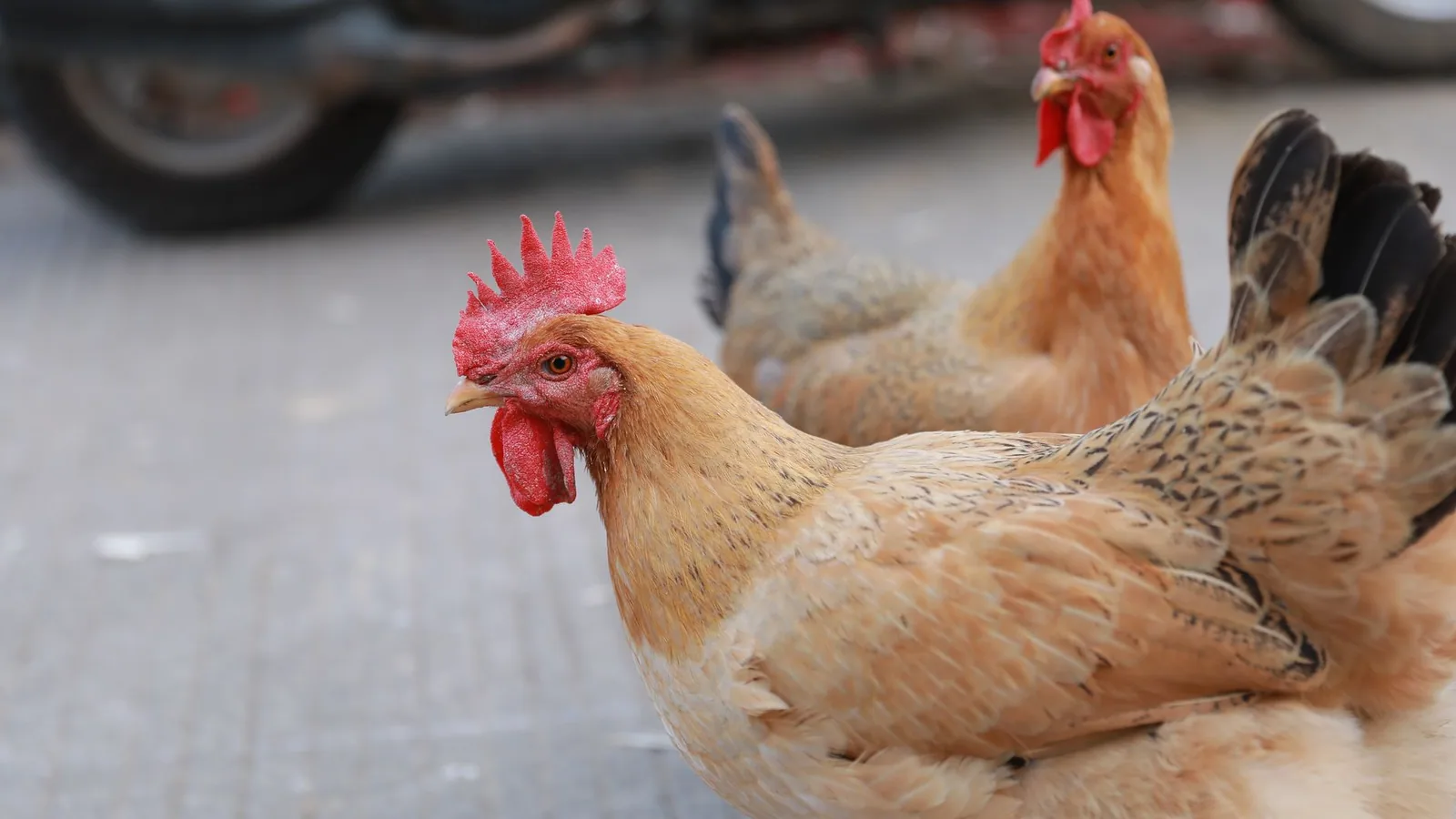
Key Takeaways
- Colibacillosis in chickens is caused by avian pathogenic Escherichia coli (APEC), a subset of E. coli possessing specific virulence factors that enable systemic infection beyond the intestinal tract, leading to syndromes like colisepticemia, airsacculitis, and serositis.
- Pathogenesis involves inhalation or ingestion of APEC, colonization of the respiratory or intestinal tract, and subsequent systemic dissemination via bacteremia, often facilitated by compromised host defenses due to viral infections, environmental stress, or immunosuppression.
- Clinical signs range from acute depression, anorexia, and respiratory distress in young birds to chronic polyserositis, egg peritonitis in layers, omphalitis in neonates, and synovitis/arthritis.
- Diagnosis relies on characteristic necropsy findings (fibrinous pericarditis, perihepatitis, airsacculitis), isolation of E. coli in pure culture, and confirmation of virulence genes via PCR, coupled with antimicrobial susceptibility testing.
- Antimicrobial treatment requires culture and susceptibility data, with enrofloxacin, florfenicol, and ceftiofur being common options, though widespread resistance necessitates careful selection and adherence to extra-label use regulations.
- Control strategies emphasize stringent biosecurity, minimizing predisposing stressors (e.g., ventilation, concurrent infections), and implementing prudent antimicrobial stewardship, with autogenous vaccines offering a preventative option in some contexts.
Introduction
Colibacillosis is one of the most economically significant bacterial diseases affecting poultry worldwide. The disease is caused by avian pathogenic Escherichia coli (APEC), a subset of extraintestinal pathogenic E. coli that possesses specific virulence factors enabling it to colonize and damage host tissues beyond the intestinal lumen [<a href="#ref-1">1</a>, <a href="#ref-2">2</a>]. APEC strains are distinct from commensal intestinal E. coli and from human pathogenic extraintestinal strains, although some zoonotic overlap exists on contaminated poultry products [<a href="#ref-1">1</a>, <a href="#ref-3">3</a>]. Colibacillosis presents as a spectrum of local and systemic syndromes including colisepticemia, respiratory tract infection (airsacculitis), serositis (pericarditis, perihepatitis), peritonitis, salpingitis, synovitis, and omphalitis in chicks [<a href="#ref-1">1</a>, <a href="#ref-2">2</a>]. The disease affects broilers, layers, and breeders, with highest morbidity and mortality in young birds under environmental or immunosuppressive stress [<a href="#ref-1">1</a>, <a href="#ref-3">3</a>]. Understanding the pathogenesis, clinical presentation, and antimicrobial management of colibacillosis is essential for minimizing flock losses and reducing the emergence of antimicrobial resistance. This article reviews the biological mechanisms of APEC infection, the clinical signs observed in affected flocks, diagnostic approaches, and antimicrobial therapy within the constraints of prudent use.
Etiology: Avian Pathogenic Escherichia coli
Escherichia coli is a Gram-negative, facultative anaerobic bacillus of the family Enterobacteriaceae [<a href="#ref-1">1</a>]. Most avian E. coli isolates belong to serogroups O1, O2, O18, and O78, which are overrepresented among APEC strains [<a href="#ref-1">1</a>, <a href="#ref-2">2</a>]. APEC strains are characterized by the presence of virulence-associated genes encoding adhesins (e.g., type 1 fimbriae, P fimbriae, curli fimbriae), iron acquisition systems (aerobactin, yersiniabactin), toxins (hemolysin, CNF1, EAST1), protectins (capsule K1, lipopolysaccharide O-antigen), and invasins (ibeA) [<a href="#ref-1">1</a>, <a href="#ref-2">2</a>, <a href="#ref-3">3</a>]. These factors allow APEC to adhere to respiratory epithelium, resist phagocytosis, acquire iron in the low-iron environment of host tissues, and disseminate via the bloodstream [<a href="#ref-1">1</a>, <a href="#ref-2">2</a>]. The pathogenicity of APEC is multifactorial, and no single virulence determinant is sufficient to cause colibacillosis; rather, a combination of genes contributes to the systemic infection phenotype [<a href="#ref-1">1</a>, <a href="#ref-3">3</a>].
Pathogenesis of Chicken E. coli Infection
The pathogenesis of colibacillosis begins with inhalation or ingestion of APEC from the environment, followed by colonization of the upper respiratory tract or intestinal epithelium [<a href="#ref-1">1</a>, <a href="#ref-2">2</a>]. Under normal conditions, the mucociliary apparatus and alveolar macrophages in the respiratory tract clear inhaled bacteria. However, when these defenses are compromised by concurrent viral infections (e.g., infectious bronchitis virus, Newcastle disease virus), mycoplasmosis (e.g., Mycoplasma gallisepticum), or environmental stress (high ammonia, dust, temperature extremes), APEC can colonize the trachea, air sacs, and lungs [<a href="#ref-1">1</a>, <a href="#ref-3">3</a>]. Bacterial adhesins facilitate attachment to epithelial cells, and subsequent multiplication leads to an inflammatory response characterized by fibrin exudation and heterophil infiltration [<a href="#ref-1">1</a>, <a href="#ref-2">2</a>].
From the respiratory tract, APEC gains access to the bloodstream (bacteremia) via compromised epithelial barriers or through lymphatic drainage, leading to colisepticemia [<a href="#ref-1">1</a>, <a href="#ref-2">2</a>]. Septicemic spread results in fibrinopurulent inflammation of serosal surfaces: pericarditis (fibrinous pericardium), perihepatitis (fibrinous coating of the liver), and airsacculitis (thickened, cloudy air sacs with fibrin clots) [<a href="#ref-1">1</a>, <a href="#ref-3">3</a>]. In laying hens, APEC can ascend from the cloaca or be carried by the bloodstream to the oviduct, causing salpingitis and egg peritonitis, which may present as sudden death or chronic egg drop [<a href="#ref-1">1</a>, <a href="#ref-2">2</a>, <a href="#ref-3">3</a>]. The hallmark of acute colisepticemia is a rapid, severe systemic inflammatory response that can cause death within 24 to 48 hours in susceptible chicks [<a href="#ref-1">1</a>].
The following Mermaid diagram illustrates the typical progression from exposure to clinical syndromes.
flowchart TD
 A["Environmental APEC exposure"]
 B["Respiratory colonization <br> (trachea, air sacs)"]
 C["Breach of epithelial barrier <br> (viral coinfection, stress)"]
 D["Systemic dissemination <br> via bloodstream"]
 E["Colisepticemia"]
 F["Localized serositis: <br> pericarditis, perihepatitis"]
 G["Oviduct infection: <br> salpingitis, peritonitis"]
 H["Synovitis / arthritis"]
 I["Mortality / chronic morbidity"]
 A --> B
 B --> C
 C --> D
 D --> E
 D --> F
 D --> G
 D --> H
 E --> I
 F --> I
 G --> I
 H --> I
Figure 1. Pathogenetic sequence of avian colibacillosis from environmental exposure to clinical outcomes. Modified from existing conceptual frameworks [<a href="#ref-1">1</a>, <a href="#ref-2">2</a>, <a href="#ref-3">3</a>].
Clinical Signs of Chicken Colibacillosis
The clinical presentation depends on the age of the bird, the route of infection, and the presence of predisposing factors. Descriptions of chicken e coli symptoms must note the variability between acute and chronic forms.
Acute Colisepticemia
Acute colisepticemia is most common in young broiler chicks aged 2 to 6 weeks [<a href="#ref-1">1</a>, <a href="#ref-2">2</a>]. Affected birds display sudden onset of depression, anorexia, ruffled feathers, drooping wings, and reluctance to move. Respiratory signs such as coughing, sneezing, dyspnea, and rales may be present, especially when airsacculitis is prominent [<a href="#ref-1">1</a>]. Mortality peaks within 3 to 5 days and can reach 10 to 20% in untreated flocks [<a href="#ref-1">1</a>, <a href="#ref-3">3</a>]. In severe outbreaks, birds may die without premonitory signs.
Chronic Colibacillosis
Chronic infections manifest as polyserositis, fibrinous pericarditis, perihepatitis, and airsacculitis, often found at necropsy in birds that have survived the acute phase [<a href="#ref-1">1</a>, <a href="#ref-2">2</a>]. In layers, chicken has e coli infection of the reproductive tract leads to egg peritonitis, which causes a sharp decline in egg production, misshapen or thin-shelled eggs, and increased mortality from yolk peritonitis [<a href="#ref-1">1</a>, <a href="#ref-2">2</a>]. Affected hens may appear lethargic with a distended abdomen and may adopt a penguin-like stance [<a href="#ref-1">1</a>].
Localized Syndromes
- Omphalitis (yolk sac infection): In chicks aged 1 to 7 days, APEC infects the unabsorbed yolk sac, causing a swollen, unhealed navel, central nervous system depression, and early mortality [<a href="#ref-1">1</a>, <a href="#ref-2">2</a>].
- Synovitis/arthritis: Lameness and swollen joints (especially hock and stifle) occur when APEC localizes in synovial structures, often secondary to septicemia [<a href="#ref-1">1</a>, <a href="#ref-3">3</a>].
- Cellulitis in broilers: Subcutaneous inflammation of the abdomen and thighs is associated with APEC invasion through skin scratches, leading to carcass condemnation at processing [<a href="#ref-1">1</a>, <a href="#ref-2">2</a>].
The list of clinical signs can be summarized as:
- Depression, huddling, ruffled feathers
- Respiratory distress (gasping, coughing, rales)
- Diarrhea with pasty vents (less common)
- Swollen navel and yolk sac (neonates)
- Lameness, swollen joints (chronic)
- Drop in egg production and increase in thin-shelled eggs (layers)
- Sudden death (acute form)
For differential diagnosis, colibacillosis must be distinguished from other causes of septicemia and serositis such as salmonellosis (e.g., Salmonella Gallinarum, Salmonella Pullorum), fowl cholera (Pasteurella multocida), and Gallibacterium anatis infection [<a href="#ref-1">1</a>, <a href="#ref-2">2</a>, <a href="#ref-3">3</a>]. Respiratory presentations may also resemble mycoplasmosis and viral infections like avian influenza (bird flu) and infectious coryza. The Avian Colibacillosis: Pathogenesis, Diagnosis, and Antimicrobial Resistance Patterns in Poultry article provides additional comparative details.
Diagnosis
Diagnosis of colibacillosis relies on characteristic gross lesions, histopathology, and isolation of E. coli in pure culture from affected tissues [<a href="#ref-1">1</a>, <a href="#ref-2">2</a>].
Necropsy Findings
Typical lesions include:
- Fibrinous pericarditis (thickened, opaque pericardial sac)
- Perihepatitis (fibrinous deposits on the liver capsule)
- Airsacculitis (cloudy, thickened air sacs with fibrin)
- Salpingitis and egg peritonitis in layers
- Yolk sac opacity and caseous exudate in omphalitis
- Subcutaneous caseous exudate in cellulitis
Bacteriological Culture
Samples from heart blood, liver, spleen, air sacs, or yolk sac are collected aseptically and plated on MacConkey agar or blood agar [<a href="#ref-1">1</a>, <a href="#ref-2">2</a>]. E. coli colonies are lactose-positive on MacConkey agar, Gram-negative rods, and are identified biochemically (indole-positive, citrate-negative, etc.) or by matrix-assisted laser desorption/ionization time-of-flight mass spectrometry (MALDI-TOF MS) [<a href="#ref-1">1</a>, <a href="#ref-2">2</a>].
Serotyping and Molecular Characterization
Serotyping (O:K:H antigens) can help identify outbreak-associated APEC serogroups [<a href="#ref-1">1</a>]. Molecular detection of virulence genes (e.g., fimC, iucD, tsh, ibeA) using polymerase chain reaction (PCR) confirms the APEC pathotype [<a href="#ref-1">1</a>, <a href="#ref-3">3</a>]. Antimicrobial susceptibility testing by disk diffusion or broth microdilution is essential to guide therapy [<a href="#ref-1">1</a>, <a href="#ref-2">2</a>].
A diagnostic decision tree is presented below.
flowchart TD
 A["Clinical suspicion: <br> respiratory signs, mortality, egg drop"]
 B["Gross necropsy"]
 C["Typical fibrinous serositis?"]
 D["Yes: collect liver, heart blood, air sacs"]
 E["No: consider other diseases"]
 F["Bacterial culture on MacConkey agar"]
 G["Lactose-positive colonies: <br> Gram-negative rods"]
 H["Biochemical / MALDI-TOF confirmation"]
 I["AST by disk diffusion or broth microdilution"]
 J["PCR for APEC virulence genes"]
 K["Confirm APEC + susceptibility profile"]
 L["Implement targeted antimicrobial therapy"]
 A --> B
 B --> C
 C --> D
 C --> E
 D --> F
 F --> G
 G --> H
 H --> I
 H --> J
 I --> K
 J --> K
 K --> L
Figure 2. Diagnostic workflow for colibacillosis in chickens.
Antimicrobial Treatment
Treatment of colibacillosis is challenging due to widespread antimicrobial resistance in APEC populations [<a href="#ref-1">1</a>, <a href="#ref-2">2</a>, <a href="#ref-3">3</a>]. The selection of an antimicrobial agent should be based on culture and susceptibility results from the affected flock.
Commonly Used Antimicrobials
Historically, antibiotics such as ampicillin, tetracyclines, sulfonamides/trimethoprim, and fluoroquinolones have been used [<a href="#ref-1">1</a>, <a href="#ref-2">2</a>]. However, resistance rates are high for many of these agents. The fluoroquinolone enrofloxacin is frequently effective against APEC, but its use in poultry is subject to extra-label restrictions in many regions because of concerns about selecting for fluoroquinolone resistance that can affect human medicine [<a href="#ref-1">1</a>, <a href="#ref-3">3</a>]. As per prudent use guidelines, enrofloxacin should be reserved for cases where susceptibility testing confirms susceptibility and where no alternative agents are available [<a href="#ref-1">1</a>, <a href="#ref-2">2</a>]. Other options include ceftiofur (a third-generation cephalosporin) and florfenicol, but resistance to these is also emerging [<a href="#ref-1">1</a>, <a href="#ref-3">3</a>].
The table below summarizes common antimicrobial classes used in colibacillosis, their mechanisms of action, and resistance concerns.
| Antimicrobial Class | Representative Drugs | Mechanism of Action | Common Resistance Mechanisms in APEC |
|---|---|---|---|
| Aminopenicillins | Ampicillin, amoxicillin | Inhibit cell wall synthesis | Beta-lactamase production (TEM, SHV) |
| Tetracyclines | Oxytetracycline, doxycycline | Inhibit protein synthesis (30S ribosome) | Efflux pumps (TetA, TetB) |
| Sulfonamides + dihydrofolate reductase inhibitors | Trimethoprim-sulfamethoxazole | Inhibit folate synthesis | Altered target enzymes, efflux |
| Fluoroquinolones | Enrofloxacin, ciprofloxacin | Inhibit DNA gyrase / topoisomerase IV | Target mutations (GyrA, ParC), efflux |
| Phenicols | Florfenicol | Inhibit protein synthesis (50S ribosome) | Chloramphenicol acetyltransferase, efflux |
| Cephalosporins (third generation) | Ceftiofur | Inhibit cell wall synthesis | Extended-spectrum beta-lactamases (ESBL) |
Table 1. Antimicrobial agents with reported efficacy against APEC and common resistance mechanisms [<a href="#ref-1">1</a>, <a href="#ref-2">2</a>, <a href="#ref-3">3</a>].
Treatment Protocols
- Water-soluble formulations are preferred for flock-level therapy. Enrofloxacin (at 10 mg/kg body weight per day for 3 to 5 days) or amoxicillin (15 to 20 mg/kg) can be administered in drinking water [<a href="#ref-1">1</a>, <a href="#ref-2">2</a>].
- Duration should be based on clinical response, but treatment beyond 5 days is rarely indicated [<a href="#ref-1">1</a>].
- Necropsy and culture should be performed before initiating therapy to confirm diagnosis and susceptibility [<a href="#ref-1">1</a>, <a href="#ref-2">2</a>].
Extra-Label Restrictions
Many countries prohibit the extra-label use of fluoroquinolones in poultry because of the risk of creating resistance reservoirs [<a href="#ref-1">1</a>, <a href="#ref-3">3</a>]. Veterinarians must comply with local regulations, and alternative drugs (e.g., florfenicol, tetracyclines) should be used if susceptibility is adequate [<a href="#ref-1">1</a>]. The Computational Approaches to Understanding Antimicrobial Resistance (AMR) article discusses principles of resistance surveillance relevant to APEC.
Control and Prevention
Control strategies focus on reducing APEC exposure, minimizing predisposing factors, and enhancing host resistance [<a href="#ref-1">1</a>, <a href="#ref-2">2</a>].
Biosecurity
- Strict all-in/all-out management between flocks.
- Disinfection of houses between cycles using effective disinfectants against Gram-negative bacteria (e.g., quaternary ammonium compounds, peroxygen compounds) [<a href="#ref-1">1</a>].
- Litter management to reduce ammonia levels and dust.
- Control of rodent and insect vectors that can carry APEC [<a href="#ref-1">1</a>].
Reduction of Predisposing Stressors
- Ensure optimal ventilation, temperature, and humidity.
- Vaccinate against respiratory viruses (infectious bronchitis, Newcastle disease) and control Mycoplasma infections [<a href="#ref-1">1</a>, <a href="#ref-3">3</a>].
- Avoid immunosuppressive conditions (e.g., inclusion body hepatitis, infectious bursal disease) [<a href="#ref-1">1</a>].
Vaccination
Autogenous (farm-specific) bacterins or recombinant vaccines targeting APEC O-antigens or virulence factors (e.g., iron-regulated proteins) are available in some regions and can reduce mortality when used in breeders to confer maternal immunity to progeny [<a href="#ref-1">1</a>, <a href="#ref-2">2</a>].
Antimicrobial Stewardship
- Limit prophylactic and metaphylactic use of antibiotics.
- Use targeted therapy based on culture and sensitivity.
- Consider alternatives such as probiotics, prebiotics, organic acids, and phytogenic compounds to improve gut health and reduce APEC colonization [<a href="#ref-1">1</a>, <a href="#ref-3">3</a>].
The article Avian Colibacillosis: A Comprehensive Guide to Escherichia coli Infection in Chickens provides a broader overview of management.
Conclusion
Colibacillosis remains a leading cause of morbidity and mortality in chicken flocks globally. The disease results from a complex interaction between APEC virulence factors, host immunity, and environmental stressors. A thorough understanding of pathogenesis helps in interpreting clinical signs and implementing targeted interventions. Diagnosis should be confirmed by bacterial culture, virulence gene detection, and antimicrobial susceptibility testing. Treatment with appropriate antimicrobials, guided by sensitivity data, is critical for reducing losses, but must be balanced with the need to contain antimicrobial resistance. Integrated control programs that combine biosecurity, management optimization, vaccination, and prudent antimicrobial use offer the best strategy for mitigating the impact of colibacillosis in poultry production.