What Can I Do With a Biology Degree?
By Dr. Zubair Khalid, DVM, MS, PhD ·
Key Takeaways
- A biology degree provides a versatile foundation for numerous healthcare roles, including direct patient care as a physician assistant or nurse practitioner, and diagnostic support as a clinical laboratory scientist, leveraging understanding of disease mechanisms.
- Research and development positions in universities, government, and private institutes are accessible, with opportunities ranging from research assistant roles in molecular biology and genetics to leading projects in drug discovery or conservation biology.
- The biotechnology and pharmaceutical industries offer diverse roles beyond the lab bench, such as quality control analysts requiring knowledge of aseptic technique and data integrity, and regulatory affairs specialists who interpret scientific data for product approvals by agencies like the FDA.
- Expanding skill sets in bioinformatics through programming languages like Python and R, or in project management and science communication, significantly enhances career prospects in rapidly evolving fields like genomics and personalized medicine.
- Emerging industry trends such as personalized medicine, driven by genomics and CRISPR technologies, and sustainability initiatives in green biotech, are creating demand for specialized biologists in areas like genetic counseling and environmental microbiology.
- The integration of artificial intelligence in drug discovery necessitates biologists who can collaborate with data scientists and validate AI-generated predictions, highlighting the value of interdisciplinary collaboration.
If you are holding a biology degree or considering one, you have probably heard the question: "What can you do with that besides teach or go to med school?" The answer is much broader than most people realize. A biology degree is not a narrow path; it is a versatile foundation that opens doors in healthcare, research, industry, education, and even business. Your training in critical thinking, data analysis, and understanding of living systems is valuable in a rapidly evolving world. Let’s break down the real opportunities.
Traditional Career Paths That Remain Strong
Many biology graduates naturally move into roles that directly apply their scientific knowledge. These are the classic options, but they offer diverse settings and specializations.
Healthcare and medicine. This is the most well known route. A biology degree fulfills prerequisites for medical, dental, pharmacy, and veterinary schools. It also prepares you for roles as a physician assistant, nurse practitioner, or clinical laboratory scientist. The demand for healthcare professionals continues to grow, and your biology background gives you a head start in understanding disease mechanisms and patient care.
Research and development. Universities, government agencies, and private research institutes hire biology graduates as research assistants or technicians. You might work in molecular biology, ecology, or genetics. With experience and further education, you can lead projects in drug discovery, conservation biology, or agricultural science. This path allows you to contribute directly to new knowledge and solutions.
Education and communication. Teaching at the high school or community college level is a stable option, especially if you enjoy explaining complex concepts. But you can also work as a science writer, museum educator, or outreach coordinator for nonprofit organizations. Your ability to translate scientific ideas for the public is increasingly in demand.
Non Traditional Opportunities in Biotech and Industry
The biotechnology and pharmaceutical sectors are hungry for biology graduates. Your degree is not just a ticket to a lab bench; it can lead to roles in quality control, regulatory affairs, sales, and manufacturing.
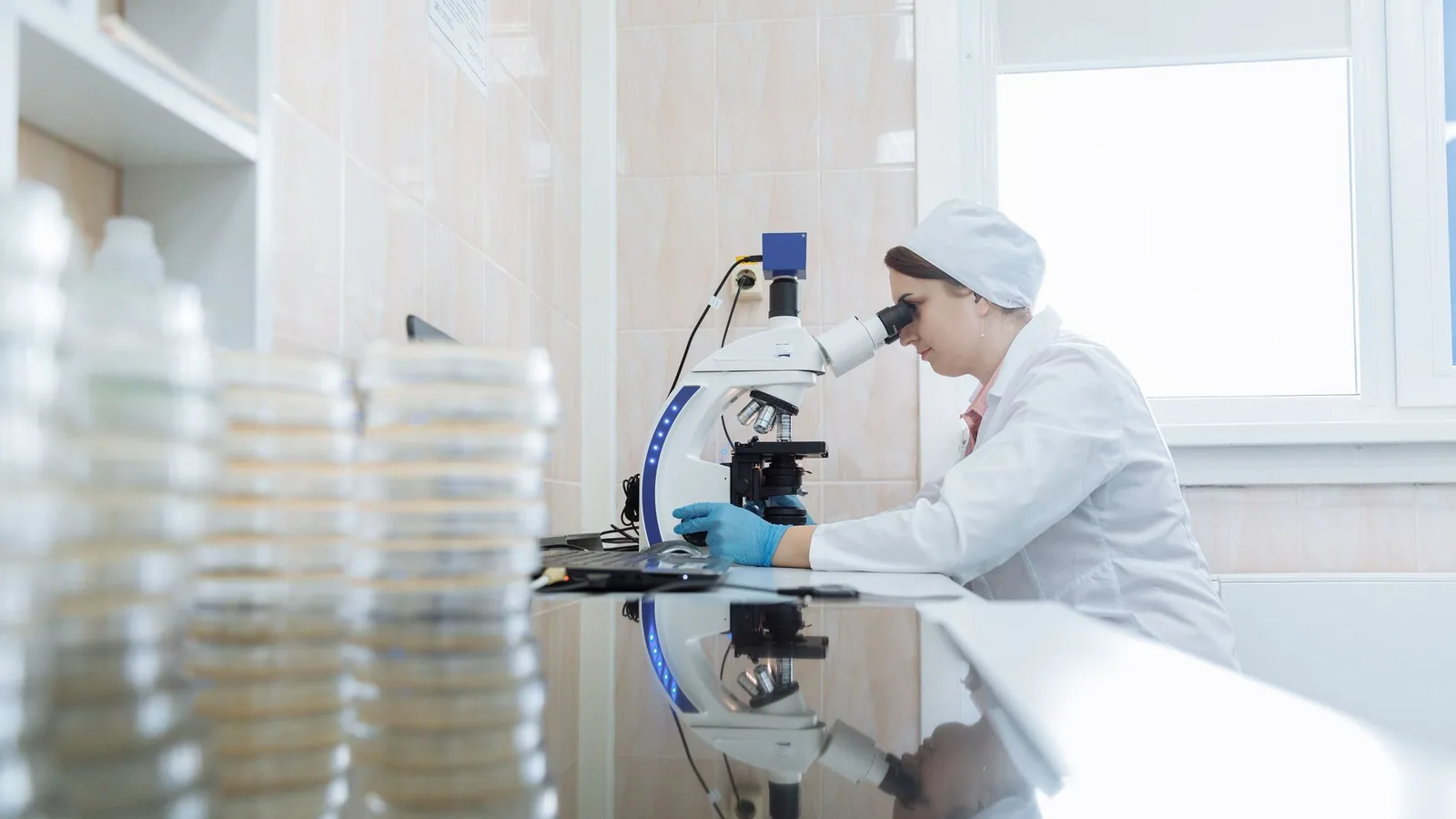
Laboratory roles. You can work as a microbiologist, quality assurance analyst, or biomanufacturing technician. Companies producing vaccines, diagnostics, or genetically modified organisms need people who understand aseptic technique, assay validation, and data integrity.
Regulatory and compliance. Agencies like the FDA or equivalent bodies require professionals who can interpret scientific data for approvals. Biology graduates with an eye for detail and strong writing skills excel in regulatory affairs, ensuring that products meet safety standards.
Sales and technical support. You do not have to leave science behind to work in business. Biotech sales representatives and technical support specialists help researchers and clinicians choose the right tools. Your scientific credibility is a huge asset when explaining complex products to buyers.
Expanding Your Skill Set for Maximum Impact
Your biology degree is a starting point. To maximize career options, consider adding complementary skills through short courses, certifications, or graduate degrees.
Data skills. Bioinformatics is one of the fastest growing fields. Learning basic programming (Python, R) and data analysis can qualify you for roles in genomics, personalized medicine, and computational biology. Many online courses and bootcamps can get you started in a few months.
Communication and management. If you want to move into leadership, consider a certificate in project management or science communication. These skills help you manage lab teams, write grants, or coordinate clinical trials.
Graduate education. A master’s degree can specialize you in microbiology, environmental science, or biotechnology. A PhD opens doors to independent research or senior industry positions. But even a one year professional master’s in bioinformatics or drug development can dramatically increase your earning potential.
Industry Trends That Shape Biology Careers
The job market for biology graduates is evolving. Staying aware of trends helps you position yourself for the future.
Personalized medicine. Genomics and CRISPR technologies are creating demand for genetic counselors, clinical bioinformaticians, and regulatory specialists. Biology graduates who understand both the science and the ethics of these tools will be valuable.
Sustainability and green biotech. Companies are investing in biofuels, biodegradable materials, and agricultural biotechnology. Roles in environmental microbiology, synthetic biology, and sustainability consulting are on the rise. Your biology background is perfect for these interdisciplinary challenges.
Artificial intelligence in drug discovery. AI is accelerating how we find new drugs. Biologists who can collaborate with data scientists and validate AI predictions are rare and highly sought after. Learning basic machine learning concepts can set you apart.
Quick Overview Table
| Career Path | Typical Roles | Further Education Needed? |
|---|---|---|
| Healthcare | Physician, PA, nurse, lab tech | Often yes (medical/PA school) |
| Research | Lab manager, research assistant | Possibly (master’s or PhD) |
| Biotech/Pharma | QC analyst, regulatory specialist | Beneficial (certifications or master’s) |
| Education | Teacher, science writer | Teaching license or advanced degree |
| Bioinformatics | Computational biologist, data analyst | Certificate or master’s |
Conclusion
A biology degree is not a dead end; it is a launchpad. Whether you enter traditional healthcare or pivot to bioinformatics, your understanding of life science will remain relevant. The key is to stay curious and willing to learn new skills. The future belongs to biologists who can adapt and collaborate across disciplines. So if you are asking “what can I do with a biology degree,” the real answer is: more than you think.
Written by Zubair Khalid, DVM, MS, PhD, a molecular biologist and computational researcher sharing practical insights in bioinformatics and biotechnology.